
Nizoral (Ketoconazole) – Patient Information (UK)
Nizoral contains ketoconazole, an antifungal medicine used to treat certain fungal infections. This guide explains what Nizoral is, how it works, how it’s taken, possible side effects, and important safety information relevant to people in the United Kingdom.
Note: Always follow the instructions provided with your medicine and consult a healthcare professional if you are unsure which form of ketoconazole is right for you.
Basic product information
| Information | Details |
|---|---|
| Medicine name | Nizoral |
| Active ingredient | Ketoconazole |
| Type | Antifungal (used for certain skin and scalp fungal problems; availability may vary by UK product form) |
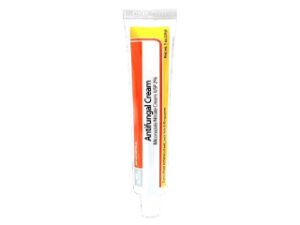
| Common UK availability | Typically seen as topical preparations (e.g., shampoo/cream formulations), depending on current supply and classification |
| How it’s used | Applied to affected skin or scalp as directed (product-specific instructions apply) |
Important: Ketoconazole also exists in oral tablet form in some countries, but oral ketoconazole has had significant liver safety concerns and restrictions internationally. In the UK, current prescribing and availability can differ by formulation and regulatory status. For your safety, use the product you have been advised to use and check the label carefully.
How Nizoral works (mechanism of action)
Ketoconazole is an antifungal medicine. It works by interfering with the way fungal cells build essential components of their cell membrane.
Specifically, ketoconazole inhibits enzymes involved in ergosterol production (a key sterol in fungal cell membranes). Without enough ergosterol, fungal cell growth is impaired and the fungus becomes unable to thrive.
Pharmacokinetics (how the body handles it)
The details depend on the formulation (for example, shampoo/cream vs oral tablets). For topical use, absorption through the skin is usually limited.
- Topical ketoconazole: Absorption through intact skin and scalp is generally low. However, absorption may increase if the skin is inflamed, damaged, or when large areas are treated.
- Distribution: Because systemic absorption is typically limited for topical preparations, levels in blood are usually low compared with oral therapy.
- Metabolism & elimination: Ketoconazole is metabolised primarily by the liver, and clearance mainly occurs via metabolism and bile.
Why this matters: Even with topical products, it’s important to follow dosing directions and avoid overuse, especially if you have liver disease or take interacting medicines.
Typical uses in the UK
Nizoral is used to treat fungal conditions, particularly those affecting the scalp and skin. Common uses may include:
- Seborrhoeic dermatitis (red, itchy, flaky skin—often on scalp, face, and sometimes chest)
- Dandruff associated with seborrhoeic dermatitis
- Other fungal skin conditions as advised by a healthcare professional (depending on local product licence and formulation)
Response time: Many people notice improvement in itching and flaking within a few days, but complete clearing can take several weeks. If symptoms persist or worsen, reassess the diagnosis and treatment plan.
Timing and how to use Nizoral
Timing can differ by product type. The instructions below are general guidance; always follow the specific directions on your Nizoral pack or leaflet.
For shampoo (common for dandruff/seborrhoeic dermatitis)
- Frequency: Often used 2–3 times per week during active treatment, then less often for maintenance (e.g., weekly or as directed).
- Application: Apply to damp scalp, work into the hair and scalp thoroughly.
- Contact time: Leave on the scalp for the time stated on your product label before rinsing.
- Routine: Use at times that fit your routine—many people choose when they already wash their hair.
For cream/other topical forms (if supplied)
- Frequency: Usually applied once or twice daily depending on the condition and label instructions.
- Application: Apply a thin layer to clean, dry affected areas and gently rub in.
- Duration: Continue for the full course, even if symptoms improve early.
Missed dose: If you miss an application, apply it when you remember unless it is close to the next dose. Do not double up.
Food interactions
For topical ketoconazole, food interactions are usually not expected because systemic absorption is low. However, if you are using a product that is taken by mouth (oral ketoconazole), food may affect absorption for some medicines.
- Topical Nizoral: Generally no food-related interaction concerns.
- Oral ketoconazole (if applicable): Absorption may be influenced by stomach acidity and certain medications. If you have an oral formulation, check the leaflet for dietary and timing advice.
If you are using multiple products for the same condition, keep a simple routine and avoid using other antifungals on the same area unless your healthcare professional advises it.
Alcohol and medicine interactions
For most topical Nizoral uses, alcohol-related interactions are unlikely. However, for oral ketoconazole, alcohol and drug interactions can be more relevant due to liver metabolism.
Alcohol
- Topical: No specific alcohol interaction is expected, but if you feel unwell or develop rash, stop and seek advice.
- Oral (if applicable): Because ketoconazole can affect the liver, heavy alcohol use may increase strain on the liver. It is safest to keep alcohol moderate and discuss concerns with a clinician.
Medicine interactions
Ketoconazole can be involved in drug metabolism pathways. Some medicines may increase or decrease ketoconazole levels, or ketoconazole may affect levels of other drugs.
- Important interaction possibility: Medicines that strongly affect liver enzymes may alter ketoconazole exposure.
- Heart rhythm medicines: Some antifungals have the potential to interact with other drugs that affect heart rhythm.
- Stomach acid–altering medicines: For oral ketoconazole, acid-reducing medicines can reduce absorption for some patients.
Practical advice: If you are taking any regular medicines—including prescription medicines, over-the-counter products, and herbal remedies—check with a pharmacist to confirm there are no clinically important interactions for your specific ketoconazole product.
Indications (what Nizoral is used for)
In the UK, Nizoral is indicated for specific fungal-related skin and scalp conditions depending on the formulation supplied. Common indications include:
- Dandruff
- Seborrhoeic dermatitis affecting the scalp and sometimes other areas as directed
- Fungal skin infections where ketoconazole is appropriate per product licence and professional advice
When to seek medical advice instead of self-treating:
- Severe or rapidly spreading redness, swelling, or pain
- Fever or feeling generally unwell
- Signs of secondary bacterial infection (e.g., pus, worsening warmth)
- Infection near the eye
- Symptoms that do not improve after the recommended treatment period
Dosing (typical adult and practical guidance)
Because dosing depends heavily on the exact product (shampoo, cream, strength, and the condition being treated), the most reliable dosing information is on your pack. Below is general guidance commonly seen for topical ketoconazole in adults.
Typical dosing patterns (topical)
- Seborrhoeic dermatitis/dandruff: Often 2–3 applications per week during flare-ups, then 1 application per week (or less frequently) for maintenance.
- Fungal skin lesions: Commonly applied once or twice daily for a defined course length, continuing for the time stated on the pack.
Paediatric use
- Children can be affected by seborrhoeic dermatitis and dandruff, but dosing and suitability depend on age and product formulation. Follow the label and consult a healthcare professional for children.
Duration of treatment
- Stop only when your condition has cleared and you have completed the course recommended.
- If there is no improvement after a few weeks (for scalp conditions) or after the labelled course (for skin lesions), reassessment is important.
Do not exceed the recommended dose: More frequent use does not necessarily clear infection faster and may increase irritation or other side effects.
Safety profile and side effects
Most people tolerate ketoconazole well, especially topical preparations. However, side effects can occur.
Common side effects (topical)
- Local skin irritation (burning, stinging, redness)
- Dryness or increased flaking
- Itching or mild dermatitis
- Hair/scalp changes (for shampoos) such as changes in hair feel
Less common side effects
- Allergic reactions (rash, swelling, hives)
- Worsening of symptoms in some people—this can be irritation rather than true treatment failure
Seek urgent medical advice if you experience
- Signs of a serious allergic reaction (e.g., facial swelling, difficulty breathing)
- Severe skin reactions or blistering
- Persistent vomiting, severe abdominal pain, or yellowing of the eyes/skin (jaundice)—more relevant for oral formulations but should never be ignored
Liver safety (especially for oral ketoconazole)
Ketoconazole taken by mouth has been associated with serious liver injury in some cases. This is a key reason regulatory recommendations and restrictions can apply to oral use. If you are prescribed or considering an oral ketoconazole product, discuss liver history and potential risks with a clinician.
Practical use tips for best results
- Use consistently: Fungus-related scalp conditions often improve gradually. Stopping too early can lead to relapse.
- Let it sit for the recommended time: For shampoo, contact time is important for effectiveness.
- Be thorough: Part the hair to ensure the product reaches the scalp.
- Avoid eyes and mucous membranes: If it gets in the eyes, rinse with water immediately.
- Gentle routine: Use a mild shampoo on non-treatment days if recommended, and avoid harsh scrubbing.
- Watch for irritation: If redness or burning worsens significantly after application, stop and seek advice.
- Wash hands after use: Helps prevent accidental contact with eyes or sensitive skin.
- Consider triggers: Stress, certain hair products, and oily skin can worsen seborrhoeic dermatitis.
Alternative options
If ketoconazole is not suitable, not effective, or causes irritation, there are other antifungal or anti-inflammatory options often used for similar conditions.
Alternatives for dandruff/seborrhoeic dermatitis
- Zinc pyrithione shampoos
- Selentium sulphide (where available)
- Salicylic acid (helps lift flakes)
- Other antifungal actives depending on local availability and formulation
When prescription alternatives may be considered
If symptoms are severe or recurrent, clinicians may consider additional treatments such as targeted anti-inflammatory therapy. Choice depends on the diagnosis, severity, and individual risk factors.
Important: Don’t switch repeatedly without a clear reason; give each option a fair trial time as advised on the label.
Market and legal context in the UK
Medicine availability and prescribing rules can change. In the UK, the classification of ketoconazole products and the appropriate route of administration (topical vs oral) may be subject to regulatory decisions and clinical safety guidance.
Key points for UK customers:
- Formulation matters: Safety concerns differ between topical and oral ketoconazole.
- Professional oversight: If using oral ketoconazole (where applicable), it is typically handled with extra caution due to liver risk and potential interactions.
- Licensed products: Use the specific Nizoral product that is licensed for your indication and available through the UK supply chain.
If you have questions about which ketoconazole formulation is available or suitable in the UK right now, a pharmacist can help you identify the correct product.
Recent guidance (what to know)
In recent years, safety communication has strongly emphasised the importance of monitoring and risk assessment for systemic ketoconazole due to liver concerns. Many healthcare systems have encouraged caution or alternative choices where appropriate.
For consumers using topical ketoconazole, the most relevant guidance generally includes:
- Follow the label dosing and contact-time instructions carefully
- Avoid over-application
- Stop and seek advice if you get signs of allergy or severe irritation
- Seek medical review for persistent or unusual symptoms
Regulatory or label updates may occur; always check your product leaflet and current packaging information.
Delivery and availability (UK online pharmacy)
Availability may vary by strength and formulation (for example, shampoo vs cream). When ordering from an online pharmacy, you may be asked to provide details confirming your suitability for the product, especially if there are restrictions by product type or age group.
- Dispatch: Orders are typically dispatched after processing and verification.
- Delivery times: These depend on your location and the courier service used. Estimated delivery windows are normally shown at checkout.
- Stock status: During high-demand periods (e.g., seasonal dandruff flare-ups), stock can fluctuate.
- Packaging: Medicines should be supplied in original packaging with clear instructions.
If you need help choosing between product strengths or formulations, customer support or a pharmacist can help you confirm the best option for your condition.
FAQ – Frequently asked questions
Is Nizoral suitable for everyone?
Most people can use topical ketoconazole safely, but suitability depends on factors like allergy history, severity of symptoms, and age. If you have a history of hypersensitivity to ketoconazole or any ingredients in the product, avoid use and ask a pharmacist for advice.
How quickly should I feel better?
Many people notice reduced itching or flaking within several days. Complete improvement can take longer—often a few weeks for scalp conditions. If you see no improvement after the recommended course, seek advice.
Can I use Nizoral every day?
For many dandruff/seborrhoeic dermatitis regimens, the recommended frequency is limited (commonly 2–3 times weekly during flare-ups). Using it more often than advised may increase scalp irritation. Follow your pack instructions.
Can I use it with other hair or skin products?
Generally you can, but avoid combining multiple strong medicated products on the same area unless advised. If you use other medicated shampoos/creams, keep a simple schedule and space applications if needed.
Is it safe to use during pregnancy or breastfeeding?
Topical ketoconazole has limited systemic absorption, which can make it compatible for some people, but individual safety depends on the formulation, area treated, and personal risk factors. If you are pregnant or breastfeeding, ask a healthcare professional for tailored advice.
Will Nizoral cure dandruff permanently?
Dandruff and seborrhoeic dermatitis can be recurrent. Ketoconazole can control flares and reduce symptoms, but many people benefit from maintenance use as directed to prevent relapse.
What if my symptoms get worse after starting Nizoral?
Mild irritation can occur. However, significant worsening, severe redness, swelling, blistering, or spreading rash may indicate allergy or an incorrect diagnosis. Stop using the product and seek medical advice.
Can I drink alcohol while using Nizoral?
For topical ketoconazole, alcohol interactions are not usually expected. For oral ketoconazole (if applicable), extra caution is needed due to liver risk. If you’re taking other medicines or have liver concerns, ask a pharmacist.
Are there natural alternatives?
Some people try lifestyle changes and scalp care adjustments (gentle cleansing, reducing triggers). However, for fungal-related symptoms, evidence-based antifungal products such as ketoconazole or other licensed alternatives often work faster and more reliably.
How should I store Nizoral?
Store according to the instructions on the pack, typically at room temperature, away from direct sunlight and moisture. Keep out of reach of children.
Summary
Nizoral (ketoconazole) is an antifungal medicine used to treat conditions such as dandruff and seborrhoeic dermatitis. It works by disrupting fungal cell membrane formation. For topical products, systemic absorption is generally low, and side effects are often limited to local irritation or rash. For best results, use the product regularly, follow the contact time (for shampoo), and seek advice if symptoms persist or worsen.
If you’d like, tell me which Nizoral product you have (e.g., shampoo or cream) and what condition you’re treating, and I can tailor the dosing and practical use guidance more closely to that formulation.