Grisactin (Griseofulvin) — Patient Information (UK)
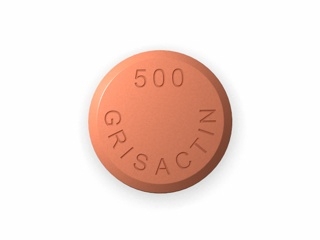
Grisactin contains griseofulvin, an antifungal medicine used to treat certain fungal infections of the skin, scalp and nails. This guide explains how it works, how to take it, key safety information, and practical tips to help you use it effectively in the United Kingdom.
Always follow the instructions provided with your medicine and consult a healthcare professional if you have questions—especially if you are pregnant, breastfeeding, have liver disease, take other medicines, or are treating children.
1. Basic product information
- Active ingredient: Griseofulvin
- Brand name: Grisactin
- Type of medicine: Antifungal (systemic), taken by mouth
- Common uses: Dermatophyte (ringworm) infections affecting skin, scalp and/or nails
- Available forms: Oral formulation(s) depending on product supply in the UK
Your pack may specify exact strengths and directions. Because formulations can vary, check your specific product label.
2. How Grisactin works (mechanism of action)
Griseofulvin works against dermatophytes—fungi such as Trichophyton and Microsporum that cause ringworm (tinea) and other related infections. It does this by interfering with the fungal cells’ ability to divide and grow.
In simple terms, griseofulvin helps stop fungal growth by binding to fungal structures involved in cell division. It also accumulates in the developing skin, hair and nails, making these tissues less favourable for fungal invasion.
Why improvement takes time
Skin and scalp often improve relatively quickly once the fungus is controlled, but nail infections may take months to clear because nails grow slowly.
3. Pharmacokinetics (what the body does to the medicine)
Pharmacokinetics describes how the medicine is absorbed, distributed, metabolised and eliminated. Understanding this can help you take it correctly.
- Absorption: Griseofulvin absorption can be improved when taken with food (particularly fatty meals), depending on the formulation.
- Distribution: It can reach the tissues affected by fungal growth, including skin, hair and nails.
- Metabolism: It is processed by the liver.
- Elimination: It is cleared from the body via metabolic pathways and excretion.
Because the medicine is handled by the liver, it is important to use it as directed and to seek advice if you develop signs of liver problems (see safety section).
4. Typical use in the UK (indications)
Grisactin is used for dermatophyte fungal infections. It is often chosen when infection is more extensive, recurrent, involves the scalp, or affects the nails (onychomycosis) where local treatments may be insufficient.
Common indications may include
- Tinea corporis (ringworm of the body)
- Tinea capitis (ringworm of the scalp)
- Tinea pedis (athlete’s foot) in selected situations
- Tinea manuum (hand fungal infection) in selected situations
- Onychomycosis (fungal nail infection) due to dermatophytes in selected situations
- Other dermatophyte infections under clinical assessment
Not all fungal infections respond to griseofulvin. It is not generally used for infections caused by yeasts (e.g., some cases of candidiasis) or for all types of athlete’s foot—diagnosis matters.
5. Timing and how to take Grisactin
When to start
Start taking Grisactin exactly as advised for your condition. If you are switching from a topical-only approach, your clinician may recommend how long to continue both treatments.
How often
Dosing frequency depends on the strength and your clinical situation. Follow the schedule on your pack or instructions you were given.
How long to take
Treatment duration depends on the site of infection:
- Skin infections: often improve within weeks, but complete clearance may take longer.
- Scalp infections: may require a longer course due to infection within hair follicles.
- Nail infections: can take many months because the nail must regrow.
Even if you feel better, stopping early can allow the fungus to return. Complete the full course unless advised otherwise by a healthcare professional.
Food timing (important)
Griseofulvin absorption can be enhanced by taking it with food, particularly meals containing fat. Taking it with a meal may improve effectiveness and reduce the chance of treatment failure.
- Take your dose with or immediately after food unless your product instructions say otherwise.
- Try to take it at the same time each day to keep levels steady.
6. Food interactions and dietary considerations
The main dietary consideration for griseofulvin is meal-related absorption. Some people may experience stomach discomfort; taking the medicine with food can help.
Practical tips
- Choose a consistent meal routine so your body absorbs the medicine reliably.
- If you have nausea, a light meal may help, but avoid an empty stomach.
- Avoid sudden changes in diet without discussing with a pharmacist/doctor if you have experienced poor response.
7. Alcohol and medicine interactions
Alcohol
Griseofulvin is metabolised by the liver, so heavy alcohol intake may increase the risk of liver stress. It is sensible to limit or avoid alcohol while taking Grisactin—especially if you have liver disease or abnormal liver blood tests.
Medicine interactions (examples)
Griseofulvin can interact with other medicines. Interactions can affect either side’s levels, potentially changing effectiveness or increasing side effects. Because interaction risk depends on your exact regimen, it is important to check with a pharmacist or clinician.
Common categories to discuss include:
- Warfarin and other medicines that affect blood clotting
- Oral contraceptives (hormone treatments): some antifungals can reduce effectiveness; seek advice on reliable contraception
- Other medicines metabolised by the liver
- Medicines that also affect the gut/liver (the full list depends on your medication profile)
Bring a list of your medicines to your pharmacist and include: prescription medicines, over-the-counter products, herbal remedies, and vitamin supplements.
8. Dosing (general guidance)
Only your prescribed dose is correct for you. Doses vary by age, weight, infection site and severity, and the exact product strength/formulation. Use the information in your pack or follow your healthcare professional’s instructions.
How dosing is usually determined
- Adults: dose may be fixed or weight/response based depending on local guidance and product.
- Children: dose often depends on body weight and age.
- Infection type: skin, scalp and nail infections may need different durations and dosing strategies.
What to do if you miss a dose
- Take it as soon as you remember if it’s close to the next dose, unless your instructions say otherwise.
- If it’s nearly time for the next dose, skip the missed dose and take the next one at the usual time.
- Do not take double to make up for a missed dose.
If you are unsure, ask a pharmacist for advice tailored to your schedule.
9. Safety profile (side effects and when to seek help)
Like all medicines, Grisactin can cause side effects. Many are mild and improve with time, but some require prompt medical attention.
Common or mild side effects
- Stomach upset, nausea, abdominal discomfort
- Headache
- Skin sensitivity or rash (varies by person)
- Temporary taste changes or fatigue
Taking the medicine with food may help reduce stomach-related effects.
Serious side effects (seek urgent medical advice)
Contact a healthcare professional urgently or seek emergency help if you develop signs of a serious reaction, such as:
- Signs of liver problems (e.g., yellowing of the skin/eyes, dark urine, severe fatigue, persistent right-sided abdominal pain)
- Severe allergic reaction (e.g., swelling of the face/lips, difficulty breathing, widespread hives)
- Severe rash or rash with blistering/peeling of skin
- Unexplained bruising or bleeding
- Severe dizziness, fainting, or worsening symptoms
Before starting: who should take extra care
- Liver disease or previous abnormal liver tests
- Pregnancy or plans to conceive (discuss risks/benefits with a healthcare professional)
- Breastfeeding (seek advice before use)
- Children (use only if appropriate and dosed correctly)
- People taking multiple medicines due to interaction risk
10. Practical use tips for best results
Complete the course
Antifungal treatment often needs a sustained course. Stopping early can lead to relapse. Follow the full plan you were given.
Supportive hygiene and infection control
- Keep the affected area clean and dry.
- Wash hands after touching the infected skin.
- Change towels and clothing regularly.
- Avoid sharing personal items (towels, brushes, socks).
- For scalp infections, follow any additional hair/scalp instructions given by your clinician.
Nails: be patient and protect regrowth
- Trim nails if advised and keep them clean.
- Allow nails to regrow—appearance may lag behind the infection control.
- Avoid trauma to nails as much as possible.
Don’t rely on “symptoms alone”
Ringworm-like rashes can sometimes mimic other conditions. If you do not improve as expected, seek reassessment rather than continuing indefinitely.
11. Alternatives to Grisactin
The best alternative depends on the location and severity of the fungal infection, the likely fungus type, age, and other medical conditions. In the UK, clinicians commonly choose between systemic and topical antifungals.
Possible alternative antifungal options (examples)
- Terbinafine (systemic; often used for dermatophyte infections)
- Itraconazole (systemic; sometimes used for nail/scalp infections)
- Fluconazole (systemic; more targeted to certain fungal types)
- Topical antifungals (e.g., creams/solutions for skin; suitable for some localized cases)
Your clinician will consider drug interactions, liver function risk, and expected treatment duration when selecting the most appropriate option.
12. Market and legal context in the United Kingdom (UK)
In the UK, the availability and classification of medicines can vary by product type and strength. Grisactin containing griseofulvin is an established antifungal medicine used for fungal infections in accordance with UK clinical practice.
Pharmacy and online medicine supply is regulated to ensure that patients receive safe, appropriate products and correct information. If you are buying online, ensure you are using a legitimate pharmacy website and that the medicine you receive matches the product described on the listing.
Recent guidance (high-level)
UK antifungal guidance tends to emphasise:
- Confirming the diagnosis where possible (especially for scalp and nail infections).
- Choosing treatment based on infection site, suspected organism and severity.
- Considering liver safety and drug interactions for systemic therapy.
- Using adjunctive measures (topical therapy/hygiene) when appropriate.
If you have recurring infections or uncertain diagnosis, it’s beneficial to seek clinical assessment to ensure you receive the most effective approach.
13. Delivery and availability (online pharmacy)
Availability of Grisactin may vary over time depending on UK supply. If you order from a reputable UK online pharmacy:
- Delivery options: typically include standard and express delivery depending on the provider.
- Packaging: the medicine is usually delivered in secure protective packaging.
- Stock updates: online pharmacies often show live availability; if out of stock, options may include substitution (where permitted) or notification.
Storage: follow the instructions on the outer carton. Keep medicines out of sight and reach of children, and store at the recommended temperature.
14. Frequently Asked Questions (FAQ)
How quickly will Grisactin start working?
Many skin infections begin to improve within a few weeks, but complete clearance can take longer. Scalp infections may take longer due to involvement of hair follicles. Nail infections often take months because nails grow slowly.
Can I take Grisactin without food?
It’s usually recommended to take griseofulvin with food to improve absorption and reduce stomach upset. Always check your pack instructions if they differ from general advice.
What should I do if the rash returns after finishing treatment?
Relapse can happen if treatment is stopped early, if the fungus is not fully eradicated, or if diagnosis is incorrect. Seek advice for confirmation and an appropriate next step.
Is Grisactin suitable for children?
Griseofulvin can be used in children for appropriate dermatophyte infections, but dosing must be correct for the child’s weight and age. Discuss suitability with a healthcare professional and use the correct formulation and strength.
Can I drink alcohol while taking Grisactin?
It is sensible to limit alcohol while taking griseofulvin, since it is metabolised by the liver. Avoid heavy drinking and seek medical advice if you have liver conditions.
Are there any contraceptive considerations?
Some antifungal medicines can interact with hormonal contraceptives. If you use oral contraception, discuss reliable contraception options with a pharmacist or clinician.
What if I miss a dose?
Take it when you remember if it’s close to the next dose, otherwise skip and take your next dose at the usual time. Do not take double doses.
Do I need liver blood tests?
Your healthcare professional may advise monitoring in some situations, particularly if you have risk factors or are taking treatment for longer periods. Follow the monitoring plan given to you.
Can I use topical treatments alongside Grisactin?
Sometimes topical therapy is used as an adjunct (for example, to treat surrounding skin). If you use creams or washes, ask your pharmacist about how to combine them safely.
How should I store Grisactin?
Store according to the instructions on the pack. Keep the medicine in its original container, away from heat and moisture, and out of reach of children.
15. Summary
Grisactin (griseofulvin) is an oral antifungal used to treat certain dermatophyte fungal infections, including infections of the skin, scalp and nails. It works by stopping fungal growth and by building up in the tissues as they renew. Because results—especially for nails—take time, complete the full course as directed.
Take Grisactin with food, limit or avoid alcohol, and check for possible drug interactions. If you develop signs of liver problems, a severe allergic reaction, or a severe rash, seek urgent medical advice.