Betamethasone / Clotrimazole (Topical) – Patient Information (UK)
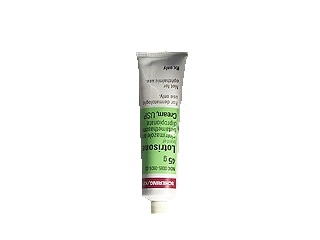
Betamethasone / Clotrimazole is a medicine used on the skin to treat certain fungal (yeast/mould) skin infections that are accompanied by inflammation, redness, itching or swelling. It combines:
- Clotrimazole – an antifungal medicine that kills or stops the growth of fungus.
- Betamethasone – a corticosteroid that reduces inflammation and helps relieve symptoms such as itching and redness.
This leaflet-style guide explains how the product works, when it’s used, how to apply it, important safety information, and practical tips. It is intended for people in the United Kingdom and reflects common NHS/community pharmacy practice. Always follow the instructions provided with your specific product.
Basic product information
| Category | Topical skin treatment (cream/ointment/gel depending on product) |
|---|---|
| Active ingredients | Betamethasone + Clotrimazole |
| Uses | Fungal skin infections with inflammation (exact suitability depends on the product and diagnosis) |
| How it works | Antifungal (clotrimazole) + anti-inflammatory (betamethasone) |
| Typical form | Cream or ointment applied to skin |
| Who it may suit | Adults and, depending on the specific strength and formulation, some children (check product guidance) |
How it works (mechanism of action)
Clotrimazole (antifungal action)
Clotrimazole works by interfering with the fungal cell’s ability to build and maintain its protective cell membrane. This disrupts fungal growth and helps the infection clear.
Betamethasone (anti-inflammatory action)
Betamethasone is a corticosteroid. It reduces inflammation by calming immune and inflammatory responses in the skin. This can quickly relieve:
- itching
- redness and irritation
- swelling and discomfort
Important note: Because the steroid component reduces redness and itching, symptoms may improve quickly even if the underlying fungal infection is not fully treated. Completing the full recommended course helps reduce relapse.
Pharmacokinetics (what happens in the body)
Topical medicines are designed to act mainly where they are applied. With betamethasone/clotrimazole, absorption through skin is typically low when used correctly.
- Skin absorption: Varies depending on skin condition (e.g., inflamed or damaged skin can absorb more), area treated, amount used, duration of treatment, and whether occlusion (covering with a dressing/plastic wrap) is used.
- Systemic exposure: Generally limited, but higher absorption may increase the risk of corticosteroid-related side effects.
- Metabolism and elimination: Like other corticosteroids and related compounds, any absorbed portion is processed by the body and cleared mainly via normal metabolic pathways. The extent is usually small for properly used topical treatments.
If you are using it over large areas, for long periods, under occlusion, or on broken skin, absorption can increase—so follow the duration and application instructions closely.
Typical uses (indications) – what it’s for
Betamethasone/clotrimazole is used for fungal skin infections where inflammation is also present. Common examples doctors may consider include:
- Tinea (ringworm) infections when associated with marked redness and inflammation
- Fungal skin infections in areas prone to irritation (the steroid helps reduce inflammatory symptoms)
Only use where a fungal cause has been diagnosed or is strongly suspected. Corticosteroids can mask symptoms of infections and may worsen certain conditions if used incorrectly.
Do not use for
Depending on the diagnosis, betamethasone/clotrimazole may not be appropriate for:
- conditions that are not fungal
- viral skin infections (e.g., cold sores, some forms of herpes)
- untreated bacterial skin infections
- acne/rosacea-like conditions (steroid may worsen them)
- skin around the eyes unless specifically advised
If you are unsure whether the problem is fungal, a pharmacist or GP can help assess the rash.
When to apply it (timing and how often)
Follow your product label or clinician advice. In general, topical antifungal/steroid combinations are applied:
- Typically 1–2 times daily (e.g., morning and evening), depending on the product strength and your skin condition.
- For a limited course (duration varies by product and diagnosis—avoid using longer than recommended).
Practical routine:
- Wash and dry the area gently.
- Apply a thin layer to the affected area and, if advised, a small margin around it.
- Wash your hands after application (unless treating the hands).
- Do not apply to broken or oozing skin unless instructed.
Continue for as long as directed, even if symptoms improve early.
Food interactions
Because this is a topical skin medicine, it is not normally expected to interact with food. There are no common clinically important food interactions reported for topical betamethasone/clotrimazole.
However, if you have another condition requiring specific dietary guidance (e.g., diabetes or immune issues), continue to follow that plan. If absorption is high due to large-area use or occlusion, systemic steroid effects become more possible—then your overall health status matters.
Alcohol and medicine interactions
Alcohol
There is no widely recognised direct interaction between topical betamethasone/clotrimazole and alcohol.
If you notice flushing, irritation, or symptom flare-ups after drinking, consider whether the underlying condition is inflammatory and seek advice.
Medicine interactions
For topical use, systemic interactions are usually unlikely because blood levels are typically low. That said, interactions may become more relevant if:
- large areas are treated
- the treatment is used for long periods
- it is used under occlusion
- skin is very inflamed or damaged
If you are taking other medicines that affect the immune system (for example, certain immunosuppressants), speak to a pharmacist or GP—especially if you are treating extensive areas.
Also, avoid using multiple steroid or antifungal products together on the same area unless advised, as this can complicate treatment and increase side effects.
Dosing guidance (how much to use)
Apply a thin layer to the affected area. Amounts vary with the size of the rash.
Typical dosing approach:
- Use enough to cover the affected skin and a small surrounding margin (as advised).
- A “thin film” is generally preferred over thick coating to reduce unnecessary absorption.
Do not exceed the recommended frequency. Using more frequently or for longer does not necessarily clear the infection faster and can increase steroid-related risks.
Safety profile and side effects
Like all medicines, betamethasone/clotrimazole can cause side effects. Many people tolerate it well when used correctly and for the recommended time.
Common local side effects
- mild burning/stinging
- skin irritation or dryness
- itching changes or temporary discomfort
Possible steroid-related skin effects (usually with prolonged use)
When corticosteroids are used on skin—especially sensitive areas, under occlusion, or for longer than recommended—risk can increase. Potential effects include:
- skin thinning (atrophy)
- stretch marks (striae)
- visible blood vessels (telangiectasia)
- perioral dermatitis or worsening of rosacea-like symptoms
- more frequent skin irritation
Allergy or hypersensitivity
Seek urgent advice if you develop signs of an allergic reaction such as:
- swelling of the face, lips, or eyelids
- breathing difficulties
- widespread rash or hives
Signs you should stop and get medical advice
Contact a healthcare professional if:
- your symptoms worsen after a short period of treatment
- the rash spreads rapidly
- there is no improvement after the typical course time recommended on your product
- new blisters, severe pain, or oozing occur
- you suspect the infection is not fungal (e.g., changes in appearance, unusually shaped rash)
Special caution groups
- Children: absorption can be higher than in adults. Use only if recommended by the product guidance and a clinician/pharmacist advises it.
- Face, groin, armpits: skin is thinner and more sensitive to steroids—risk is higher.
- Pregnancy and breastfeeding: use only if advised by a clinician; avoid large-area or prolonged use.
- Breathing difficulties or immunosuppression: seek advice if you’re at higher risk for complications.
Practical use tips (getting the best results)
Clean and dry first
Gently wash the affected area with mild soap and water, then pat dry. Applying to clean, dry skin improves contact.
Use consistently for the full course
Even if redness and itching ease, keep using the medicine for the recommended duration to clear the fungal component.
Avoid occlusion unless specifically instructed
Covering the treated area with tight dressings/plastic wrap can increase steroid absorption. If your pharmacist has advised a dressing, follow those instructions.
Do not share towels or clothing
Fungal infections can spread. Practical steps include:
- use separate towels
- wash bedding and clothing regularly
- keep the area dry (particularly in folds)
Hand hygiene
Wash your hands after application. If you treat your hands, avoid touching other body areas with the same unwashed hands.
Alternative options
Depending on the exact diagnosis and severity, clinicians may recommend different approaches, for example:
Antifungal-only treatments
- Clotrimazole antifungal cream/solution alone
- Other antifungals such as terbinafine (for certain dermatophyte infections), miconazole, or econazole (availability varies)
Anti-inflammatory without a steroid component
In some cases, moisturisers, emollients, or non-steroid anti-inflammatory approaches may be used—particularly for sensitive areas or where steroid avoidance is important.
When a different diagnosis is likely
Rashes that look fungal may sometimes be eczema, psoriasis, contact dermatitis, or bacterial infection. If treatment doesn’t help, a reassessment may be needed. In such cases, different medicines (e.g., emollients, antihistamines, antibiotics, or targeted antifungals) may be appropriate.
Tip: If you’ve had repeated “fungal” episodes, it may be worth discussing prevention and confirmation of diagnosis with a pharmacist or GP.
Market and legal context in the UK (what to expect)
Medicines in the UK are classified based on legal status and supply conditions. Availability may vary by:
- strength and formulation
- whether the product is available via community pharmacies, behind-the-counter routes, or requires clinical oversight
- local supply arrangements and guidance
For topical steroid/antifungal combinations, UK practice typically emphasises correct diagnosis, short-term use, and patient education—because inappropriate steroid use can mask infections and delay correct treatment.
Pharmacies also follow relevant UK pharmacy standards, including safe dispensing processes, assessment of symptoms, screening for contraindications, and advising when to seek medical help.
Recent guidance (general themes)
While exact guidance can vary by organisation and updates over time, UK dermatology/primary care and pharmacy guidance commonly reinforces:
- use corticosteroid-containing products only when appropriate and for the shortest effective duration
- avoid steroid use if diagnosis is uncertain, especially for face/groin
- encourage reassessment if there is no improvement after a short course
- consider fungal confirmation if recurrent or atypical rashes occur
Delivery and availability (UK)
Availability can vary by brand and pack size. Many pharmacies and online retailers in the UK list topical antifungal/steroid combinations for dispatch across the UK.
- Delivery times: commonly depend on the courier service and your location.
- Packaging: medicines are typically dispatched in protective packaging to reduce damage in transit.
- Stock status: some products may be seasonal or affected by supply; check availability at checkout.
Storage: keep the product in a cool, dry place, and follow the storage instructions on the outer packaging. Do not use after the expiry date.
Frequently Asked Questions (FAQ)
1) How quickly should I see improvement?
Many people notice reduced itching and redness within a few days because the steroid component works quickly. However, fungal clearance can take longer. If there is no improvement within the time stated on your product (or symptoms worsen), contact a pharmacist or GP for advice.
2) Can I use it on my face or in the groin?
These areas are sensitive to steroids. Use on the face, groin, or underarms should be approached carefully and only if the product and your situation indicate it is suitable. If your product instructions advise against these areas, do not use there.
3) Should I stop when the skin looks normal?
Usually, no. Stop when the recommended course is complete, not when the rash first appears to clear. Stopping early can allow the fungus to return.
4) What if the rash comes back?
Recurrent rash may be due to incomplete clearance, reinfection, or a different underlying cause (e.g., eczema or dermatitis). If you repeatedly need treatment, ask a healthcare professional to confirm the diagnosis and discuss prevention.
5) Is it safe to use with other creams?
You can generally use moisturisers on surrounding skin, but avoid layering multiple medicated products on the same area unless you’ve been advised to. If you are using other topical treatments, tell your pharmacist so they can check for suitability.
6) Can I cover the area with a dressing?
Avoid occlusion (airtight or tightly covered layers) unless instructed. Occlusion can increase absorption and the risk of steroid side effects.
7) What should I do if I accidentally get it in my eyes?
Rinse with water immediately and thoroughly. If irritation persists, seek medical advice.
8) Is it safe to use if I have broken skin?
Use on broken or oozing skin may increase absorption and irritation. Check product instructions and seek pharmacy advice if the skin is not intact.
9) Can I drink alcohol while using this medicine?
Alcohol is not known to have a direct interaction with topical betamethasone/clotrimazole. However, if you notice worsening inflammation, avoid triggers and consult a healthcare professional.
10) When should I seek urgent help?
Get urgent medical advice if you develop severe swelling, breathing difficulties, widespread rash/hives, or signs of a serious skin infection (rapidly spreading redness, severe pain, fever, or pus).
Summary
Betamethasone / Clotrimazole combines an antifungal (clotrimazole) with an anti-inflammatory corticosteroid (betamethasone). It is used for certain fungal skin infections where inflammation causes redness, itching and irritation. Apply a thin layer to clean, dry skin, typically 1–2 times daily, and complete the recommended course. Avoid prolonged use and occlusion to reduce steroid-related risks, and consult a pharmacist or GP if symptoms worsen or do not improve.