
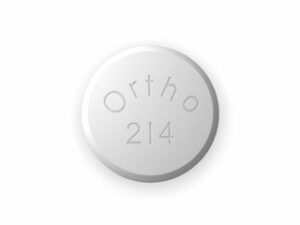
Fluconazole – Antifungal Medicine (UK)
Fluconazole is an antifungal medicine used to treat infections caused by yeast and other susceptible fungi. It is commonly prescribed in the UK for conditions such as thrush (oral and vaginal) and fungal infections affecting the skin or mucous membranes. Fluconazole can be taken by mouth and is available in different strengths and formulations depending on the product.
This guide explains how fluconazole works, how it is typically taken, common uses, important safety information, interactions (including alcohol and other medicines), and practical tips to help you use it correctly. It also includes UK-specific notes on availability and current healthcare context.
Basic product information
| Item | Details |
|---|---|
| Generic name | Fluconazole |
| Medicine type | Systemic antifungal (triazole) |
| Common forms | Oral capsules/tablets and oral solutions (varies by brand) |
| Typical way it’s taken | Swallowed with water; timing depends on the condition |
| Common targets | Yeasts such as Candida (and some other fungi) |
| Key benefit | Helps clear fungal infection by blocking fungal growth |
How fluconazole works (mechanism of action)
Fluconazole is a triazole antifungal. It works by interfering with the production of ergosterol, a critical component of fungal cell membranes. Specifically, fluconazole inhibits an enzyme called lanosterol 14-α-demethylase, leading to:
- Reduced fungal cell membrane stability
- Impaired fungal growth and replication
- Gradual clearing of the infection when taken correctly
Importantly, fluconazole targets fungal processes. It does not treat infections caused by bacteria or viruses.
Pharmacokinetics (how the body handles it)
Pharmacokinetics describes how fluconazole is absorbed, distributed, metabolised, and eliminated. Understanding this helps explain why dosing schedules can be straightforward.
Absorption
Fluconazole is absorbed from the gut and generally achieves good availability when taken by mouth. Absorption is not significantly affected by food for most people.
Distribution
After absorption, fluconazole distributes into body fluids and tissues. It may reach areas involved in mucosal infections (e.g., oral thrush) and other sites depending on the condition being treated.
Metabolism
Fluconazole is metabolised in the liver to some extent. Because it can interact with other medicines through liver enzyme pathways, careful attention to interactions is important.
Elimination and half-life
Fluconazole is cleared mainly through the kidneys. It has a relatively long elimination half-life, which is one reason why many regimens involve once-daily dosing or single-dose approaches for certain types of yeast infections.
Typical uses and indications (what it’s used for)
Fluconazole is used to treat certain fungal infections, particularly those caused by Candida. Uses may include:
Common indications
- Vaginal candidiasis (vaginal thrush)
- Oropharyngeal candidiasis (oral thrush)
- Candidal infections in other mucosal areas, as determined by a clinician
- Systemic candidiasis in selected situations (more specialist care)
- Certain fungal infections of the skin or other areas where fluconazole is appropriate
The exact suitability depends on the diagnosis, the severity of infection, and your medical history. If symptoms do not improve as expected, it’s important to seek advice promptly.
Who should be careful or ask for extra advice
Fluconazole may not be appropriate for everyone. Speak with a healthcare professional or pharmacist if any of the following apply:
- History of liver problems or abnormal liver blood tests
- Current medicines that have known interaction risks (see interactions section)
- Known kidney impairment
- Known or suspected heart rhythm problems or low potassium/magnesium
- Pregnancy or breastfeeding considerations (important to discuss based on your situation)
- Allergy to fluconazole or related antifungals
Dosing – typical patterns and timing
Fluconazole dosing depends on the type of infection, severity, and sometimes other factors such as immune status and kidney function. Below are common dosing approaches used in practice; follow the dosing instructions provided with your specific product.
General dosing approaches (examples)
- Vaginal thrush (uncomplicated): often treated with a single dose regimen or short course, depending on the product and clinical advice.
- Oral thrush: commonly treated with once-daily dosing for a number of days, with improvement often noticed within several days.
- More extensive or recurrent infections: may require longer treatment courses and careful follow-up.
Because dosing varies, the safest approach is to use the exact dose and duration recommended for your condition. Taking too little may reduce effectiveness; stopping too early may allow the infection to return.
Timing tips
- Try to take it at the same time each day (if your regimen is once daily).
- If you miss a dose, take it when you remember unless it’s close to the next dose. Do not double up.
- Finish the course unless advised otherwise by a clinician. Even if symptoms improve, the infection may not be fully cleared.
Food interactions (can you take fluconazole with meals?)
Fluconazole is generally not significantly affected by food. This means you can usually take it with or without meals. If you find that nausea occurs, taking it with food may help (unless your product guidance advises otherwise).
Despite minimal food interaction, it’s still a good idea to follow the instructions on the specific medicine packaging.
Alcohol and medicine interactions
Alcohol
Moderate alcohol intake may not be strictly prohibited for everyone, but caution is sensible because:
- Both alcohol and fluconazole may affect the body in ways that can be harder for the liver to handle in some people.
- Some patients experience side effects such as dizziness or stomach upset; alcohol could worsen these.
If you have liver disease, a history of hepatitis, or abnormal liver blood tests, it’s particularly important to avoid or limit alcohol and seek advice.
Important medicine interactions
Fluconazole can interact with many medicines because it can influence certain liver enzymes responsible for drug metabolism. Some interactions can significantly increase or decrease medicine levels, or affect heart rhythm.
Tell your pharmacist or clinician if you take any of the following categories:
- Other medicines for abnormal heart rhythm or that can affect the QT interval
- Warfarin and other anticoagulants (risk of bleeding due to increased anticoagulant effect)
- Some antiepileptics (e.g., phenytoin or carbamazepine) or other long-term medicines
- Oral hypoglycaemics (e.g., sulfonylureas) used for diabetes
- Statins (some can have increased risk of side effects when metabolism changes)
- Immunosuppressants (e.g., tacrolimus or ciclosporin in certain settings)
- Antiretrovirals for HIV and other specialised medicines
- Rifampicin or rifabutin (can affect antifungal levels)
- Hydrochlorothiazide or other medicines that may influence electrolytes (relevant if QT risk exists)
This list is not exhaustive. Always check your medicine’s leaflet and seek advice if you are unsure. If you start fluconazole while already on another long-term medicine, re-check potential interactions promptly.
Safety profile – common side effects and when to seek help
Most people tolerate fluconazole well. However, as with all medicines, side effects can occur. Below is a patient-friendly overview. Always refer to the leaflet that comes with your product for full details.
Common side effects
- Headache
- Nausea or feeling sick
- Stomach pain or discomfort
- Diarrhoea
- Rash or mild skin reactions (uncommon but reported)
- Dizziness in some people
Serious side effects – seek urgent medical advice
Contact urgent care or seek immediate medical attention if you develop signs that may indicate a serious reaction, such as:
- Allergic reaction: swelling of the face/lips, difficulty breathing, severe skin rash or blistering
- Liver problems: yellowing of the skin or eyes (jaundice), dark urine, severe fatigue, persistent nausea/vomiting, or right upper abdominal pain
- Heart rhythm symptoms: fainting, severe dizziness, or palpitations—especially if you have a history of rhythm disturbances
- Severe skin reactions: widespread rash, peeling skin, sores in the mouth or eyes
Special safety notes
- Pregnancy and breastfeeding: suitability depends on your situation and infection type. Discuss with a healthcare professional for the safest choice.
- Long courses: if treatment is prolonged, your clinician may consider monitoring liver function or blood counts in some cases.
- Recurrent infections: recurrent symptoms may indicate an underlying issue that needs review (e.g., diabetes control, immune status, irritants, or reinfection).
Practical use tips (getting the best results)
Fluconazole works best when taken correctly and consistently. These tips can help improve outcomes and reduce the chance of recurrence.
Make adherence easier
- Set a daily reminder if you are taking it for several days.
- Use the full course even if symptoms improve early.
- Store safely as directed on the packaging (keep away from excess heat and moisture).
Support comfort while the medicine works
- Maintain good hygiene of the affected area using gentle, fragrance-free products where possible.
- Avoid tight, non-breathable clothing that can trap moisture.
- If using topical products alongside fluconazole, follow product guidance and confirm there are no interaction concerns.
When to expect improvement
Many people notice symptom improvement within a few days. If symptoms do not improve after the expected time, or they worsen, you should seek advice. For some conditions, follow-up testing or diagnosis refinement may be necessary.
Prevent reinfection (where relevant)
- For vaginal thrush, avoid scented washes and consider whether partners’ symptoms need assessment in recurrent cases.
- Review potential contributing factors such as uncontrolled diabetes, recent antibiotics, or immune suppression.
- Change out of damp clothing promptly (e.g., after swimming or exercise).
Alternative options for antifungal treatment
Depending on the site and cause of the infection, alternatives may include different antifungals or different routes (oral vs topical). Your pharmacist or clinician may choose an alternative based on symptom location, severity, previous responses, and interaction risks.
Common alternatives
- Topical antifungals (e.g., vaginal or skin treatments) for certain localised infections
- Other oral antifungals used for specific fungal types or situations (choice depends on the diagnosis and susceptibility)
- Supportive care and addressing triggers (e.g., managing diabetes, reviewing antibiotic use)
If fluconazole has not worked previously, it may be necessary to confirm the diagnosis and consider susceptibility or a different treatment plan.
Market and legal context in the United Kingdom
In the UK, medicines are regulated to support safe use. Antifungal treatments may be provided through different routes depending on the product: some may be available through community pharmacy or healthcare services, while others may require clinician-led assessment depending on form and indication.
UK medicines guidance and safety communications are typically published through official channels, and prescribing decisions should follow current evidence and local protocols.
If you’re purchasing fluconazole through an online pharmacy, product availability and supply may depend on:
- Whether the product is suitable for self-care in that context
- Strength, formulation, and package size
- Eligibility and completion of required checks during ordering
- Stock availability and delivery area coverage
Recent guidance and updates (what patients should watch for)
Antifungal treatment practices and safety advice may evolve. In recent years, healthcare systems have increasingly emphasised:
- Reviewing interactions carefully due to potential liver and heart rhythm risks in susceptible individuals
- Encouraging accurate diagnosis for recurrent or persistent symptoms (so treatment matches the cause)
- Monitoring safety where longer courses are used or where patients have complex medical histories
Always check the leaflet supplied with your product and consider seeking advice if your symptoms return quickly or you are unsure whether fluconazole is the right option.
Delivery and availability (UK)
Availability can vary by strength and formulation. Many UK customers can order fluconazole online and receive it via standard or express delivery depending on the pharmacy service. Delivery timelines depend on:
- Your location within the UK
- Whether the item is in stock
- Selected delivery speed
- Any additional checks required for your order
When you place an order, you’ll typically be shown delivery options and estimated dispatch times. If you need your medicine urgently, check whether an expedited service is available.
FAQ – Fluconazole (UK)
1) What is fluconazole used for?
Fluconazole is used to treat certain fungal infections, most commonly yeast infections such as thrush caused by Candida. The exact use depends on the infection location and your clinical situation.
2) How fast will it work?
Some people notice improvement within a few days, but complete clearing may take longer. It’s important to follow the recommended dose and duration for your condition.
3) Can I take fluconazole with food?
Yes. Fluconazole can usually be taken with or without food. If you feel nauseous, taking it with food may help.
4) Can I drink alcohol while taking fluconazole?
Caution is advised. Alcohol may increase the risk of stomach upset and may place additional strain on the liver in some people. If you have liver problems or are taking other interacting medicines, avoid alcohol and seek advice.
5) Are there medicines I should not take with fluconazole?
Fluconazole can interact with several medicines, including some blood thinners (e.g., warfarin), medicines affecting heart rhythm, certain diabetes medicines, and some immunosuppressants, among others. Check your product leaflet and ask a pharmacist if you’re unsure.
6) What if I miss a dose?
If you miss a dose, take it when you remember unless it is almost time for the next dose. Do not take a double dose to make up for a missed tablet or capsule.
7) What should I do if symptoms come back?
If symptoms return soon after treatment, you may need reassessment. Recurrent symptoms can be due to reinfection, incorrect diagnosis, or underlying factors such as diabetes or immune issues.
8) Is fluconazole safe for everyone?
Not necessarily. People with liver problems, certain heart rhythm risks, significant kidney impairment, or those taking interacting medicines may need extra caution. If you have concerns, consult a healthcare professional or pharmacist.
9) Does fluconazole prevent thrush from returning?
Fluconazole treats the current infection. Preventing recurrence often requires addressing triggers such as moisture, irritants, antibiotic use, diabetes control, and immune status where relevant. Your healthcare team can advise on prevention strategies if episodes are frequent.
10) When should I seek urgent help?
Seek urgent medical advice if you develop signs of severe allergy (swelling, breathing difficulty), severe rash or blistering, symptoms suggesting liver injury (yellow skin/eyes, dark urine), or fainting/severe dizziness/palpitations.
Quick checklist before you start
- Confirm the medicine and strength match what you intended to take.
- Check you know your dosing schedule and duration.
- Review your current medicines for potential interactions.
- Consider alcohol carefully, especially if you have liver concerns.
- Plan reminders if taking it daily.
- If symptoms worsen or do not improve, seek advice.
Always read the patient information leaflet supplied with your specific product and follow the instructions provided. If you have any questions about fluconazole or whether it is appropriate for your symptoms, contact a qualified healthcare professional or your local pharmacy.