
Clotrimazole: Antifungal Medicine (UK Patient Guide)
Clotrimazole is a widely used antifungal medicine for treating fungal infections of the skin and, in some forms, certain mouth/throat and genital infections. It works by stopping fungi from growing and spreading, helping the skin and tissues return to normal.
This guide explains what clotrimazole is, how it works, when and how to use it, common side effects, important safety information, and practical tips to help your treatment work effectively in the UK.
1) Basic product information
| Feature | Typical details (may vary by brand/form) |
|---|---|
| Generic name | Clotrimazole |
| What it treats | Fungal infections (e.g., athlete’s foot, ringworm, tinea, thrush depending on form) |
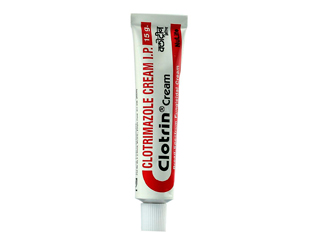
| Common forms in the UK | Cream, ointment, solution/solution for skin, pessaries (vaginal), lozenges/tablets (oral) |
| Strengths | Commonly 1% cream or similar skin strengths; specific strengths differ by product |
| How it is used | Applied to affected areas (skin), inserted (vaginal pessaries), or used in the mouth/throat (oral forms) |
| Prescription status | Many clotrimazole products are available to buy from pharmacies and shops; some formulations may be pharmacy-only depending on strength and route. |
2) How clotrimazole works (mechanism of action)
Clotrimazole belongs to a group of antifungals known as imidazoles. It targets a key fungal process: the production of a substance called ergosterol, which helps maintain the fungal cell membrane.
- Clotrimazole interferes with ergosterol formation.
- This weakens the fungal cell membrane, leading to slowing of growth and, at sufficient concentrations, death of the fungus.
In practical terms, clotrimazole helps reduce symptoms such as itching, redness, scaling, and soreness—though full clearing can take longer than the first improvement.
3) Pharmacokinetics (how the body handles it)
“Pharmacokinetics” describes what happens after clotrimazole is used. The exact pattern depends on the form used (skin cream vs vaginal vs oral).
- Skin use: Only a small amount is typically absorbed through intact skin. Absorption tends to be greater if the skin is inflamed, damaged, or covered by occlusive dressings (covering tightly).
- Vaginal use: Some absorption may occur through mucosal tissue. Systemic absorption is generally limited compared with medicines taken by mouth.
- Oral/throat forms: Absorption is generally modest, with most effects aimed locally in the mouth and throat.
- Metabolism and elimination: When absorbed, clotrimazole is metabolised mainly in the liver and eliminated primarily via bile/feces (and to a lesser extent through urine), depending on the route and individual factors.
Because absorption is usually limited for topical products, systemic side effects are uncommon. Still, it’s important to use the correct amount and continue for the recommended course length.
4) Typical uses in the UK
Clotrimazole is used to treat infections caused by fungi such as tinea species (dermatophytes) and yeasts, including Candida (depending on the location and product form).
Common skin conditions (cream/solution)
- Athlete’s foot (tinea pedis): itching, peeling, cracking, or redness—often between the toes.
- Ringworm (tinea corporis): circular rash, scaly edges, and possible itch.
- Jock itch (tinea cruris): fungal rash in the groin area.
- Skin candidiasis: yeast-related redness and irritation, often in moist skin folds.
- Other dermatophyte/yeast infections in areas where clotrimazole is indicated for that product.
Genital and vaginal conditions (vaginal pessaries/cream products)
- Vaginal thrush (vulvovaginal candidiasis) where appropriate for the specific product.
Oral thrush (mouth/throat lozenges or similar oral forms)
- Oral candidiasis (thrush) where indicated for the product formulation.
If you are unsure what type of infection you have, check the product leaflet or consult a pharmacist. Some skin rashes can resemble fungal infections but have different causes (e.g., eczema, psoriasis, bacterial infection).
5) When to use it: timing and course length
Clotrimazole is usually applied once or twice daily depending on the product strength and area treated. Many regimens recommend continuing for at least 2–4 weeks for skin infections, though some products have shorter schedules. Always follow the specific instructions in your package leaflet.
General timing principles
- Start early: Using clotrimazole at the first signs of a fungal infection can reduce the duration and severity.
- Keep going even if symptoms improve: Symptoms may settle before the fungus is fully cleared.
- Complete the course: Stopping early increases the risk of recurrence.
Can you use it after symptoms improve?
Yes—often you should continue for the full recommended period even if the rash looks better. This helps prevent relapse.
6) Food interactions
For most topical clotrimazole products (skin creams/solutions and many vaginal products), food interactions are unlikely because very little is absorbed into the bloodstream.
If you are using an oral clotrimazole formulation (e.g., for mouth/thrush), the leaflet may advise specific timing around meals. For general guidance:
- If it is a product used in the mouth (lozenge/tablet), try to avoid eating and drinking immediately after dosing when practical (unless the leaflet advises otherwise), to allow the medicine time to act locally.
- Maintain good oral hygiene, and follow any instructions for rinsing or applying before/after meals.
If you’re taking other medicines, it’s still wise to check your product leaflet or ask a pharmacist for advice—especially if you have other health conditions.
7) Alcohol and medicine interactions
Alcohol: For topical clotrimazole products, there is generally no direct alcohol interaction. However, if you are using an oral formulation or if you develop irritation in the mouth, alcohol-containing drinks may worsen discomfort for some people.
Other medicines: Clinically significant interactions are uncommon for topical clotrimazole because systemic exposure is limited. That said, interactions can depend on the product form and your individual medication list.
- Tell your pharmacist if you take other antifungals, immunosuppressants, or medicines that affect the immune system.
- If using clotrimazole in the vagina, note that some products may advise avoiding or limiting certain intravaginal items (e.g., douches) during treatment.
If you are using multiple treatments (for example, a cream plus a separate antifungal), avoid doubling up unless advised. Overlapping products can irritate skin or cause unclear treatment schedules.
8) Indications (what clotrimazole is used for)
The exact indication depends on the product type and area of the body. In the UK, clotrimazole is commonly indicated for:
- Skin fungal infections such as athlete’s foot, ringworm, and jock itch.
- Yeast-related skin infections affecting moist areas or skin folds.
- Vaginal thrush (vulvovaginal candidiasis) for products indicated for this use.
- Oral thrush for products indicated for mouth/throat use.
If symptoms do not improve after the recommended treatment period, or if they worsen, the infection may be caused by a different organism, may not be fungal, or may require alternative treatment.
9) Dosing: how much to use and how often
Dosing depends on the product (cream vs solution vs vaginal pessary vs oral form) and the specific condition. Always follow the label instructions or leaflet for your chosen brand.
Typical dosing for skin infections (cream/solution)
Many skin products are used once or twice daily. A common approach is:
- Apply a thin layer to the affected area and a small margin around it.
- Wash and dry the area before application.
- Continue treatment for the full course (often up to several weeks), even if symptoms improve early.
Typical dosing for vaginal thrush (pessaries/other vaginal forms)
Vaginal treatment regimens vary. Some involve daily insertion for several days, while others may be a shorter course depending on strength and product.
- Use the exact regimen stated on the pack.
- Continue for the full course even if symptoms settle.
Typical dosing for oral thrush (lozenges/tablets/solutions)
- Use as directed (e.g., dissolving slowly in the mouth or applying for a set number of days).
- Try not to rinse or eat immediately after dosing if this is not recommended by the leaflet.
Do not use more than recommended. If you think you have used too much or you are unsure, speak to a pharmacist for advice.
10) Practical use tips (to improve success)
Clotrimazole tends to work best when combined with basic hygiene and skin care measures. Consider the tips below:
For skin infections
- Clean and dry first: Use warm water and mild soap if needed, then dry thoroughly.
- Apply to more than the rash: Fungal patches can extend beyond visible edges.
- Wash hands after application: Prevent transfer to other body areas or to the eyes.
- Change socks/underwear regularly: Keep the area dry and reduce moisture.
- Don’t share towels: Prevent reinfection.
- Clean footwear: For athlete’s foot, rotate shoes and consider antifungal sprays/powders if recommended.
- Be patient: Itching may improve sooner than the skin appearance. Continue full course.
For vaginal thrush (if using intravaginal clotrimazole)
- Use the product at the times recommended for your pack (often at night).
- Expect possible mild local irritation or discharge depending on the product form.
- Avoid using vaginal douches or perfumed washes during treatment unless your pharmacist advises otherwise.
For oral thrush
- Maintain gentle oral hygiene (brush teeth/dentures as appropriate).
- If you wear dentures, clean them regularly.
- Avoid alcohol-containing mouthwashes if they worsen irritation.
11) Safety profile: common and serious side effects
Clotrimazole is generally well tolerated when used as directed. Most effects are local and mild.
Common side effects
- Mild burning or stinging at the application site
- Redness or irritation
- Itching or mild discomfort
- For intravaginal products: possible local irritation and changes in discharge
- For oral products: possible local taste changes or mouth irritation
Less common but important concerns
- Allergic reaction (rare): signs may include significant swelling, widespread rash, hives, or difficulty breathing.
- Severe irritation or worsening symptoms after starting treatment.
When to stop and seek advice urgently
Seek urgent medical advice (or emergency services if severe) if you develop symptoms of a serious allergic reaction, such as:
- trouble breathing
- swelling of the face, lips, tongue, or throat
- rapidly spreading rash
12) Safety in special groups (UK considerations)
Children
Use in children depends on the specific product and age restrictions stated in the leaflet. Ask a pharmacist if you are treating a child, especially if the infection is extensive or recurrent.
Pregnancy and breastfeeding
Topical clotrimazole is commonly used in pregnancy and breastfeeding when appropriate, but you should follow the product leaflet and ask a pharmacist for guidance if you are unsure—particularly for vaginal or oral forms.
Older adults
Topical clotrimazole is generally suitable for older adults, but always check the pack instructions. If you have other medical conditions or take multiple medicines, consult a pharmacist.
13) What to expect: improvement timeline
Many people notice some improvement within 3–7 days (less itching, less redness), but visible clearing may take longer.
- Skin infections: continuing for the full recommended course is crucial.
- Vaginal thrush/oral thrush: symptoms can improve quickly, but incomplete courses may lead to recurrence.
If there is no improvement after the recommended duration, or if the infection keeps returning, you may need reassessment, different treatment, or investigation for contributing factors (e.g., diabetes, immune problems, persistent moisture, antibiotic-related yeast overgrowth).
14) When to get further advice (UK red flags)
Consider contacting a pharmacist or GP (depending on severity) if any of the following apply:
- the area is very large or rapidly spreading
- severe pain, blistering, or pus occurs
- you have fever or feel unwell
- you’re immunocompromised
- you have recurrent infections
- the rash doesn’t improve after the course
- you suspect it could be something other than fungal infection
15) Alternative options to clotrimazole
If clotrimazole is not suitable or doesn’t work, there are other antifungal medicines and strategies depending on the infection and its severity. Alternatives commonly include:
Other topical antifungals (skin)
- Terbinafine (often used for athlete’s foot and certain dermatophyte infections; some courses are shorter)
- Miconazole (an alternative imidazole)
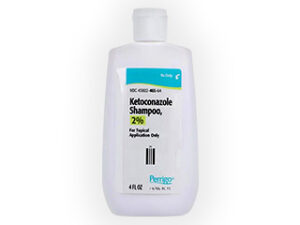
- Ketoconazole (depending on product availability and indication)
- Amorolfin (especially for nail fungal infections where indicated)
Alternative treatments (genital/oral)
- For vaginal thrush, other antifungals may be used such as different azoles or treatment regimens depending on local guidance.
- For oral thrush, clinicians may consider other antifungals if symptoms persist, especially in people with risk factors.
Your pharmacist can recommend an alternative based on your symptoms, product form you prefer, and how long you’ve had the infection.
16) Market and legal context in the UK
In the UK, clotrimazole is a well-established antifungal active ingredient. Availability can differ by product type (skin vs vaginal vs oral) and concentration. Many clotrimazole products are sold through pharmacies and sometimes wider retail channels as non-prescription or pharmacy-only products, subject to packaging, labelling, and licensing requirements.
UK medicines are regulated by the Medicines and Healthcare products Regulatory Agency (MHRA). Each product must be licensed and supplied according to its legal status and the instructions in the patient information leaflet.
17) Recent guidance and responsible use (what to consider)
UK healthcare advice generally emphasises using antifungals correctly and confirming the diagnosis when symptoms don’t improve. Key themes include:
- Antifungals treat fungal infections, but not all rashes are fungal—incorrect use may delay effective treatment.
- Complete the recommended course and avoid “treating on and off” without guidance.
- Seek reassessment if symptoms persist, recur frequently, or worsen.
In some cases, pharmacists may recommend referral to a GP or a clinician, particularly if there is uncertainty about the diagnosis, severe symptoms, or recurrent infections.
18) Delivery and availability (online pharmacy in the UK)
Clotrimazole products are commonly available through online pharmacies in the UK, including a range of strengths and forms. Availability can vary by:
- product form (cream vs pessaries vs oral lozenges)
- pack size and concentration
- your delivery address and local logistics
Delivery timelines vary between suppliers. Typical online pharmacy services provide tracked shipping and estimated delivery windows at checkout. If you need the medicine quickly, check:
- the dispatch time shown for the product
- the delivery option selected
- whether the product is currently in stock
Some products may require pharmacy review depending on the form and strength. Where applicable, you may be asked to confirm key information during the ordering process to ensure safe use.
19) Frequently Asked Questions (FAQ)
How long does it take for clotrimazole to work?
Many people notice reduced itching and redness within a few days, but complete clearance often takes longer. For skin infections, you usually need to continue for the full course stated on your pack even if symptoms improve early.
What if the rash comes back after I stop clotrimazole?
Recurrence can happen if the fungus wasn’t fully cleared, if the area remains moist, or if the diagnosis wasn’t fungal. If symptoms return quickly or keep recurring, speak to a pharmacist or GP for review. They may suggest a different antifungal or check for underlying factors.
Should I keep using it even if I feel better?
Yes. Treat fungal infections for the full recommended duration. Feeling better does not always mean the fungus is fully gone.
Can I use clotrimazole with steroid creams?
Steroid creams can reduce inflammation and itch but may also mask symptoms and potentially worsen certain fungal infections if used incorrectly. It’s best to avoid combining treatments unless you have specific advice from a pharmacist or clinician.
Is it safe to use clotrimazole during pregnancy or breastfeeding?
Clotrimazole is commonly used in pregnancy and breastfeeding when appropriate, but it depends on the form and site of infection. Check the product leaflet and ask a pharmacist if you’re unsure.
Can I drink alcohol while using clotrimazole?
For most topical clotrimazole products, alcohol doesn’t have a direct interaction. If you’re using an oral product and you find alcohol worsens mouth irritation, it may be sensible to avoid or limit alcohol until symptoms settle.
Where should I apply clotrimazole for athlete’s foot?
Apply to the affected areas, typically including between the toes and a small margin around the visible rash. Dry the area carefully beforehand and continue the full course. Keep socks and shoes clean and dry to reduce reinfection.
Can I have sex or use tampons during treatment for vaginal thrush?
Treatment instructions vary by product form. Some intravaginal antifungal products may advise avoiding sexual activity during treatment or may cause irritation. Check your leaflet. If you’re using pessaries or similar forms, ask a pharmacist about compatibility with tampons and barrier contraception.
When should I seek medical advice?
Seek advice if symptoms are severe, you develop fever, you suspect a different condition, you don’t improve within the recommended period, or you have recurrent infections—especially if you are immunocompromised.
Is clotrimazole effective against all types of fungal infections?
It is effective against many common fungal infections, but not all infections respond equally. If your symptoms do not improve, the cause may not be fungal, or you may need a different antifungal strategy.
20) Summary
Clotrimazole is an antifungal medicine used for common fungal infections of the skin, and in certain formulations for vaginal thrush or oral thrush. It works by disrupting fungal cell membrane formation, helping clear infection when used consistently and for the correct duration. Local side effects such as mild irritation are usually temporary, while serious reactions are rare.
If you’re unsure whether your symptoms are fungal, or if they don’t improve after using clotrimazole as directed, get further advice from a pharmacist or clinician.