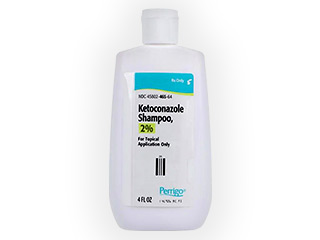
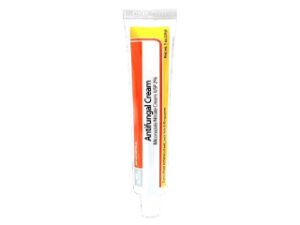
Nizoral Shampoo (Ketoconazole 2%) — Patient Information (UK)
Nizoral Shampoo 2% is an antifungal medicine used on the scalp. It contains ketoconazole 2%, which helps treat conditions caused by certain fungi—most commonly Malassezia—that can lead to dandruff and seborrhoeic dermatitis.
This page explains how Nizoral Shampoo works, how to use it safely and effectively, what to expect, and common questions. It is written for patients in the United Kingdom.
Key Product Facts
| Feature | Details |
|---|---|
| Product name | Nizoral Shampoo (Ketoconazole 2%) |
| Active ingredient | Ketoconazole 2% |
| How it is used | Apply to the scalp as a shampoo; leave for a short time, then rinse |
| Common conditions | Dandruff, seborrhoeic dermatitis (scalp) |
| Typical treatment schedule | Often used 2–3 times weekly initially; maintenance may be weekly or as advised |
| Onset | Some improvement may be seen within the first 1–2 weeks; full benefit may take longer |
| Important notes | Avoid contact with eyes; rinse thoroughly after the required contact time |
What is Ketoconazole and How Does Nizoral Shampoo Work?
Ketoconazole is an antifungal medicine. In Nizoral Shampoo, it targets fungi on the scalp. The fungi associated with dandruff and seborrhoeic dermatitis depend on certain chemical pathways to grow and survive. Ketoconazole works by:
- Inhibiting fungal cell membrane and sterol production (ergosterol-related pathways), which weakens the fungal cell structure.
- Reducing fungal growth on the scalp surface and within seborrhoeic areas.
- Helping calm inflammation linked with the overgrowth of these fungi, which can reduce itching, scaling, and greasiness.
Unlike medicines that only “wash away” flakes temporarily, ketoconazole works to treat the underlying antifungal cause.
Indications: What Nizoral Shampoo is Used For
Nizoral Shampoo 2% is commonly used for scalp conditions where fungi play a role, including:
- Dandruff (often presenting with white or yellowish flakes and sometimes mild itching).
- Seborrhoeic dermatitis of the scalp (may include greasy scaling, redness, and itch).
- Reduction of scalp fungal burden where symptoms recur despite regular hair washing.
If you have spreading rash beyond the scalp, patchy hair loss, severe pain, or crusting, you should seek medical advice, as these may be signs of a different condition.
Typical Use and How Often to Shampoo
The exact schedule can vary by the severity of symptoms and product instructions. In many NHS and UK-focused advice contexts, ketoconazole shampoos are used in a short “treatment phase” followed by a “maintenance” phase to reduce relapse.
Common approach:
- Initial treatment: usually 2–3 times per week for a few weeks.
- Maintenance: once symptoms improve, often once weekly (or as needed) to help prevent recurrence.
Consistency matters. Even if flakes reduce quickly, continue for the advised course to maximise benefit.
How to Use Nizoral Shampoo (Timing and Practical Tips)
Step-by-step instructions
- Wet your scalp thoroughly.
- Apply shampoo and gently massage into the scalp. Ensure product reaches affected areas.
- Leave on the scalp for the recommended contact time stated on the pack (commonly around 3–5 minutes for dandruff/seborrhoeic dermatitis).
- Rinse well with water.
- Wash hair and scalp normally afterwards if needed.
Timing tips
- Use on a consistent schedule (e.g., every few days) rather than only once when symptoms are bad.
- Avoid rushing the leave-on time. The antifungal effect depends on contact time.
- Do not reapply immediately after rinsing unless your instructions specifically say so.
Practical use guidance
- Protect your eyes: apply carefully and rinse hands after use.
- Scalp condition varies: if you have heavy scaling, gentle massage may help the shampoo reach the skin.
- Use mild overall hair care: harsh shampoos, heavy hair oils, or frequent dyeing may irritate the scalp and worsen flaking for some people.
- Don’t share hair items (combs, brushes) to minimise irritation and confusion with contagious scalp conditions.
Dosing (Adult and Special Considerations)
Nizoral Shampoo is applied to the scalp as a shampoo. Dosing typically refers to the frequency and contact time rather than measured quantities.
- Adults: commonly 2–3 times weekly initially, then once weekly for maintenance, or according to product instructions and symptom control.
- Children: use should follow the pack instructions and local clinical guidance. If you are buying for a child, check suitability based on age and discuss with a pharmacist if unsure.
If your symptoms do not improve after a reasonable trial (often within 2–4 weeks depending on severity), consider getting advice from a healthcare professional.
Mechanism at the Skin Level (What Happens After Application?)
Ketoconazole in the shampoo is designed to stay on the scalp long enough to act locally. The goal is to reduce the fungus responsible for symptoms without causing significant whole-body absorption.
Pharmacokinetics: Absorption and What to Expect
Pharmacokinetics describe what the body does to a medicine. With ketoconazole shampoo:
- Local action predominates: the medicine acts mainly in the scalp skin and hair-bearing areas.
- Systemic absorption is generally low when used as directed, because only small amounts are expected to pass into the bloodstream.
- Intact skin absorbs less: if the scalp is severely irritated or broken, absorption could be higher.
In most people, this low absorption means systemic side effects are unlikely when used correctly.
Food Interactions
Because Nizoral Shampoo is used on the scalp and is designed for local effect, it is not expected to interact with food in the way many oral medicines do.
However: follow the shampoo’s instructions as usual. There is typically no need to change diet when using this product.
Alcohol Interactions
No specific interaction between ketoconazole shampoo and alcohol is expected, as the medicine is applied topically and systemic absorption is low.
If you are taking other medications or have liver concerns, it is sensible to ask a pharmacist for personalised advice—especially if you have a history of adverse reactions to antifungals.
Interactions with Other Medicines
Significant drug interactions are unlikely with ketoconazole shampoo due to low systemic absorption. Still, it is worth considering:
- Topical products on the scalp: using very strong medicated scalp preparations at the same time may increase irritation. If your scalp is sensitive, avoid mixing multiple medicated products unless advised.
- Other antifungals: do not use overlapping antifungal scalp treatments simultaneously without guidance, as this may irritate skin and make it harder to judge which product is helping.
- Immunosuppressive conditions or extensive disease: if you have a weakened immune system or extensive skin involvement, seek medical advice before continuing long courses.
If you are uncertain, speak to a pharmacist—especially if you use many medicines or have a history of liver disease (rarely relevant to shampoo use but important for overall safety planning).
Safety Profile: Side Effects and When to Seek Help
Common side effects
Most people tolerate Nizoral Shampoo well. Possible effects include:
- Scalp irritation (mild redness, dryness, burning or tingling)
- Itching
- Dry hair or changes in texture
- Hair discolouration or change in feel can occur in some cases (uncommon)
- Rash or mild skin sensitivity at the application site
Less common but important reactions
Seek urgent medical advice if you develop signs of a serious allergic reaction, such as:
- Swelling of the face, lips, or throat
- Severe or rapidly worsening rash
- Breathing difficulties
When to stop and get advice
- If you experience severe burning, blistering, or worsening inflammation
- If symptoms suggest something other than dandruff/seborrhoeic dermatitis (e.g., round scaly patches with hair loss)
- If you have persistent symptoms despite correct use
Special populations
- Pregnancy and breastfeeding: because systemic absorption is low with shampoo use, it is often considered low risk when used as directed. However, always follow pack instructions and seek advice if you have concerns.
- Children: check pack guidance; if unsure, ask a pharmacist.
- Broken or very inflamed scalp: use carefully and consider seeking advice if the scalp is badly damaged.
How Long Will it Take to Work?
Response varies. Some people notice reduced flaking and itching after the first couple of applications. For others, it may take several weeks to achieve full control.
- Early improvement: often within 1–2 weeks.
- Full benefit: commonly within several weeks of consistent use.
- Maintenance matters: seborrhoeic dermatitis and dandruff frequently recur, so continuing a maintenance schedule can help prevent relapse.
Alternatives to Nizoral Shampoo (Ketoconazole 2%)
If ketoconazole doesn’t suit you or isn’t available, there are other approaches commonly used in the UK for scalp dandruff and seborrhoeic dermatitis. Options include:
- Other antifungal shampoos (for example products containing selenium sulfide or similar antifungal actives).
- Coal tar-based shampoos (may help reduce scaling and itch for some people).
- Salicylic acid shampoos (helps loosen scales; often used to improve the effectiveness of other treatments).
- Topical steroid solutions for short courses (typically used for inflammation under professional advice).
- Supportive care: gentle scalp cleansing, reducing hair oils and irritants, and regular washing.
If you try an alternative, follow the relevant product instructions and consider switching only one variable at a time where possible so you can tell what is helping.
Recent Guidance and UK Context
In the United Kingdom, dandruff and seborrhoeic dermatitis are commonly managed with a combination of:
- Regular scalp cleansing and avoidance of irritants
- Antifungal therapy for suspected fungal contribution
- Step-up care if symptoms are persistent or recurrent
Ketoconazole shampoo remains a well-established option for scalp conditions linked to Malassezia. Many clinicians recommend a short treatment phase followed by maintenance to reduce recurrence.
Product availability and eligibility can vary. Always check what is listed on the pack and on the pharmacy site.
Delivery and Availability in the United Kingdom
Nizoral Shampoo (ketoconazole 2%) is typically available through online pharmacies and some retail pharmacies, depending on current stock and local regulations.
- Availability: usually subject to retailer demand and periodic supplier restocking.
- Delivery: most online pharmacies offer standard and express delivery options within the UK; exact timelines depend on your postcode and the dispatch cut-off time.
- Packaging: medicines are commonly delivered in protective packaging to help prevent leakage and damage.
- Order tracking: many retailers provide tracking via email.
If you need it quickly, choose the fastest delivery option at checkout where available.
How to Get the Best Results (Troubleshooting)
- Not using long enough: ensure you leave the shampoo for the required minutes.
- Too infrequent: dandruff often needs repeated applications to control the fungus.
- Rinsing too quickly: rinse thoroughly after the contact time, but don’t skip the leave-on stage.
- Using harsh styling products: reduce gels, heavy oils, and strongly fragranced hair sprays if they irritate your scalp.
- Confusing diagnosis: psoriasis, eczema, or fungal infections like tinea capitis can look similar. If symptoms are atypical, seek advice.
Frequently Asked Questions (FAQ)
1) Can I use Nizoral Shampoo every day?
Usually, it is not necessary to use ketoconazole shampoo daily. Most schedules are 2–3 times weekly initially and less often once controlled. Overuse can irritate the scalp for some people. Follow the pack instructions or pharmacist advice.
2) Will Nizoral Shampoo stop dandruff permanently?
Dandruff and seborrhoeic dermatitis often improve and then come back. Many people need maintenance use (for example once weekly) to keep symptoms under control.
3) What if I miss a dose?
Use it when you remember and continue with your next planned session. Do not double up. Keep to a consistent overall frequency over time.
4) Is it safe to use with conditioner or other hair products?
You can generally use conditioner after rinsing, but try to avoid very strong or irritating products on the scalp during treatment. If your scalp is inflamed, use gentler products and separate the timing of medicated treatments where possible.
5) Can I use Nizoral Shampoo if my scalp is sore or broken?
Use caution. If your scalp is significantly broken, very inflamed, or oozing, ketoconazole shampoo may sting and absorption may increase. If you have severe symptoms, seek advice from a pharmacist or clinician.
6) Does Nizoral Shampoo affect hair colour?
Hair changes are uncommon, but some people report dryness or changes in hair texture. If you notice unexpected changes, stop use and seek advice.
7) Are there any food interactions?
No meaningful food interactions are expected with ketoconazole shampoo because it is applied to the scalp and mainly acts locally.
8) Are there alcohol interactions?
Alcohol interactions are not expected with this topical shampoo due to low systemic absorption.
9) Who should not use it or should get advice first?
People with a history of allergy to ketoconazole or any of the ingredients should avoid it. If you have persistent or unusual scalp symptoms, severe inflammation, or are using multiple medicated scalp treatments, ask a pharmacist for guidance.
10) What should I do if there is no improvement?
If you have followed the instructions consistently and symptoms do not improve after a few weeks, or they worsen, seek advice. Your condition may be different from typical dandruff/seborrhoeic dermatitis, or you may need an alternative treatment strategy.
Summary
Nizoral Shampoo (Ketoconazole 2%) is a local antifungal treatment for scalp conditions such as dandruff and seborrhoeic dermatitis. By reducing fungal growth linked to these conditions and helping reduce inflammation, it can improve flaking, itch, and scalp discomfort.
- Use 2–3 times weekly initially (or as directed), then consider maintenance to help prevent recurrence.
- Massage into the scalp and leave for the recommended contact time before rinsing.
- Expect improvement within 1–2 weeks, with full control often taking a few weeks.
- Stop and seek help if you develop significant irritation or possible allergic symptoms.
For personal advice about suitability, schedule, or interactions with other scalp treatments, speak to a pharmacist.