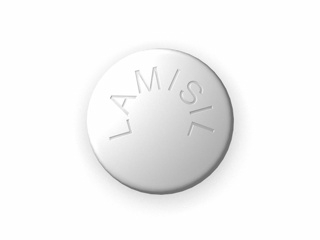
Lamisil (Terbinafine) – Patient Information (UK)
Lamisil is a well-known antifungal medicine containing terbinafine. It is used to treat a range of fungal skin infections such as athlete’s foot and fungal infections of the nails. This guide explains how terbinafine works, how it’s used, important safety information, and what to expect in the UK.
Quick facts
- Active ingredient: Terbinafine
- Medicinal forms (commonly available): cream/gel (topical), tablets (oral)
- Type of medicine: Antifungal
- Common uses: Athlete’s foot (tinea pedis), ringworm (tinea corporis), jock itch (tinea cruris), and fungal nail infections (onychomycosis)
- Key benefit: Terbinafine is fungicidal (it kills fungi) in most cases
- Typical treatment duration: Depends on site and severity (weeks for skin; often months for nails)
What is Lamisil?
Lamisil is an antifungal medicine used to treat infections caused by fungi. Fungal infections are common and may affect the skin, feet, groin, and nails. Some fungi spread easily in warm, moist environments such as swimming pools, gym floors, and communal showers.
In the UK, terbinafine products are widely available from pharmacies. Depending on the condition, you may use topical Lamisil (cream/gel) and/or oral terbinafine tablets for nail infections.
How does terbinafine work? (Mechanism of action)
Fungi need a substance called ergosterol to build and maintain their cell membranes. Terbinafine blocks an early step in the production of ergosterol by inhibiting the enzyme squalene epoxidase.
This causes fungal cells to lose integrity and function, leading to fungal cell death. Because of the way it targets fungal biology, terbinafine is generally effective against dermatophyte fungi (the common causes of “ringworm” type infections and athlete’s foot).
Pharmacokinetics (How the medicine moves through the body)
Pharmacokinetics describes how a medicine is absorbed, distributed, metabolised, and eliminated.
Topical terbinafine (cream/gel)
- Absorption: Terbinafine is absorbed through the skin, but only small amounts generally enter the bloodstream.
- Local action: The medicine concentrates in skin layers, helping clear the infection locally.
- Less systemic exposure: Compared with tablets, topical use usually produces lower overall body absorption.
Oral terbinafine (tablets)
- Absorption: Terbinafine is absorbed from the gut and reaches peak blood levels within a few hours (timing may vary by individual).
- Distribution: The medicine distributes into skin and nails, where fungal infections are treated.
- Metabolism: Terbinafine is metabolised by the liver.
- Elimination: It is eliminated mainly via urine and bile, after metabolism.
Because nail infections affect growth and keratin formation, improvement may take time even after effective treatment begins.
Typical indications (What Lamisil treats)
Lamisil is used for certain fungal infections. Common indications include:
- Athlete’s foot (tinea pedis), including between toes and on the soles
- Jock itch (tinea cruris)
- Ringworm (tinea corporis)
- Fungal nail infection (onychomycosis), particularly where dermatophytes are involved
- Other dermatophyte infections affecting the skin (depending on product and local guidance)
If your symptoms do not improve after appropriate use, or if the infection looks unusual (e.g., widespread, painful, or associated with fever), you should seek clinical advice.
Dosing and timing (How to use it)
The best regimen depends on the infection site and whether you are using topical or oral terbinafine. Always follow the instructions on the specific pack and any advice provided by your pharmacist.
Topical Lamisil (cream/gel)
For skin infections, terbinafine topical products are typically applied once or twice daily depending on product strength and the condition being treated. Treatment duration also varies.
General guidance:
- Clean and dry: Wash the affected area gently and pat dry.
- Apply thinly: Spread a thin layer over the affected skin and a small margin around it.
- Continue the full course: Even if symptoms improve quickly, finish the treatment to reduce relapse.
Typical durations (may vary by product and condition):
- Tinea pedis (athlete’s foot): commonly 1–2 weeks for many presentations, but may take longer for more persistent cases
- Tinea corporis/cruris (ringworm/jock itch): often around 1–2 weeks
- Nappy-area or other special sites: seek pharmacy/medical advice, as these areas may need tailored assessment
Oral Lamisil (tablets) for nail fungal infection
Nail infections often require longer treatment. Oral terbinafine dosing is usually given as a course measured in weeks.
Typical course length:
- Toenails: commonly treated for around 6 weeks
- Fingernails: commonly treated for around 4 weeks
Even after finishing tablets, the nail must regrow. Visible improvement may take months, especially for toenails, because nails grow slowly.
Missed dose
If you miss a dose of an oral tablet, take it when you remember unless it is close to the next scheduled dose. Do not take a double dose to make up for a missed one. If you are unsure, ask your pharmacist.
When will you notice improvement?
- Skin infections: itching and redness may start to improve within several days, but clearing usually requires completing the full course.
- Nail infections: it may take weeks to months to see healthier nail growth; the fungus may be cleared before the nail fully looks normal.
Food interactions
For oral terbinafine, food generally has minimal effect on how the medicine is absorbed. Many patients can take terbinafine tablets with or without food. However, if your stomach is sensitive, taking with food may feel more comfortable.
For best tolerability, follow the instructions on your pack or pharmacist guidance.
Alcohol and medicine interactions
Alcohol
While there is no universally required avoidance of alcohol with terbinafine, alcohol can affect the liver. Because oral terbinafine is metabolised by the liver, it is sensible to avoid heavy drinking while taking oral terbinafine and to limit alcohol according to your usual health advice.
If you drink heavily or have liver disease, discuss with a healthcare professional before using oral treatment.
Interactions with other medicines
Terbinafine can interact with some medicines. Interactions are mainly important with oral terbinafine.
Examples of potential interaction concerns include:
- Medicines affecting liver enzymes (CYP enzymes): these can change terbinafine levels.
- Some antidepressants and antipsychotics (enzyme-related interactions may occur).
- Some heart rhythm medicines (depending on the specific drug).
- Warfarin: some antifungals can affect warfarin activity; if you take warfarin, your clotting test schedule may need attention.
- Oral contraceptives and hormones: clinically relevant interactions are not always expected, but it’s important to check specific products.
Because interaction details depend on the exact medicine you use, it’s safest to tell your pharmacist about all medicines and supplements you take, including: pain relief tablets, cold/flu medicines, herbal preparations, and any skin medicines.
Safety profile and side effects
Common side effects
Side effects vary depending on the form of Lamisil you use.
- Topical use: mild skin irritation, redness, itching, burning, or peeling at the application site may occur. This is usually mild and temporary.
- Oral use: gastrointestinal upset (e.g., nausea, diarrhoea), headache, and taste disturbances can occur. Taste changes may improve after stopping.
Serious side effects – seek urgent advice
Oral terbinafine can rarely affect the liver and may cause allergic reactions. Stop using the medicine and seek urgent medical advice if you develop:
- Yellowing of the skin or eyes (jaundice)
- Dark urine, pale stools
- Unusual fatigue, severe abdominal pain, or persistent vomiting
- Rash with blistering, swelling of the face, or breathing difficulties
- Severe or worsening symptoms that concern you
Who should take extra care?
- Liver problems or a history of abnormal liver function tests
- Ongoing heavy alcohol intake
- Known hypersensitivity to terbinafine or the product ingredients
- Medicines that interact with terbinafine (especially when taking tablets)
Pregnancy and breastfeeding
If you are pregnant, planning pregnancy, or breastfeeding, discuss suitability with a pharmacist or healthcare professional. Recommendations may differ depending on the infection site and severity, and whether treatment is topical or oral.
Driving and operating machinery
Terbinafine is not generally associated with impairing driving ability. If you experience dizziness or feel unwell, avoid driving until you feel better.
Practical tips for successful treatment
Antifungal treatment often works well, but recurrence is common if the environment remains favourable for fungi. These practical steps can improve results:
For athlete’s foot and skin infections
- Keep feet dry: change socks daily (or more often if sweaty).
- Rotate footwear: allow shoes to dry fully between wears.
- Use separate towels: avoid sharing towels to prevent spread.
- Clean communal areas: disinfect shower floors if you share bathrooms.
- Don’t stop early: complete the course, even if symptoms improve quickly.
For nail fungal infection
- Trim and file the nail: gently trim to reduce thickened areas (avoid cutting too aggressively).
- Let nails grow out: improvement is gradual as healthier nail replaces affected nail.
- Foot hygiene: treat athlete’s foot at the same time if present, to reduce reinfection.
- Monitor other family members: shared environments can spread fungi.
A note about “looking like fungus”
Not all rashes and nail changes are fungal. Eczema, psoriasis, bacterial infection, or contact dermatitis can sometimes mimic fungal disease. If you have repeated failures or atypical appearance, consider a clinical assessment.
Alternative options (Other treatments you may encounter)
Depending on the exact diagnosis and severity, alternatives may include:
Other antifungal medicines
- Topical azoles (e.g., clotrimazole, miconazole): often used for skin fungal infections.
- Oral antifungals such as itraconazole or fluconazole: options for selected fungal nail cases, depending on circumstances.
- Nail-specific treatments such as antifungal nail lacquers (for certain milder nail infections): these may take longer and may be less effective for extensive nail involvement.
Non-medicine measures
- Hygiene and footwear changes to reduce reinfection.
- Moisture control (drying between toes, breathable footwear).
- Decontamination of items like socks and towels by regular washing at recommended temperatures.
The most suitable option depends on where the fungus is (skin vs nails), how much is affected, and your medical history. Your pharmacist can help you choose the most appropriate approach in the UK.
Delivery and availability in the United Kingdom
Lamisil is a widely stocked antifungal medicine in the UK. Availability may depend on the formulation (topical or tablets) and pack size. Online pharmacies typically deliver to UK addresses and may provide delivery options such as standard or express service depending on location.
What to expect from online pharmacy delivery:
- Packaging: discreet delivery and protective packaging to prevent damage.
- Times: delivery times vary by service level and carrier.
- Stock: some products may be subject to availability; substitutes may not always be identical in formulation.
- Storage: store at room temperature as indicated on the pack; keep out of reach of children.
Market and legal context in the UK
In the UK, medicines are classified based on how they are supplied, the level of risk, and the need for professional oversight. Antifungal treatments are commonly supplied through community pharmacies, and certain products may be available without the need for a clinician’s input, depending on the formulation and intended use.
Pharmacies and online providers must follow UK regulations for safe supply, including appropriate customer checks and ensuring that you receive the correct product for the condition described.
Recent guidance and practical “when to get help” advice
Treatment decisions for fungal infections generally follow established antimicrobial stewardship principles: confirm the likely diagnosis, use the correct duration, and review if there is no improvement. For nail infections, guidelines often emphasise that:
- Nail fungus can be slow to clear, so visible improvement takes time.
- Misdiagnosis is possible, so repeated non-response should prompt reassessment.
- Adherence matters—finishing the course reduces recurrence.
- Safety checks are important for oral treatment due to the liver metabolism of terbinafine.
Contact a pharmacist or clinician if you have:
- No improvement after completing the expected course for your skin condition
- Nail infection worsening despite treatment
- Severe pain, spreading redness, warmth, or swelling (possible bacterial infection)
- Underlying immune conditions or diabetes with foot problems
How to use Lamisil safely (Step-by-step)
Topical use step-by-step
- Wash your hands.
- Clean and dry the affected area.
- Apply a thin layer of cream/gel to the affected skin and surrounding border.
- Wash your hands again after applying (unless treating your hands).
- Use the medicine for the full recommended course.
- Seek advice if symptoms worsen rapidly, or if there is significant irritation.
Oral use step-by-step
- Check you have the correct strength and course duration on your pack.
- Take your tablets at the recommended time each day.
- Consider taking with food if you experience stomach upset.
- Avoid heavy alcohol intake during treatment.
- Tell your pharmacist about all other medicines you take (especially if you take warfarin or medicines that affect the liver).
- Stop and seek advice urgently if you develop signs of liver problems or severe allergic reactions.
Product information summary
| Aspect | What to know |
|---|---|
| Active ingredient | Terbinafine |
| Type | Antifungal medicine |
| Common target infections | Dermatophyte skin infections; fungal nail infections (oral) |
| How it works | Inhibits squalene epoxidase → reduces ergosterol → kills fungi |
| Onset of relief | Skin: often within days; nails: weeks to months |
| Typical treatment length | Skin: usually 1–2 weeks; nails: often 4–6 weeks tablets |
| Food effect | Generally minimal impact; may take with food for comfort |
| Alcohol considerations | Limit alcohol during oral use; avoid heavy drinking due to liver metabolism |
| Safety watch-outs | Seek urgent advice for jaundice, severe rash, breathing difficulty, or severe symptoms |
FAQ – Lamisil (Terbinafine) in the UK
1) Can I use Lamisil if it might not be fungus?
Lamisil is designed for fungal infections. If your rash or nail changes have an unclear cause (e.g., psoriasis-like plaques, eczema flare, or bacterial infection), treatment may not work and symptoms could worsen. If unsure, speak to a pharmacist for advice, especially if you have repeated episodes or no improvement.
2) How long should I use Lamisil cream/gel?
Treatment duration depends on the condition and the exact product instructions. Many skin fungal infections improve within 1–2 weeks, but it’s important to complete the course stated on your pack. If you see no improvement within the expected time, get pharmacy advice.
3) I feel better—should I stop early?
Try not to stop early. Symptoms can improve before the fungus is fully cleared. Finishing the recommended course reduces the chance of relapse.
4) Why does toenail fungus take so long to improve?
Nails grow slowly. Oral terbinafine may clear the fungus, but the affected nail must grow out. It often takes months to see a visibly healthier nail, particularly for toenails.
5) Can I drink alcohol while taking terbinafine tablets?
It’s best to limit alcohol and avoid heavy drinking during oral terbinafine because it’s processed by the liver. If you have liver problems or drink heavily, seek advice before starting treatment.
6) What medicines should I be careful about?
You should tell your pharmacist about all medicines you take. Some drugs can interact with terbinafine, and oral treatment is especially relevant. If you take warfarin or any liver-related medicines, mention this during checks.
7) What if the infection keeps coming back?
Recurrence often relates to moisture and reinfection. Improve drying habits, change socks regularly, consider breathable shoes, and treat athlete’s foot promptly. If it keeps returning despite correct use, ask a pharmacist about reassessment and alternative options.
8) Is Lamisil suitable for children?
Suitability depends on the child’s age, the condition, and the product formulation. Ask your pharmacist to confirm the correct option and dosing instructions for children.
9) When should I seek medical help urgently?
Seek urgent advice if you develop signs of liver problems (such as yellow eyes/skin or dark urine), severe allergic reactions (face swelling, breathing difficulty), or a serious widespread blistering rash.
10) Are there alternative treatments if terbinafine doesn’t work?
Yes. Alternatives include different antifungals (topical azoles or other oral antifungals) and nail lacquers for selected mild nail disease. If terbinafine isn’t effective, reassessment is helpful to confirm diagnosis and consider other options.
Important: This information is for general guidance. Always read the patient information leaflet that comes with your product and follow pack instructions. If you have concerns, a pharmacist can help you choose the most suitable approach for your condition.