Itraconazole (Antifungal) — Patient-Friendly Guide
Itraconazole is an antifungal medicine used to treat a range of fungal infections. It works by stopping fungi from making essential substances they need to survive. Because fungal infections can involve different organs and severities, itraconazole may be prescribed in different forms and dosing schedules.
This guide is designed to help you understand how itraconazole works, how it is usually taken, important interactions, and practical safety advice. Always follow the instructions given to you for your specific condition.
Basic product information
| Item | Details |
|---|---|
| Medicine name | Itraconazole |
| Medicine type | Systemic antifungal (triazole) |
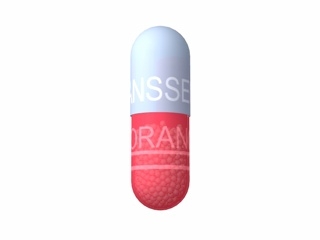
| Common dosage forms | Capsules and oral solution (formulation affects absorption and timing) |
| Who it’s for | Adults and some children, depending on indication and clinician guidance |
| Key cautions | Liver health, heart failure risk, drug–drug interactions, and absorption differences |
How itraconazole works (mechanism of action)
Itraconazole belongs to the triazole class of antifungals. It inhibits an enzyme called lanosterol 14α-demethylase (a key step in fungal cell membrane production).
By blocking this step, the fungus cannot produce ergosterol, an essential component of its cell membrane. As a result, fungal growth is slowed and infections can resolve.
Pharmacokinetics (how the body handles itraconazole)
“Pharmacokinetics” describes how itraconazole is absorbed, distributed, metabolised, and removed from the body. Understanding these points can help explain why timing, formulation, and interactions matter.
Absorption
Absorption can vary depending on the formulation (capsules versus oral solution) and on stomach acidity. In general:
- Capsules are better absorbed when taken with food.
- Oral solution may absorb better when taken on an empty stomach (often described as taken without food).
- Medicines that reduce stomach acid can reduce absorption for some itraconazole products.
Distribution
Itraconazole distributes into tissues where fungal infections may occur, including skin and mucosal sites. It may take time for tissue concentrations to build up, which is why some fungal infections require longer courses.
Metabolism
Itraconazole is metabolised primarily in the liver and interacts with other medicines by affecting liver enzymes. This is one reason it has many clinically important interactions.
Elimination
Itraconazole is eliminated more slowly than many other medicines, and its levels can persist after stopping treatment. The “tail” effect may influence interaction risk even after your last dose.
Typical uses (indications) in the UK context
Itraconazole is used to treat infections caused by susceptible fungi. The exact choice of antifungal depends on: the type of fungus, infection site, severity, patient health, and local guidance.
Common clinical indications include
- Systemic fungal infections (where fungi affect internal organs)
- Fungal infections of the skin and nails (depending on the organism and location)
- Vaginal candidiasis in selected situations where an oral option is considered
- Other invasive or less common fungal infections where itraconazole is appropriate
Note: Some fungal infections may require urgent specialist care, combination therapy, or longer courses. Your clinician will balance benefits and risks for your individual situation.
When and how to take itraconazole (timing and practical scheduling)
Timing depends strongly on whether you are using capsules or oral solution, as well as your prescribed dose. If you are unsure which formulation you have, check the pack label or ask your pharmacist.
General timing tips
- Take it at the same times each day to keep steady drug levels.
- If you miss a dose, do not double up unless told to by a healthcare professional.
- Complete the course even if you start to feel better—fungal infections may take time to clear.
Food and formulation considerations
Food and gastric acidity can influence itraconazole absorption:
- Capsules: usually taken with food to improve absorption.
- Oral solution: may be taken without food (or as directed) to improve absorption.
If you switch between capsules and oral solution, or change how you take them with meals, absorption may change. Keep your routine consistent unless instructed otherwise.
Duration of treatment
Treatment length can vary widely:
- Some skin infections may improve within weeks, but full resolution can take longer.
- Nail fungal infections often require prolonged therapy because nails grow slowly.
- Systemic infections can require extended courses and close monitoring.
Food interactions and stomach-acid effects
Itraconazole absorption depends on stomach acidity. Medicines that change stomach pH may reduce drug levels and effectiveness. Particular classes include:
- Proton pump inhibitors (PPIs) (e.g., omeprazole, lansoprazole, pantoprazole)
- H2-receptor antagonists (e.g., famotidine, cimetidine)
- Antacids (depending on timing and formulation)
- Reduced gastric acidity from other causes may also affect absorption
If you use medicines for reflux, heartburn, or ulcer symptoms, let your pharmacist know. They can advise on whether timing separation or alternative therapies are needed.
Alcohol and medicine interactions
Alcohol does not typically have a single “direct” interaction with itraconazole in the same way as some other drugs, but both alcohol and itraconazole can affect the liver.
Practical advice
- If you drink alcohol, aim for moderation.
- Avoid heavy or binge drinking while taking itraconazole, especially if you have liver disease.
- Seek medical advice promptly if you develop signs of liver problems (see safety section below).
Other medicine interactions involving metabolism
Itraconazole is a strong inhibitor of certain liver enzymes and transport systems. This can increase the levels of some other medicines, raising the risk of side effects. It can also be affected by medicines that induce liver enzymes, reducing itraconazole levels.
Because of this, it is essential to inform your healthcare professional about all medicines you use, including herbal products and supplements.
Common medicine interactions (key examples)
The list below highlights common interaction themes. This is not exhaustive. Always check with your pharmacist if you start, stop, or change any medication.
Medicines that may reduce itraconazole levels
- Rifampicin (tuberculosis medicine)
- Certain anticonvulsants (e.g., phenytoin, carbamazepine)
- Some antiviral medicines (e.g., certain HIV therapies)
- St John’s wort (herbal remedy)
Medicines whose levels may increase with itraconazole
- Some statins (cholesterol-lowering medicines)—interaction risk varies by specific statin
- Some antiarrhythmics and medicines affecting heart rhythm
- Benzodiazepines and other sedatives (depending on the specific drug)
- Some anticoagulants (risk depends on which anticoagulant)
Medications affecting the heart rhythm
When itraconazole is combined with medicines that can affect heart rhythm (QT prolongation), the risk of abnormal heart rhythm may increase. Your prescriber/pharmacist will consider your medicines carefully.
Dosing: what to expect
Itraconazole dosing depends on the indication, fungal type, severity, and your formulation. In practice, dosing may be:
- Daily regimens
- Pulse regimens (short courses followed by rest) in some nail conditions
- Adjusted courses for specific conditions or in people at higher risk
Because dosing varies, the most accurate information is the dose written on your label. If you would like, share the formulation (capsules vs oral solution) and the dose strength shown on your pack label, and we can explain how such schedules are typically used—without replacing your clinician’s instructions.
Special considerations for dosing
- Liver impairment: itraconazole should be used with caution, and monitoring may be needed.
- Heart failure: itraconazole can be a concern in people with or at risk of heart failure.
- Age: older adults may have higher interaction risk due to multiple medicines.
- Formulation differences: capsules and solution are not interchangeable on a mg-for-mg basis in all cases.
Safety profile: important warnings and side effects
Like all medicines, itraconazole can cause side effects. Many people experience mild effects and continue treatment. However, some reactions require prompt medical attention.
Seek urgent medical advice if you notice
- Symptoms of severe allergy such as swelling of the face/lips, sudden wheezing, or difficulty breathing
- Signs of liver injury including yellowing of the eyes/skin, dark urine, severe fatigue, persistent nausea/vomiting, or upper right abdominal pain
- Severe skin reactions such as blistering rash, peeling skin, or sores in the mouth
- New or worsening shortness of breath, swelling in legs/feet, or sudden weight gain (possible heart failure-related concerns)
Common or mild side effects
- Headache
- Nausea, stomach upset, abdominal discomfort
- Diarrhoea or constipation
- Rash or itching
- Temporary changes in taste
- Fatigue
If side effects are troublesome or persistent, speak to a pharmacist or prescriber.
Risk factors to discuss
- Liver disease or history of abnormal liver tests
- Heart failure or significant cardiac history
- Use of many interacting medicines
- Reduced stomach acidity medicines (PPIs/H2 blockers/antacids)
Practical use tips for best results
These strategies can help you get the most benefit from itraconazole and reduce avoidable issues:
- Use the correct formulation: confirm whether you have capsules or oral solution.
- Follow food guidance: capsules are usually taken with food; oral solution usually with different timing.
- Keep meals consistent: if you take it with food, try to keep that pattern steady.
- Check acid-reducing medicines: inform your pharmacist if you use PPIs, H2 blockers, or antacids.
- Review your full medicine list: include over-the-counter medicines and supplements.
- Be cautious with herbal products: avoid St John’s wort unless your pharmacist approves.
- Attend monitoring: if blood tests or liver checks are recommended, don’t delay.
- Don’t stop early: stopping when symptoms improve can increase relapse risk.
Alternative options (what else may be considered)
Choice of antifungal depends on the infection site, organism, severity, and patient factors. Depending on your diagnosis, alternatives may include other antifungals such as:
- Fluconazole (often used for certain yeast infections)
- Terbinafine (commonly used for dermatophyte skin/nail infections)
- Voriconazole or Posaconazole (for selected serious fungal infections)
- Amphotericin B (for certain severe infections under specialist care)
- Topical antifungals (for some skin or limited nail surface infections)
In the UK, clinicians select antifungals using local antimicrobial guidance, infection severity, and susceptibility patterns. Your pharmacist can explain why itraconazole is chosen for your specific condition.
Market and legal context for the UK
In the United Kingdom, itraconazole is regulated as a medicinal product under UK medicines law and associated guidance. Availability, formulation, and prescribing practices can vary by indication, local pathways, and product licensing.
Antifungal use in the UK is supported by clinical standards and antimicrobial stewardship principles—encouraging appropriate, targeted treatment rather than unnecessary or prolonged antifungal therapy.
Recent guidance and stewardship notes (what to keep in mind)
UK clinical practice commonly emphasises:
- Correct identification of the fungal infection where possible
- Appropriate selection of antifungal based on infection type and likely pathogens
- Monitoring for safety when risk factors exist (e.g., liver monitoring)
- Careful interaction checks, especially for patients taking multiple medicines
- Completing treatment for the recommended duration to reduce relapse
Guidance may evolve; your pharmacist can advise based on current product information and your treatment plan.
Delivery, availability, and ordering (UK)
Availability of itraconazole products can vary depending on formulation and manufacturer. When you order from an online pharmacy, your item may be supplied as:
- Capsules (various strengths)
- Oral solution (strength varies by product)
Delivery options, dispatch times, and stock status are determined by the pharmacy’s fulfilment procedures and UK postal services. If a product is temporarily out of stock, you will usually be offered alternatives where appropriate.
To ensure you receive the right product, please double-check:
- The strength listed on the pack
- The formulation (capsules versus oral solution)
- Any specific instructions on the label (e.g., with food)
FAQ — Frequently asked questions
1) Is itraconazole for yeast infections, mould infections, or both?
Itraconazole is effective against a variety of fungi, including yeasts and moulds, depending on the organism and the infection site. Your clinician selects it based on the most likely fungus and the condition being treated.
2) Should I take itraconazole with food?
It depends on the formulation. Many itraconazole capsules are taken with food to improve absorption. The oral solution often has different food guidance. Check your pack instructions and follow them carefully.
3) Can I take omeprazole or other acid-reducing medicines with itraconazole?
Acid-reducing medicines (such as PPIs and H2 blockers) can affect itraconazole absorption. Don’t start or stop these medicines without advice. Your pharmacist can help you plan timing or choose alternatives where necessary.
4) What should I do if I miss a dose?
Take it as soon as you remember unless it’s close to your next dose. In general, do not double the dose. If you’re unsure, contact a pharmacist for advice based on your schedule.
5) How long will it take to start working?
Improvement timelines depend on the infection type and location. Some symptoms may improve within days to weeks, but fungal infections can require longer treatment for complete clearance, especially for nails.
6) Can I drink alcohol while taking itraconazole?
Light to moderate alcohol may be possible for some people, but alcohol can increase strain on the liver. If you have liver issues or notice liver-related symptoms, avoid alcohol and seek advice.
7) Are there medicines I must avoid?
Certain medicines and herbal products may significantly interact with itraconazole or affect its effectiveness. Tell your pharmacist about everything you take, including OTC products and supplements.
8) What symptoms might suggest liver problems?
Contact a healthcare professional urgently if you develop yellowing of the skin/eyes, dark urine, persistent nausea or vomiting, severe tiredness, or pain in the upper abdomen—especially while taking itraconazole.
9) Does itraconazole interact with statins or blood thinners?
It can. The interaction risk depends on the specific statin or anticoagulant. Your pharmacist can check for compatibility and advise whether a dose adjustment or alternative is needed.
10) Are nail and skin infections treated the same way?
Not necessarily. Nail infections often require longer treatment due to the growth cycle of nails, and dosing schedules may differ. Skin infections may improve sooner, depending on the organism and extent.
Important reminder
Itraconazole is a powerful antifungal with clinically significant interactions and safety considerations. If you are unsure about timing, food instructions, or potential interactions, speak to a pharmacist. Keeping your medicine list up to date and following the pack instructions can help maximise safety and effectiveness.