Lotrisone (Betamethasone / Clotrimazole) – Patient Information (UK)
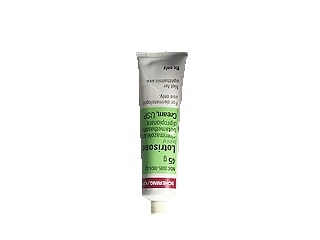
Lotrisone is a combination medicine containing betamethasone (a corticosteroid) and clotrimazole (an antifungal). It is used on the skin to treat fungal infections accompanied by inflammation, itching, and redness.
This guide explains how Lotrisone works, typical uses, how to apply it, important safety information, and what to consider in the UK.
Quick overview
- Active ingredients: Betamethasone + Clotrimazole
- Medicine type: Anti-inflammatory corticosteroid + antifungal
- Common forms: Cream (often the most commonly supplied form in the UK market; availability may vary)
- Used for: Certain skin fungal infections where inflammation is also present
- Typical application: 1–2 times daily, depending on the condition and prescriber/label instructions
- Key safety points: Avoid eyes and broken skin; use for the recommended duration only; do not use on areas where infection is unclear
Basic product information
| Category | Details |
|---|---|
| Brand | Lotrisone |
| Active components | Betamethasone (corticosteroid) + Clotrimazole (antifungal) |
| Therapeutic action | Reduces inflammation and itch (betamethasone); kills or inhibits fungus (clotrimazole) |
| Route | Topical use on the skin |
| Common indications | Fungal skin infections (e.g., tinea/dermatophyte and candidal intertrigo), when inflammation is significant |
Important: Product strength and exact formulation can vary by country and market. Always check the pack for the concentration and the specific instructions printed there.
How Lotrisone works (mechanism of action)
Lotrisone combines two medicines that work in different ways:
- Clotrimazole (antifungal): Clotrimazole targets fungal cell membranes by interfering with the production of ergosterol (a key component of fungal cell membranes). This disrupts the integrity of the fungus and helps clear the infection.
- Betamethasone (corticosteroid): Betamethasone reduces inflammation by suppressing inflammatory pathways in the skin. This can rapidly reduce redness, swelling, itching, and irritation.
Why the combination matters: Fungal skin infections are often inflammatory, especially in warm, moist areas. The antifungal treats the cause (fungus), while the steroid helps control symptoms related to inflammation.
Note: Steroids can also hide symptoms while the fungus remains if used in the wrong situation or for too long—so correct diagnosis and appropriate duration are important.
Pharmacokinetics (what happens in the body)
Lotrisone is applied to the skin, so only a portion of the medicine is absorbed into the bloodstream.
- Absorption: Betamethasone and clotrimazole can be absorbed through the skin, but the extent depends on factors such as the area treated, skin condition, duration of use, whether the skin is intact, and whether occlusion (covering with a non-breathable dressing) is used.
- Distribution: Any absorbed medicine may distribute through the body tissues.
- Metabolism and elimination: Absorbed drug components are metabolised mainly in the liver and eliminated through the body (e.g., via kidneys). The amount absorbed from typical short-course use is generally low.
Clinical relevance: Because absorption can increase with extensive treatment areas, long-term use, broken skin, or occlusion, the risk of steroid-related side effects rises under these conditions.
Typical uses in the UK
Lotrisone is intended for fungal infections of the skin where there is significant inflammation. It may be considered for conditions such as:
- Fungal infections in skin folds (intertrigo) when both fungal involvement and inflammation are present
- Dermatophyte infections (tinea) that are inflamed, depending on clinical assessment
- Candidal infections with prominent inflammation (clinical judgement is important)
Not for every rash: Many rashes mimic fungal infections. Lotrisone is specifically for fungal causes plus inflammation. If the rash is due to something else (for example eczema flare without fungal involvement, psoriasis, or bacterial infection), it may not help and could delay correct treatment.
Timing and how to apply (practical guidance)
The exact dosing schedule depends on the condition and the product instructions on your pack. Common regimens are described below for general information.
Typical dosing (general)
- Adults and children (if advised): usually apply a thin layer to the affected area 1 to 2 times daily.
- Duration: use for the shortest time necessary and follow the pack/clinician advice. Many topical fungal treatments are used for a limited course (often around 1–2 weeks), but you should not keep using it beyond the recommended duration.
Good rule: Apply to the affected skin and (if instructed) a small surrounding margin, because fungal organisms can extend slightly beyond visible redness.
How to use it step-by-step
- Wash and dry the affected area gently.
- Apply a thin layer of Lotrisone and rub in lightly until absorbed.
- Wash your hands after application (unless the hands are the treated area).
- Avoid occlusive coverings (airtight plastic or non-breathable dressings) unless specifically advised, because this can increase absorption.
- Do not use on large areas or for long periods unless a healthcare professional advises it.
What if it improves quickly?
Symptom relief may happen within days because of the steroid component. It is still important to complete the recommended course so the fungus has a chance to clear. If you stop early, symptoms may return.
Food interactions
Lotrisone is a topical medicine, so direct food interactions are not expected. There is generally no need to avoid specific foods while using Lotrisone.
However: If you are also taking other medicines (for example, oral treatments for fungal infections), check their specific interaction advice. Topical absorption is usually low, but individual circumstances vary.
Alcohol and medicine interactions
Alcohol: No specific interaction with alcohol is expected for topical Lotrisone based on its local action. If you feel unwell or notice unexpected side effects, stop using the medicine and seek advice.
Other medicines:
- Topicals: Avoid applying other creams/ointments on the same area at the same time unless advised, as they may dilute or interfere with effectiveness.
- Skin reactions: If you use moisturisers, apply Lotrisone first and allow time to absorb before applying additional products.
- Systemic medicines: Significant interactions are unlikely due to low absorption, but if you are using multiple steroid-containing products, avoid layering them without guidance.
Tell a pharmacist or clinician if you use other steroid creams, immunosuppressive medicines, or if you are treating widespread or recurrent infections.
Indications (when it is appropriate)
Lotrisone is indicated for mixed fungal and inflammatory skin conditions where a combination of an antifungal and corticosteroid is suitable, as determined by symptoms and clinical assessment.
Typical signs that may suggest a fungal process include:
- Itching and redness
- Scaly or well-defined borders
- Location in warm, moist areas (e.g., groin, under breasts, skin folds)
- Symptoms that worsen with heat and sweating
But: Because many skin conditions look similar, confirm whether the rash is truly fungal—especially if there is no improvement after a short course.
Missed doses, treatment length, and when to seek help
- If you miss an application: apply it when you remember unless it is nearly time for the next dose. Do not apply a double amount.
- If symptoms are not improving: reassess. Lack of improvement within a week may mean the diagnosis is wrong, treatment duration is insufficient, or an alternative treatment is needed.
- Stop and seek medical advice urgently if you develop signs of a serious skin reaction, rapidly spreading redness, severe pain, fever, pus, or blistering.
Safety profile and side effects
Lotrisone contains a potent corticosteroid. Like all medicines, it can cause side effects—most commonly skin-related reactions where it is applied.
Common side effects
- Burning or stinging at the application site
- Mild skin irritation
- Dryness or redness
- Itch may temporarily change after starting
Less common but important risks
- Skin thinning (atrophy) with prolonged use
- Stretch marks (striae) or visible blood vessels with ongoing use
- Acne-like eruptions or worsening of rosacea-like symptoms
- Folliculitis (inflammation of hair follicles)
- Allergic contact dermatitis (more rash, worsening redness, or swelling)
Steroid-specific concerns
With potent topical steroids, risk increases if:
- you use the medicine for longer than recommended
- you apply to large areas
- you use under occlusion (e.g., tight non-breathable coverings)
- you treat thin skin areas (e.g., face, groin)
- you use it in children without proper guidance
Rarely, significant steroid absorption can contribute to broader effects (e.g., impacts on hormone pathways), especially with excessive use or in children.
What to watch for
Seek advice if you notice:
- Rash getting worse or spreading
- No improvement after several days to 1 week
- Repeated return shortly after stopping (may indicate inadequate fungal eradication)
- New symptoms such as blistering, intense burning, or swelling
Practical use tips (to get the best results)
- Keep the area dry: Fungal infections thrive in moisture. Pat the area dry after washing and consider breathable clothing.
- Hygiene helps prevent reinfection: Change underwear/towels regularly and avoid sharing towels.
- Don’t over-apply: A thin layer is enough; thick layers increase absorption and irritation.
- Avoid using on face unless specifically advised: Steroids on the face require careful guidance due to higher sensitivity of skin.
- Be cautious with skin folds: The groin, armpits, and under-breast areas can become irritated, and occlusion can occur naturally.
- Complete the course: Stop when the recommended duration is reached even if symptoms improve, unless told otherwise.
- Consider whether the source of infection is broader: If you have athlete’s foot (tinea pedis), it can spread to the groin—treating all affected areas helps prevent recurrence.
Alternative options (depending on diagnosis)
The best alternative depends on what the rash actually is and how extensive it is. If the infection is purely fungal without significant inflammation, an antifungal-only product may be preferred.
Common alternatives
- Antifungal-only creams (for example, clotrimazole alone or other azole/allylamine antifungals), suitable if inflammation is mild
- Fungal treatments for different sites: infections on feet, groin, and body may require different formulations or durations
- Oral antifungals may be considered for more widespread, severe, or recurrent fungal infections (this is usually a clinician decision)
Why alternatives may be better sometimes
Because Lotrisone includes a steroid, some people prefer antifungal-only treatment when steroid use is not clearly needed. This can reduce the risk of steroid-related skin thinning and can avoid masking symptoms of the wrong diagnosis.
Tip: If your rash keeps coming back, you may need confirmation (sometimes via swabs or microscopy) to ensure the fungal species and treatment plan are correct.
Market and legal context in the United Kingdom
In the UK, topical combination medicines are supplied under standard pharmaceutical regulation and must comply with UK product authorisation requirements. Lotrisone is an established medicine with specific indications, strengths, and patient information. Availability may vary between pharmacies and online retailers depending on supply agreements and stock levels.
Like other medicines in the UK, online supply typically follows pharmacy and medicines distribution regulations, including appropriate checks to ensure suitability for the patient, correct product selection, and advice on safe use.
Recent guidance and clinical practice considerations: Current clinical practice in dermatology often emphasises careful diagnosis of fungal rashes and reserving steroid-containing combinations for situations where inflammation is prominent and fungal infection is confirmed or strongly suspected. Overuse or prolonged use of steroid-antifungal combinations can worsen outcomes when the diagnosis is uncertain.
Delivery and availability (UK online pharmacy)
Lotrisone may be supplied online by UK-registered pharmacies subject to availability and local stock rotation. Delivery options typically include standard and express services depending on the supplier.
What to expect:
- Packaging: Usually supplied in original retail packaging with patient information leaflets.
- Delivery times: Vary by courier and postcode area; many suppliers provide dispatch updates.
- Availability: Stock can change; if the exact pack size is temporarily unavailable, the pharmacy may offer an alternative size or similar formulation where appropriate.
Always check: the strength, expiry date, and whether the product is suitable for topical use on the body area you intend to treat.
Frequently asked questions (FAQ)
1) What is Lotrisone used for?
Lotrisone is used for fungal skin infections where there is inflammation such as redness, itch, and irritation. It combines an antifungal (clotrimazole) with an anti-inflammatory corticosteroid (betamethasone).
2) How long should I use it?
Follow the duration on the pack or any advice you were given. Because it contains a potent steroid, it should be used for the shortest necessary time. If there is no improvement within about a week, you should seek advice.
3) Can I use it on my face?
Lotrisone is generally not a first choice for facial rashes unless specifically advised by a healthcare professional. Facial skin is more sensitive to steroids, and incorrect diagnosis can worsen outcomes.
4) Can I use it in the groin or underarms?
It may be used in skin fold areas when appropriate for fungal infection with inflammation. However, these areas can be prone to irritation and increased absorption, so follow instructions carefully and avoid prolonged use.
5) Is it safe for children?
Use in children should be guided by a healthcare professional or according to the pack instructions. Children may absorb steroids more readily, and potent steroids require caution—especially on thin skin areas or under occlusion.
6) What should I do if my rash keeps coming back?
Recurrent symptoms can mean incomplete fungal clearance, spread from another site (e.g., feet), reinfection, or a different diagnosis. Seek professional advice for confirmation and consider treating other affected areas.
7) Can I cover the area with a plaster or dressing?
Avoid occlusive coverings unless explicitly advised. Occlusion can increase absorption and the risk of steroid-related side effects.
8) Can I use Lotrisone with moisturisers?
Yes, in many cases. Apply Lotrisone first and let it absorb, then moisturiser if needed. Avoid mixing multiple active treatments at the same time on the same area.
9) Will it stain clothes?
Most topical creams do not typically stain significantly, but any cream can transfer if not fully absorbed. Apply a thin layer and allow it to absorb before dressing.
10) What are the warning signs that I should get help?
Contact a pharmacist or clinician if you have severe pain, rapidly spreading redness, blistering, pus, fever, signs of a serious allergic reaction, or if the rash does not improve after a short course.
Summary
Lotrisone (betamethasone/clotrimazole) is a topical combination medicine used to treat fungal skin infections with inflammation. Clotrimazole helps clear the fungus, while betamethasone reduces redness, swelling, and itch. Because it contains a corticosteroid, it should be used carefully, for the recommended duration, and only on the correct skin area. If symptoms are not improving or keep returning, reassess the diagnosis and consider alternative fungal treatments or medical review.