Sporanox (Itraconazole) – Patient-Friendly Guide (UK)
Sporanox is a brand of itraconazole, an antifungal medicine used to treat a range of fungal infections. This guide explains what Sporanox is, how it works, how it is used, important interactions and safety information, and practical tips to help you use it correctly.
This information is for patients in the United Kingdom. Always follow the instructions provided with your medicine and speak to a healthcare professional if you have questions.
Basic product information
| Feature | Details |
|---|---|
| Medicine name | Sporanox (itraconazole) |
| Drug type | Antifungal (triazole) |
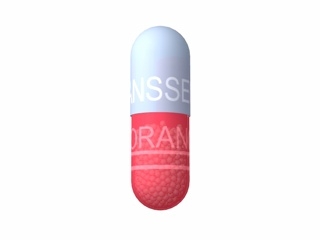
| How it is available | Oral capsules and sometimes oral solution (form available depends on product/brand) |
| Common uses | Treatment of susceptible fungal infections (skin, nails, lungs, systemic fungal disease) |
| Key feature | Important interactions with many other medicines |
How itraconazole works (mechanism of action)
Itraconazole belongs to the group of medicines called triazole antifungals. It works by blocking the fungal production of a vital component of the fungal cell membrane: ergosterol.
Without enough ergosterol, the fungal cell membrane becomes weak or dysfunctional, which helps stop fungal growth and can lead to fungal death, depending on the infection and concentration achieved.
Pharmacokinetics: how the body handles Sporanox
Understanding how the medicine is absorbed and remains in the body can help explain why timing with food and adherence matter.
Absorption
- Capsules: absorption is influenced by stomach acidity. Taking itraconazole capsules with a full meal can improve absorption.
- Oral solution: may absorb differently from capsules. Some regimens require different timing; follow your specific product instructions.
Distribution
- Itraconazole distributes into tissues, including skin and sites of infection, but penetration can vary by infection type.
- In some infections (e.g., nails, skin), benefits may continue after you stop treatment because drug may persist in affected tissues.
Metabolism and elimination
- Itraconazole is metabolised by the liver.
- It is eliminated mainly via faeces and, to a lesser extent, urine.
Because metabolism is involved, itraconazole can interact with medicines that affect liver enzymes (especially the CYP system). This is one reason interaction checks are important.
Typical use in the UK: what Sporanox is used for
Sporanox is used to treat fungal infections caused by organisms susceptible to itraconazole. Which infection is treated depends on local clinical guidance and the specific product licence/indication details.
Examples of fungal infections where itraconazole may be considered
- Fungal infections of the skin (depending on severity and type)
- Fungal infections of the nails (onychomycosis) in appropriate cases
- Yeast infections and certain fungal infections of the mouth or skin (when appropriate)
- Fungal infections affecting the lungs or other internal organs
- More serious or systemic fungal disease when deemed suitable by clinicians
Your healthcare professional will decide whether itraconazole is appropriate based on the suspected organism, infection site, your medical history, and possible medicine interactions.
Dosing: important guidance for patients
Dosing depends on the infection being treated, its severity, and your individual health factors. Do not use someone else’s dose. Always use the dose and schedule provided with your Sporanox product.
Common dosing patterns (general information)
- Skin infections: dosing schedules vary; some regimens are taken daily for a period, others may use different patterns depending on the condition.
- Nail infections (onychomycosis): may be treated using “pulsed” schedules or longer daily courses in selected cases.
- Systemic infections: often require daily dosing and may involve longer treatment durations.
How to take itraconazole correctly
- Try to take it at the same times each day.
- If you miss a dose, take it as soon as you remember unless it is close to the next dose—then skip the missed dose. Do not double up.
- Complete the course as advised, even if symptoms improve early. Stopping early can allow infection to return.
For nail infections, improvement may be gradual because nails grow slowly. Visible results may take months after treatment.
Timing and food interactions
Why food matters (especially for capsules)
The absorption of itraconazole capsules can be affected by stomach acid. Taking itraconazole with food—typically a full meal—can help absorption.
Antacids and acid-reducing medicines
Medicines that reduce stomach acid may lower itraconazole absorption, potentially making the treatment less effective. This includes:
- Proton pump inhibitors (PPIs) (e.g., omeprazole, esomeprazole, lansoprazole)
- H2-receptor antagonists (e.g., famotidine, cimetidine)
- Antacids (e.g., aluminium/magnesium preparations)
If you use acid-reducing medicines, ask your pharmacist or doctor for advice about timing or whether itraconazole is still suitable. In some cases, alternative antifungals or different dosing strategies may be chosen.
Alcohol and food
Moderate alcohol intake may not directly alter absorption in every person, but liver health matters because itraconazole is processed in the liver. See the Alcohol and medicine interactions section for additional safety guidance.
Alcohol and medicine interactions
Alcohol
- Alcohol may increase stress on the liver. Since itraconazole is metabolised in the liver, it is generally advisable to limit alcohol during treatment.
- Avoid heavy drinking, especially if you have a history of liver disease or abnormal liver tests.
- If you feel unwell after drinking (e.g., nausea, fatigue, abdominal pain, dark urine), seek medical advice promptly.
Important interactions with other medicines
Itraconazole has significant drug–drug interactions. Some medicines can reduce itraconazole levels (making it less effective), while others can increase itraconazole levels (increasing side effects).
Common interaction themes:
- Medicines that strongly reduce itraconazole levels may lead to treatment failure.
- Medicines that increase itraconazole levels may raise the risk of side effects and toxicity.
- Some medicines can affect heart rhythm and the combination may increase risk of irregular heartbeat (QT prolongation).
Examples of medicines that may interact (not exhaustive)
Always tell your healthcare professional about everything you take, including over-the-counter products and supplements. Particular caution is needed with the following categories:
- Certain antibiotics and antivirals
- Antiepileptic medicines (e.g., some enzyme-inducing drugs)
- HIV medicines and other antivirals
- Medicines for tuberculosis (e.g., rifampicin)
- Statins and cholesterol-lowering medicines (some combinations can cause muscle-related side effects)
- Immunosuppressants (e.g., some calcineurin inhibitors)
- Blood thinners (some anticoagulants)
- Heart rhythm medicines and some other cardiovascular drugs
- Medicines affecting stomach acid (PPIs, H2 blockers, antacids)
If you are unsure whether a product interacts with itraconazole, speak to your pharmacist. Taking itraconazole alongside interacting medicines without advice can be harmful.
Safety profile: who should be cautious
Most people tolerate itraconazole well, but there are important safety considerations. Stop and seek urgent medical help if you develop signs of a serious reaction.
Seek urgent medical help if you notice
- Allergic reaction: swelling of the face/lips, wheezing, difficulty breathing, severe rash
- Severe skin reactions: blistering, peeling skin, mouth sores
- Severe liver problems: yellowing of skin/eyes (jaundice), severe fatigue, dark urine, severe right upper belly pain
- Symptoms suggesting heart failure: sudden weight gain, swelling of legs/ankles, breathlessness, waking at night short of breath
Important precautions
- Heart failure risk: itraconazole may be associated with worsening or triggering heart failure in some people. Tell your clinician if you have heart failure or relevant symptoms.
- Liver effects: itraconazole can affect liver function. Doctors may monitor liver tests if treatment is prolonged or if risk factors exist.
- Drug interactions: this is one of the most critical safety issues with itraconazole.
- Adherence: inconsistent use may reduce effectiveness and increase the chance of resistance or persistence of infection.
Common side effects
Side effects vary from person to person. Commonly reported effects include:
- Headache
- Nausea, stomach discomfort, abdominal pain
- Diarrhoea
- Rash
- Abnormal liver blood tests (may be detected through monitoring)
Less common but important side effects
- Dizziness
- Changes in appetite
- Raised liver enzymes
- Electrolyte or blood count changes (rare; depends on overall health and other medicines)
Practical use tips (to get the best results)
- Follow the food instructions exactly (especially if you take capsules). Taking with a full meal may improve absorption.
- Check your other medicines: before starting itraconazole, make a list of everything you take (including OTC medicines and supplements).
- Do not stop early: fungal infections can appear improved before the infection is fully cleared.
- Be patient with nail infections: nails grow slowly, so improvement often takes months.
- Protect skin/nails: keep affected areas clean and dry; follow advice for hygiene and footwear (if relevant to your condition).
- Report symptoms promptly if you feel unwell during treatment—especially signs of allergy, severe rash, jaundice, or breathlessness.
Alternative options for fungal infections
The best alternative depends on the type of fungus, the infection site, severity, previous treatments, and your individual health and medicine interactions.
Other antifungal medicines commonly used
- Terbinafine (often used for certain skin and nail fungal infections, depending on susceptibility)
- Fluconazole (commonly used for some yeast infections; interacts differently from itraconazole)
- Voriconazole, posaconazole (for certain serious systemic fungal infections, depending on setting and guidance)
- Topical antifungals (creams, gels, solutions) for some mild or localised infections
- Other topical options such as medicated nail solutions for selected nail problems
If itraconazole is not suitable due to interactions, allergy, or safety concerns, your clinician may consider an alternative based on susceptibility and treatment goals.
Market and legal context in the United Kingdom
In the UK, medicines are supplied and regulated under the Medicines and Healthcare products Regulatory Agency (MHRA). Availability, branding, formulation, and specific indications are subject to the product’s licence and current prescribing/dispensing practice.
Antifungal medicines such as itraconazole may be used across NHS and private healthcare pathways depending on clinical assessment. Pharmacies must follow legal and professional requirements for supply.
Because itraconazole has important interactions, UK supply involves safeguards such as checking patient medication histories and ensuring appropriate counselling where needed.
Recent guidance and monitoring (general)
Antifungal guidance can evolve as new evidence becomes available. In recent years, clinical practice has emphasised:
- Careful review of drug–drug interactions before starting itraconazole
- Consideration of liver safety, particularly for longer courses or patients with risk factors
- Awareness of heart failure risk and evaluation of symptoms
- Correct formulation use (capsules vs oral solution) and correct food timing
Your healthcare professional may request tests (e.g., liver function tests) or monitor symptoms depending on your treatment duration and health status.
Delivery and availability (UK)
Availability of Sporanox may depend on product formulation and pharmacy stock. Many pharmacies in the UK can supply antifungals through standard supply chains. If a specific strength or formulation is temporarily unavailable, the pharmacy may be able to source it from other suppliers or advise alternatives.
Delivery expectations
- Dispatch times depend on whether items are in stock.
- UK-wide delivery is commonly offered by online pharmacies, but delivery times can vary by provider.
- Package privacy: many suppliers use discreet packaging to protect privacy.
During high-demand periods, delivery times may be longer. If you have a time-sensitive treatment need, contact the pharmacy to confirm availability.
FAQ about Sporanox (Itraconazole)
1) How long does Sporanox take to work?
It depends on the infection. Some skin symptoms may improve within days, but fungal infections often require longer treatment. Nail infections can take months to show visible improvement because nails grow slowly.
2) Should I take Sporanox with food?
For itraconazole capsules, taking with a full meal often improves absorption. Follow the specific instructions for your formulation. If you are using a stomach-acid reducing medicine, ask for advice on timing.
3) Can I drink alcohol while taking itraconazole?
It’s generally best to limit alcohol during treatment, particularly if you have liver risk factors. Moderate intake may be acceptable for some people, but avoid heavy drinking and seek medical advice if you develop symptoms such as abdominal pain or jaundice.
4) What if I miss a dose?
Take the missed dose when you remember unless it’s nearly time for the next dose. Do not double up. If you are unsure, contact your pharmacist.
5) Why can’t I take Sporanox with some other medicines?
Itraconazole interacts with several commonly used medicines. Some interactions can make itraconazole ineffective; others can increase side effects or affect heart rhythm. This is why pharmacists check your medication list and why you should always inform them of anything else you take.
6) Is Sporanox safe for everyone?
Not necessarily. People with certain heart conditions, liver problems, or those taking interacting medicines may need extra caution or alternative treatment. Discuss your medical history and current medicines with a healthcare professional.
7) What side effects should I watch for?
Report promptly if you experience rash, severe nausea, breathlessness, swelling, or symptoms suggesting liver injury (such as yellow skin/eyes or dark urine). Seek urgent help for severe allergic reactions or serious skin reactions.
8) Can I stop when I feel better?
Fungal infections can return if treatment is stopped early. Unless your clinician advises otherwise, complete the full course.
9) Are there alternatives if itraconazole doesn’t suit me?
Yes. Depending on the infection, other antifungals (such as terbinafine or fluconazole) or topical treatments may be suitable. The best choice depends on the specific fungal species and your situation.
10) How do I store Sporanox?
Keep the medicine in its original packaging. Store according to the label instructions (often at room temperature and away from excessive heat or moisture). Keep it out of sight and reach of children.
Important: If you experience severe side effects, signs of allergy, or symptoms of worsening heart failure or liver problems, seek urgent medical advice. For questions about taking Sporanox with your current medicines (including OTC products), consult a pharmacist before starting.