
Famvir (Famciclovir) — Patient Information (UK)
Famvir is the brand name of famciclovir, an antiviral medicine used to treat certain viral infections caused by herpes viruses. It works by stopping the virus from multiplying, helping your symptoms improve and reducing the risk of complications.
This guide is written to be clear and practical for patients in the United Kingdom. It explains how Famvir works, when it’s typically used, how to take it, and important safety and interaction information.
Basic product information
| Item | Details |
|---|---|
| Medicine name | Famvir |
| Active ingredient | Famciclovir |
| What type of medicine is it? | Antiviral (a nucleoside analogue) |
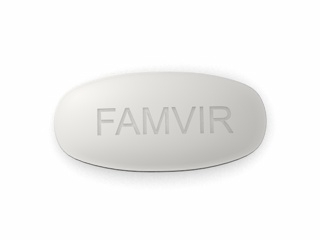
| Typical presentations | Oral tablets (strengths vary by product/pack) |
| How it’s used | Oral dosing for herpes virus infections (varies by condition) |
| Where it’s used (UK) | For selected herpes infections, based on clinical need |
How Famvir works (mechanism of action)
Famciclovir is converted in the body to its active form (primarily penciclovir). The active form targets the viral DNA-building process:
- It is activated inside infected cells.
- It interferes with viral DNA replication, slowing or stopping the virus from multiplying.
- Healthy cells are less affected because the conversion to the active form happens mainly in infected cells.
Result: symptoms often begin to improve sooner when treatment starts early, especially for episodes where early viral activity drives discomfort.
Which viruses it acts against
Famvir is used for infections caused by certain herpes viruses, including:
- Herpes simplex virus (HSV) — e.g., cold sores and genital herpes
- Varicella zoster virus (VZV) — shingles (herpes zoster)
- Other herpes-related conditions — depending on clinical assessment
Pharmacokinetics (how the body handles it)
Understanding pharmacokinetics helps explain typical dosing intervals and why early treatment matters. While individual results vary, the main features are:
- Absorption: Famciclovir is absorbed after oral administration.
- Conversion to active drug: In the body, it is converted to penciclovir, which then acts against viral DNA replication.
- Distribution: The active form reaches tissues affected by viral infection.
- Elimination: Active drug is cleared mainly through the kidneys.
- Half-life: The dosing schedule is designed to maintain effective drug levels between doses.
If you have kidney problems, your clinician may adjust the dose, since clearance may be slower.
Typical uses in the UK
Famvir is commonly used to treat herpes virus infections where antiviral therapy can reduce viral replication and improve outcomes. The appropriate use depends on the specific diagnosis and severity.
Common indications
- Shingles (herpes zoster): antiviral therapy can help shorten illness and may reduce the risk of prolonged nerve pain in some patients.
- Cold sores (herpes simplex): used for recurrent episodes or certain acute presentations.
- Genital herpes (HSV): used for managing outbreaks and, in some cases, suppressive or preventive strategies (based on clinical assessment).
Timing: when to start and how long to take
Timing can make a meaningful difference with antiviral medicines. In general, starting treatment as early as possible—often within the first days of symptoms—is beneficial.
General timing guidance (patient-friendly)
- Shingles: treatment is typically most effective when started early in the rash phase. Many clinicians aim to start as soon as possible after the diagnosis.
- Cold sores / herpes outbreaks: starting promptly after the first symptoms (e.g., tingling, burning, itching, or the earliest signs of a sore) may improve results.
Your exact course length depends on the condition being treated and your health status (including kidney function). Always follow the dosing instructions provided with your medicine.
Dosing: typical schedules (examples)
Dosing regimens vary by condition (shingles vs cold sores vs genital herpes), by whether treatment is for an acute episode or prevention, and by kidney function. Because dosing must be tailored, the information below is general and may not match your prescribed regimen exactly.
| Condition | Typical approach | How it’s usually taken (example) |
|---|---|---|
| Shingles (herpes zoster) | Treatment started early in the rash phase | Usually taken in divided doses over several days |
| Cold sores (HSV) | Acute episode treatment; may be episodic or preventive depending on recurrence | Often taken at intervals across a short course (or continuous course if advised) |
| Genital herpes (HSV) | Outbreak treatment or longer-term suppression depending on frequency | May be taken daily or in divided doses over the outbreak period |
| People with reduced kidney function | Dose adjustment may be needed | Lower or less frequent dosing may be recommended |
Important: If you’re unsure about your dose schedule, check the label on your specific pack. If anything differs from what you expected, clarify with a pharmacist or prescriber.
How to take Famvir (practical use tips)
- Take tablets with water. Swallow whole unless your instructions say otherwise.
- Keep regular intervals. Divided dosing works best when taken roughly evenly across the day.
- Start early. If you recognise the early signs of an outbreak or shingles, seek advice quickly so you can begin treatment promptly.
- Complete the course. Even if you feel better, continue as directed to reduce the chance of relapse.
- Hydration: Drink fluids as advised; this is generally sensible for antiviral treatment and kidney health.
- Missed dose: Take it when you remember unless it’s close to the next dose. Do not double up to make up for a missed tablet—check advice on your pack or with a pharmacist.
Food interactions (with alcohol and meals)
Famciclovir can generally be taken with or without food. However, individual tolerability may vary. If tablets upset your stomach, you may prefer taking them with a light meal.
Food-related practical notes
- Stomach comfort: Taking with food may help if you experience nausea.
- Consistency: Try to take it the same way each day to maintain routine.
- Grapefruit: No specific grapefruit warning is commonly required for famciclovir, but always check your full medicines list.
Alcohol and medicine interactions
Moderate alcohol is not known to have a direct chemical interaction with famciclovir in most patients. However, alcohol can affect how you feel, and may worsen side effects like dizziness or tiredness in some people.
Patient-friendly advice
- Avoid heavy drinking while you’re unwell (e.g., during shingles or a herpes outbreak).
- If you notice side effects (e.g., dizziness, confusion, feeling unwell), avoid alcohol and speak to a healthcare professional.
- If you have liver or kidney disease, or you take multiple medicines, ask for personalised advice.
Other medicine interactions (important safety checks)
Interactions depend on your full medicine list, including over-the-counter products and herbal remedies. Famciclovir is primarily cleared by the kidneys, so medicines that affect kidney function or compete for renal clearance may matter.
Common interaction themes to consider
- Kidney-impacting medicines: Some medications may affect kidney function or hydration status.
- Other antivirals: Using multiple antivirals together should only be done under clinical guidance.
- Immunosuppressants: People who are immunocompromised may require careful monitoring and tailored dosing.
Bring a complete list of your medications (including doses) to your pharmacist. This helps prevent interaction issues and ensures the right dosing schedule—particularly for those with kidney impairment.
Safety profile: who should take extra care
Famvir is generally well tolerated by many people, but like all medicines it can cause side effects. Your risk depends on your dose, duration, age, and kidney function.
Common side effects
- Headache
- Nausea or stomach discomfort
- Dizziness
- Fatigue (tiredness)
Less common but important side effects
- Allergic reactions (e.g., rash, swelling, breathing difficulties)
- Changes in kidney function — more likely in people with existing kidney disease or dehydration
- Neurological symptoms such as confusion (rare; seek advice promptly if severe)
When to seek urgent help
Seek urgent medical help if you experience:
- difficulty breathing, facial/lip/tongue swelling
- severe allergic rash or widespread skin reactions
- severe confusion, fainting, or significant worsening after starting the medicine
- very little urine output or signs of severe dehydration
Practical use tips for best results
- Recognise early symptoms: tingling, burning, itching, or early rash can be a sign to start quickly.
- Follow skin care advice: Keep the affected area clean and dry. Avoid touching the lesions; wash hands after contact.
- Reduce transmission risk: For HSV outbreaks, avoid sexual contact when lesions are present and use safer sex practices as advised. For cold sores, avoid kissing when you have active sores.
- Don’t share personal items during outbreaks (towels, razors, lip balm).
- Monitor recurrence: If outbreaks are frequent, ask about preventive strategies and triggers (stress, illness, sun exposure).
Alternative treatment options
Depending on your diagnosis and severity, alternatives may include other antivirals or supportive measures. The most appropriate option depends on the virus type (HSV vs shingles), timing, severity, and your kidney function.
Examples of alternatives
- Acyclovir — antiviral for herpes infections
- Valaciclovir — similar class of antiviral medicine
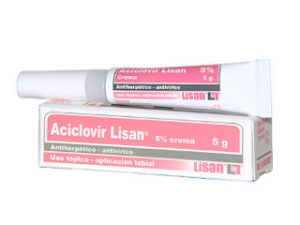
- Topical treatments (for certain cold sore episodes) — may help some symptoms, but oral antivirals often provide stronger overall antiviral activity for active disease
- Supportive pain relief for shingles — nerve pain can require specific management alongside antiviral therapy
If Famvir isn’t suitable (for example due to side effects, dosing needs, or interactions), your pharmacist or clinician may suggest another antiviral or a different regimen.
UK market and legal context (what to expect)
In the UK, antiviral medicines are classified according to legal categories and are supplied through pharmacies in line with UK regulations. Access to treatment may depend on clinical assessment, the medicine’s classification, and local prescribing or supply pathways.
Pharmacy supply also includes safety checks such as:
- confirming the indication matches the medicine’s licensed use
- checking age and kidney health considerations
- reviewing current medications for interaction risk
- assessing red flags that require urgent clinical review
Recent guidance and evidence overview (high-level)
Clinical guidance generally supports early antiviral treatment for shingles and for relevant HSV episodes, especially when started promptly. Dosing regimens and decisions about episodic versus suppressive treatment are commonly guided by symptom severity, frequency of recurrences, and patient risk factors.
For shingles in particular, many clinical pathways emphasise timely treatment during the early rash phase, as early antiviral therapy can improve outcomes.
If you’d like, you can ask your pharmacist to explain how your treatment plan fits common UK clinical approaches and what you should monitor while taking Famvir.
Delivery and availability from an online pharmacy (UK)
Online pharmacies in the UK typically aim to provide straightforward ordering and reliable dispatch. Availability and pack options may vary, and stock status can change.
What to expect
- Packaging: Medicines are usually supplied in manufacturer or pharmacy packaging with clear labelling.
- Dispatch: Orders are typically processed promptly and dispatched according to the service level chosen.
- Cold chain: Famciclovir tablets generally do not require special temperature-controlled shipping.
- Delivery tracking: Many services provide tracking or delivery confirmation.
Always check that the strength and pack size match what you need. If you receive an unexpected dose, contact the pharmacy before taking it.
Storage and handling
- Store at room temperature, away from direct sunlight and moisture.
- Keep tablets in the original packaging to protect them and to identify them clearly.
- Keep out of reach of children.
- Check the expiry date on the pack before use.
FAQ
1) What is Famvir used for?
Famvir (famciclovir) is an antiviral used for certain herpes virus infections, such as shingles (herpes zoster) and herpes simplex infections (e.g., cold sores and genital herpes), depending on the specific diagnosis and clinical plan.
2) How quickly should I feel better?
Many people notice symptom improvement within a few days, especially when treatment starts early. Shingles pain and nerve discomfort can sometimes take longer to settle. If symptoms worsen or you’re not improving, seek medical advice.
3) Can I take Famvir with food?
Yes, Famvir can usually be taken with or without food. If you experience nausea, taking it with a meal may help.
4) What if I miss a dose?
Take the missed dose when you remember unless it’s close to your next dose. Do not double up. If you’re unsure, ask a pharmacist for advice based on your dosing schedule.
5) Is Famvir safe for people with kidney problems?
People with reduced kidney function may need dose adjustments. Tell your pharmacist about kidney disease, past kidney problems, or reduced urine output.
6) Does Famvir affect driving or using machinery?
Some people may feel dizzy or tired. If you experience dizziness, avoid driving or operating machinery until you feel well again.
7) Can I drink alcohol while taking Famvir?
Moderate alcohol is not typically known to directly interact with famciclovir, but it may worsen side effects and may be unwise when you’re unwell. If you notice dizziness, nausea, or feeling unwell, avoid alcohol and seek advice.
8) Does Famvir stop the virus from spreading?
Antivirals can reduce viral replication and may lessen shedding, but they do not eliminate all transmission risk. For HSV, avoid close contact or sex during outbreaks and follow safer sex guidance. For cold sores, avoid kissing during active sores.
9) Are there any red flags I should watch for?
Seek urgent help if you have signs of a severe allergic reaction (swelling, trouble breathing), a severe worsening rash, significant confusion, or signs of severe dehydration. If you have eye involvement with shingles or severe symptoms, get medical advice promptly.
10) What can I do to prevent future outbreaks?
Prevention strategies depend on your recurrence pattern. Some people benefit from discussing suppressive antiviral approaches with a healthcare professional. Lifestyle triggers (stress, sun exposure, illness, fatigue) can also play a role.
Summary
Famvir (famciclovir) is an antiviral medicine used for herpes virus infections such as shingles and certain HSV conditions. It works by interfering with viral DNA replication, helping reduce viral activity and often improving symptoms when started early. Dosing varies by condition and kidney function. Most people tolerate Famvir well, but you should seek advice if you experience allergic symptoms or concerning side effects.
For personalised guidance, including the right dosing schedule and whether Famvir is suitable for you, speak with a pharmacist or clinician and share your full medicine list and health history.