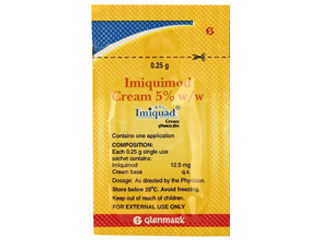
Aldara (Imiquimod) Cream – Patient Information (UK)
Aldara is a prescription medicine used on the skin for certain conditions. Its active ingredient is imiquimod. It works by helping your immune system respond to targeted skin cells and lesions. This guide explains what Aldara does, how it is used, important safety information, and what to expect.
Always follow your clinician’s directions. This page is general information and may not cover every personal situation.
1) Basic product information
- Brand name: Aldara
- Generic name: Imiquimod
- Medicinal form: Cream for skin use
- Strength: Commonly supplied as 5% cream (imiquimod 5 mg/g)
- Route of administration: Topical (applied to the skin)
- Who it is for: Adults (and, in some indications, adolescents/children under specific guidance)
| Category | Details |
|---|---|
| Medicine class | Immune response modifier (topical) |
| Active ingredient | Imiquimod |
| Typical application frequency | Depends on the condition (often several times weekly) |
| Common side effects | Local skin reactions such as redness, burning, itching, and peeling |
2) How Aldara works (mechanism of action)
Imiquimod helps activate parts of the immune system in the skin. After applying the cream to affected areas, it binds to receptors on immune cells (particularly a type called Toll-like receptor 7). This leads to increased release of immune-signalling substances such as interferon-alpha and other cytokines.
The result is a targeted immune response that can help your body control certain skin lesions. The exact immune response and clinical effect vary by condition (for example, superficial skin cancer versus viral warts).
3) Pharmacokinetics (what happens in the body)
Because Aldara is applied to the skin, only a small amount is generally absorbed into the bloodstream. Absorption increases if:
- Large areas are treated
- Skin barrier is damaged (for example, intense inflammation, open/irritated skin)
- There is extensive use beyond recommended schedules
Once absorbed, imiquimod is metabolised mainly in the liver and then eliminated from the body. In most people using Aldara correctly, systemic exposure remains low.
Practical takeaway: Many side effects are local to the skin rather than due to whole-body medicine levels.
4) Typical use in the UK (indications)
Aldara is used for several skin conditions. The most common UK indications include:
4.1 Actinic (solar) keratosis
These are rough, scaly patches caused by long-term sun exposure. Aldara may be used when appropriate under clinical guidance.
4.2 Superficial basal cell carcinoma (where appropriate)
Some superficial skin cancers may be treated with Aldara in carefully selected cases. Your clinician will consider factors such as lesion size, location and suitability.
4.3 External genital warts
Aldara may be used for external genital warts caused by human papillomavirus (HPV), where suitable. Sexual health advice is an important part of treatment.
4.4 Other manufacturer/clinical uses
Availability and exact licensed indications can vary. Your prescriber or pharmacist can confirm the intended use for your specific condition.
5) Timing and how to apply Aldara
Aldara is designed for evening use. Typical instructions emphasise applying at a consistent time of day and allowing the cream to work on the skin for a set period, then washing it off.
General steps (patient-friendly)
- Wash and dry your hands and the area to be treated (unless your clinician told you otherwise).
- Apply a thin layer of cream to the affected skin and, if instructed, a small margin around it.
- Wash your hands after application (unless the hands are the treated area).
- Let it remain on the skin for the recommended period (commonly around 6–10 hours; follow your exact schedule).
- In the morning (or after the instructed time), wash the treated area gently with water and mild soap.
- Use the cream only as directed. Do not increase frequency to “speed up” results.
Do not cover the treated area with tight bandages or occlusive dressings unless your clinician advises it. Many patients are also advised to avoid unnecessary friction and to keep the area clean and dry.
6) Dosing (typical schedules)
The correct dose depends on the condition being treated. Always follow the specific regimen provided for you. Below are common dosing patterns used in practice and reflected in many product recommendations.
| Condition | Typical application schedule | Typical course duration |
|---|---|---|
| Actinic keratosis | Usually 3 times per week (e.g., Mon/Wed/Fri) | Often up to 4 weeks |
| Superficial basal cell carcinoma | Often 5 times per week | Up to several weeks (commonly about 6 weeks), depending on response |
| External genital warts | Often several times per week (commonly 3 times per week) | Typically up to several weeks (often up to 8–10 weeks), depending on clearance |
Missed dose: If you miss a scheduled application, apply it when you next remember only if it is close to your next planned time. Avoid applying extra amounts to “catch up.”
Stop or pause if instructed: If you develop significant local reactions (e.g., severe swelling, blistering, or open wounds), contact your pharmacist or clinician for advice on whether to pause treatment.
7) Indications explained in more detail
7.1 Actinic (solar) keratosis
Actinic keratoses can progress in some people. Aldara may help treat visible lesions and reduce the risk of progression, as part of a broader sun- and skin-health strategy.
7.2 Superficial basal cell carcinoma
Basal cell carcinoma is the most common type of skin cancer. “Superficial” refers to particular growth patterns. Treatment with Aldara may be considered when it is appropriate for the size, number, and location of lesions.
7.3 External genital warts
Genital warts are caused by HPV. Aldara may help the immune system clear visible warts. Even when warts clear, HPV can remain in skin, so recurrence is possible.
Important: Use of Aldara does not replace safe sex. Condoms may reduce spread, though they do not eliminate risk completely.
8) Food interactions
There are generally no known direct food interactions because Aldara is applied to the skin and absorption is usually low. You do not need to change your diet specifically for Aldara.
However, some people may experience general irritation or discomfort from local skin reactions. If you feel unwell, continue a balanced diet and stay hydrated, and seek medical advice if symptoms worsen.
9) Alcohol and medicine interactions
9.1 Alcohol
There is no well-established direct alcohol interaction with Aldara. Because the medication acts mainly locally, alcohol is unlikely to cause a pharmacological interaction.
Still: If you notice you feel more irritated or unwell while using Aldara, consider reducing alcohol and consult a clinician if symptoms are severe.
9.2 Other medicines
Topical imiquimod has low systemic absorption in most patients, so interactions are not commonly expected. Still, medicines and supplements that affect the immune system may be relevant.
- Immunosuppressants (e.g., medicines used after transplantation or for immune conditions) may affect treatment response.
- Other topical products applied to the same area (e.g., steroid creams, antiseptics, moisturisers, or exfoliants) may alter skin irritation. Discuss timing and suitability with a pharmacist or clinician.
- If you use other treatments for the same condition (e.g., cryotherapy, surgery, or different wart therapies), follow a clinician’s plan for when to start or stop them.
Tell your pharmacist about all medicines you use, including over-the-counter products and herbal remedies.
10) Safety profile: side effects and when to seek help
Aldara commonly causes local skin reactions. These can be expected because the medicine stimulates an immune response. In many people, redness and irritation appear within the first applications.
10.1 Common side effects (usually local)
- Redness (erythema)
- Burning, stinging, or soreness
- Itching
- Dryness, scaling, peeling
- Swelling
- Crusting, scabs, or mild blistering
- Temporary changes in skin colour
10.2 Less common but important reactions
- Severe local inflammation
- Ulceration (open sore) in the treated area
- Significant pain that affects daily activities
- Excessive swelling (especially on sensitive sites like the genitals)
- Infection of skin if blistered/ulcerated and not kept clean
10.3 Seek urgent medical advice if
- You develop signs of allergic reaction (e.g., widespread rash, facial swelling, difficulty breathing).
- You get severe spreading redness, pus, fever, or rapidly worsening pain (possible infection).
- Genital area pain becomes severe, you cannot urinate comfortably, or you develop extensive ulceration.
If you are unsure, contacting your pharmacist is often the quickest and safest first step.
11) Practical use tips (to get the best results and reduce irritation)
11.1 Skin care and comfort
- Apply to clean, dry skin. Avoid applying immediately after a bath or shower unless the area is fully dry.
- If permitted, you may use a simple moisturiser on unaffected skin around the area to reduce overall dryness. Avoid applying moisturiser immediately before or after Aldara unless advised.
- Wear loose clothing over treated areas, especially on the trunk or genitals, to minimise friction.
- Avoid sun exposure on treated skin and protect from further UV damage. Your clinician may recommend additional sun safety measures.
11.2 What reactions to expect
Early treatment often leads to redness and irritation. For some conditions, treatment response is associated with visible inflammatory changes. However, the intensity should not become unmanageable.
If your skin becomes severely painful, weeping, or ulcerated, stop and seek advice on whether to pause treatment.
11.3 Avoid spreading the medicine
- Wash hands thoroughly after application.
- Avoid contact with eyes, lips, or inside body areas.
- Do not apply to broken or infected skin unless instructed.
11.4 Sex and contraception (for genital warts)
If you are using Aldara for external genital warts:
- Consider avoiding sexual activity until you know how your skin reacts.
- Warts and irritated skin may be more likely to spread virus or become painful.
- Ask your pharmacist about how Aldara may affect condoms or barrier methods; some topical products can weaken latex.
12) Alternative options
Depending on the diagnosis and location, other treatments may be available. The best option depends on your lesion pattern, medical history, and preference.
For actinic keratosis
- Cryotherapy (freezing)
- Other topical agents (chosen by clinician based on area and tolerance)
- Photodynamic therapy (PDT) for suitable lesions
- Surgical removal in selected cases
For superficial basal cell carcinoma
- Excision or surgical techniques
- Radiotherapy in suitable cases
- Other topical cancer therapies (where appropriate)
- Photodynamic therapy
For external genital warts
- Patient-applied or clinician-applied wart treatments
- Procedures such as cryotherapy
- Removal (selected situations)
- HPV prevention strategies, including vaccination where appropriate
Your clinician or pharmacist can explain what alternatives fit your condition and how their benefits and side effects compare.
13) Market/legal context in the UK (including recent guidance themes)
In the UK, Aldara (imiquimod) is an established topical medicine. Availability depends on stock levels and supply chains. Clinical use is guided by local dermatology/sexual health pathways and the licensed product information.
Recent guidance trends in the UK for skin conditions commonly emphasise:
- Accurate diagnosis (especially differentiating benign lesions from cancers)
- Appropriate lesion selection for topical therapy versus procedural approaches
- Managing irritation and patient adherence to achieve treatment benefit
- Follow-up to confirm response and detect recurrence
- Safe-sex counselling and shared decision-making for genital warts
Your healthcare team may also update treatment plans based on new evidence, local policies, and individual response.
14) Delivery and availability
Aldara is typically available from pharmacies in the UK depending on stock. Online pharmacies may offer:
- Discreet packaging
- Standard delivery and, where available, tracked or express options
- Clear information about item strength, pack size, and usage
Delivery times vary by supplier and destination. When ordering, check:
- Your selected delivery method
- Estimated delivery time at checkout
- Availability status and whether the product is in stock
- Packaging and storage instructions
Storage: Keep the cream as directed on the carton/label (commonly at room temperature, protected from excessive heat). Keep out of reach of children.
15) FAQ
Is Aldara the same as other “anti-wart” or “anti-skin cancer” creams?
Aldara contains imiquimod, which is an immune response modifier. Other treatments may work differently (for example, freezing, other topical medicines, or procedures). The best choice depends on your specific diagnosis.
How long does it take to see improvement?
Local skin reactions may begin early. Clearance or improvement typically becomes noticeable over the course of treatment. Final assessment may occur after the treatment period ends. If there is no response, or reactions are severe, seek advice rather than continuing indefinitely.
What if the treated area becomes very red or sore?
Mild to moderate irritation is common. If symptoms become severe, painful, blistering, or ulcerated, contact your pharmacist or clinician promptly. You may be advised to pause or adjust the regimen.
Can I use moisturiser or other creams with Aldara?
You may be able to apply moisturiser to surrounding unaffected skin, but avoid applying products to the same area immediately before or after Aldara unless advised. Always follow your clinician’s and pharmacist’s instructions for your specific regimen.
Do I need to avoid sun while using Aldara?
Yes—sun protection is recommended. Treated skin can be more sensitive to UV. Cover up or use appropriate sunscreen on unaffected areas, and avoid deliberate tanning.
Can I drink alcohol while using Aldara?
There is no known direct interaction. If you feel unwell or notice increased irritation, consider reducing alcohol and seek advice if needed.
Will Aldara affect condoms or other barrier methods?
Some topical products can affect barrier devices. If you are treating genital warts, ask your pharmacist for advice on whether and how to use barrier methods during treatment.
Will the cream harm my skin permanently?
Most changes are temporary, such as redness and pigmentation changes that improve over time. Persistent scarring or severe damage is uncommon but can occur if irritation is extreme or infection develops. If you are concerned, seek advice.
What happens if I stop early?
Stopping early may reduce the chance of successful treatment. However, it is important not to push through severe side effects. Follow your clinician’s guidance and contact a healthcare professional if you want to stop or change your schedule.
How should I dispose of used sachets/cream?
Use as directed and dispose of empty sachets or packaging responsibly according to local guidance. Avoid leaving medicine within reach of children and pets.
Summary
Aldara (imiquimod) is a topical immune response modifier used for conditions such as actinic keratosis, certain superficial skin cancers, and external genital warts (where suitable). It works by stimulating immune signals in the skin, leading to local changes that often begin early in treatment. Because it commonly causes local irritation, correct application technique, timing, and skin care are key. If reactions become severe or you have concerns, contact your pharmacist or clinician promptly.
This information is for general understanding and does not replace individual medical advice.