Aciclovir (Acyclovir) — Patient Guide (UK)
Aciclovir is an antiviral medicine used to treat and, in some situations, prevent infections caused by certain herpes viruses. It can help shorten symptoms, reduce viral activity, and lower the chance of complications when started early. This page explains what aciclovir is, how it works, how it’s used, important safety information, and practical tips for getting the best results—specifically for readers in the United Kingdom.
Basic product information
| Topic | Details |
|---|---|
| Generic name | Aciclovir (also spelled acyclovir) |
| What it’s used for | Herpes virus infections (e.g., herpes simplex, shingles) |
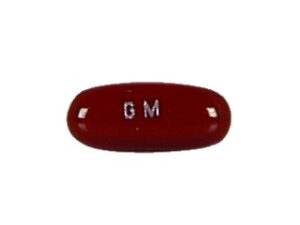
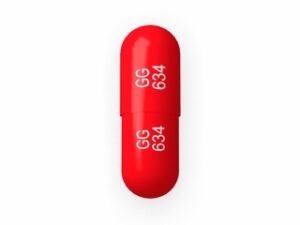
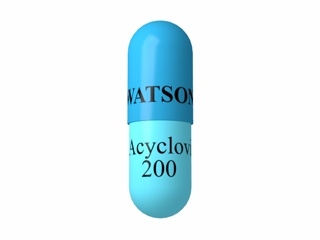
| Common formulations | Tablets, capsules, suspension, cream/ointment (varies by product) |
| How it works | Blocks viral DNA replication |
| Where it’s used | UK healthcare settings and pharmacy supply (availability depends on product type) |
Important: Different aciclovir products may have different strengths, forms, and age recommendations. Always check the specific leaflet for your product.
How aciclovir works (mechanism of action)
Aciclovir is a nucleoside analogue antiviral. It targets herpes viruses, including:
- Herpes simplex virus (HSV) type 1 and type 2
- Varicella-zoster virus (VZV) (the cause of shingles)
Viruses replicate by copying their genetic material (DNA). Aciclovir is converted inside infected cells into an active form that:
- Interferes with viral DNA synthesis
- Acts as a “faulty building block,” slowing or stopping viral replication
- Has greater selectivity for infected cells, because activation depends on viral enzymes
The result is reduced virus growth, which can lessen the severity and duration of symptoms—especially when treatment begins early in the infection.
Pharmacokinetics (how your body handles it)
Pharmacokinetics describes what happens to a medicine in the body: absorption, distribution, metabolism, and elimination.
- Absorption: When taken by mouth, aciclovir is absorbed from the gut. Absorption may be less efficient in some people; consistent dosing helps maintain effective levels.
- Distribution: Aciclovir spreads into body tissues and fluids where herpes viruses may be present.
- Metabolism: It is minimally metabolised.
- Elimination: Mostly removed by the kidneys via urine. This is why kidney function matters—your dose may be adjusted in renal impairment.
- Half-life: The medicine has a limited duration of action, which is why dosing is usually spaced across the day.
Kidney health matters: If you have reduced kidney function, your healthcare team may recommend a lower dose or longer dosing intervals.
Typical uses in the UK
Aciclovir is used for specific herpes-related conditions, depending on formulation and patient factors. Common indications include:
- Herpes simplex (cold sores or genital herpes): Treatment of episodes and, in some cases, prevention of recurrent episodes (e.g., frequent outbreaks).
- Shingles (herpes zoster): Treatment of acute episodes, ideally started as early as possible.
- Recurrent HSV in certain patients: Long-term suppression may be used for some individuals with frequent recurrences or specific risks.
- Other herpes infections: Some formulations may be used under clinical supervision for related herpes infections.
Note on product types: Some aciclovir creams/ointments are used for limited indications (commonly cold sores). Oral formulations are used for broader or more severe infections. Always choose the correct form for the condition.
Timing: when to start and how quickly it helps
Timing is crucial with antivirals like aciclovir. Starting treatment early can make a meaningful difference to symptom duration and severity.
- Cold sores (HSV): Best results when started at the earliest sign (tingling, itching, burning) or soon after the first lesions appear.
- Shingles (VZV): Start as soon as possible—generally within the first few days of rash onset—for the best chance of improved outcomes.
- Recurrent outbreaks: For prevention/suppression strategies, the medicine works when taken consistently as advised.
Missed dose: If you miss a dose, take it when you remember unless it’s close to the next scheduled dose. Do not double up.
Food interactions
Aciclovir tablets/capsules may be taken with or without food. However, food can influence comfort and absorption for some people.
- General guidance: Many people find dosing easier with food and water.
- Hydration: Drinking plenty of fluids helps support kidney function, especially in people taking oral aciclovir.
If your specific product leaflet advises “take with meals” (or has any special instructions), follow that guidance.
Alcohol interactions
Aciclovir does not have a well-known direct “dangerous interaction” with alcohol. However, alcohol may:
- Worsen dehydration (important because aciclovir is cleared via the kidneys)
- Increase side effects such as dizziness, drowsiness, nausea, or headaches in some individuals
- Reduce medication adherence (making it harder to take doses on schedule)
Practical advice: If you choose to drink alcohol, do so sparingly and ensure you remain well hydrated. Avoid heavy drinking during treatment.
Medicine interactions (common considerations)
Most interactions with aciclovir are related to kidney function because the medicine is eliminated through the kidneys.
Tell a healthcare professional or pharmacist if you take any of the following:
- Other medicines that affect the kidneys (e.g., some diuretics, non-steroidal anti-inflammatory drugs—NSAIDs—at higher doses, or other renally cleared medicines)
- Medicines that can reduce renal clearance, which could increase aciclovir levels
- Probenecid (can increase aciclovir levels by affecting excretion)
- Other antivirals or drugs used in immune suppression—your pharmacist can check compatibility
Immunosuppression and complex regimens: People taking medicines that affect the immune system (for example, after transplantation or for certain autoimmune conditions) should be extra careful: herpes infections may require tailored dosing and monitoring.
Indications (what aciclovir is used for)
Below is a patient-friendly summary of the key indications. Exact dosing and suitability depend on age, kidney function, and severity.
- Herpes simplex virus (HSV) infections
- First episode or recurrent episodes of herpes simplex affecting skin/mucosa
- Some patients may use prevention (suppression) for frequent recurrences
- Varicella-zoster virus (VZV) infections
- Shingles (herpes zoster): antiviral treatment is most effective when started early
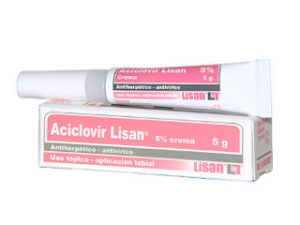
Product-specific note: If you’re using topical aciclovir (cream/ointment), follow the packaging/leaflet for where and how often to apply. Topical use usually has a narrower scope than oral treatment.
Dosing: typical schedules and important rules
Dosing depends on the indication, formulation, age, and kidney function. Below are common adult regimens seen in clinical use in the UK. Always follow the dose instructions provided with your specific product.
Do not change your dose without advice.
Adults — common oral regimens
| Condition (general) | Common approach (adult) | Key timing notes |
|---|---|---|
| Genital herpes / HSV episodes | Typically taken several times per day for a short course | Start early in the episode for best effect |
| Recurrent HSV suppression (prevention) | Often taken once or multiple times daily depending on regimen | Consistency is important for suppression |
| Shingles (herpes zoster) | Often higher-dose, frequent dosing for several days | Start as soon as possible after rash begins |
Kidney impairment: If you have kidney disease or reduced kidney function, doses may be adjusted. In severe cases, spacing doses further apart may be recommended.
Children
Dosing in children is based on weight and specific clinical context. Use only the correct paediatric formulation and follow guidance from a clinician or the product leaflet.
Topical aciclovir (cream/ointment) — general use
- Apply a thin layer to the affected area as directed.
- Wash hands before and after applying (unless treating your hands).
- Avoid getting cream into the eyes or inside the mouth.
If symptoms worsen or you develop spreading infection, fever, or eye involvement, seek medical advice promptly.
Safety profile: side effects and when to seek help
Like all medicines, aciclovir can cause side effects. Many people experience no or mild effects. Side effects vary by formulation (oral vs topical).
Common side effects (often mild)
- Nausea or stomach upset
- Headache
- Dizziness (uncommon but reported)
- Diarrhoea or abdominal discomfort
Less common but important risks
- Kidney problems (more likely with dehydration, high doses, or existing kidney impairment)
- Neurological effects (confusion, agitation, hallucinations) are rare and more likely in those with significant kidney impairment
- Allergic reactions (rash, swelling, breathing difficulties) can occur—seek urgent help for severe symptoms
Seek urgent medical attention if
- You develop swelling of the face, lips, or throat
- You have difficulty breathing
- You feel severely unwell, confused, or drowsy in a way that is new or rapidly worsening
- You have signs of severe dehydration (very dark urine, minimal urine output)
Pregnancy and breastfeeding: Many antiviral decisions require risk–benefit assessment. If you’re pregnant, trying to conceive, or breastfeeding, check the product leaflet and speak to a pharmacist or clinician for advice.
Practical use tips (how to get the best results)
- Start early: Begin treatment at the first signs of a cold sore or shortly after shingles rash appears.
- Take doses on schedule: Antivirals work best with steady coverage. Use alarms if needed.
- Stay hydrated: Drink water regularly, especially when taking oral aciclovir.
- Use the correct formulation: Topical products are not interchangeable with oral treatment.
- Hygiene during outbreaks: Avoid touching lesions, wash hands frequently, and don’t share towels/utensils.
- Avoid spreading: For genital herpes, avoid sexual contact during active outbreaks to reduce transmission risk.
- Finish the course: Even if symptoms improve, complete the advised regimen unless you’re told otherwise.
Alternative options for herpes infections (UK)
Aciclovir is one of several antivirals for herpes viruses. Alternatives may include:
- Valaciclovir (often taken less frequently due to different absorption characteristics)
- Famciclovir (another antiviral option in some settings)
- Topical penciclovir (for certain cold sore situations, depending on availability)
Which is best? The choice depends on the type of infection, timing, age, kidney function, and personal tolerance. A pharmacist can help compare options if you’re deciding between treatments.
Market and legal context in the UK
In the United Kingdom, access to medicines is regulated through pharmacy and medicines legislation. Availability and how aciclovir is supplied can depend on:
- Whether the product is over-the-counter (OTC) or a pharmacy-supplied medicine
- Your age and the condition being treated
- Clinical checks required to ensure safe use
- Product-specific licensing (strengths, formulations, and authorised indications)
Online pharmacies in the UK typically follow legal and professional standards for supply, including patient eligibility checks and referral to appropriate healthcare services when needed.
Recent guidance (general principles): For herpes infections, common clinical practice in the UK emphasises early initiation of antivirals for best outcomes. For recurrent HSV, clinicians may consider longer-term suppression where appropriate. For shingles, treatment is usually recommended promptly, particularly in higher-risk groups.
Delivery and availability (online pharmacy)
Availability can vary by formulation (oral vs topical) and product strength. When ordering online in the UK, typical delivery considerations include:
- Stock status: Some strengths may be temporarily unavailable depending on supplier demand.
- Delivery options: Many UK pharmacies provide standard and express delivery (timing varies by provider and location).
- Packaging: Medicines are supplied in original packaging where possible.
- Order cut-off times: Delivery speed can depend on the time you place your order.
Cold chain: Aciclovir usually does not require special cold-chain storage, but always follow storage instructions on the pack (commonly “store below a certain temperature” and keep out of sight and reach of children).
If you need the medicine urgently (for example, within the early window for shingles), choose the fastest shipping option and double-check delivery times at checkout.
FAQ
1) What is aciclovir used for?
Aciclovir is used to treat infections caused by herpes viruses, commonly herpes simplex (cold sores or genital herpes) and shingles. Some regimens are also used to prevent recurrent outbreaks in suitable patients.
2) Does aciclovir cure herpes?
Aciclovir helps control the active infection and can reduce symptom duration and viral activity. Herpes viruses remain in the body, so outbreaks can recur. Preventive (“suppression”) strategies may reduce how often recurrences happen.
3) When should I start taking it?
Start as early as possible. For cold sores, treat at the first sign. For shingles, start soon after the rash appears (the earlier, the better).
4) Can I take aciclovir with food?
Many people can take aciclovir with or without food. If your product leaflet gives specific instructions, follow those. Staying well hydrated is helpful—especially for oral treatment.
5) Is it safe to drink alcohol while using aciclovir?
There is no universally recognised “dangerous” interaction with alcohol, but drinking can worsen dehydration and may aggravate side effects. If you drink, keep it light and ensure you remain hydrated.
6) What if I have kidney problems?
Kidney impairment can affect how your body clears aciclovir. You may need a dose adjustment and extra advice. Inform the pharmacist or clinician if you have kidney disease or reduced kidney function.
7) What should I do if I miss a dose?
Take it when you remember unless it’s close to the next dose. Don’t double up. If you frequently miss doses, ask a pharmacist about simpler dosing schedules or supportive tips.
8) What are the warning signs that I should get urgent help?
Seek urgent medical help for signs of an allergic reaction (swelling, breathing difficulties) or severe symptoms such as sudden confusion, severe dehydration, or rapidly worsening illness.
9) Are there alternative medicines to aciclovir?
Yes. Depending on the condition and patient factors, alternatives may include valaciclovir or famciclovir, and in some settings topical alternatives may be used. A pharmacist can help you compare options.
10) Can aciclovir be used for children?
Children’s dosing depends on age and weight and should follow the correct paediatric formulation and guidance. Use only products and dosing instructions intended for children.
Summary
Aciclovir is an antiviral medicine used for herpes virus infections such as cold sores, genital herpes, and shingles. It works by blocking viral DNA replication and is most effective when started early. Oral aciclovir is cleared mainly by the kidneys, so hydration and kidney considerations are important. With correct use—timely dosing, good hydration, and attention to safety warnings—aciclovir can help reduce symptoms and viral activity during outbreaks.
Always read the patient information leaflet supplied with your specific product and consult a healthcare professional or pharmacist if you have questions, especially if you have kidney problems, take other medicines, are pregnant, or are treating a child.