
Oseltamivir (Oseltamivir Phosphate) — Patient Information
Oseltamivir (as oseltamivir phosphate) is an antiviral medicine used to treat and, in some situations, help prevent certain types of flu. It works against influenza viruses and is most effective when started early.
This page explains how oseltamivir works, how it is used in the UK, what to expect, and practical guidance to help you take it safely. Always follow the specific instructions provided with your medicine and consult a healthcare professional if you are unsure.
Basic product information
| Category | Details |
|---|---|
| Medicine name | Oseltamivir (oseltamivir phosphate) |
| Type | Antiviral (neuraminidase inhibitor) |
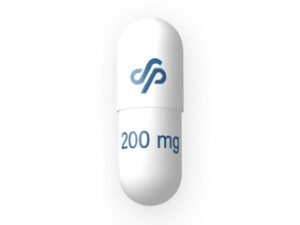
| Common forms | Oral capsules and oral suspension (strengths vary) |
| Who it is for | People with confirmed or suspected influenza in recommended situations |
| Where it is used | United Kingdom (NHS and clinical practice guidance) |
How oseltamivir works (mechanism of action)
Influenza viruses use an enzyme called neuraminidase to help newly formed virus particles leave infected cells and spread through the body. Oseltamivir is a neuraminidase inhibitor.
- It reduces the ability of the virus to spread from one cell to another.
- This helps shorten the duration of symptoms in many people when treatment begins early.
- It may also reduce complications and viral shedding, depending on the patient and timing.
Oseltamivir targets influenza viruses, so it is not an antibiotic and does not treat infections caused by bacteria. It also does not replace flu vaccination.
Pharmacokinetics (how the body handles it)
Understanding the “pharmacokinetics” (ADME: absorption, distribution, metabolism, and elimination) can help explain dosing and timing.
Absorption
- After you swallow oseltamivir, it is absorbed from the gut.
- The medicine is converted in the body to its active form (see below).
Metabolism to the active form
- Oseltamivir is converted by liver enzymes to its active metabolite, which is the component that inhibits neuraminidase.
Distribution
- The active metabolite reaches influenza-infected tissues, including the respiratory tract.
Elimination
- The active metabolite is cleared mainly by the kidneys.
- In people with reduced kidney function, dosing may need to be adjusted.
Typical use in the UK
In the UK, oseltamivir is used during the flu season to treat influenza illness and, in certain cases, to help prevent influenza after exposure. Recommendations depend on local clinical advice and patient risk factors.
It is generally considered when influenza is suspected or confirmed, especially if:
- symptoms started recently,
- the person is at higher risk of complications, and/or
- there is evidence of severe or progressive illness.
During a flu outbreak or in care settings, clinicians may recommend antiviral strategies for prevention in selected individuals.
When to take it (timing matters)
Oseltamivir works best when treatment starts as early as possible. Clinical outcomes are generally better when started within 48 hours of the onset of flu symptoms.
- For treatment: aim to start within 48 hours of symptom onset.
- For people who are very unwell or at higher risk, clinicians may consider starting even if more than 48 hours has passed.
- For prevention after exposure: follow the timing advice given by your healthcare professional; starting promptly after exposure is important.
If you are unsure when your symptoms began or when you were exposed, speak to a clinician or pharmacist for guidance.
Food interactions
Oseltamivir can be taken with or without food.
- Taking it with food may help reduce the chance of nausea or stomach upset.
- If you experience nausea, consider taking the next doses with a meal or snack.
Avoid changing the schedule drastically on your own—stay consistent with the prescribed plan.
Alcohol and medicine interactions
There is no well-known direct interaction between oseltamivir and alcohol that would typically require you to completely avoid alcohol in all circumstances. However, alcohol may worsen dehydration and fatigue, and during flu illness it can make you feel worse.
- If you drink alcohol, keep it moderate and ensure you maintain good hydration.
- Avoid binge drinking while unwell, especially if you have vomiting or reduced fluid intake.
- If you feel dizzy, very drowsy, or are struggling with dehydration, avoid alcohol and seek medical advice.
For interactions with other medicines, oseltamivir generally has a relatively low interaction risk because of how it is processed. Still, medicines can interact in individual cases, so it’s important to check with a pharmacist if you take multiple treatments.
Indications (what oseltamivir is used for)
In the UK, oseltamivir is used for:
- Treatment of influenza (flu) in people with confirmed or suspected influenza, particularly when started early and/or in higher-risk groups.
- Prevention of influenza in selected situations, such as after close exposure, outbreaks in care facilities, or other circumstances where clinicians advise preventive antiviral use.
Oseltamivir is intended for influenza viruses. It should not be used for colds or other viral illnesses that are not influenza.
Dosing information (general guidance)
Dose depends on age, the formulation, and kidney function. Always follow the dosage instructions provided with your medicine or by your healthcare professional. The information below is general and may not match every individual plan.
Adults and adolescents (typical flu treatment)
- Common regimens involve twice daily dosing for 5 days.
- Treatment is usually recommended when started within 48 hours of symptom onset.
Children (typical flu treatment)
- Children receive doses based on weight.
- Treatment is typically for 5 days.
- A liquid formulation may be used to help achieve accurate dosing.
Prevention after exposure (general overview)
- Prevention dosing schedules are often once daily for a specified period after exposure.
- The exact duration may vary based on local guidance and the setting (for example, household exposure versus a care home outbreak).
Kidney impairment
- Because oseltamivir’s active metabolite is cleared through the kidneys, dose adjustments may be necessary if kidney function is reduced.
- If you have known kidney disease, discuss appropriate dosing before starting.
Missed doses
If you miss a dose, take it as soon as you remember unless it is close to the time for your next dose. Do not take a double dose to make up for a missed one.
Safety profile and side effects
Like all medicines, oseltamivir can cause side effects. Most are mild to moderate and improve as your body adjusts or as you finish the course.
Common side effects
- Nausea
- Vomiting
- Headache
- Stomach discomfort or abdominal pain
Nausea is one of the more common effects; taking doses with food can reduce the impact. If vomiting prevents you from keeping medicine down, contact a healthcare professional for advice.
Less common but important reactions
- Allergic reactions (for example, rash, swelling, or breathing difficulties). Seek urgent help if severe symptoms occur.
- Severe skin reactions (rare). Seek urgent medical care if you develop blistering or widespread rash.
- Neuropsychiatric symptoms have been reported in patients with influenza illness and, less commonly, with antiviral treatment; report any unusual behaviour, confusion, or severe agitation to a healthcare professional promptly.
Who should get extra medical advice?
- People with kidney disease
- People with a history of allergic reactions to medicines
- Pregnant or breastfeeding individuals (discuss risks and benefits with a clinician)
- People who are very frail or have complex health conditions
Practical tips for using oseltamivir
- Start early: beginning treatment soon after symptoms begin improves the chance of benefit.
- Take it regularly: follow the schedule (twice or once daily depending on the plan).
- Take with food if nauseated: this can improve tolerability.
- Hydrate: flu can cause dehydration, especially if you are sweating, have a fever, or vomit.
- Continue for the full course: even if you start to feel better, complete the regimen unless advised otherwise.
- Use the correct measuring method for liquids: if you have suspension, use an appropriate oral syringe or measuring device as directed.
- Monitor symptoms: if you worsen, develop breathing difficulties, chest pain, persistent high fever, or signs of dehydration, seek medical help.
Alternative options
Depending on the situation, other antivirals and supportive treatments may be considered. The best choice depends on the type of influenza, local guidance, your health status, and timing.
Other antiviral medicines
- Zanamivir (another neuraminidase inhibitor, inhaled). This may be suitable for some people but has different administration and eligibility considerations.
- Baloxavir marboxil (a different antiviral mechanism). It may be an option in some contexts; availability and eligibility depend on guidance and formulation.
- Other investigational or combination approaches are generally specialist-led and depend on circulating strains and local policy.
Supportive care
Supportive measures are important for everyone with influenza, regardless of antiviral use. These may include:
- Rest and fluids
- Fever and pain relief (for example, paracetamol or ibuprofen if appropriate for you)
- Advice on managing cough and congestion
If you are unsure whether oseltamivir is appropriate compared with alternatives, consult a pharmacist or clinician.
UK market and legal context
In the United Kingdom, oseltamivir is used as part of flu care in line with national public health and clinical guidance during flu season. Access and use may vary according to how influenza is assessed locally and what clinical criteria apply.
In general, medicines used for influenza are provided under healthcare systems that ensure appropriate selection, dosing, and monitoring—particularly for higher-risk groups. Your local pharmacist can explain how to access the medicine through the usual care pathways in your area.
Recent guidance (high-level overview)
Antiviral guidance in the UK is periodically updated by healthcare authorities and expert groups based on:
- circulating influenza strains and severity,
- evidence on effectiveness and timing,
- safety data and monitoring,
- evolving public health strategies during flu outbreaks.
Key practical messages that remain consistent across updates include:
- Antivirals are most beneficial when started early (ideally within 48 hours of symptom onset).
- High-risk individuals and severe illness may warrant prompt treatment even if started later, as advised by clinicians.
- Prevention strategies are considered in selected exposure or outbreak scenarios.
For the most current recommendations, clinicians and pharmacies typically rely on up-to-date national guidance.
Delivery and availability (online pharmacy information)
Availability can vary by season and by formulation (capsules versus suspension). To help ensure you receive the right medicine:
- Confirm the formulation and strength before ordering.
- Check whether you need capsules or liquid and whether the product is suitable for the patient’s age.
- If you require a liquid measure, ensure you receive the correct dosing equipment if included.
Delivery timelines depend on the service level offered and local logistics. Many online pharmacies aim for prompt dispatch, especially during the flu season. When your order is placed, you should receive confirmation of:
- estimated delivery time,
- package handling information (to maintain proper storage conditions),
- tracking details where available.
Storage: Keep the medicine as directed on the pack (commonly at room temperature unless otherwise stated). Keep out of sight and reach of children.
FAQ — Oseltamivir (Oseltamivir Phosphate)
1. Is oseltamivir the same as a flu vaccine?
No. Oseltamivir is an antiviral medicine that helps treat or prevent influenza in specific situations. The flu vaccine helps prevent infection and is still the best long-term protection.
2. How quickly will I feel better?
Many people notice symptom improvement within a couple of days, especially when treatment starts early. However, response varies. Continue to rest, hydrate, and seek advice if you worsen.
3. Can I take oseltamivir with other common flu medicines?
In many cases, yes—such as paracetamol or ibuprofen for fever and pain—provided they are suitable for you. If you are taking multiple medicines or have chronic conditions, ask a pharmacist to check for compatibility.
4. What if I vomit after taking a dose?
If you vomit shortly after taking oseltamivir, you may not have absorbed the dose. Contact a pharmacist or clinician for tailored advice on whether to repeat a dose.
5. Can oseltamivir be used for prevention?
Yes, in selected scenarios. Prevention dosing and duration depend on the type of exposure, the setting, and national guidance. Always follow the specific plan provided.
6. Is oseltamivir suitable for children?
Oseltamivir can be used in children in appropriate situations, with dosing based on age and weight (and using the correct formulation). Dosing accuracy is important—use the correct measuring device for liquid preparations.
7. Does oseltamivir treat stomach flu or norovirus?
Oseltamivir targets influenza viruses and is not effective against norovirus (which is often called “stomach flu”).
8. Are there any dietary restrictions?
Usually none. You can take oseltamivir with or without food. Taking it with food may help if you feel nauseated.
9. Can I drink alcohol while taking it?
There is no universal prohibition on alcohol with oseltamivir, but alcohol can worsen how you feel when you have flu. Keep it moderate, stay hydrated, and avoid alcohol if you are dehydrated or vomiting.
10. What should I do if symptoms get worse?
Seek urgent medical advice if you develop severe breathing difficulty, chest pain, confusion, persistent high fever, severe dehydration, or if you are concerned for any reason. Flu can lead to complications, particularly in high-risk individuals.
Summary
Oseltamivir is an antiviral medicine used in the UK for the treatment (and in selected cases prevention) of influenza. It works by inhibiting the influenza neuraminidase enzyme, helping limit viral spread in the body. It is most effective when started within 48 hours of symptom onset, and tolerability can often be improved by taking doses with food.
If you have questions about dosing, timing, kidney function, side effects, or medicine interactions, speak to a pharmacist or clinician for guidance.