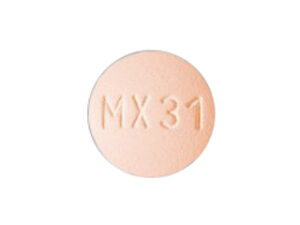



Seroquel (Quetiapine) — Patient Information (UK)
Seroquel is a brand name for quetiapine, a medicine used to treat certain mental health conditions. In the UK, quetiapine is prescribed by healthcare professionals and comes in different strengths and formulations (including immediate-release and extended-release versions). This guide is written to help you understand what Seroquel does, how it works in the body, how it is usually taken, and what to consider for safe use.
Quick facts
- Active ingredient: Quetiapine
- Brand name: Seroquel
- Type of medicine: Atypical antipsychotic
- Common formulations: Immediate-release (often taken more than once daily) and extended-release (often taken once daily)
- Conditions treated: Schizophrenia, bipolar disorder, and sometimes as an add-on or for specific depressive symptoms depending on local guidance
- Important: Always use the exact formulation and dosing schedule your prescriber recommends
What is Seroquel used for?
Seroquel (quetiapine) is used to treat a range of conditions involving changes in mood, thought, and behaviour. Your exact indication and dosing depend on your diagnosis, symptoms, age, and overall health.
Indications (common approved uses in the UK)
- Schizophrenia: Helps reduce symptoms such as hallucinations, delusions, disorganised thinking, and social withdrawal.
- Bipolar disorder:
- Mania: Episodes of elevated mood, increased energy, and/or impulsive behaviour.
- Depression (bipolar depression): Depressive episodes associated with bipolar disorder.
- Maintenance: Helps reduce the risk of recurrence of mood episodes in bipolar disorder.
- Other mood-related indications: In some cases, quetiapine may be used to support treatment plans for mood symptoms under clinician assessment and local practice.
If you’re unsure which condition you are taking it for, check your medicine label or ask a pharmacist.
How Seroquel works (mechanism of action)
Quetiapine is classified as an atypical antipsychotic. Its effects come mainly from blocking (antagonising) certain brain receptors involved in mood and psychosis. Key actions include:
- Dopamine (D2) receptor antagonism: Helps reduce psychotic symptoms (e.g., hallucinations, delusions).
- Serotonin (5-HT) receptor antagonism: Contributes to mood-related effects and may influence cognition and anxiety.
- Histamine (H1) receptor antagonism: Can contribute to drowsiness and sleepiness.
- Alpha-1 adrenergic receptor antagonism: May contribute to blood pressure lowering, especially when starting or increasing dose.
Many people notice early changes such as improved sleep or reduced agitation within days, while full symptom improvement for schizophrenia or bipolar disorder can take longer (often several weeks).
Pharmacokinetics: how the body handles quetiapine
Pharmacokinetics describes how a drug is absorbed, distributed, metabolised, and eliminated. Understanding this can help you appreciate why timing and formulation matter.
Absorption and formulation
- Immediate-release: Quetiapine is absorbed relatively quickly after dosing. Blood levels rise and fall more noticeably.
- Extended-release: Quetiapine is released gradually, aiming for steadier blood levels and often once-daily dosing. It is important not to crush or alter extended-release tablets unless specifically instructed by a clinician or pharmacist.
Metabolism
Quetiapine is primarily metabolised in the liver, largely via the CYP450 enzyme system (especially CYP3A4). This is why some medicines and substances can significantly affect quetiapine levels.
Elimination
Quetiapine and its metabolites are eliminated mainly through the kidneys and in bile/faeces after hepatic metabolism. The exact pattern varies among individuals (for example, depending on age and liver function).
Why this matters: If you have liver impairment, are elderly, or take interacting medicines, your prescriber may adjust dose.
Typical starting and dosing approach
Dosing is individual and depends on the condition being treated, your age, liver function, and the specific Seroquel formulation. In many cases, dosing is increased gradually to improve tolerability (for example, to reduce sleepiness, dizziness, or low blood pressure).
General dosing principles (UK practice)
- Start low, go slow: Gradual titration can improve side effects early on.
- Follow formulation directions: Immediate-release and extended-release are not interchangeable on a “mg-for-mg” basis.
- Consistency matters: Take at the times advised, and keep a stable routine.
- Do not stop abruptly: Stopping suddenly can worsen symptoms and may cause withdrawal-like effects in some people.
Example dosing schedules (illustrative)
The following are illustrative examples of how gradual dose increases are commonly structured. Your own dose schedule should follow your treatment plan.
| Condition / formulation | Common approach | What you may notice |
|---|---|---|
| Schizophrenia (often immediate-release or extended-release depending on plan) | Gradual titration over days to weeks; maintenance dose tailored to response and tolerability | Sleepiness or dizziness early; symptom improvement may take several weeks |
| Bipolar mania (often titrated quickly compared with maintenance) | Start low and increase to a target dose to control agitation, mood, and behavioural symptoms | Sedation may occur; monitoring is important during dose changes |
| Bipolar depression (commonly once-daily with extended-release in many plans) | Gradual increase to reduce early side effects; target dose depends on clinical assessment | Fatigue/sleepiness is common; response varies |
| Maintenance in bipolar disorder | Use the lowest effective dose that prevents relapse | Long-term monitoring for metabolic and movement-related side effects |
Important: If you miss a dose, follow the advice on your medicine label or from your pharmacist. In general, do not take double doses to make up for a missed one. If you have frequent missed doses, speak to a pharmacist.
When to take Seroquel (timing)
Timing can influence side effects and effectiveness. Many people find Seroquel makes them drowsy, especially at the start of treatment.
Practical timing guidance
- If you feel sleepy: Your prescriber may advise taking it in the evening or at night, particularly for extended-release.
- For split dosing (immediate-release): Taking doses at consistent times can help maintain steadier effects.
- Be cautious the first days: Avoid driving or hazardous tasks until you know how it affects you.
Do not change your dosing times without advice, especially if you are taking other interacting medicines.
Food interactions and taking with meals
Food can affect how quickly quetiapine is absorbed, particularly with some formulations. As a general rule:
- Follow the specific instructions on your label. Some regimens are recommended to be taken with or without food.
- Keep your routine consistent. If you normally take it with food, try to continue doing so.
- Ask a pharmacist if you have questions about whether your particular Seroquel product should be taken with meals.
If your stomach becomes upset or you notice changes in sleepiness after meals, discuss this with your healthcare team.
Alcohol and medicine interactions
Alcohol
It is recommended to avoid alcohol while taking Seroquel, or at least keep it to an absolute minimum and discuss with a pharmacist first. Alcohol can increase sedation and dizziness, and it may impair judgement and coordination more than either substance alone.
Other medicines that may interact
Because quetiapine is metabolised by liver enzymes (notably CYP3A4), some medicines can either increase quetiapine levels (raising side effects) or decrease them (reducing effectiveness). Interactions can also occur through effects on heart rhythm, sedation, or blood pressure.
Common interaction themes to be aware of
- Medicines that affect CYP3A4: Certain antibiotics/antifungals and other drugs can change quetiapine levels.
- Sedatives and sleep medicines: Combining with benzodiazepines, opioids, antihistamines (some types), or sleeping tablets can increase drowsiness and risk of breathing suppression.
- Blood pressure lowering medicines: Combined effects may increase dizziness or falls, especially when standing.
- Medicines affecting heart rhythm: Some medicines may add to QT prolongation risk (a measure seen on ECG). If you have a history of heart rhythm problems, tell your clinician.
- Antidepressants and mood stabilisers: Many combinations are possible but require monitoring.
Always tell your pharmacist or prescriber about all medicines you take, including: over-the-counter products, herbal supplements (like St John’s wort), and recreational substances.
Safety profile: what to watch for
Like all medicines, Seroquel may cause side effects. Many people experience mild effects that improve with time, but some require urgent medical attention. Your clinician may monitor blood tests and physical measures during treatment.
Common side effects
- Drowsiness / sleepiness (particularly at the start or after dose increases)
- Dizziness, especially when standing up quickly
- Dry mouth
- Constipation
- Headache
- Increased appetite and weight gain
- Feeling tired or less energetic
Metabolic changes (important long-term monitoring)
Atypical antipsychotics, including quetiapine, can be associated with changes in:
- Blood sugar (risk of developing or worsening diabetes)
- Lipids (cholesterol and triglycerides)
- Weight
In the UK, monitoring may involve weight, BMI, blood pressure, glucose/HbA1c, and cholesterol at baseline and during treatment.
Movement-related side effects
- Restlessness (akathisia)
- Muscle stiffness or tremor
- Uncontrolled movements (less common, but important to report)
Report new movement symptoms promptly—effective treatments and dose adjustments may be possible.
Heart rhythm and blood pressure
Quetiapine can sometimes affect heart rhythm and may cause low blood pressure (orthostatic hypotension), particularly at the start or when increasing dose.
Serious side effects: seek urgent help
Contact urgent medical services or seek immediate medical attention if you experience:
- Fainting or severe dizziness
- Signs of an allergic reaction (swelling of face/lips, trouble breathing, widespread rash)
- High fever, severe muscle stiffness, confusion (rare but potentially life-threatening)
- Persistent chest palpitations, severe shortness of breath, or collapse
- Uncontrolled movements that appear suddenly or worsen rapidly
- Symptoms of high blood sugar (increased thirst/urination, unusual fatigue, blurred vision)
If you’re ever unsure whether a symptom is serious, it is safer to seek advice rather than wait.
Practical use tips for day-to-day success
- Use a routine: Taking your dose at the same time each day can reduce missed doses and side effect spikes.
- Safety first early on: Until you know how quetiapine affects you, avoid driving and risky activities.
- Stand up slowly: This may help dizziness from low blood pressure, especially during dose changes.
- Hydration and constipation support: Drink enough fluids and consider fibre foods to reduce constipation risk. If constipation persists, ask a pharmacist for advice.
- Monitor weight and wellbeing: If you notice increased appetite or weight gain, discuss it early—adjustments to diet, activity, and dose may help.
- Avoid abrupt stopping: If you need to stop, your clinician will usually advise a gradual reduction.
- Keep track of side effects: A short diary can help your healthcare team fine-tune dosing.
How long does it take to work?
Response time varies by condition and individual factors. Some people feel improvements in sleep or agitation within the first days, while broader symptom control often takes several weeks. Bipolar depression may show gradual improvements over weeks.
If you feel no benefit after a reasonable period, or side effects are intolerable, speak with your prescriber—dose and formulation adjustments are sometimes possible.
Alternatives to Seroquel (quetiapine)
If Seroquel isn’t suitable or doesn’t work well for you, there are alternative medicines used for similar conditions. The best option depends on diagnosis, past responses, side effect profile, other medicines, and personal factors.
Examples of alternative treatments (discuss with your clinician)
- Other antipsychotics: e.g., olanzapine, risperidone, aripiprazole, ziprasidone, and others (choice depends on symptoms and side effect risk).
- Mood stabilisers: for bipolar disorder, medicines such as lithium or lamotrigine may be considered depending on the phase of illness.
- Psychological and supportive interventions: talking therapies, sleep and routine support, and structured lifestyle plans can complement medication.
If you are thinking about alternatives, don’t stop Seroquel without advice. Sudden changes can lead to relapse or withdrawal-like effects.
UK market and legal context
In the UK, quetiapine is a prescription-only medicine. Availability and supply are managed through the NHS, pharmacies, and specialist services. Medicines must be authorised and meet UK regulatory standards for safety, quality, and efficacy.
Pharmacy teams in the UK follow standards for storage, dispensing, and patient counselling. If your medicine is unavailable, pharmacists may provide equivalent options only when permitted by regulation and after clinical checks.
Recent guidance and monitoring (what to expect)
Ongoing clinical guidance in the UK emphasises careful assessment before starting and ongoing monitoring during treatment with antipsychotics, including:
- Cardiometabolic monitoring: weight, blood pressure, blood glucose, and lipids
- Assessment of sedation and falls risk: especially in older adults
- Review of interactions: including liver-metabolised medications and medicines that increase sedation
- Mental state review: symptom response, adherence, and side effects to guide dose adjustments
- Safety checks: when there are risk factors for heart rhythm issues, low blood pressure, or movement disorders
Your prescriber or pharmacy may schedule review appointments and periodic blood tests depending on your personal risk factors.
Delivery and availability (UK online pharmacy)
Online pharmacies in the UK typically source medicines through licensed wholesalers and dispense under UK regulatory standards. Availability depends on stock levels, your formulation (immediate-release vs extended-release), and the specific strength required.
What you can do to avoid delays
- Order the correct Seroquel formulation and strength as stated on your label.
- Ensure your delivery details are correct (name, postcode, and contact number if requested).
- If you are on a stable routine, avoid late reorders so you don’t run short.
Delivery expectations
- Delivery times vary by courier and destination within the UK. Many pharmacies offer standard and sometimes express delivery options.
- Medicines should be delivered securely; follow any instructions about keeping the product in a safe place.
- If a supply issue occurs, the pharmacy may contact you to discuss alternatives allowed by regulation.
Storage instructions
- Store at room temperature and keep away from direct sunlight.
- Keep out of sight and reach of children.
- Check the packaging for any specific storage requirements.
- Do not use medicines beyond their expiry date.
FAQ
1) What does Seroquel feel like when it starts working?
Many people notice sleepiness or improved sleep early on. Mood and psychotic symptoms may improve more gradually over days to weeks. Response differs widely depending on the condition being treated and the individual dose.
2) Can I take Seroquel in the morning?
Some people take quetiapine in the evening due to drowsiness. Others may be prescribed a morning or split schedule depending on formulation and symptoms. Follow your label instructions. If morning dosing causes excessive sedation, speak to your pharmacist or prescriber.
3) Should I avoid driving?
Until you know how Seroquel affects you, avoid driving or operating machinery—especially when starting, increasing dose, or changing formulation. Drowsiness and slowed reaction time can occur.
4) What if I miss a dose?
Follow the advice on your medicine label or from your pharmacist. In general, do not take a double dose to make up for a missed one. If you miss multiple doses or are unsure, contact a pharmacist for guidance.
5) Can I drink alcohol while taking Seroquel?
It’s generally recommended to avoid alcohol because it can increase sedation and dizziness. If you want to drink, ask a pharmacist for personalised advice based on your dose and other medicines.
6) What medicines should I tell my pharmacist about?
Tell them about all medicines you take, including over-the-counter products, herbal supplements, and any recent changes. Pay special attention to sleeping tablets, sedatives, antidepressants, antifungals, antibiotics, and medicines for heart rhythm or blood pressure.
7) Why do I feel dizzy after standing up?
Quetiapine can lower blood pressure in some people, particularly during dose increases or early treatment. Stand up slowly and report frequent or severe dizziness.
8) Will Seroquel cause weight gain?
Weight gain can occur. Appetite may increase, and metabolic changes may develop in some people. Monitoring and lifestyle support can help, and your healthcare team may adjust treatment if needed.
9) Is it safe to stop Seroquel suddenly?
Stopping suddenly is usually not recommended. Abrupt discontinuation can lead to symptom worsening and may cause withdrawal-like effects in some people. If you want to stop, speak with your prescriber for a gradual plan.
10) Are there monitoring tests?
Many patients have baseline and periodic checks for weight, blood pressure, blood sugar, and cholesterol. Your clinician will tailor monitoring to your personal risks.
11) Does food affect Seroquel?
Food can influence absorption for some formulations. Always follow the instructions provided with your specific product and try to keep your routine consistent.
12) What should I do if I experience serious side effects?
Seek urgent medical attention if you have severe allergic symptoms, fainting, persistent chest palpitations, high fever with severe muscle stiffness/confusion, or signs of severe high blood sugar. When in doubt, contact a medical professional promptly.
Important note
This information is intended to support understanding of Seroquel (quetiapine) and should not replace advice from a healthcare professional. If you have specific questions about your symptoms, suitability, or side effects, speak to a pharmacist or clinician.