Cymbalta (Duloxetine) — Patient Information (UK)
Cymbalta is a medicine containing duloxetine, used to treat a range of long-term conditions. It belongs to a group of medicines known as serotonin–noradrenaline reuptake inhibitors (SNRIs). This page explains what Cymbalta is used for, how it works, how it is taken, what to expect, and important safety information for people in the United Kingdom.
This information is designed to be patient-friendly and does not replace advice from a healthcare professional. If you have questions about your treatment, speak to your prescriber or pharmacist.
1) Basic product information
| Item | Details |
|---|---|
| Medicinal product | Cymbalta |
| Active ingredient | Duloxetine |
| Medicine type | SNRI antidepressant / pain-modulating medicine |
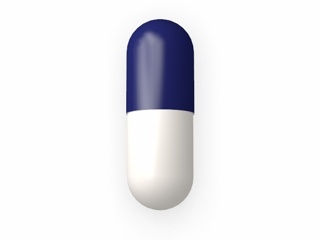
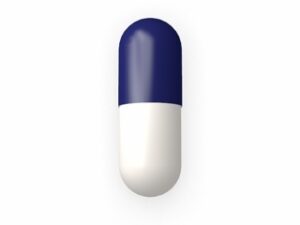
| Common formulation | Capsules (enteric-coated; strength depends on local product) |
| How it’s usually taken | By mouth, usually once daily for many indications |
| Typical storage | Store below 25°C (or as stated on your pack). Keep out of reach of children. |
Note: Different strengths (and occasionally dosing schedules) may apply depending on the condition being treated.
2) How Cymbalta works (mechanism of action)
Duloxetine increases the availability of two key natural brain chemicals: serotonin and noradrenaline, by blocking their reuptake into nerve cells. This can help:
- Improve mood and anxiety in certain conditions.
- Reduce pain signalling in nerves and the central nervous system.
- Support descending pain control, which helps with certain chronic pain conditions.
Because Cymbalta affects these pathways, it may take time for benefits to build, particularly for mood and anxiety.
3) Pharmacokinetics (what the body does to the medicine)
Understanding pharmacokinetics may help you know why timing, consistency, and interactions matter. In general:
- Absorption: Duloxetine is absorbed after oral use. Effects can be influenced by food intake (see food section below).
- Distribution: It binds to plasma proteins and distributes through the body, including the central nervous system.
- Metabolism: Duloxetine is mainly processed in the liver via enzymes (especially CYP2D6 and CYP1A2).
- Elimination: The medicine and its metabolites are removed primarily through the kidneys.
- Half-life: The time it takes for the body to reduce the amount of medicine by half is typically around several hours, but levels persist enough for once-daily dosing for many patients.
People with certain liver problems, significant kidney impairment, or those taking strong interacting medicines may require extra caution.
4) Typical uses and indications in the UK
Cymbalta (duloxetine) may be used for the following common indications (depending on local prescribing practice):
- Depression (major depressive disorder).
- Generalised anxiety disorder (GAD).
- Diabetic peripheral neuropathic pain (nerve pain related to diabetes).
- Chronic musculoskeletal pain, including conditions such as:
- chronic low back pain
- painful osteoarthritis
- Fibromyalgia (pain and tender points with fatigue and sleep disturbance).
Whether Cymbalta is the best option for you depends on your symptoms, medical history, other medicines you take, and how safe it is for you.
5) When and how to take Cymbalta (timing and consistency)
Cymbalta is commonly taken once daily. Some people are started on a lower dose and then adjusted gradually. Always follow the dosing schedule on your pack or as advised by a healthcare professional.
Practical timing tips
- Pick a consistent time each day (morning or evening) and try not to change it frequently.
- If the medicine makes you feel sleepy or affects sleep, consider taking it earlier in the day (discuss with your pharmacist).
- If it causes restlessness or affects sleep, taking it earlier may also help.
- Do not double up to make up for a missed dose.
How to take the capsule
- Swallow the capsule whole with water.
- Do not crush or chew the capsule (it contains coated granules designed to release in a controlled way).
6) Food interactions and what to expect
Food can affect duloxetine absorption. In general:
- Duloxetine can be taken with or without food in many cases.
- However, fatty food may increase absorption in some people, which could increase side effects such as nausea or dizziness.
If you notice that your symptoms (e.g., nausea) are worse when taking Cymbalta on an empty stomach, you may find it helps to take it with food. Keep the routine consistent and discuss persistent issues with your pharmacist.
7) Alcohol and medicine interactions
Alcohol
It’s generally recommended to limit or avoid alcohol while taking Cymbalta, because combining can increase risks such as:
- sleepiness, impaired judgement
- dizziness and falls
- worsening mood or anxiety symptoms in the long term
- greater strain on the liver (especially with heavy or regular drinking)
If you drink alcohol regularly or have liver disease, ask a healthcare professional for personalised advice.
Common medicine interactions
Duloxetine is metabolised by liver enzymes, and it also influences serotonin pathways. Some medicines can increase duloxetine levels or increase the risk of side effects. Examples include:
- Other antidepressants and serotonergic medicines (e.g., SSRIs, MAO inhibitors, triptans, linezolid, some opioids such as tramadol): may raise the risk of serotonin syndrome.
- Strong CYP1A2 or CYP2D6 inhibitors (some medicines used for infections, depression, or irregular heartbeat): may increase duloxetine exposure.
- Medicines that affect bleeding risk (e.g., warfarin, antiplatelets like clopidogrel, or NSAIDs such as ibuprofen in some cases): may increase bleeding tendency.
- Some migraine medicines and mood-stabilising medicines: may require careful review.
- Alcohol-containing or sedating medicines: may add to drowsiness and coordination problems.
Important medicines to mention to your pharmacist
- Any antidepressants, anxiety medicines, migraine medicines
- Blood thinners (e.g., warfarin) and antiplatelet drugs
- Medicines for heart rhythm problems
- Regular use of NSAIDs or steroids
- Herbal products (particularly St John’s wort)
If you start or stop any medicine while taking Cymbalta, inform your pharmacist or prescriber.
8) Dosing (typical approach and adjustments)
Dosing depends on the condition being treated, your age, overall health, and how you respond. In many cases, duloxetine is started at a lower dose to improve tolerability and then increased if needed.
General dosing principles
- Start low, go slow: Many people begin with a lower dose to reduce nausea, dizziness, or sleep disturbance.
- Gradual titration: Dose increases may happen over days to weeks depending on tolerability and goals.
- Maintenance: Once an effective dose is found, it may be continued to help prevent symptom return.
- Stopping: Do not stop suddenly without advice. Gradual tapering may be needed to reduce withdrawal-like symptoms.
How to confirm your exact dose: Always check your own pack for the exact strength and instructions.
9) Safety profile and important warnings
Cymbalta may cause side effects. Many are mild to moderate and improve as your body adjusts. However, some symptoms may require urgent medical attention.
Common side effects
- Nausea (one of the most common early side effects)
- Dry mouth
- Headache
- Dizziness or light-headedness
- Sleep changes (sleepiness or insomnia)
- Constipation or other stomach upset
- Reduced appetite
- Increased sweating
- Fatigue
Less common but serious risks (seek urgent advice)
- Serotonin syndrome: symptoms may include agitation, confusion, fever, sweating, tremor, diarrhoea, and fast heart rate—especially if combined with other serotonergic medicines.
- Mania or hypomania: feeling unusually energised, needing far less sleep, racing thoughts.
- Severe allergic reaction: swelling of face/lips, difficulty breathing, widespread rash.
- Unusual bleeding or bruising, especially if taking blood thinners or medications affecting bleeding.
- Eye problems (e.g., sudden eye pain or vision changes), particularly if you have certain types of glaucoma.
- Liver problems: symptoms may include yellowing of the skin/eyes, dark urine, severe fatigue, abdominal pain (rare but important).
- Severe skin reactions: blistering or peeling rash with fever or sore mouth.
Suicidality warning (important)
Antidepressant medicines can be associated with an increased risk of suicidal thoughts and behaviour in some people, especially young adults early in treatment or after a dose change. It is important to monitor for worsening mood, unusual changes in behaviour, or emerging suicidal thoughts, particularly during the first weeks of therapy or following dose adjustments.
Withdrawal effects if stopped suddenly
Stopping duloxetine abruptly can cause symptoms such as dizziness, headache, nausea, irritability, nightmares, tingling sensations, or “electric shock” feelings. Tapering gradually with medical guidance can reduce this risk.
10) Practical use tips (to get the best from your medicine)
- Expect an adjustment period: Some side effects can appear early. If symptoms are severe or persist, contact your pharmacist or prescriber.
- Give it time for benefit: Mood and anxiety benefits may take weeks. Pain-related benefits may also take time to settle.
- Track your progress: Note sleep, pain levels, anxiety, and side effects. This helps with dose review.
- Stay consistent: Taking it at the same time daily supports steady effects.
- Avoid missing doses: If you miss a dose, follow the instructions in your medicine guide—generally do not take a double dose.
- Be cautious with driving: If you feel dizzy or sleepy, avoid driving or operating machinery until you know how you respond.
11) Alternative options (if Cymbalta isn’t suitable)
If Cymbalta is not suitable for you due to side effects, interactions, or lack of benefit, there are alternative treatments depending on the condition being managed.
For depression and anxiety
- Other antidepressants (for example SSRIs or other SNRIs—choice depends on your history and side effect profile)
- Psychological therapies (e.g., CBT) often combined with or used alongside medicines
- Sleep and lifestyle support strategies (exercise, sleep hygiene, reducing alcohol)
For chronic pain and neuropathic pain
- Gabapentin or pregabalin (for some neuropathic pain conditions)
- Other SNRI alternatives where appropriate
- Topical treatments (for some pain types) and structured physiotherapy
- For some conditions: pain management programmes or referral to specialist services
Always discuss changes with a healthcare professional—switching antidepressant/pain medicines can require careful planning.
12) UK market and legal context (summary)
In the United Kingdom, medicines like Cymbalta are regulated under the national medicines framework. Duloxetine is supplied through licensed channels and must be used according to the product licence and professional guidance.
- Regulation: Medicines are authorised and monitored for safety through UK health authorities.
- Clinical oversight: Treatment should be guided by relevant clinical standards for the indication.
- Pharmacy supply: Only legitimate, quality-assured supplies should be used.
If you’re comparing options between pharmacies, use the same active ingredient and strength, and make sure the product name and formulation match what your clinician recommended.
13) Recent guidance and monitoring (what clinicians commonly focus on)
While guidance evolves, UK clinical practice commonly emphasises:
- Careful assessment of comorbidities (especially liver disease, kidney impairment, bipolar history, and glaucoma).
- Review of interacting medicines (serotonergic drugs and medicines affecting liver enzymes).
- Monitoring early in treatment for side effects, mood changes, and treatment response.
- Gradual dose changes and cautious discontinuation planning.
Your pharmacist may also check for “red flag” symptoms and advise what to do if they occur.
14) Delivery and availability (UK online pharmacy)
Cymbalta is generally available through UK pharmacy channels. Availability can vary by strength and pack size. Online pharmacies typically provide:
- Secure packaging to protect medicines during transit.
- Estimated delivery times at checkout.
- Tracking options where offered.
- Customer support if you have queries about your order or delivery.
If you have time-sensitive needs or specific strength requirements, it can be helpful to check stock updates before ordering.
15) Frequently asked questions (FAQ)
How long does Cymbalta take to work?
Many people notice some changes within the first couple of weeks, but full benefits—especially for mood and pain—often take longer. If you feel no improvement after several weeks, speak to your prescriber to discuss whether your dose or approach should be reviewed.
Can I take Cymbalta with food?
Yes, in many cases Cymbalta can be taken with or without food. If you experience nausea, taking it with food may help. Try to keep your routine consistent.
What should I do if I miss a dose?
If you miss a dose, take it when you remember only if it is close to your next scheduled dose. Generally, do not take a double dose. Refer to the instructions provided with your medicine or ask your pharmacist for advice tailored to your dosing schedule.
Is it safe to drink alcohol while taking Cymbalta?
It’s best to limit or avoid alcohol. Alcohol can worsen side effects such as dizziness and drowsiness and may increase risks for some people, including those with liver concerns. If you want to drink occasionally, discuss safe limits with a healthcare professional.
Will Cymbalta make me feel sleepy or affect driving?
Some people feel drowsy or dizzy, particularly during the early phase or after dose changes. Until you know how you respond, take care with driving, cycling, and any activity requiring alertness.
Can Cymbalta be taken with other painkillers?
Often, certain painkillers can be used alongside Cymbalta, but it depends on the medicine. Non-steroidal anti-inflammatory drugs (NSAIDs) and certain other medications may increase bleeding risk or interact in other ways. Always check with your pharmacist, especially if you take regular ibuprofen/naproxen or other prescription medicines.
Are there any foods or supplements I should avoid?
There are no strict food restrictions for everyone, but consistency matters. Supplements like St John’s wort may interact with antidepressants and are generally not recommended without professional advice.
How should I stop taking Cymbalta?
Do not stop suddenly. A gradual reduction (taper) is often recommended to help prevent withdrawal-like symptoms. Your healthcare professional can guide the safest plan.
Can Cymbalta be used for neuropathic pain?
Yes. Duloxetine is used for certain nerve-related pain conditions, including diabetic peripheral neuropathic pain and other chronic pain syndromes. Response varies from person to person, and it may take time to benefit.
What if I have kidney or liver problems?
This matters. Duloxetine is processed by the liver and eliminated by the kidneys. People with liver disease or significant kidney impairment may require dose adjustment or alternative treatment. Speak with a healthcare professional before use.
What side effects should I report urgently?
Seek urgent advice if you experience symptoms suggestive of serotonin syndrome (severe agitation, fever, sweating, tremor), severe allergic reactions (swelling, breathing problems), significant bleeding, yellowing of the skin/eyes, or severe rash/blistering.
Summary
Cymbalta (duloxetine) is an SNRI medicine used in the UK for depression and anxiety, as well as several chronic pain conditions such as diabetic neuropathic pain, fibromyalgia, and certain musculoskeletal pain. It works by balancing serotonin and noradrenaline signalling, which can improve both mood and pain processing. Benefits usually build over time, and careful dosing and monitoring help reduce side effects. Because Cymbalta can interact with other medicines and affect the liver, it’s important to review your current medicines and alcohol intake with a healthcare professional.