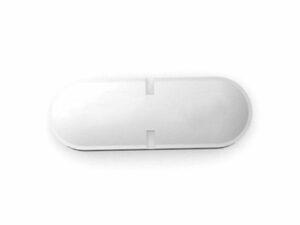
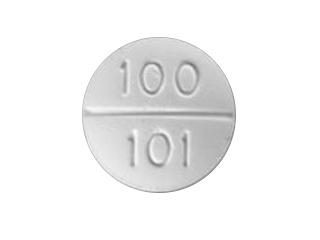


Dapsone (Diaminodiphenyl sulfone) — Patient Information (UK)
Dapsone (also known as diaminodiphenyl sulfone) is a medicine used mainly for certain chronic infections and, in some cases, specific skin conditions. This page explains how it works, typical uses, how it is taken, important safety information, and practical guidance for patients in the United Kingdom.
Basic product information
| Feature | What to know |
|---|---|
| Generic name | Dapsone (diaminodiphenyl sulfone) |
| Common brands | May vary by manufacturer and supply (ask your pharmacist for the exact brand you receive). |
| Medicine type | Antibacterial/anti-inflammatory agent with strong activity against certain organisms. |
| How it’s taken | Usually by mouth (tablets). Your regimen depends on the condition being treated. |
| Who it’s for | Adults and, in selected circumstances, children—based on specialist advice and monitoring. |
| Key safety theme | Regular blood monitoring may be required due to risks such as anaemia and blood cell changes. |
How Dapsone works (mechanism of action)
Dapsone is best known for its activity against Mycobacterium leprae (leprosy) and for certain infections where it disrupts bacterial survival pathways. Its detailed mechanism can vary by organism, but in general it works by interfering with folate-related processes in susceptible microbes, reducing their ability to grow and spread.
Dapsone also has anti-inflammatory effects that help control some immune-mediated skin conditions. This dual action explains why it is used for more than one type of condition.
Pharmacokinetics (what the body does to Dapsone)
“Pharmacokinetics” describes how a medicine is absorbed, distributed, metabolised, and eliminated. While individual results can vary, the general principles for Dapsone include:
- Absorption: Dapsone is absorbed after oral dosing. Taking it consistently helps maintain steadier levels.
- Distribution: It distributes into body tissues, including skin and blood.
- Metabolism: Dapsone is metabolised mainly in the liver.
- Elimination: It is eliminated more slowly than many antibiotics. This can lead to a longer duration of effect and is one reason careful monitoring matters.
Because of its longer persistence in the body, missing doses or dose changes should be managed carefully according to your clinician’s plan.
Typical uses in the UK
In the UK, Dapsone is used for selected conditions. The most common uses include:
- Leprosy (as part of combination regimens recommended for the disease).
- Dermatological conditions such as dermatitis herpetiformis (a blistering, itchy condition linked to coeliac disease). In some cases, Dapsone may be used to control symptoms while the underlying cause is addressed.
- Other specialist-directed infections or inflammatory conditions where benefits outweigh risks.
The exact purpose and regimen should match your diagnosis and medical history, as Dapsone is not a “one-size-fits-all” antibiotic.
When and how Dapsone is taken (timing guidance)
Follow your healthcare professional’s instructions exactly. If you do not have a clear schedule, speak to your pharmacist. As general advice:
- Consistency matters: Try to take Dapsone at the same time each day.
- With or without food: Many people can take it with food to help reduce stomach discomfort.
- Do not stop suddenly: Abrupt stopping may cause symptoms to return in conditions like dermatitis herpetiformis.
- Gradual adjustments: Dose changes are usually planned based on response and blood test results.
If you miss a dose, take it when you remember unless it is close to the next dose. If it’s near the next dose, skip the missed dose and continue normally. Do not take a double dose.
Food interactions
Dapsone is generally taken regardless of meals, but food can influence comfort and absorption for some medicines. Practical tips include:
- Taking with food may help if you experience nausea or stomach upset.
- Maintain a steady routine (same meal timing) to reduce day-to-day variation in how you feel.
There are no universal “avoid with food” rules for all patients; the key is avoiding interactions with other medicines and ensuring regular monitoring.
Alcohol and medicine interactions
Alcohol
Alcohol may increase the chance of side effects, especially where liver function or blood counts may be affected. While strict avoidance is not always required, it’s generally safer to:
- Limit alcohol and avoid binge drinking.
- Seek medical advice if you have liver disease or frequent heavy alcohol use.
Medicine interactions
Some combinations can increase risks such as anaemia, methemoglobinaemia, or liver strain. Always tell your pharmacist or doctor about all medicines you take, including over-the-counter products and supplements.
- Other medicines affecting blood: Combining Dapsone with other drugs that may affect blood cells could increase monitoring needs.
- Drugs that can influence folate pathways: Because Dapsone can affect folate metabolism in susceptible contexts, clinicians may adjust folate status or monitor more closely. If folate supplements are considered, do not self-start—follow professional guidance.
- Medications that increase methemoglobin risk: Some drugs can make methemoglobinaemia more likely. Report symptoms such as breathlessness, bluish lips, or unusual fatigue promptly.
- Other liver-metabolised medicines: Dapsone is metabolised in the liver. Combining it with other potentially liver-affecting drugs may require additional caution and checks.
If you want, you can list your current medicines here and your pharmacist can check for likely interaction risks.
Indications (what conditions it treats)
“Indications” means the approved or established reasons doctors use a medicine. Dapsone may be used for:
- Leprosy as part of recommended multi-drug therapy.
- Dermatitis herpetiformis to reduce itch and blistering while addressing coeliac disease.
- Selected specialist uses in other infections or immune-mediated conditions, depending on clinical assessment and availability of alternatives.
If you were prescribed Dapsone for a condition not listed above, ask your clinician to explain why it fits your diagnosis.
Dosing (general information)
Dosing depends on the condition, your age, body size, kidney and liver function, and results of baseline and ongoing blood tests. Below is general information; it is not a substitute for individual instructions.
Common dosing patterns
- Adults: Doses vary widely by indication and response.
- Children: Dosing is typically weight-based and requires careful monitoring.
- Dermatitis herpetiformis: Clinicians often start at a dose that reduces symptoms, then adjust to the lowest effective dose.
- Leprosy: Dapsone is used as part of combination regimens; the overall regimen and duration are defined for the disease.
Important dosing safety points
- Use the exact tablet strength you were given.
- Do not change dose unless your prescriber instructs you.
- Regular blood tests are often necessary—especially early in treatment or after dose changes.
- Report side effects early rather than waiting for the next appointment.
Safety profile and side effects
Like all medicines, Dapsone can cause side effects. Many are manageable, but some require urgent attention. Below is a patient-friendly overview of important risks and what to watch for.
Common or known side effects
- Nausea or stomach upset
- Headache or dizziness
- Loss of appetite
- Skin changes (rash may occur)
Serious risks (seek advice promptly)
Dapsone can, in some people, affect blood and oxygen-carrying capacity. It can also cause liver-related effects. Contact urgent medical help if you experience:
- Signs of anaemia: unusual tiredness, weakness, paleness, fast heartbeat, or breathlessness.
- Methemoglobinaemia symptoms: shortness of breath, bluish/grey lips or skin, headache, chest discomfort, or a “cough” with breathing difficulty.
- Allergic reactions: swelling of the face/lips, severe rash, wheezing, or trouble breathing.
- Liver problems: yellowing of the eyes/skin (jaundice), dark urine, severe fatigue, or persistent nausea/vomiting.
- Severe rash or skin peeling with fever or mouth sores (possible serious skin reactions).
- Neurological symptoms such as unusual numbness, weakness, or severe confusion (report promptly).
Who needs extra caution?
- People with known blood disorders or a history of anaemia.
- Those with liver disease or a history of liver problems.
- People who might have G6PD deficiency (glucose-6-phosphate dehydrogenase deficiency). This condition can increase the risk of significant blood-related complications.
Monitoring (why blood tests are important)
Your clinician may carry out baseline tests and then repeat them periodically during treatment. Tests may include:
- Full blood count (FBC)
- Liver function tests (LFTs)
- In some cases, tests relating to oxygen-carrying changes
- G6PD status (if not already known)
Monitoring is designed to detect problems early—often before you feel unwell.
Practical use tips
- Take at the same time daily to support steady medicine levels.
- Keep track of symptoms: note changes in skin itch/blisters (if relevant) and any new symptoms such as unusual fatigue or breathlessness.
- Attend scheduled blood tests, especially during the first months of treatment or after a dose change.
- Check with your pharmacist before starting new medicines, particularly antibiotics, anti-inflammatory drugs, or products that affect blood.
- Hydration and diet: A regular balanced diet supports recovery, especially if you have ongoing skin or infectious conditions.
- Contraception and pregnancy planning: If you are pregnant, trying to conceive, or breastfeeding, seek specific advice from your clinician. Your situation affects risk/benefit decisions.
Alternative options
Alternatives depend on the condition being treated. Examples include:
- Dermatitis herpetiformis: Strict gluten avoidance (for coeliac disease) is essential long-term. Other medicines may be used if Dapsone isn’t suitable or is ineffective.
- Leprosy: Combination treatment regimens are standard and often involve multiple anti-leprosy medicines.
- Other specialist uses: Alternatives may include other antimicrobial or anti-inflammatory approaches depending on diagnosis and culture/susceptibility.
If Dapsone is not appropriate for you, your healthcare team can discuss the most suitable replacement based on your medical history and test results.
UK market, legal and guidance context
In the United Kingdom, Dapsone is a well-established medicine used for specific indications. Availability and prescribing practices are guided by national and specialist recommendations, along with medicine licensing status and local protocols.
Recent and ongoing clinical emphasis
- Risk-aware monitoring: Guidance across dermatology and infectious disease settings typically emphasises the need for blood monitoring and early recognition of haematological and hypersensitivity complications.
- Individual suitability: Patients with G6PD deficiency, liver disease, or previous blood abnormalities require special caution.
- Condition-specific regimens: For leprosy and dermatitis herpetiformis, treatment strategies are designed around the disease pathway, not solely around symptom relief.
Local clinical pathways may differ by region and by specialist service. Your prescribing clinician should provide the current plan and monitoring schedule.
Delivery and availability in the UK
Availability of Dapsone can vary depending on manufacturer and supply. Many online pharmacies in the UK can source medicines through standard distribution networks, but stock levels may change.
- Stock status: Check the product listing for availability (in stock/limited/ordered).
- Delivery timeframes: Delivery estimates depend on location and courier service.
- Packaging: Medicines are supplied in manufacturer packaging where possible, with clear labelling.
- Cold chain: Dapsone is not typically a cold-chain product unless specified for a particular brand formulation.
If your usual strength or brand is temporarily unavailable, the pharmacy may discuss suitable alternatives (such as another brand or strength) consistent with your treatment plan.
FAQ
1) What is Dapsone used for?
Dapsone is used for specific infections and skin conditions, including leprosy and dermatitis herpetiformis. The exact reason you take it depends on your diagnosis.
2) How quickly will I feel better?
This varies by condition. Some people notice improvements in skin symptoms within weeks, while other uses may take longer. Blood monitoring and dose adjustments may be ongoing early in treatment.
3) Will Dapsone cure the underlying condition?
For chronic conditions, Dapsone often helps control symptoms. For example, dermatitis herpetiformis is linked to gluten-sensitive enteropathy, so long-term gluten avoidance is important for lasting control.
4) Do I need blood tests?
Many patients do. Dapsone can affect blood counts and other body systems, so monitoring helps detect problems early. Your healthcare team will tell you what tests are needed and when.
5) Can I take Dapsone with food?
Usually yes. Taking it with food may help if you feel stomach discomfort. Try to keep a consistent routine.
6) Can I drink alcohol while taking Dapsone?
It’s generally safer to limit alcohol because of potential effects on liver function and overall side effect risk. If you have liver problems or heavy alcohol use, ask your clinician for personalised advice.
7) What should I do if I miss a dose?
Take it when you remember unless it’s close to the next scheduled dose. If it’s close, skip the missed dose. Do not take a double dose.
8) What are the warning signs that need urgent medical attention?
Seek urgent help if you experience trouble breathing, bluish/grey skin or lips, severe rash, swelling of the face, jaundice (yellow eyes/skin), or symptoms of significant anaemia such as marked weakness and breathlessness.
9) Are there alternatives if Dapsone doesn’t suit me?
Yes—alternatives depend on the condition. Your clinician can discuss different medicines and, where relevant, essential lifestyle measures (such as gluten-free diet for coeliac-related skin disease).
10) Where can I check my local availability?
Use the product listing in your chosen UK pharmacy to see current stock status and delivery options. If your exact strength is unavailable, the pharmacy can usually advise on next best options consistent with your treatment plan.
Important: This information is provided to help you understand Dapsone. It does not replace advice from a healthcare professional. If you have questions about suitability, interactions, or monitoring, speak to your pharmacist or clinician.