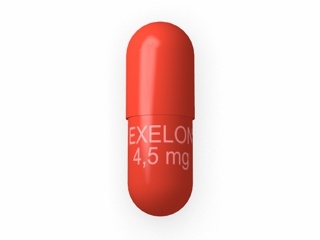

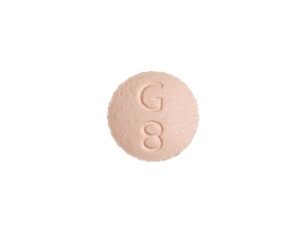
Exelon (Rivastigmine Tartrate) — Patient Information (UK)
Exelon contains rivastigmine tartrate, a medicine used to treat certain types of dementia. It works by supporting brain chemical pathways involved in memory and thinking. This page explains how Exelon works, how it is typically used, key safety information, and practical guidance for day-to-day use in the United Kingdom.
Please read this information alongside the package leaflet provided with your medicine and any advice from your healthcare professional.
1. Basic product information
| Item | Details |
|---|---|
| Medicine name | Exelon (rivastigmine tartrate) |
| What it is used for | Symptoms of Alzheimer’s disease dementia and dementia associated with Parkinson’s disease |
| Common formulations | Oral capsules or oral solution (and a patch formulation in some patients, depending on product availability) |
| How it’s taken | By mouth (capsules/solution) or via skin patch (if you are prescribed the patch) |
| Typical start | Low dose, then increased gradually to improve tolerability |
| Who it’s for | Adults with appropriate dementia diagnoses as determined by a clinician |
2. How Exelon works (mechanism of action)
In the brain, nerve cells communicate using chemical messengers, including acetylcholine. In Alzheimer’s disease and dementia with Parkinson’s disease, acetylcholine levels can be reduced.
Rivastigmine works by inhibiting enzymes that break down acetylcholine:
- Acetylcholinesterase
- Butyrylcholinesterase
By blocking these enzymes, Exelon can help maintain higher acetylcholine activity in the brain. This may help improve or stabilise symptoms such as memory, attention, and thinking in some people.
3. Pharmacokinetics (how the body handles Exelon)
“Pharmacokinetics” describes how a medicine is absorbed, distributed, metabolised, and eliminated. Rivastigmine has some characteristics worth understanding for safe use:
- Absorption: When taken by mouth, rivastigmine is absorbed into the bloodstream. Absorption may be influenced by food for some people, and taking it consistently with respect to meals can help reduce side effects.
- Onset: Effects are usually not immediate. Some benefits may be seen over weeks to months. Treatment aims to support symptoms rather than “cure” dementia.
- Metabolism: Rivastigmine is broken down mainly through enzyme pathways in the body. It does not rely heavily on liver metabolism in the same way as some other medicines.
- Elimination: Metabolites are removed primarily through the kidneys.
- Variability: Individual tolerance differs. That’s why dose increases are usually gradual.
If you have kidney or liver issues, your clinician may choose a cautious dosing schedule and monitor you more closely.
4. Typical uses and indications (what Exelon is for)
Exelon is indicated for the treatment of:
- Alzheimer’s disease dementia (mild to moderately severe, depending on local guidance and product licensing specifics)
- Dementia associated with Parkinson’s disease
In practice, clinicians consider diagnosis, symptom severity, and overall medical history before starting treatment.
5. Timing and how to take Exelon
The exact schedule depends on the formulation and dose strength you are given. Always follow your clinician’s instructions. The information below gives general timing guidance for oral rivastigmine.
General timing tips (capsules/solution)
- Usually taken twice daily for oral formulations. Try to take doses at similar times each day (for example, morning and evening).
- Take with food (details below) to reduce nausea and stomach upset for many people.
- Swallow as directed (do not crush or open capsules unless your pharmacist/leaflet instructs you to).
- Don’t change the dose suddenly. Dose adjustments are typically made gradually to improve tolerability.
If you miss a dose
If you miss a dose, follow this practical guidance:
- If it is close to the next dose, skip the missed dose and continue as normal.
- If you are not close to the next dose, take it when you remember—but do not take a double dose to make up for the missed one.
- If you miss several doses in a row, contact your clinician/pharmacist for advice on restarting and whether a lower starting dose may be needed.
6. Food interactions and taking with meals
Food can affect how oral rivastigmine is tolerated. Many people experience fewer side effects when taking Exelon with food.
- Nausea and vomiting are among the more common early side effects; food may help reduce these.
- Some people find taking it with breakfast and evening meals improves comfort.
- If your stomach feels sensitive, consistent meal timing is often beneficial.
For the most appropriate instruction, always follow the directions on your specific product label and leaflet.
7. Alcohol interactions
There is no single universal “alcohol is always unsafe” rule for rivastigmine, but alcohol can worsen side effects and affect people with dementia. Consider the following:
- Dizziness and light-headedness may be more noticeable with alcohol.
- Sleepiness or reduced coordination can be made worse.
- Alcohol may make it harder to maintain regular medication timing and may increase confusion in some people.
If you or the person you care for drinks alcohol, discuss safe limits with a pharmacist or clinician.
8. Medicine interactions (important)
Rivastigmine can interact with other medicines mainly due to effects on the nervous system and possible effects on heart rate. Interactions can also relate to side effects such as nausea, vomiting, and diarrhoea.
Medicines to mention to your pharmacist/clinician
- Other medicines that affect the cholinergic system (medicines that work in similar ways).
- Medicines that slow heart rate (for example, some treatments for heart rhythm or high blood pressure that can reduce pulse rate).
- Anticholinergic medicines (used for conditions such as overactive bladder or some types of allergies/movement disorders). These may reduce the effect of Exelon.
- Medicines for Alzheimer’s/Parkinson’s-related symptoms if used together—your prescriber will assess suitability.
- Metoclopramide and similar anti-nausea/anti-movement medicines (depending on the individual situation) because of gastrointestinal side-effect profiles.
Always provide a complete list of medicines and supplements to your pharmacist. Include: prescriptions, over-the-counter products, herbal remedies, and occasional medicines.
9. Dosing and dose adjustments
Dose is individualised and depends on tolerability. Exelon is typically started at a low dose and then increased stepwise. The aim is to find a dose that balances benefits with side effects.
Typical step-up approach (general)
- Start low: a small dose is usually used to see how the body responds.
- Increase gradually: dose is commonly raised after an interval (often several weeks) if tolerated.
- Stop or reduce if needed: if side effects become problematic, the clinician may pause or lower the dose and then reassess.
Exact strengths and schedules depend on the formulation you have been prescribed (capsules/solution vs patch) and your clinical circumstances. For that reason, always follow your label and leaflet.
When restarting after breaks
If you stop Exelon for more than a short period (for example, due to side effects, illness, or missed doses), restarting may require a re-titration from a lower dose. Contact your pharmacist or clinician if doses were missed for more than a brief time.
10. Safety profile and side effects
Like all medicines, Exelon may cause side effects, although not everyone gets them. Many side effects are most common when starting treatment or after dose increases, and may ease as the body adjusts.
Common side effects
- Nausea
- Vomiting
- Diarrhoea
- Loss of appetite
- Indigestion or abdominal discomfort
- Dizziness
- Headache
- Weight loss (more likely if appetite is reduced)
Less common but important effects
- Slow heart rate (bradycardia) or faintness
- Falls (often linked to dizziness, light-headedness, or low blood pressure)
- Sleep disturbances
- Muscle cramps or weakness in some people
- Worsening of gastrointestinal symptoms in those who are sensitive
Serious warning signs — seek urgent help
Seek urgent medical advice if you (or the person taking Exelon) experiences signs of a serious reaction, such as:
- Severe or persistent vomiting, inability to keep fluids down, signs of dehydration
- Fainting, very slow pulse, chest pain, or severe shortness of breath
- Signs of an allergic reaction (swelling of face/lips, widespread rash, difficulty breathing)
- Uncontrolled bleeding or severe worsening of overall condition
Who may need extra monitoring
- People with heart rhythm problems or history of fainting
- People prone to stomach upset, ulcers, or weight loss
- People with urinary problems (as cholinergic effects can influence bladder function in some cases)
- People taking medicines that affect the heart rate or digestion
- People with frailty or high risk of falls
11. Practical use tips (making treatment easier)
Exelon may work best and be safest when it’s taken consistently and monitored during the early titration phase. The tips below can help caregivers and patients:
- Keep a simple daily routine: link doses to meals (e.g., breakfast and evening meal).
- Track side effects: note nausea, vomiting, dizziness, appetite changes, bowel changes, and weight. Bring this information to reviews.
- Watch hydration: if nausea occurs, ensure fluids are taken regularly—small sips can help.
- Use a pill organiser: for capsule/solution schedules to reduce missed doses.
- Check for “interaction risk”: confirm with your pharmacist before starting new medicines, including over-the-counter products.
- Prevent falls: if dizziness happens, take extra care when standing up and remove trip hazards.
- Be ready for dose review: early side effects can often be managed by adjusting the dose or timing.
- Do not stop abruptly without advice: decisions to stop depend on treatment response and tolerability.
12. Alternative options to Exelon (rivastigmine)
Depending on the person’s diagnosis, severity, and tolerance, other treatments may be considered. Alternatives include medicines in the same overall therapeutic area or other dementia strategies.
Cholinesterase inhibitors
- Donepezil
- Galantamine
NMDA receptor antagonist
- Memantine (often considered for moderate to severe Alzheimer’s disease, depending on clinical assessment)
Not every alternative is suitable for every type of dementia or every patient. Switching may require careful medical review and sometimes a “washout” or dose adjustment plan.
13. UK market and legal context (how it’s supplied)
In the United Kingdom, medicines such as Exelon are supplied under the NHS and private healthcare systems in line with UK medicines regulations. Availability and formulation can vary.
Online pharmacies typically supply medicines in accordance with applicable UK pharmacy regulations and requirements. You may be asked to confirm suitability questions and provide delivery details as part of the dispensing process.
If you are unsure about eligibility, coverage, or which formulation is appropriate for you, speak to your pharmacist.
14. Recent guidance and clinical practice (high-level)
Dementia care in the UK is often aligned with guidance from national bodies and professional organisations. While individual decisions always depend on the person’s health profile, common themes in clinical practice include:
- Careful diagnosis: treatment selection depends on whether dementia is due to Alzheimer’s disease, Parkinson’s disease dementia, or another cause.
- Start low, go slow: gradual titration helps reduce nausea and other side effects.
- Ongoing monitoring: benefit and tolerability are reviewed regularly, including weight, gastrointestinal symptoms, and falls risk.
- Non-drug support: medication works alongside support for cognition, routine, caregiver help, and safety planning.
Local NHS services and specialist teams may have pathways for assessment and follow-up. Your clinician will decide how long to continue and whether dose changes are needed.
15. Delivery, availability, and packaging (UK online pharmacy)
Availability can vary by formulation (capsules, solution, and patch options). Many online pharmacies can deliver to UK addresses using standard and express delivery options, subject to stock levels and courier schedules.
What to expect when ordering online
- Stock and dispatch: dispatch times depend on supplier stock and order cut-off times.
- Packaging: medicines are provided in original packaging where possible to maintain labelling and patient information.
- Delivery updates: you may receive tracking details or dispatch notifications.
- Storage: store according to the instructions on the package (typically at room temperature away from moisture and heat).
If you need urgent medication, contact the pharmacy before ordering to check dispatch times for your postcode.
16. Storage and handling
- Store according to the package label and leaflet.
- Keep out of sight and reach of children.
- Do not use after the expiry date on the packaging.
- Keep medicines in their original container to protect them and to identify them easily.
17. FAQ about Exelon (rivastigmine tartrate)
How long does Exelon take to work?
Exelon is not usually “instant acting”. Some people may show improvement or stabilisation over several weeks. Clinicians typically review progress over time, balancing benefit with side effects.
Is Exelon a cure for dementia?
No. Exelon helps manage symptoms and may slow worsening for some people, but it does not cure dementia. Ongoing support, routine, and monitoring remain important.
What should I do if nausea or vomiting starts?
Nausea is a common early effect. Taking doses with food and ensuring adequate fluids can help. If vomiting is severe, persistent, or causes dehydration, contact your pharmacist or clinician promptly. Your dose may need adjustment.
Can Exelon be taken with food?
Many patients tolerate oral rivastigmine better when taken with meals. Follow the leaflet for your exact formulation, but in general meal-taking can reduce gastrointestinal side effects.
Are there foods I should avoid?
There are no universally required “food exclusions”, but consistent meal timing and not taking it on an empty stomach (if advised) may improve comfort. If you have specific dietary needs, discuss them with your pharmacist.
Can I drink alcohol while taking Exelon?
Alcohol can worsen dizziness and may affect safety, hydration, and confusion. If you choose to drink, consider keeping it minimal and discuss personal safety with a clinician or pharmacist.
Does Exelon affect the heart?
Rivastigmine can sometimes lower heart rate (bradycardia). If you experience fainting, very slow pulse, or severe dizziness, seek urgent medical advice. Let your pharmacist know if you have heart rhythm concerns.
What happens if I miss a dose?
If it’s close to your next dose, skip the missed dose. If you missed multiple doses, you may need to restart at a lower dose. Contact your pharmacist or clinician for guidance.
Can Exelon be used with other medicines?
Many medicines can be used together safely, but some combinations need careful review, particularly medicines that affect heart rate or have opposite effects to cholinergic activity. Always share your full medicine list with your pharmacist.
What if there is no benefit?
Dementia symptoms vary. If there is no clear benefit or side effects outweigh benefits, your clinician may consider dose changes, switching medicines, or stopping. Never stop without advice.
Are there alternatives if Exelon isn’t tolerated?
Yes. Depending on diagnosis and tolerability, clinicians may consider other cholinesterase inhibitors (such as donepezil or galantamine) or other therapies. Suitability depends on the individual.
Where can I get more information?
Your pharmacist and the patient leaflet provide the most accurate details for your specific product strength and formulation. If you have questions about side effects or interactions, ask your pharmacist.
18. Summary
Exelon (rivastigmine tartrate) helps manage symptoms of certain dementias by increasing acetylcholine activity in the brain. Treatment usually begins with a low dose and increases gradually to reduce gastrointestinal and other side effects. Taking oral doses with meals, monitoring appetite/weight and stomach comfort, and keeping healthcare reviews are key parts of successful use.
If you have specific concerns about your situation—such as other medicines, heart rate issues, frequent nausea, or missed doses— speak to your pharmacist or clinician for personalised guidance.