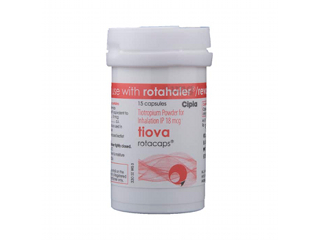
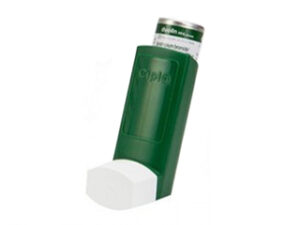

Tiova Rotacap (Tiotropium Bromide) – Patient Information Guide (UK)
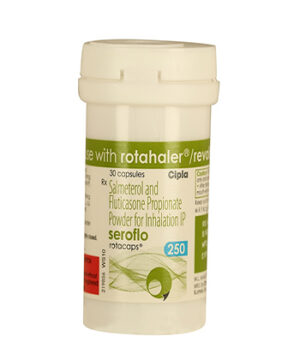
Tiova Rotacap contains tiotropium bromide, a long-acting medicine used to help keep airways open and reduce breathlessness in certain lung conditions. It belongs to a group of medicines called antimuscarinics (also known as long-acting muscarinic antagonists).
This guide explains what Tiova Rotacap is, how it works, how to use it with the Rotacap device, typical uses in the United Kingdom, important safety information, and practical tips.
1. Basic product information
| Feature | Details |
|---|---|
| Medicine name | Tiova Rotacap |
| Active ingredient | Tiotropium bromide |
| Medicinal form | Inhalation capsule for use with the Rotacap inhalation device |
| Type | Long-acting antimuscarinic bronchodilator (LAMA) |
| Usual dosing frequency | Once daily inhalation (commonly at the same time each day) |
| Common effect | Helps keep airways open and reduces symptoms of COPD |
Important: Do not use Tiova Rotacap to quickly relieve a sudden attack of breathlessness. For sudden symptoms, your healthcare professional may provide a short-acting reliever inhaler (commonly a short-acting bronchodilator).
2. What Tiotropium Bromide does (Mechanism of action)
Tiotropium bromide works by blocking muscarinic receptors in the airways. When these receptors are activated, they can cause the airway muscles to tighten and mucus production to increase. Blocking them helps:
- Relax airway muscles (bronchodilation), making it easier to breathe.
- Reduce airway narrowing that occurs in chronic lung diseases.
- Improve airflow and help reduce symptoms over the day.
Because it is designed to act for a long time, Tiova Rotacap is usually taken once daily to maintain symptom control.
3. Pharmacokinetics (How the body handles the medicine)
After inhalation, tiotropium is absorbed mainly from the lungs and distributes into body tissues. Key points include:
- Absorption: Inhaled tiotropium reaches the lungs where it can act locally in the airways.
- Distribution: It has a significant effect in the respiratory tract; some portion may be swallowed and absorbed through the gastrointestinal tract, though the swallowed fraction is generally not the main driver of the therapeutic effect.
- Metabolism: Tiotropium is not extensively metabolised.
- Elimination: The medicine is cleared largely through the kidneys.
- Duration of action: Long binding to airway receptors contributes to its once-daily effect.
Because clearance depends partly on kidney function, people with kidney problems may need extra caution and should discuss suitability and monitoring with a healthcare professional.
4. Typical use in the UK
Tiova Rotacap is primarily used for chronic obstructive pulmonary disease (COPD), especially for long-term symptom control. COPD includes conditions such as chronic bronchitis and emphysema.
Depending on your individual diagnosis and treatment plan, tiotropium may be used:
- To improve symptoms such as breathlessness
- To reduce the effects of airflow limitation
- As part of a maintenance regimen with other inhaled therapies where appropriate
Not for asthma: Tiotropium products are not generally used as a replacement for inhaled corticosteroids in asthma management. If you have asthma, always follow a plan specifically tailored for asthma.
5. Indications (When Tiova Rotacap is used)
In the UK, tiotropium bromide inhalation capsules are indicated for:
- Maintenance treatment of COPD in adults, to improve lung function and reduce symptoms.
Your clinician will decide whether Tiova Rotacap is suitable based on your COPD severity, symptom pattern, inhaler technique, and risk of exacerbations.
6. Dosing and timing
Typical adult dosing: The usual recommended dose is 18 micrograms once daily inhaled from the Rotacap capsule.
How to take it:
- Take your dose once a day.
- Try to take it at the same time each day to maintain consistent symptom control.
- Use only the Rotacap inhalation device that matches the capsules.
Missed dose: If you miss a dose, take it when you remember. If it is close to your next scheduled dose, skip the missed dose—do not double to make up for it.
Onset and timing expectations: Some people notice improved breathing within minutes, but the full benefits are typically felt over days as part of long-term maintenance therapy.
7. Food interactions
Food does not usually have a clinically meaningful impact on the inhaled action of tiotropium. Because tiotropium is delivered to the lungs, meals are not expected to significantly change its effectiveness.
However, inhalation technique matters. If you swallow more capsule contents due to incorrect device use, it may increase swallowed absorption, which may contribute to side effects such as a dry mouth. This is not typically related to what you eat, but technique can influence how much medicine reaches the lungs.
8. Alcohol interactions
There are no well-established direct interactions between tiotropium inhalation and alcohol.
That said, heavy alcohol use can worsen breathing symptoms or contribute to poor sleep, dehydration, and reduced adherence to treatment plans. If you drink alcohol, consider:
- Keeping intake moderate
- Ensuring you continue your daily COPD maintenance inhaler
- Using your prescribed reliever inhaler for sudden breathlessness if recommended
9. Medicine interactions (including common co-treatments)
Always inform your healthcare professional about all medicines you take, including inhalers, tablets, and any supplements.
Key interaction considerations include:
- Other antimuscarinic medicines: Combining tiotropium with other medicines that also have antimuscarinic effects (e.g., some other inhalers) may increase the risk of side effects such as dry mouth, constipation, or urinary retention. Your care team will ensure combinations are appropriate.
- Potential effects on urination: Tiotropium can occasionally cause difficulty passing urine, especially in those with an enlarged prostate or bladder outflow obstruction.
- Eye symptoms (glaucoma risk): Antimuscarinic medicines can occasionally affect eyes indirectly if mist escapes. People with a history of narrow-angle glaucoma should use caution and seek advice promptly if symptoms occur.
Beta-agonists, inhaled corticosteroids, and COPD medicines: Tiotropium is commonly used alongside other COPD treatments such as long-acting beta-agonists (LABAs) and inhaled corticosteroids (ICS) depending on the individual plan. If you are unsure, check your medication list with a pharmacist.
10. Safety profile (What to watch for)
Most people tolerate tiotropium well. As with all medicines, Tiova Rotacap can cause side effects. Many are mild and improve over time.
Common side effects
- Dry mouth
- Sore throat or throat irritation
- Constipation or difficulty with bowel movements
- Urinary symptoms (e.g., difficulty urinating) in susceptible individuals
Less common but important side effects (seek medical advice)
- Sudden worsening breathing or wheezing that is new or unexpected
- Eye pain, blurred vision, halos around lights (possible acute glaucoma symptoms)
- Allergic reaction such as rash, swelling of the face/lips, or sudden difficulty breathing
- Severe constipation with abdominal swelling or pain
- Severe difficulty urinating
Who should take extra care
- People with narrow-angle glaucoma
- People with urinary retention, enlarged prostate, or bladder outlet obstruction
- People with kidney impairment (since clearance depends on the kidneys)
- People who have had trouble using inhalers previously (inhaler technique may affect safety and effectiveness)
Pregnancy and breastfeeding
If you are pregnant, planning pregnancy, or breastfeeding, speak with a healthcare professional for advice on the safest approach for your situation.
11. Practical use tips (How to use Tiova Rotacap correctly)
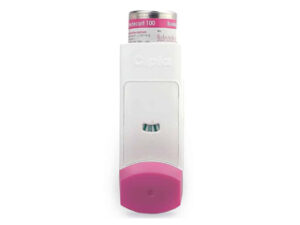
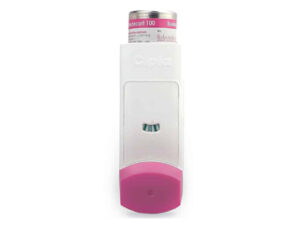
Correct technique is essential for benefit and for reducing side effects. Use the capsule only with the Rotacap inhalation device provided for this product.
Before you start
- Check the capsule is intact and not damaged.
- Ensure the device is clean and dry.
- Wash and dry your hands before handling the capsule.
Step-by-step technique overview
Because devices can vary slightly, follow the instructions provided with your Rotacap device. As a general guide:
- Open the Rotacap capsule storage blister/capsule container immediately before use.
- Place one capsule into the chamber of the Rotacap inhaler.
- Close the mouthpiece and pierce the capsule as directed by your device instructions.
- Breathe out gently away from the device (do not blow into the inhaler).
- Seal your lips around the mouthpiece and inhale forcefully and deeply so the capsule contents aerosolise.
- Remove the inhaler and hold your breath briefly if comfortable, then breathe out slowly.
- Open the device and check that the capsule is empty. If powder remains, you may need to adjust technique and try again next time.
Tips to improve effectiveness
- Inhale strongly: Capsules usually require a good inspiratory flow.
- Don’t chew or swallow the capsule: It is intended for inhalation only.
- Rinse mouth after inhalation if you get throat irritation. (Dry mouth can also be helped by sipping water.)
- Keep track of your doses using a daily routine or reminder.
If your symptoms don’t improve
If you experience persistent breathlessness despite using Tiova Rotacap, the issue may be related to COPD severity, adherence, inhaler technique, or the need for additional therapy. Do not stop your medicine without advice.
12. Alternatives to Tiova Rotacap (What else may be considered)
Depending on your COPD symptoms and treatment goals, alternatives may include other long-acting bronchodilators.
Common alternative classes
- Other LAMAs (long-acting muscarinic antagonists), for example other tiotropium products or different LAMA inhalers.
- LABAs (long-acting beta-agonists)
- LAMA/LABA combinations (two bronchodilators in one inhaler)
- Inhaled corticosteroids (ICS) in selected patients, typically for those with frequent exacerbations or other specific criteria
Your clinician can advise which option suits you, considering inhaler preference, technique, side effect risk, and disease characteristics.
13. UK market and legal context (overview)
In the United Kingdom, respiratory medicines such as tiotropium are regulated and supplied under established healthcare standards. Advice and prescribing decisions are guided by clinical protocols and regulatory information relevant at the time of use.
For online pharmacy supply, customers should generally:
- Ensure the product matches their intended therapy and correct inhaler device type.
- Read the package information leaflets provided with the medicine.
- Seek professional advice if they have kidney problems, urinary symptoms, eye disease, or are unsure about inhaler technique.
Recent guidance context (NICE and COPD management): UK COPD treatment is commonly aligned with clinical guidance (including NICE recommendations) that emphasises symptom control, appropriate bronchodilator selection, and escalation if exacerbations occur. For many people, maintenance bronchodilators (including LAMAs such as tiotropium) form a cornerstone of long-term management.
14. Delivery and availability (UK)
Tiova Rotacap availability can vary by pharmacy and current stock levels. When purchasing online, you can generally expect:
- Home delivery options depending on the provider
- Packaging designed to protect inhalation capsules
- Quality and storage guidance included with the product
If stock is temporarily unavailable, many pharmacies offer options such as restocking updates or alternative product suggestions (subject to clinical suitability).
Storage: Follow the storage instructions on the pack. Keep capsules protected from moisture and do not remove them from their packaging until needed.
15. Frequently Asked Questions (FAQ)
Is Tiova Rotacap a reliever inhaler?
No. Tiova Rotacap is a maintenance medicine intended for daily control. It is not designed to relieve sudden breathlessness quickly. If you get sudden symptoms, use your reliever inhaler as directed by your healthcare plan.
How long does it take to work?
Some improvement may be felt sooner, but the best effect is usually achieved with regular daily use. Consistent use over days supports symptom control.
What if I taste the medicine or it irritates my throat?
Some people experience throat irritation or a dry mouth. Ensure you inhale correctly (deep and forceful). Sipping water after inhalation may help. If irritation persists or worsens, seek advice.
Can I use Tiova Rotacap if I have kidney problems?
People with reduced kidney function should use tiotropium only with appropriate medical advice. Your clinician/pharmacist may assess suitability and any additional monitoring needs.
Can I take Tiova Rotacap with other COPD inhalers?
Often yes. Tiova Rotacap is commonly used alongside other COPD treatments such as LABAs and inhaled corticosteroids in selected regimens. Always confirm your combination to avoid duplicating medicines with similar effects.
Are there any food restrictions?
There are typically no specific food restrictions. However, correct inhaler technique is important for reliable delivery.
Can I drink alcohol while using Tiova Rotacap?
There are no clear direct alcohol interactions. Still, alcohol can worsen overall breathing symptoms in some people, so moderate intake and adherence to your treatment plan are advised.
What should I do if I miss a dose?
Take it when you remember. If it is near your next dose, skip the missed one. Do not double up.
Who should get urgent medical help?
Seek urgent medical care if you develop signs of a severe allergic reaction, sudden severe breathing difficulty, or eye symptoms such as severe pain with blurred vision or halos around lights.
Summary
Tiova Rotacap (tiotropium bromide) is a long-acting inhaled medicine used to support maintenance treatment of COPD. By blocking muscarinic receptors in the airways, it helps keep airflow open and reduces breathlessness. Use it once daily with the correct Rotacap device, and do not use it as a fast reliever for sudden symptoms. If you have kidney problems, urinary difficulties, or eye conditions, you should take extra care and seek professional advice.
Always read the product information leaflet supplied with your medicine for full details, including contraindications, warnings, and complete instructions for use.