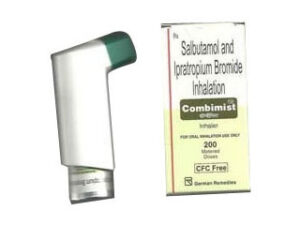
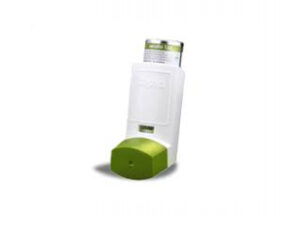
Combivent (Levosalbutamol / Ipratropium bromide) — Patient Guide (UK)
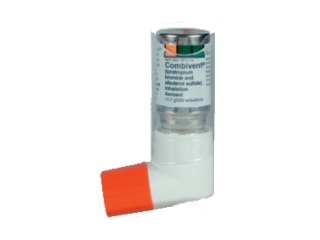
Combivent is an inhaled medicine used to help relieve breathing difficulties in people with certain long-term chest conditions, such as chronic obstructive pulmonary disease (COPD). It contains two active medicines: levosalbutamol (a fast-acting “reliever” bronchodilator) and ipratropium bromide (an anticholinergic bronchodilator).
This page explains what Combivent is, how it works, when and how it’s typically used, key safety information, and practical tips. It is written for patients in the United Kingdom.
Basic product information
- Brand name: Combivent
- Active ingredients: Levosalbutamol + Ipratropium bromide
- Medicinal type: Inhaled bronchodilator combination
- Common conditions treated: COPD (and sometimes other obstructive airway conditions as advised by clinicians)
- Form: Inhalation (device and strength depend on the specific Combivent product presentation)
Important: Different inhalers/devices may be available. Always check the strength and device instructions on your packaging or the information leaflet provided with your medicine.
How Combivent works (mechanism of action)
Combivent contains two medicines with complementary effects. Together they help open the airways and improve airflow:
- Levosalbutamol: A β2-adrenoceptor agonist (a “beta-agonist”). It relaxes smooth muscle in the airways, leading to bronchodilation (widening of the airways). This helps reduce symptoms such as wheeze and breathlessness.
- Ipratropium bromide: An antimuscarinic (anticholinergic) medicine. It blocks muscarinic receptors in the airways, reducing bronchoconstriction and mucus-related airway narrowing.
Because they work in different ways, the combination can provide improved symptom relief compared with using a single bronchodilator, particularly when symptoms are not fully controlled with one class of medicine.
Pharmacokinetics (how the body handles it)
After inhalation, the medicine acts primarily in the lungs. Some medication is deposited in the airways and some may be swallowed and absorbed through the gut. The exact levels depend on lung deposition, inhalation technique, and the inhaler device.
Levosalbutamol
- Absorption: Primarily via the lung; a portion may be swallowed.
- Distribution: Delivered to the target tissue (airways) with systemic exposure possible.
- Metabolism: Metabolised in the body (details vary by pathways).
- Elimination: Mainly via the kidneys, as metabolic products and to a lesser extent the parent drug.
Ipratropium bromide
- Absorption: Acts mainly locally in the lungs; swallowed fraction contributes to gut absorption.
- Metabolism: Broken down to metabolites (extensive first-pass effects when swallowed).
- Elimination: Excreted mainly through the kidneys, with low overall systemic exposure from inhaled dosing.
Practical takeaway: Because these medicines are used by inhalation, the therapeutic effect usually occurs quickly, and systemic effects are typically less than with tablets, but they can still happen—particularly with frequent or excessive use.
What Combivent is used for (indications)
In the UK, Combivent is commonly prescribed as an inhaled bronchodilator for people with COPD (chronic obstructive pulmonary disease), especially when symptoms persist and treatment with a single bronchodilator is insufficient.
It may be used for relief of symptoms such as:
- Wheezing
- Shortness of breath
- Chest tightness
- Breathlessness during periods of increased symptoms (as part of an overall COPD management plan)
Your healthcare professional will decide if Combivent is suitable for you based on your diagnosis, symptom pattern, and current treatment.
When to take it and how quickly it works (timing)
Combivent is intended to relieve symptoms by opening the airways. Onset is typically within minutes, but individual response can vary.
Typical timing
- Regular use: Some people use it on a schedule to help maintain symptom control.
- As-needed relief: Others may use it for symptom flare-ups, according to their plan.
Follow the instructions provided with your medicine and the advice from your clinician or COPD nurse. If you’re unsure whether it should be used regularly or only when symptoms worsen, check with your pharmacist.
Dosing (general information for the UK)
Dosing can differ depending on the exact Combivent inhaler presentation and your clinical situation. Always use the dose described on the label and in the leaflet for your specific product.
General principles
- Use the lowest effective dose that controls symptoms.
- Do not exceed the prescribed maximum per day.
- Assess response: If symptoms are not improving after using your inhaler as directed, seek advice.
Remember: If you need Combivent very frequently, or your symptoms worsen quickly, this can be a sign your COPD is not controlled or you may have an exacerbation that needs review.
Food interactions
There are no well-established food interactions specific to Combivent when used as an inhaled treatment. Because most of the medicine’s action is local in the lungs, food is not usually expected to affect effectiveness.
However, if your medicine is swallowed as part of normal inhaler deposition, some medicines can interact in rare circumstances. If you take multiple medicines, it’s still best to tell your pharmacist about your full list, including over-the-counter products.
Alcohol and medicine interactions
Alcohol
There are no direct, common contraindications between inhaled Combivent and moderate alcohol in the general population. However, alcohol may worsen breathing in some people or affect adherence and awareness of worsening symptoms.
If you notice that alcohol makes your breathlessness or dizziness worse, consider avoiding it and discuss concerns with your healthcare professional.
Interactions with other medicines
Potential interactions can occur, particularly due to the beta-agonist component (levosalbutamol). Always inform your clinician/pharmacist about all medicines you take.
- Other bronchodilators: Using multiple inhalers together may increase effects and side effects. Follow your COPD plan and avoid uncoordinated “stacking” of relievers.
- Beta-blockers (including some eye drops): Non-selective beta-blockers can reduce the effect of beta-agonists. Cardioselective beta-blockers may still be used in many patients, but require clinician guidance.
- Diuretics (“water tablets”) and steroids: These can affect potassium levels. Low potassium may increase the risk of heart rhythm issues, especially if you use frequent beta-agonist doses.
- Xanthines (e.g., theophylline): May add to side effects such as palpitations.
- Other drugs affecting the heart rhythm: Tell your clinician if you take medicines that influence the ECG (QT interval).
If you have heart disease, an irregular heartbeat, or a history of low potassium, you should discuss your inhaler regimen carefully with a clinician.
Safety profile: side effects and when to get help
Like all medicines, Combivent can cause side effects. Many are mild and improve with correct use. Serious reactions are uncommon but important to recognise.
Common side effects
- Tremor (shakiness)
- Headache
- Dry mouth
- Nervousness or restlessness
- Feeling your heart rate is fast or irregular (palpitations)
- Throat irritation or cough (in some people)
Less common but important side effects
- Raised heart rate or chest discomfort
- Low potassium (more likely with frequent use, high doses, or with certain other medicines)
- Glaucoma risk (anticholinergics can rarely worsen narrow-angle glaucoma—see below)
Get urgent medical advice if
- You have worsening breathing despite using your inhaler as directed
- You develop chest pain, fainting, or severe palpitations
- You have signs of an allergic reaction such as swelling of the face/lips, hives, or difficulty breathing
- You experience eye pain, blurred vision, halos around lights, or severe eye redness (especially if you have glaucoma). Avoid getting spray into the eyes.
If symptoms are rapidly worsening, follow your emergency plan (and seek urgent help). COPD exacerbations can become serious.
Practical use tips (to get the best effect)
1) Use the correct technique
Inhaler technique strongly affects how much medicine reaches the lungs. If you are unsure, ask your pharmacist, nurse, or clinician to watch you use your inhaler.
- Check the device instructions for your exact Combivent product.
- Keep inhaler clean and dry.
- If you are using a spacer with your inhaler (if compatible with your device), ensure it is the correct type.
2) Protect your eyes
Anticholinergic inhalers can rarely affect eyes if mist reaches them. Aim correctly and avoid inhalation into the eyes. If you experience eye symptoms, seek medical advice.
3) Monitor symptom control
Keep track of how often you use Combivent and whether symptoms are improving. Frequent need for reliever inhalers can suggest insufficient baseline COPD control or an exacerbation.
4) Store safely
- Store at room temperature (as directed on the packaging).
- Keep away from heat, direct sunlight, and moisture.
- Keep out of the sight and reach of children.
5) Do not stop long-term COPD treatment suddenly
Combivent is a bronchodilator; it may be used alongside other COPD medicines such as inhaled corticosteroids or long-acting bronchodilators. Do not stop your maintenance inhalers unless your clinician advises.
Alternative options (what else may be available in the UK)
COPD treatment is individualised. Depending on your symptoms and lung function, clinicians may consider:
Other bronchodilators
- Short-acting beta2-agonists (SABA): e.g., salbutamol (typically for rapid relief)
- Short-acting antimuscarinics (SAMA): e.g., ipratropium alone
- Long-acting bronchodilators (maintenance): long-acting beta2-agonists (LABA) and/or long-acting antimuscarinics (LAMA)
Inhaled anti-inflammatory treatment
- Inhaled corticosteroids (ICS) may be added for certain people with COPD (for example, those with frequent exacerbations and specific features).
Your clinician will choose based on your exacerbation history, current symptoms, and any side effects. If you’re considering switching, ensure you follow a clear step-by-step plan.
UK market & legal context (overview)
In the UK, inhaled medicines such as Combivent are regulated and supplied through the NHS or private healthcare pathways according to medicines regulations and local clinical guidance. Availability may vary by presentation, local commissioning, and pharmacy stock.
COPD management in the UK is commonly guided by national and specialist guidance, including: the NHS and NICE recommendations, as well as updates from respiratory societies.
Always ensure your medicine matches the authorised product information. If you have questions about your specific pack, consult your pharmacist.
Recent guidance (what patients should know)
In recent years, UK and international respiratory guidance has increasingly emphasised:
- Optimising maintenance therapy to reduce exacerbations rather than relying only on short-term relievers.
- Regular inhaler technique checks and adherence support.
- Personalised treatment based on symptoms, breathlessness severity, and exacerbation history.
- Smoking cessation and pulmonary rehabilitation where appropriate.
Your healthcare team can help you review your COPD plan, including when to use relievers like Combivent and when to seek help for exacerbations.
Delivery & availability (UK online pharmacy)
Online pharmacies in the UK typically supply inhalers and other respiratory medicines based on availability from wholesalers and manufacturers. Stock can vary.
What to expect
- Dispatch times: Often within 24–48 hours on business days (subject to stock and verification).
- Delivery options: Standard and sometimes next-day delivery may be available depending on your area.
- Packaging: Medicines are generally delivered in protective packaging to reduce damage risk.
If you need a repeat supply, ordering in advance can help avoid delays. Always check the expiry date on the pack when it arrives.
FAQ — Patient questions about Combivent
1) Is Combivent the same as a rescue inhaler?
Combivent is a bronchodilator used to relieve symptoms. Depending on your treatment plan, it may be used regularly or for symptom relief. It can be considered a reliever medicine, but your clinician should confirm how you should use it in your specific COPD management plan.
2) How soon will I feel better after using Combivent?
Many people notice improvement within minutes due to rapid airway relaxation. If you do not feel better or symptoms worsen, follow your COPD action plan and contact a clinician for advice.
3) Can I use Combivent with my other inhalers?
In many COPD treatment regimens, Combivent is used alongside maintenance inhalers. Always follow your prescribed/approved regimen and avoid adding extra doses beyond your plan. If you’re unsure, ask your pharmacist to review your inhaler schedule.
4) What should I do if I miss a dose?
If you’re using Combivent on a regular schedule and miss a dose, take it when you remember unless it’s close to the time of your next dose. Do not double up. For personalised advice, speak to your pharmacist.
5) Can Combivent cause tremor or palpitations?
Yes. Tremor and palpitations can occur due to the beta-agonist component. If symptoms are mild, they often settle. If you experience severe palpitations, chest pain, dizziness, or fainting, seek urgent medical advice.
6) Is Combivent safe for everyone with COPD?
Not necessarily. People with certain heart conditions, arrhythmias, narrow-angle glaucoma, or electrolyte problems may need careful monitoring. Your clinician will consider your medical history and current medicines.
7) I have glaucoma. Can I still use Combivent?
Anticholinergic medicines can potentially worsen narrow-angle glaucoma. If you have glaucoma, discuss with your clinician before use. If mist gets into the eyes or you develop eye pain or blurred vision, seek medical advice urgently.
8) What if my COPD symptoms keep coming back or I need it more often?
Increasing need for reliever inhalers can be a sign of a flare-up or inadequate baseline treatment. Contact your healthcare team for review, especially if you have worsening breathlessness, increased sputum, fever, or reduced exercise tolerance.
9) Are there any food or alcohol restrictions?
Food is not generally expected to affect Combivent’s inhaled action. Moderate alcohol is usually not directly prohibited, but alcohol may worsen breathlessness in some people. Discuss any concerns with your pharmacist or GP.
10) What is the safest way to improve results from my inhaler?
Use correct technique, ensure good inhalation timing, and have your technique checked regularly. Keep track of symptom control and contact your clinician if your inhaler use increases or you experience side effects.
Summary
Combivent (levosalbutamol / ipratropium bromide) is an inhaled combination bronchodilator used to relieve symptoms in COPD. It works by both relaxing airway muscle (levosalbutamol) and reducing cholinergic bronchoconstriction (ipratropium). When used correctly, it can help improve airflow and ease breathlessness.
If you experience worsening symptoms, frequent reliever use, or concerning side effects such as chest pain, severe palpitations, or eye symptoms, seek medical advice promptly.
Note: Always refer to your specific Combivent product leaflet and the instructions on your pack for detailed dosing and device use.