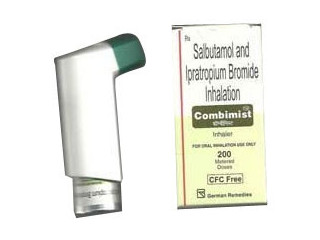

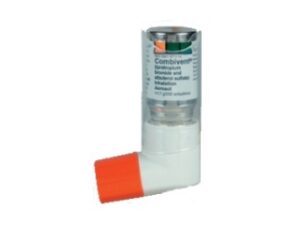
Combimist L Inhaler (UK): Patient-Friendly Guide
Combimist L Inhaler is a combination medicine used to help control symptoms of certain long-term lung conditions. It contains two active ingredients that work together to make breathing easier: a long-acting bronchodilator and an inhaled corticosteroid. This combination can reduce airway inflammation and help keep the airways open over the long term.
This page is written for patients in the United Kingdom and explains how the inhaler works, when and how to use it, possible side effects, and practical tips. Always follow the advice of your healthcare professional and the instructions in the patient leaflet that comes with your medicine.
Quick Overview
- Medicine name: Combimist L Inhaler
- Type: Inhaler (controller/maintenance medicine)
- Active ingredients: Long-acting bronchodilator + inhaled corticosteroid (combination)
- Common uses: Long-term management of chronic respiratory conditions such as COPD and asthma (depending on clinical suitability and local guidelines)
- How it works: Reduces airway inflammation and relaxes airway muscles to improve airflow
- Important: Use regularly for best effect; not usually for sudden attacks
What is Combimist L Inhaler used for?
Combimist L Inhaler is designed for long-term control of symptoms associated with airway disease. In the UK, inhaled combination therapy is commonly used when symptoms are not adequately controlled with a single medicine.
Typical indications may include:
- Chronic obstructive pulmonary disease (COPD): To help prevent symptoms such as breathlessness and reduce flare-ups (exacerbations) in suitable patients.
- Asthma: To improve control in patients who require both anti-inflammatory treatment and long-acting bronchodilation.
Note: The exact appropriateness of Combimist L Inhaler depends on your diagnosis, symptom severity, and other treatments. Your clinician will decide the best regimen for you.
How it works (Mechanism of Action)
Combimist L Inhaler works because it contains two complementary medicines:
-
Inhaled corticosteroid (anti-inflammatory component)
This reduces inflammation in the airways. Inflammation is a key driver of asthma symptoms and COPD flare-ups. By lowering inflammatory activity, it helps improve airflow and reduce symptom frequency. -
Long-acting bronchodilator (airway-opening component)
This relaxes the muscles around the airways, helping them stay open for longer. As a result, it can reduce breathlessness and improve exercise tolerance.
Together, these components help provide both relief from airflow limitation and control of underlying inflammation.
When will it start working? (Timing and expectations)
People often notice improvements at different times depending on the condition being treated and how often the inhaler is used.
- Bronchodilator effect: Some improvement may be felt sooner after inhalation, often within hours, because it helps open airways.
- Corticosteroid effect: The anti-inflammatory benefits usually take days to weeks to become fully noticeable.
- Best results: With regular use, long-term control typically improves over time.
Important: Combimist L Inhaler is generally a controller. It is not intended to relieve sudden breathing problems during an acute flare. For sudden symptoms, patients are usually advised to have a separate “reliever” inhaler (often a fast-acting bronchodilator) as directed by their healthcare professional.
Pharmacokinetics (How the body handles the medicine)
Pharmacokinetics describes how a medicine is absorbed, distributed, metabolised, and eliminated. For inhaled medicines, much of the effect occurs in the lungs, with only part of the dose reaching the bloodstream.
- Absorption: The inhaled dose is deposited in the airways and lungs. Some medicine may be swallowed (especially if it tracks to the throat) and then absorbed through the gut.
- Onset in the lungs: The inhaled components act locally in the airways. The bronchodilator can help rapidly; the corticosteroid works more gradually by reducing inflammation.
- Distribution: A small fraction may enter the circulation and be distributed throughout the body.
- Metabolism: Components may be metabolised primarily in the liver and/or other tissues.
- Elimination: The medicine and its metabolites are removed mainly through liver processing and then excretion (commonly via urine and/or faeces, depending on the ingredient).
Because this is an inhaled therapy, systemic exposure is typically lower than for oral steroid medicines, but side effects can still occur, especially with incorrect technique or higher doses.
Dose and how to use Combimist L Inhaler
Always use the dose that has been prescribed or recommended for you. The information below is general. Inhaler devices vary, so the technique matters.
Typical dosing (general guidance)
- Adults and adolescents: Many combination inhalers are used once or twice daily depending on the product strength and individual plan.
- Children: Use in children depends on age and diagnosis; dosing must be clinician-directed.
Do not change your dose without medical advice. If you miss a dose, follow the instructions in the leaflet or ask your pharmacist for guidance.
Practical steps for good inhaler technique
Using the inhaler correctly helps ensure the medicine reaches the lungs. If you are unsure, ask your pharmacist, nurse, or doctor to watch your technique.
- 1) Prepare: Sit upright and breathe out fully away from the device.
- 2) Seal your lips: Form a tight seal around the mouthpiece if it is a mouthpiece-type device.
- 3) Inhale at the right time: Start a slow, deep breath in when you activate the inhaler (or as instructed for your device).
- 4) Breathe in steadily: Aim for a slow, controlled inhalation so medicine can deposit in the lungs.
- 5) Hold your breath: Hold for about 5–10 seconds (or as comfortable) to improve deposition.
- 6) Breathe out gently: Do not blow hard into the device.
- 7) If a steroid is included: Rinse your mouth and spit after use to reduce the risk of oral thrush and hoarseness.
Spacer advice: If you have been advised to use a spacer, it can help improve delivery to the lungs and reduce throat deposition.
Food interactions
Because Combimist L is an inhaled medicine, interactions with food are usually minimal. However, inhaled steroids that reach the mouth or throat may cause local effects. Rinsing your mouth after inhalation helps.
General tips:
- There is typically no need to take it with food.
- If you do swallow some medicine, it is usually not a major concern, but rinse-and-spit remains helpful.
If you are taking other medicines for COPD or asthma, ask your pharmacist about any specific interaction concerns.
Alcohol and medicine interactions
Most inhaled medicines have limited direct interaction with alcohol, but the overall situation matters.
Alcohol
- Moderate alcohol: Usually not expected to directly interfere with inhaler action.
- Possible indirect effects: Alcohol may worsen breathlessness perception or affect sleep and breathing, particularly in COPD.
- Avoid binge drinking: Severe respiratory compromise can be more risky in people with underlying lung disease.
Medicine interactions
Interactions depend on the exact active ingredients and your other medication list. Common interaction categories to be aware of include:
- Other inhaled bronchodilators: Using additional beta-agonists may increase certain side effects (e.g., tremor, fast heartbeat).
- Other corticosteroids: Combined steroid exposure may raise the risk of steroid-related effects (especially with frequent high doses or oral steroids).
- Medicines affecting heart rhythm and potassium: Some medicines can alter potassium levels or affect cardiovascular effects, which may be relevant for bronchodilator-containing inhalers.
- Strong enzyme inhibitors/inducers: Certain drugs can affect steroid metabolism (the exact relevance depends on the corticosteroid component).
Always tell your pharmacist about all medicines you take, including over-the-counter products and herbal remedies.
Safety profile: side effects and when to seek help
Like all medicines, Combimist L may cause side effects. Many people experience none or only mild effects, but it’s important to know what to watch for.
Common side effects
- Throat irritation or hoarseness
- Oral thrush (a fungal infection in the mouth), especially if you don’t rinse your mouth after use
- Headache
- Dry mouth or changes in taste
- Tremor or mild shakiness (more typical with bronchodilator components)
- Palpitations or a faster heartbeat
Less common but important side effects
- Chest tightness or paradoxical bronchospasm (worsening breathing right after inhalation)
- Severe allergic reactions (swelling of face/lips, difficulty breathing, hives)
- Systemic steroid effects with longer-term use at higher doses, such as effects on bones, skin thinning, or suppression of natural steroid production (risk is lower with inhaled therapy than oral steroid therapy, but not zero)
- Eye problems (e.g., glaucoma or cataracts) may occur in the long term with inhaled corticosteroids—report any vision changes
Seek urgent medical advice if
- Your breathing rapidly worsens despite using your inhaler as directed
- You have signs of a severe allergic reaction
- You experience chest pain, fainting, or severe palpitations
- Infection symptoms persist or worsen (e.g., fever, increasing sputum, worsening cough)
If symptoms are not improving, do not simply stop the medicine without advice—rather, contact a clinician for review.
Practical use tips for best results
- Check technique regularly: Many issues come from inhalation timing and coordination. Ask for a technique check at reviews.
- Rinse your mouth after use: Reduces risk of thrush and hoarseness.
- Keep a symptom diary: Track breathlessness, night waking, rescue inhaler use, and flare-ups to help guide treatment.
- Use consistently: Controller inhalers work best when used regularly, not only when symptoms are present.
- Store correctly: Keep as instructed on the pack (often at room temperature, away from heat and direct sunlight).
- Don’t share: Inhalers are personal—shared devices increase infection risk.
Missed dose guidance
If you miss a dose:
- Take it when you remember unless it is close to your next dose.
- Do not double up to make up for a missed dose unless your healthcare professional has instructed you to do so.
- If you’re unsure, consult the patient leaflet or ask your pharmacist.
Alternative options
Depending on your diagnosis, severity, and response, there are several inhaler options available in the UK. Alternatives may include:
- Inhaled corticosteroid alone (for some asthma patients)
- Long-acting bronchodilator alone (for some COPD patients)
- Different combination inhalers with alternative device types or strengths
- Nebulised treatments for specific cases
- Other controller medicines (such as add-on therapies) in specialist-managed asthma or COPD
Your clinician may switch medicines if you experience frequent flare-ups, side effects, or if a different device better suits your inhalation technique.
Market and legal context in the United Kingdom
In the UK, inhalers are regulated medicines and must be supplied in line with national medicines legislation and pharmacy practice. Product availability can vary by region, supply chain, and prescribing or clinical commissioning arrangements.
UK healthcare pathways often follow evidence-based guidance such as:
- NICE (National Institute for Health and Care Excellence) guidance for asthma and COPD management
- GOLD (Global Initiative for Chronic Obstructive Lung Disease) for COPD (used alongside UK care practices)
- Local clinical commissioning and formulary policies
In addition, respiratory care commonly emphasises correct inhaler technique, regular review of symptom control, and structured step-up/step-down of controller therapy.
Recent guidance themes (UK respiratory care priorities)
While specific recommendations can change over time and depend on your condition, recent UK respiratory care commonly highlights:
- Regular review: Assess symptom control and inhaler technique periodically.
- Inhaler technique support: Ensuring correct device use is treated as essential, not optional.
- Minimising steroid exposure where appropriate: Use the lowest effective inhaled corticosteroid dose for asthma/COPD when clinically suitable.
- Managing exacerbations: Encourage action plans for worsening symptoms and clear pathways for urgent review.
- Vaccination and infection awareness: COPD and asthma patients are typically advised to follow recommended vaccinations and report infections early.
Your local clinical team can provide the most up-to-date, condition-specific plan for your care.
Delivery and availability (UK)
Availability of Combimist L Inhaler can depend on stock levels and product supply. When ordering from a UK online pharmacy, delivery options and dispatch times typically vary.
- In-stock items: Usually dispatched quickly once payment is processed and checked according to pharmacy procedures.
- Estimated delivery: Provided at checkout or in confirmation emails.
- Packaging: Medicines are supplied in secure, tamper-evident packaging.
- Storage during delivery: The product should be stored as instructed once received.
If you need help checking availability or delivery timelines, contact the pharmacy’s customer service team.
FAQs
1) Is Combimist L Inhaler a reliever or a preventer?
Combimist L Inhaler is generally a controller (preventer) type of inhaler used for long-term management. It is typically not intended to relieve sudden breathing attacks. You should have a separate reliever inhaler if advised by your healthcare professional.
2) How many times a day should I use it?
Dosing varies by diagnosis and product strength. Many combination controller inhalers are used once or twice daily. Follow the schedule provided to you (patient leaflet and clinician instructions).
3) Will I feel better immediately?
Some improvement may be noticed sooner due to the bronchodilator component, but the full benefit—especially from the anti-inflammatory steroid—often takes days to weeks.
4) What should I do if I get thrush or a sore mouth?
If you notice white patches in your mouth, persistent soreness, or worsening hoarseness, rinse your mouth after each dose and contact a clinician or pharmacist promptly. You may need treatment for thrush.
5) Can I use it with other inhalers?
Many patients use more than one inhaler. However, combining medicines may affect side effects and overall steroid exposure. Tell your pharmacist about all inhalers you use.
6) Are there any food restrictions?
No specific food restrictions are generally required for inhaled use. Rinsing your mouth after using the inhaler is recommended to reduce local side effects.
7) Does alcohol interact with Combimist L Inhaler?
Direct interactions are not typically expected. However, alcohol can affect breathing comfort and sleep, which may indirectly worsen symptoms in some people with COPD or asthma.
8) What if I miss a dose?
Use it when you remember unless it’s almost time for your next dose. Do not double the dose. If unsure, check the patient leaflet or ask your pharmacist.
9) When should I seek urgent help?
Seek urgent advice if breathing rapidly worsens, you have signs of a severe allergic reaction, or you experience chest pain, fainting, or severe palpitations.
Summary
Combimist L Inhaler combines an anti-inflammatory medicine with a long-acting bronchodilator to support long-term control of airway disease such as COPD and some types of asthma. When used correctly and consistently, it can improve breathing and reduce symptoms and flare-ups over time. If you have any concerns about side effects, technique, or how your symptoms are responding, speak to a healthcare professional or pharmacist.
| Topic | What to know |
|---|---|
| Purpose | Long-term controller therapy to reduce inflammation and keep airways open. |
| How it works | Inhaled steroid reduces airway inflammation; long-acting bronchodilator improves airflow. |
| Timing | Bronchodilator may help within hours; full steroid benefits often take days to weeks. |
| Food interactions | Generally minimal. Rinse mouth after inhalation to reduce local effects. |
| Alcohol interactions | Typically no direct interaction, but alcohol may indirectly worsen breathing comfort. |
| Safety | Possible thrush, hoarseness, tremor/palpitations. Seek urgent care for severe worsening or allergy. |
| Key use tip | Use correct inhaler technique and rinse/spit after doses. |