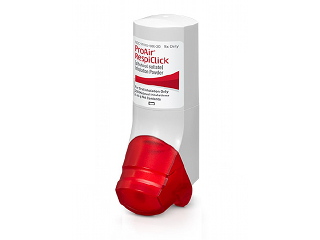
Proair Inhaler (Salbutamol / Albuterol) – Patient Information (UK)
Proair Inhaler contains salbutamol (also known as albuterol). It is a fast-acting “reliever” inhaler used to ease symptoms of breathing difficulties caused by asthma and other conditions where the airways narrow.
This page explains how Proair works, when and how to use it, key safety information, and what to expect. It is written for people in the United Kingdom and includes practical guidance commonly used with UK asthma and COPD care.
Basic product information
| Product | Active ingredient | Class | Typical role |
|---|---|---|---|
| Proair Inhaler | Salbutamol (Albuterol) | Short-acting beta2-adrenoceptor agonist (SABA) | Fast-acting reliever for sudden symptoms |
| How it works | Relaxes airway muscles | Quick onset | Helps open narrowed airways |
Note: Inhalers can come in different strengths and device types depending on the country and product variant. Always check the label on your specific Proair inhaler for the exact dosing and instructions.
How Proair Inhaler works (mechanism of action)
Salbutamol is a beta2-agonist. When you inhale it, it targets receptors in the smooth muscle of the airways. Activation of these receptors leads to:
- Relaxation of bronchial smooth muscle, reducing “tightness” and narrowing of the airways.
- Improved airflow by widening the bronchial tubes.
- Relief of symptoms such as wheeze, shortness of breath, and chest tightness.
Proair is designed to act quickly—commonly within minutes—so it’s especially useful for sudden symptom relief and prevention of symptoms triggered by exercise or cold air (where advised).
Pharmacokinetics (what the body does to it)
Pharmacokinetics describes how the drug is absorbed, distributed, metabolised, and eliminated.
- Absorption: With inhaled use, the drug reaches the lungs where it exerts its effect locally. Some amount may be swallowed if it reaches the throat after inhalation.
- Onset and duration: The bronchodilator effect is typically rapid. The strength of effect can vary by technique, individual airway sensitivity, and severity of disease.
- Distribution: After absorption, salbutamol distributes throughout the body.
- Metabolism: Mainly metabolised in the liver.
- Elimination: Excreted primarily by the kidneys (through urine), largely as metabolites and unchanged drug.
Practical implication: Because it works quickly, it is well suited to symptom control in the moment. However, it does not treat the underlying inflammation driving asthma—this is why many people also use a separate controller/preventer inhaler (e.g., inhaled corticosteroids) as prescribed by their healthcare professional.
Typical uses in the UK
Proair Inhaler (salbutamol) is used to relieve symptoms that occur when airways become narrow. Common situations include:
- Asthma: Relief of acute asthma symptoms (e.g., wheeze, breathlessness, chest tightness).
- Exercise-induced symptoms: Prevention of bronchospasm triggered by exercise (when advised).
- COPD (chronic obstructive pulmonary disease): Relief of episodes of breathlessness and wheeze where a SABA is appropriate as part of a broader treatment plan.
Important: If symptoms are frequent or worsening, it may indicate poor control and the need to review your overall asthma/COPD management. Over-reliance on reliever medication can mask deterioration.
Indications (when it’s used)
In the UK, salbutamol inhalers are indicated for:
- Reversible airway obstruction associated with asthma.
- Symptomatic relief of bronchospasm in conditions where bronchodilation is needed (such as COPD, based on clinical judgement).
- Prevention of exercise-induced bronchospasm for suitable patients, when recommended.
Because indication and dosing can vary by individual condition and severity, always follow the instructions given with your inhaler or by your healthcare professional.
How to use Proair Inhaler (timing and technique)
General timing
Proair is usually used:
- When symptoms start (reliever use).
- Before exercise if advised to prevent exercise-induced symptoms.
- As part of an action plan provided by your clinician for asthma (and, where relevant, COPD).
Typical relief time: Many people feel improvement within a few minutes of inhalation. If your breathing does not improve, or if you need repeated doses, seek medical advice promptly.
Practical inhaler tips
- Use the correct technique: Correct timing between pressing the canister and inhaling is crucial.
- Shake the inhaler if the device instruction says to do so.
- Breathe out first away from the mouthpiece.
- Seal your lips around the mouthpiece.
- Start a slow deep inhalation and press once to release a dose.
- Continue inhaling and hold your breath for a short time (as instructed) to allow medicine to settle in the airways.
- Wait before the next puff: If more than one puff is prescribed, allow the recommended interval (commonly around 1 minute for many inhalers, but follow your specific device instructions).
- Use a spacer if recommended: Spacers can improve delivery to the lungs and reduce deposition in the mouth/throat.
Check your inhaler: Regularly confirm that the dose counter (if present) is functioning and that the inhaler is not empty. If you are unsure of your technique, ask a pharmacist or practice nurse to observe you.
Dosing (adults, adolescents, and children)
Dosing can vary by age, severity, and clinical situation. Always follow the written instructions that come with your specific product and the plan agreed with your healthcare professional.
Typical reliever dosing (general guidance)
- Adults and adolescents: commonly 1–2 inhalations when symptoms occur. If symptoms persist, the inhaler may be repeated after a short interval as directed by your action plan.
- Children: dosing depends on age and device suitability. Some children use spacers and may require careful coaching to ensure effective delivery.
Maximum use and when to seek help
Frequent use of a reliever inhaler may suggest that asthma/COPD is not well controlled. In general, if you are needing Proair more often than usual, it’s important to contact your healthcare team to review your treatment.
- If you find you need reliever treatment more frequently than expected, do not simply increase doses repeatedly—seek medical advice promptly.
- Seek urgent medical help if you have severe breathlessness, cannot speak in full sentences, symptoms rapidly worsen, or you experience little/no response to your usual reliever.
Special note: People with asthma should be especially careful: asthma attacks can escalate quickly. Your action plan should clearly state what to do if symptoms are not improving.
Safety profile and side effects
Common side effects
Salbutamol may cause:
- Shaky hands (tremor)
- Headache
- Feeling restless or “wired”
- Palpitations (awareness of heartbeat)
- Muscle cramps
Less common but important effects
- Fast or irregular heartbeat
- Low potassium (hypokalaemia) when high doses are used repeatedly (more likely with frequent or high-dose SABA use)
- Worsening breathlessness (rarely, inhalers can cause paradoxical bronchospasm). If your breathing gets worse right after using it, seek advice urgently.
When to get urgent medical help
Contact urgent services or seek immediate medical care if:
- You are severely short of breath
- Your lips or face look bluish
- You cannot speak comfortably or are struggling to breathe
- Your reliever does not bring expected relief
- You feel faint, collapse, or have severe chest pain
Food interactions
Proair is inhaled, so it is not strongly affected by food in the way some tablets are. In most cases, you can use your inhaler with or without food.
- Swallowing small amounts: If some medicine is swallowed, it is handled by the body similarly regardless of meals.
- Nausea: Some people may feel mild throat irritation or a taste of medication. Eating immediately after may reduce discomfort for some.
Tip: If you use Proair before meals or during the day, ensure you are comfortable with your inhalation technique and breathing control. Proper technique matters more than timing with food.
Alcohol and medicine interactions
Alcohol
Moderate alcohol use is not typically described as a direct interaction with inhaled salbutamol. However, alcohol can sometimes worsen breathing for some people (e.g., by affecting sleep quality, dehydration, or triggering symptoms indirectly).
- If alcohol makes your asthma/COPD worse, avoid it or discuss alternatives with a healthcare professional.
- If you experience dizziness or palpitations after using your inhaler, consider whether alcohol may be contributing.
Medicine interactions (key ones)
Interactions depend on the medicines you take. Tell your pharmacist or clinician about all medicines, including over-the-counter products and herbal supplements.
- Non-selective beta-blockers (e.g., some older treatments for heart conditions): these may reduce the effect of salbutamol and can provoke bronchospasm in susceptible people.
- Other beta-agonists: using multiple sources may increase side effects such as tremor or palpitations.
- Diuretics (“water tablets”) and steroids (especially at higher doses): repeated SABA use can contribute to low potassium. Medical supervision is important if these are used together.
- Xanthines (e.g., theophylline): may increase the likelihood of cardiovascular side effects.
- Anticholinergic medicines: often used in COPD; interactions are usually manageable but may affect heart rate or symptoms depending on the overall regimen.
Always check: If you start a new medicine, including antibiotics or heart medicines, ask whether it could affect your inhaler or your overall breathing plan.
Pharmacological precautions (who should be extra careful)
Use with caution and seek advice if you have any of the following:
- Heart conditions (e.g., irregular rhythm)
- High heart rate or palpitations
- Hyperthyroidism
- Diabetes (beta-agonists may affect blood glucose levels in some people, especially with higher doses)
- Low potassium or history of electrolyte imbalance
If you are pregnant, breastfeeding, or planning pregnancy, discuss the best treatment approach with your healthcare team. Many people with asthma continue reliever therapy when needed, but the overall plan should be individualised.
Practical use tips (to get the best results)
- Know your action plan: If you have one, follow it. If you don’t, ask your healthcare team for an asthma/COPD action plan.
- Carry your inhaler: Keep a reliever available where you spend time (home, work, school) so symptoms can be treated quickly.
- Check inhaler technique regularly: Many symptoms are due to incorrect technique rather than “ineffective medicine.”
- Use a spacer if appropriate: Particularly helpful for children, older adults, or anyone struggling with coordination.
- Replace the inhaler when needed: An inhaler may seem usable but deliver less medication over time.
- Monitor triggers: Common triggers include allergens, smoke, cold air, respiratory infections, and exercise.
- If you need it often, review control: Needing a reliever frequently can mean you may need a controller medicine adjustment.
Alternative options (reliever and controller approaches)
Other reliever inhalers
Salbutamol is a SABA. Depending on your condition and local guidance, other relievers may include:
- Similar SABA inhalers (e.g., other salbutamol brands or formulations)
- Levalbuterol (where available; not as common in UK community practice)
- In COPD, some people use SABA alongside long-acting bronchodilators as part of a comprehensive plan.
Controller (preventer) medicines for asthma
Relievers treat symptoms. For better long-term asthma control, many people also use:
- Inhaled corticosteroids (ICS) to reduce airway inflammation
- Combination inhalers that include an ICS with a long-acting bronchodilator for some patients
- Other add-on treatments for specific cases
If you are regularly using Proair, it’s worth discussing whether your preventer regimen should be optimised with your healthcare professional.
UK market and legal context
In the UK, inhaler medicines like salbutamol are widely used and regulated within the Medicines and Healthcare products Regulatory Agency (MHRA) and related systems. Availability in pharmacies may depend on factors such as formulation, brand, pack size, and whether the product is classified for over-the-counter supply or pharmacy supply under current arrangements.
Online pharmacy services in the UK operate under applicable regulations and may require identity checks or symptom questionnaires for certain medicines, depending on classification and safety requirements.
Good practice reminder: Inhalers are not “one-size-fits-all.” UK clinicians commonly use asthma and COPD assessments to decide the best regimen for each person.
Recent guidance (general UK perspective)
UK asthma care commonly emphasises:
- Regular assessment of symptom control and inhaler technique
- Using preventer therapy where indicated to reduce flare-ups
- Reliever overuse as a warning sign rather than a solution
For COPD, guidance often focuses on:
- Optimising bronchodilator therapy (often long-acting medicines)
- Reserving SABA for breakthrough symptoms where appropriate
Because guidance may be updated and can differ by clinical circumstances, your healthcare professional’s plan should take priority.
Delivery and availability (UK online pharmacy)
Proair Inhaler may be available through UK online pharmacies depending on current stock, supplier availability, and medicine classification. Delivery options can vary by provider, with typical features including:
- Standard delivery for non-urgent orders
- Express delivery where offered
- Discrete packaging
- Tracking information for many orders
Availability tip: Inhalers are small but high-demand items. If you are close to running out, consider ordering early to avoid running out of your reliever.
Cold chain: Salbutamol inhalers generally do not require cold storage, but please follow the storage instructions on the label.
Storage and disposal
- Storage: Keep at room temperature and protect from excessive heat or direct sunlight.
- Do not puncture: If your device is a pressurised canister, do not open or puncture it.
- Disposal: Follow local guidance for pharmaceutical waste. Many pharmacies accept used inhalers; otherwise, dispose according to instructions on the package or community guidance.
FAQ: Proair Inhaler (Salbutamol / Albuterol)
1) Is Proair Inhaler the same as a preventer inhaler?
No. Proair (salbutamol) is a reliever (SABA). It helps symptoms quickly by opening airways, but it does not treat the underlying inflammation of asthma. Preventers (often inhaled corticosteroids) are used for longer-term control.
2) How quickly should Proair work?
For many people, breathing improves within a few minutes. If you do not feel better after using it as directed, or symptoms worsen, follow your action plan and seek advice urgently.
3) Can I use Proair before exercise?
It may be recommended for some people to prevent exercise-induced symptoms. The exact timing and number of puffs should match your individual plan.
4) What if I need to use my reliever more often?
Needing Proair frequently can indicate reduced control. It’s important to discuss your symptoms and treatment with a healthcare professional as soon as possible.
5) Does Proair have any effects on my heart?
Some people experience palpitations or a fast heartbeat. This is usually related to how sensitive you are and the dose used. If you have known heart problems or your symptoms are severe, seek medical advice.
6) Are there interactions with other medicines?
Yes, some medicines may interact—especially certain beta-blockers and medicines that influence potassium levels (depending on dose and frequency). Tell your pharmacist about all medicines you take.
7) Can I drink alcohol while using Proair?
There is usually no direct interaction, but alcohol can worsen breathing or contribute to side effects in some people. If you notice worsening symptoms after alcohol, consider avoiding it and discussing your situation with a clinician.
8) Will food affect how Proair works?
Food usually does not significantly affect inhaled salbutamol. You can typically use it whether you’ve eaten or not.
9) How should I use the inhaler correctly?
Correct technique is vital. If possible, have a pharmacist or nurse watch you use it. A spacer can improve delivery for many people.
10) When should I seek urgent medical help?
Get urgent medical attention if you are severely short of breath, symptoms rapidly worsen, you cannot speak in full sentences, you have little/no response to your usual reliever, or you have signs of a serious attack (e.g., bluish lips).
Summary
Proair Inhaler (salbutamol/albuterol) is a fast-acting reliever inhaler that opens narrowed airways by relaxing bronchial smooth muscle. It is used for symptom relief in asthma and, where appropriate, other reversible airway conditions such as COPD. For best results, use the correct inhalation technique (often with a spacer if advised), be mindful of side effects, and seek medical review if your reliever is needed more often than usual.
Always follow the instructions on your inhaler pack and your action plan. If you have concerns about symptoms, safety, or interactions with other medicines, ask a pharmacist or healthcare professional for personalised advice.