Proventil (Salbutamol) – Patient Information (UK)
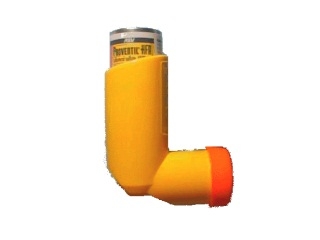
Proventil contains salbutamol (also known as albuterol). It is a medicine used to relieve breathing problems such as wheezing and breathlessness. Proventil works quickly to open the airways, making it easier to breathe.
This guide explains how Proventil works, when it’s used, how to take it safely, and what to expect in daily life. It is written for patients in the United Kingdom and includes practical tips, interactions, and frequently asked questions.
Basic product information
- Active ingredient: Salbutamol
- Common use: Rapid relief of bronchospasm (tightening of the airways)
- How it’s used: Usually as an inhaler (and sometimes as a nebuliser solution depending on the specific product)
- Typical brand name: Proventil (may be available in different formulations)
- Who it may be suitable for: People with asthma or COPD who experience reversible airway narrowing
The exact device type (e.g., pressurised metered-dose inhaler, spacer guidance, or nebuliser solution) and strength can vary by product. Always check the label and patient leaflet supplied with your specific Proventil item.
How Proventil works (mechanism of action)
Salbutamol is a short-acting beta2-adrenoceptor agonist (often shortened to SABA). When inhaled, it stimulates beta2 receptors on the smooth muscle lining the airways. This leads to relaxation of airway muscles and helps to open narrowed airways.
The result is faster airflow, making symptoms such as wheeze, coughing, and breathlessness less severe. Proventil is designed for quick symptom relief, not long-term prevention of asthma symptoms.
Pharmacokinetics (what the body does to salbutamol)
Pharmacokinetics describes how the medicine is absorbed, distributed, metabolised and removed from the body. With inhaled salbutamol, most effects are local in the lungs, but some dose is absorbed into the bloodstream.
- Absorption: After inhalation, some salbutamol reaches the lungs and some may be swallowed. Swallowed drug is absorbed from the gastrointestinal tract.
- Distribution: Salbutamol can distribute into body tissues.
- Metabolism: It is mainly metabolised in the liver.
- Elimination: Metabolites and some unchanged drug are cleared mainly via the kidneys (urine).
- Duration of action: Although onset is quick, the symptom relief is typically limited (often around several hours) depending on the patient and the severity of symptoms.
In everyday terms: Proventil starts working quickly, but it does not replace regular controller medicines when asthma requires them.
Typical uses and indications
Proventil (salbutamol) is used to relieve symptoms that occur when airways become narrowed. In UK practice, it is commonly associated with asthma and COPD.
Indications include:
- Asthma: Relief of acute symptoms such as wheeze, chest tightness, and shortness of breath.
- Reversible airway obstruction: Situations where broncho-constriction is expected to respond to beta2 stimulation.
- COPD (chronic obstructive pulmonary disease): Symptomatic relief of breathlessness and wheezing where appropriate.
- Exercise-induced symptoms: Some patients may use a SABA shortly before exercise if advised by their clinician.
- Other bronchospasm episodes: Depending on the formulation and local guidance.
If you frequently need Proventil for symptom control, it may indicate asthma that is not well controlled. In that case, you should seek medical review for a treatment plan that reduces reliance on relief inhalers.
When it should work (timing and onset)
Proventil is a fast-acting reliever. Many people notice symptom improvement within minutes. Full benefit can take a short time after dosing, particularly if technique is improved or a spacer is used.
- Onset: Usually within a few minutes after inhalation.
- Peak effect: Often occurs relatively soon after dosing.
- How long it lasts: Commonly several hours, but this varies.
If symptoms are not improving or are getting worse, you should follow your asthma/COPD action plan (if you have one) and seek urgent medical advice as appropriate. Persistent breathlessness may be an emergency.
Dosing (general guidance for adult and adolescent use)
Dosing depends on the specific Proventil product, your age, and your condition. The instructions below are general information. Always follow the dose prescribed on your label or in your patient information leaflet.
Common dosing patterns for relief (typical SABA use)
- Adults and adolescents: Relief doses are often taken as 1–2 inhalations when symptoms occur, with additional doses if needed according to the product leaflet or action plan.
- Children: Dose is usually lower and depends on age and device type; follow the specific product leaflet or clinician advice.
Maximal frequency (important)
Using a reliever more often than recommended can be a sign of worsening control and may increase risk of side effects. Do not exceed the maximum frequency listed in your patient leaflet.
If you missed or delayed a dose
- If you are taking Proventil for symptom relief, take it when needed according to instructions.
- If it’s being used before exercise, take it at the time recommended for your plan (commonly shortly before activity).
If you are unsure about your dose or how often you should use it, speak to a pharmacist or healthcare professional.
Practical use tips (technique matters)
Effective inhaler technique helps ensure more medicine reaches the lungs. If you get little or no relief, technique is a common cause.
Inhaler technique (general for metered-dose inhalers)
- Check the inhaler: Remove the cap and inspect the mouthpiece.
- Shake: Shake well if your device requires it.
- Breathe out fully: Away from the inhaler.
- Seal lips around mouthpiece: Keep a good seal.
- Start to breathe in slowly: Press the canister once as you begin to inhale.
- Continue breathing in: Inhale steadily and deeply.
- Hold breath: Hold for about 5–10 seconds (or as comfortable).
- Wait between puffs: If another puff is prescribed, wait around 30–60 seconds and repeat.
Spacer use
Many people benefit from using a spacer device, especially children or anyone who struggles with coordinating breathing and pressing the inhaler. A spacer can improve delivery to the lungs and reduce throat deposition.
Rinsing after inhaled steroids
Proventil is not an inhaled steroid. However, if you also use an inhaled corticosteroid controller, follow the leaflet advice. Many patients are advised to rinse and spit after steroid inhalers to reduce oral thrush risk.
Food interactions
There are typically no clinically significant food interactions with inhaled salbutamol. Because Proventil is mainly delivered to the airways by inhalation, the dose reaching the bloodstream is small.
That said, if you accidentally swallow a portion of the dose, it may be absorbed from the gut. Even then, salbutamol does not usually have known interactions with specific foods. If you have concerns, consult your pharmacist, especially if you are taking multiple medicines.
Alcohol and medicine interactions
Alcohol
Moderate alcohol intake is not typically considered a direct interaction with inhaled salbutamol. However, alcohol may indirectly affect respiratory health for some people by worsening sleep quality or affecting coordination. If you notice alcohol triggers symptoms, avoid it or discuss alternatives with a clinician.
Common medicine interactions (important)
Salbutamol can interact with certain medications. Interactions depend on whether salbutamol is used as inhaler or in higher systemic doses.
- Beta-blockers (including some eye drops): Non-selective beta-blockers may reduce the effect of salbutamol. Selective beta-blockers may still affect response. Always inform healthcare professionals about your inhaler use.
- Diuretics (“water tablets”) and steroids: These can affect potassium levels. While inhaled salbutamol usually has a limited effect, excessive dosing may contribute to low potassium (hypokalaemia), which may be more relevant if you also take diuretics.
- Other medicines that affect heart rhythm: Care is advised if you take medicines that influence cardiac conduction. High doses of beta-agonists can increase the risk of palpitations.
- Medicines for diabetes (especially insulin or anti-diabetic tablets): Beta-agonists may raise blood glucose in some people, particularly with high or frequent dosing.
- MAO inhibitors and tricyclic antidepressants: In general, beta-agonist effects may be enhanced with certain antidepressants. This is more relevant for systemic exposure, but it’s still important to be aware.
Always check your medicine list. If you are unsure whether a particular medicine may interact with salbutamol, a pharmacist can advise.
Safety profile and side effects
Like all medicines, Proventil can cause side effects. Many are mild and temporary, and they often lessen as your body adjusts or as dosing needs become clearer.
Common side effects
- Tremor (shakiness)
- Headache
- Fast heartbeat (palpitations)
- Feeling nervous or restless
- Muscle cramps (occasionally)
Less common but more serious concerns
Seek urgent help if you experience severe symptoms such as:
- Chest pain, fainting, or severe palpitations
- Severe worsening breathlessness that does not respond to reliever treatment
- Signs of an allergic reaction: swelling of face/lips, rash, or difficulty breathing
Overuse warnings
Frequent use of reliever inhalers may indicate poorly controlled asthma or COPD. Over-reliance on Proventil can delay appropriate controller treatment and may increase risk of severe flare-ups. If you find you need it more often than usual, you should arrange a review.
Practical use tips for safer daily use
- Keep track of your inhaler use: If you’re using it repeatedly in a day, it’s worth discussing your control with a healthcare professional.
- Check expiry: Inhalers have an expiry date. Using an expired inhaler may reduce effectiveness.
- Consider a spacer: It can improve delivery and reduce coordination issues.
- Use correct timing for exercise: If recommended, take Proventil before exercise to reduce exercise-induced symptoms.
- Know your action plan: If you have one, follow it during flare-ups. If you don’t have one, ask for advice.
- Don’t ignore new symptoms: New wheezing, nighttime symptoms, or increasing breathlessness should be assessed.
Alternative options (reliever choices)
If Proventil is not suitable or not providing the expected benefit, there are alternative reliever medicines. Options depend on your condition (asthma vs COPD), severity, and device availability.
Common alternatives include:
- Other SABA inhalers: Similar short-acting beta-agonists may be available under different brand names.
- SABA with different delivery devices: Nebulised salbutamol or inhalers with varying particle delivery may be considered for certain patients.
- For COPD symptom relief: Some patients may use bronchodilators such as short-acting muscarinic antagonists (SAMA) depending on their treatment plan.
- Asthma controller medicines: If symptoms recur, a controller such as inhaled corticosteroids (often combined with other preventers) may be more appropriate for long-term control.
Alternatives should be chosen with professional advice, especially if you have frequent symptoms, exacerbations, or other medical conditions.
Market and legal context in the United Kingdom
In the UK, inhalers such as salbutamol are widely used for respiratory conditions. Availability and supply arrangements can vary by product form, device type, and packaging. Many inhaled relievers are sold through pharmacy channels, while access to respiratory medications can also occur via NHS services depending on eligibility and local policy.
Medicines in the UK are regulated by the Medicines and Healthcare products Regulatory Agency (MHRA) and must meet standards for safety, quality and performance. Pharmacies and online retailers are expected to follow UK rules on sale, storage, and customer information.
For personal safety, always ensure you are buying from a reputable supplier and that the product label clearly matches the medication and strength you require.
Recent guidance and current best practice (UK perspective)
UK asthma and COPD management commonly emphasises:
- Correct inhaler technique as a key factor in treatment success.
- Use of controller therapy when symptoms are not well controlled (particularly in asthma).
- Monitoring reliever use because increased SABA use can signal worsening inflammation or disease control.
- Individualised action plans for flare-ups and when to escalate care.
Guidance also highlights that reliever medicines treat symptoms, but preventer treatments address underlying airway inflammation in asthma. If you find you need Proventil frequently, it is important to seek a review rather than simply increasing reliever use.
Delivery and availability (online pharmacy UK)
Availability of Proventil products may vary depending on formulation and current stock. When ordering online in the UK, you can typically expect:
- Secure ordering with product details shown clearly (strength, formulation, device type).
- Careful packaging to protect inhalers from damage during transit.
- Dispatch times that depend on stock and delivery region.
- Age-appropriate and compliant fulfilment, where applicable.
Delivery timeframes vary by retailer and carrier. Check the product page for estimated delivery windows and any cutoff times for dispatch.
FAQ – Proventil (Salbutamol)
1) Is Proventil the same as a preventer inhaler?
No. Proventil (salbutamol) is a reliever (SABA). Preventer inhalers (often corticosteroids) are used to reduce airway inflammation and prevent symptoms from returning. If you need Proventil often, you may need your preventer reviewed.
2) How quickly should Proventil work?
Many people feel improvement within minutes after inhalation. If you are not getting relief, check inhaler technique and confirm you’re using the correct device and dose as instructed.
3) What if I need Proventil more than usual?
Needing your reliever more frequently may mean asthma or COPD is not controlled. Arrange a review and follow your action plan. Do not just keep increasing reliever use.
4) Can I use Proventil with a spacer?
Often, yes—if your specific inhaler is compatible with spacers and your device leaflet supports this. Many patients find spacers improve effectiveness, especially for children or for those who struggle with coordination.
5) Can I take Proventil before exercise?
Some people are advised to use a SABA before exercise to prevent exercise-induced symptoms. The timing is individual—follow your action plan or seek advice for a personal recommendation.
6) Are there any food interactions?
Food interactions are generally not a major concern with inhaled salbutamol. Take your medicine as directed and keep your medication routine consistent.
7) Can I drink alcohol while using Proventil?
There is typically no direct interaction. However, alcohol may affect breathing comfort for some people. If you notice alcohol triggers symptoms, reduce or avoid it and discuss options with your pharmacist or clinician.
8) What side effects should I watch for?
Common effects include tremor, headache, palpitations and feeling restless. Seek urgent help if you have severe chest pain, fainting, severe palpitations, or an allergic reaction.
9) Does Proventil affect heart rhythm?
At higher doses, salbutamol can cause palpitations. If you have known heart conditions or you notice significant changes in heart rhythm, discuss with a healthcare professional.
10) What are the signs of a serious asthma flare?
Worsening breathlessness, wheeze not improving with reliever, difficulty speaking in full sentences, and needing reliever repeatedly without relief can be signs of a serious flare. Follow your action plan and seek urgent medical help where appropriate.
Summary
Proventil (salbutamol) is a fast-acting reliever that opens narrowed airways by stimulating beta2 receptors in the lungs. It’s commonly used for symptom relief in asthma and COPD. For best results, use correct inhaler technique (often with a spacer), be mindful of how often you need it, and seek a review if symptoms are increasing.
| Feature | What to know |
|---|---|
| Type | Short-acting beta2 agonist (SABA) reliever inhaler/bronchodilator |
| What it helps | Quick relief of wheeze, breathlessness, and chest tightness due to reversible airway narrowing |
| How fast it works | Often within minutes; effect typically lasts several hours |
| Key safety note | Frequent reliever use may indicate poor control—seek review rather than increasing dose |
| Common side effects | Tremor, headache, palpitations, feeling restless |
| Interactions | May be affected by beta-blockers; caution with medicines affecting potassium and heart rhythm |