Tiova Inhaler (Tiotropium Bromide) — Patient Guide (UK)
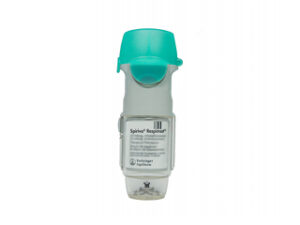
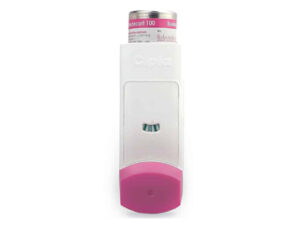
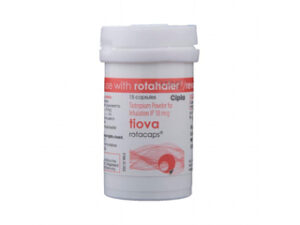
Tiova Inhaler contains tiotropium bromide, a medicine used to help people breathe more comfortably. It is a long-acting bronchodilator, meaning it relaxes the muscles around the airways to keep them open for longer. This guide explains what Tiova Inhaler is for, how it works, how to use it properly, and what to know about safety and interactions.
This information is designed to be patient-friendly and UK-focused. It cannot replace advice from your healthcare professional, but it will help you understand the medicine.
Key Facts at a Glance
- Medicinal ingredient: Tiotropium bromide
- Type: Long-acting inhaled antimuscarinic (LAMA)
- Common conditions: Chronic Obstructive Pulmonary Disease (COPD) and some cases of asthma as advised
- How it helps: Opens the airways and reduces airflow limitation
- When it works: Designed for once-daily use (timing may vary by specific device instructions)
- Important safety notes: Get urgent help if you have severe breathing trouble, swelling, or allergic reaction
What Is Tiova Inhaler?
Tiova Inhaler is an inhaled medicine that delivers tiotropium bromide directly to the airways. Tiotropium is part of the antimuscarinic family, often referred to as LAMAs (Long-Acting Muscarinic Antagonists).
It helps reduce the symptoms of long-term lung conditions by relaxing bronchial smooth muscle. Many people find it improves day-to-day breathing, reduces shortness of breath, and supports better control of COPD.
How Tiova Inhaler Works (Mechanism of Action)
Airway muscles can tighten in response to nerve signals using a chemical called acetylcholine. This tightening can narrow the airways and worsen breathing.
Tiotropium blocks muscarinic receptors (especially M3 receptors) on airway smooth muscle. By doing so, it helps:
- Relax airway muscles to widen the airways
- Improve airflow and reduce breathlessness
- Provide sustained bronchodilation with long-lasting effect
Because it is inhaled and long-acting, it supports ongoing symptom control rather than fast “rescue” relief. (Your reliever inhaler, such as a short-acting beta agonist, is still important for sudden symptoms.)
Pharmacokinetics (How the Body Handles It)
Pharmacokinetics describes how the body absorbs, distributes, metabolises, and excretes a medicine. With inhaled tiotropium, much of the effect is local in the lungs.
Absorption
Tiotropium is delivered via inhalation and absorbed through the lungs and, to a lesser extent, the gastrointestinal tract after swallowing. Peak effects occur after inhalation, and the medicine is formulated to provide once-daily bronchodilation.
Distribution
After absorption, tiotropium distributes into tissues. It has low penetration into the brain and is mainly acting at the airway level.
Metabolism
Tiotropium is not extensively metabolised. It is handled primarily through renal excretion, with little contribution from metabolic breakdown.
Elimination (Excretion)
The medicine is excreted mainly via the kidneys. This is relevant if you have reduced kidney function, as your healthcare professional may monitor you more closely.
Note: Actual levels can vary between individuals depending on inhalation technique and lung condition. Using the inhaler correctly is important to achieve the intended lung delivery.
Typical Uses in the UK
Tiova Inhaler is mainly used for COPD to help:
- Reduce symptoms such as shortness of breath
- Improve lung function and exercise tolerance
- Support long-term disease management
Depending on your diagnosis and the treatment plan agreed with a clinician, tiotropium may also be used for certain breathing conditions where a long-acting bronchodilator is appropriate. The exact suitability depends on your individual health profile and other medicines you use.
When and How to Take It (Timing and Routine)
Tiova Inhaler is intended for regular, daily use to keep airways open. It is not the same as a quick “reliever” inhaler.
Typical timing
Many tiotropium inhaler regimens are once daily. The precise timing can depend on the specific inhaler device you receive and the instructions provided. Choose a time that you can remember and use it consistently.
- If prescribed once daily, take it at the same time each day.
- If you miss a dose, take it when you remember unless it is close to the next dose—then skip the missed dose.
- Do not double up to make up for a missed dose.
Before you start
- Read the patient leaflet included with your inhaler.
- Check the device steps—different inhalers can work differently.
- If you are unsure about technique, ask a pharmacist or practice nurse to watch you use it.
Food Interactions
Because Tiova Inhaler is inhaled, food is unlikely to directly affect the medicine in the way it might for some tablets. The portion swallowed after inhalation (if any) is generally not the main driver of the lung effect.
In most cases, you can take Tiova Inhaler with or without food. However, if you have a sensitive stomach or experience side effects like dry mouth or constipation, staying well hydrated may help.
Alcohol Interactions
There are no common, well-established direct alcohol interactions with inhaled tiotropium. However, alcohol can worsen breathing for some people by affecting sleep, hydration, and overall health.
If you choose to drink alcohol, consider:
- Limiting intake, especially if you already feel breathless
- Avoiding heavy drinking, which may trigger symptoms
- Ensuring you take your inhalers regularly
Seek medical advice if you notice increased breathlessness, wheeze, or dizziness after drinking.
Medicine Interactions (Including Other Inhalers)
Tiotropium is an antimuscarinic. Interactions mainly relate to other medicines that also have anticholinergic (muscarinic-blocking) effects.
Medicines to mention to your healthcare professional
- Other anticholinergic medicines (for example, some overactive bladder treatments or other dry-mouth–type medicines)
- Other COPD inhalers, including those containing long-acting antimuscarinics (avoid duplication unless your plan specifically includes it)
- Drying agents or medicines that can affect secretions
Common COPD combination approach
Many patients use multiple inhalers such as:
- A long-acting bronchodilator (like tiotropium)
- A long-acting beta agonist (LABA) in some treatment plans
- An inhaled corticosteroid for specific cases
- A short-acting reliever for sudden symptoms
If you are using combination therapy, follow your prescribed inhaler plan carefully and do not change or duplicate medicines without advice.
Indications (What It’s Used For)
In the UK, Tiova Inhaler is used to treat COPD symptoms and support long-term management. It may be part of a stepwise approach depending on symptom severity and exacerbation history.
It is also used in selected asthma situations where a clinician decides a long-acting antimuscarinic is suitable, taking into account local guidance and the patient’s profile.
Important: Tiova Inhaler is for maintenance therapy. It is not intended for immediate relief during a sudden breathing attack.
Dosing Information (Adults)
Dosing depends on the formulation and inhaler device. Many tiotropium inhalers are taken once daily. Follow the instructions from the leaflet and your healthcare professional.
| Condition | Typical adult dosing | How often | Notes |
|---|---|---|---|
| COPD | 1 inhalation per dose (per device strength) | Once daily | Maintain consistent daily timing; do not use as a reliever. |
| Asthma (selected cases) | As advised by clinician for your device | Once daily or per plan | Only use if included in your asthma treatment plan. |
| Kidney impairment | Usually standard dosing, but monitoring may be needed | As prescribed | Because tiotropium is mainly renally excreted, seek advice if you have kidney problems. |
Children and adolescents: Use in younger patients depends on the product and clinical indication. If this applies to you, check the specific approved use for the inhaler you have and ask your clinician.
Safety Profile (What to Watch For)
Like all medicines, Tiova Inhaler can cause side effects. Not everyone gets them. Most people tolerate tiotropium well, especially when used correctly.
Common side effects
- Dry mouth
- Constipation or changes in bowel habits
- Sore throat or throat irritation
- Headache (in some people)
- Reduced taste or mild taste changes
Less common but important risks
- Urinary retention (difficulty passing urine), especially in people with an enlarged prostate or bladder outlet obstruction
- Eye symptoms if medication gets into the eyes (blurred vision, eye pain, halos around lights)
- Allergic reactions such as swelling of the face/lips or rash
- Paradoxical bronchospasm (unexpected worsening of wheezing/shortness of breath after inhalation)
When to seek urgent medical help
- Severe or rapidly worsening breathlessness
- Swelling of the face, lips, tongue, or throat
- Fainting, severe dizziness, or widespread rash
- Severe eye pain or sudden blurred vision
Practical Use Tips (To Get the Best Results)
Correct inhaler technique is essential to deliver the medicine to the lungs. Even if you take the medicine every day, poor technique can reduce effectiveness.
General tips
- Check your device type and follow the leaflet steps exactly.
- Priming steps: Some devices require preparation before first use. Don’t skip steps if your leaflet states you must.
- Breathe out gently first (away from the mouthpiece), then seal lips around the mouthpiece.
- Inhale firmly and deeply when actuating, if your device requires a strong inhalation.
- Hold your breath for a few seconds if your instructions recommend it.
- Rinse and spit if you also use inhaled corticosteroids (this helps reduce oral thrush). Tiova itself doesn’t require rinsing, but combinations often do.
Avoid common mistakes
- Inhaling too weakly or too slowly, which can lead to poor delivery
- Forgetting to actuate and inhale at the correct moment (depends on device)
- Not cleaning the mouthpiece as instructed
- Using the inhaler as a “quick fix” for sudden symptoms
Dry mouth management
Dry mouth is a known effect of antimuscarinic medicines. Helpful approaches include:
- Sipping water regularly
- Chewing sugar-free gum or using sugar-free lozenges
- Good oral hygiene and regular dental care
- Informing your clinician if symptoms are troublesome
Missed Dose Advice
If you miss a dose of Tiova Inhaler:
- Take it when you remember.
- If it’s close to your next dose, skip the missed one.
- Do not take two doses at once to catch up.
If you frequently miss doses, consider setting a daily reminder and ask your pharmacist about strategies to improve adherence.
Alternative Options (If You’re Considering Other Treatments)
COPD and other chronic lung conditions are often managed using a range of inhaled therapies. Alternatives depend on your symptoms, lung function, and past exacerbations.
Other long-acting bronchodilators
- LABAs (long-acting beta agonists), often used for symptom control
- Other LAMAs (other long-acting antimuscarinics)
- LAMA/LABA combinations (for people needing combined bronchodilation)
Reliever medicines
- Short-acting bronchodilators for sudden symptoms, used as rescue therapy
Inhaled corticosteroids (ICS)
Some people benefit from inhaled steroid treatment, particularly where inflammation plays a larger role or if exacerbations occur. This is for selected patients and should be guided by clinical assessment.
Your healthcare professional can advise which alternative is appropriate and whether switching is suitable for you.
UK Market & Legal Context (What This Means for You)
In the United Kingdom, inhaled medicines like Tiova Inhaler are regulated under the Medicines and Healthcare products Regulatory Agency (MHRA). This product is supplied in line with the legal classification applicable to the medicine and the patient’s condition.
Pharmacies must follow UK medicines regulations regarding safe supply, labelling, and patient information. The product’s use should align with the authorised indication(s) and the advice from clinicians.
Local guidance for COPD management often follows recommendations produced by UK clinical bodies, including the approach set out in national and international standards adapted for the UK. Treatment is typically stepped based on symptoms and exacerbation history.
Recent Guidance (Practical UK Considerations)
COPD care in the UK generally emphasises:
- Smoking cessation and prevention of disease progression
- Correct inhaler technique and regular review of medicines
- Stepwise escalation when symptoms persist (for example adding a long-acting bronchodilator or combination therapy)
- Vaccinations where recommended (such as flu and pneumococcal)
- Rehabilitation and self-management support
Tiotropium is often used as a maintenance bronchodilator in this overall framework. If you have frequent flare-ups or worsening symptoms, your healthcare professional may review your inhaler regimen and consider additional therapies.
Delivery, Availability & Ordering (UK Online Pharmacy)
Tiova Inhaler may be available online via participating UK pharmacies depending on stock levels, packaging size, and supply chain status. Delivery options vary by retailer and address.
What you can expect
- Careful packaging to protect the inhaler
- Clear labelling including expiry date and product information
- Tracking where offered
Availability checks
If stock is temporarily limited, many online pharmacies can display an estimated restock timeframe or offer alternatives. If you need urgent supply, contact the pharmacy support team.
FAQ — Tiova Inhaler (Tiotropium Bromide)
1. Is Tiova Inhaler a reliever or a preventer?
Tiova Inhaler is a maintenance medicine (a long-acting bronchodilator). It is generally not designed for immediate relief of sudden symptoms. Use your reliever inhaler for sudden breathlessness or wheeze, as advised in your treatment plan.
2. How long does it take to work?
Many people notice improvement within days, while full benefit may take longer as your body responds and as inhaler technique is optimised. Consistent daily use is important.
3. What should I do if my breathing gets worse?
If you experience worsening breathlessness, wheezing, or chest tightness, use your reliever inhaler as directed. Seek urgent medical help if symptoms are severe, rapidly worsening, or do not improve.
4. Can I use Tiova Inhaler with my other COPD inhalers?
Often, yes—many COPD plans combine long-acting bronchodilators and other medicines. However, avoid duplicating long-acting antimuscarinic therapy unless specifically instructed. Always follow your inhaler schedule.
5. Does Tiova Inhaler affect my heart?
Tiotropium is an antimuscarinic, and it does not work in the same way as some medicines that can directly increase heart rate. If you notice palpitations, chest pain, fainting, or unusual symptoms, seek medical advice promptly.
6. What are the common side effects?
Common side effects include dry mouth and constipation. Throat irritation or headache may also occur. Contact a clinician if side effects are persistent or bothersome.
7. Can it cause eye problems?
Like other inhaled sprays, medication that reaches the eyes can cause discomfort. If you develop eye pain, blurred vision, or halos around lights after using the inhaler, seek urgent medical advice.
8. Is it safe if I have kidney problems?
Tiotropium is mainly eliminated by the kidneys. People with reduced kidney function may need closer monitoring. Discuss your kidney health with a healthcare professional.
9. Can I drink alcohol while using Tiova Inhaler?
There are typically no direct alcohol interactions reported for tiotropium inhalers. However, alcohol may worsen breathing in some people, so moderation and symptom awareness are important.
10. How do I improve inhaler technique?
Use the exact steps in your leaflet, and ensure you inhale correctly when actuating. If you’re unsure, ask a pharmacist to observe your technique. Good technique often makes a noticeable difference to symptom control.
Summary
Tiova Inhaler (tiotropium bromide) is a long-acting inhaled antimuscarinic medicine used mainly to manage COPD by relaxing airway muscles and improving airflow. It is intended for regular daily use to support long-term symptom control.
Pay close attention to inhaler technique, use your reliever for sudden symptoms, and contact a healthcare professional if you experience concerning side effects such as urinary retention, eye symptoms, or signs of allergy.