
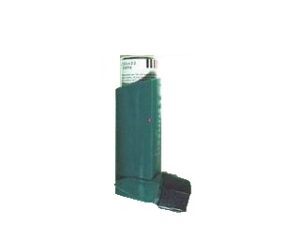
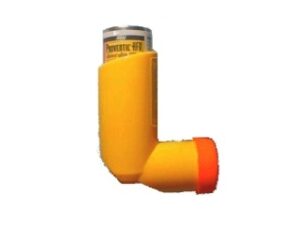
Ventolin Inhaler (Salbutamol) – Relief for Asthma and Wheeze
Ventolin Inhaler contains salbutamol, a fast-acting bronchodilator used to relieve symptoms such as wheezing, shortness of breath, and chest tightness. It works by opening the airways quickly, making it easier to breathe.
This guide is designed to be patient-friendly and focused on how Ventolin works, when and how it’s used, and what to consider regarding safety and interactions in the UK.
Product Overview
| Feature | Details |
|---|---|
| Active ingredient | Salbutamol (a short-acting beta2-agonist) |
| Medicinal form | Inhaler (pressurised metered-dose inhaler) |
| What it helps | Relieves bronchospasm: wheeze, breathlessness, chest tightness |
| How quickly it works | Typically within minutes |
| Main effect | Relaxation of airway smooth muscle → wider airways |
| Common use pattern | As required for symptoms; some people use before exercise (as advised) |
How Ventolin Works (Mechanism of Action)
Salbutamol is a short-acting beta2-agonist. When you inhale it, it targets receptors on the smooth muscle lining the airways. Stimulation of these receptors causes the airway muscles to relax, leading to:
- Bronchodilation (widening of the airways)
- Reduced airway resistance, which helps breathing feel easier
- Improved airflow during an asthma flare or episodes of wheeze
Ventolin is designed for quick symptom relief. It does not treat the underlying inflammation of asthma, which is why many people also require an inhaled steroid controller (such as beclometasone, budesonide, or fluticasone) depending on their condition.
What Ventolin Is Used For (Indications)
In the UK, salbutamol inhalers are commonly used for conditions involving reversible narrowing of the airways. Typical uses include:
- Asthma – relief of acute symptoms (wheezing, breathlessness, chest tightness).
- Exercise-induced bronchoconstriction – before exercise if advised, to prevent symptoms triggered by activity.
- COPD – relief of symptoms such as wheeze or breathlessness in some patients, often as part of an overall COPD management plan.
If you frequently need your reliever, this may indicate that asthma or COPD isn’t well controlled. In that case, it’s important to seek medical advice so that your overall treatment plan can be reviewed.
Timing: When to Use Ventolin
Ventolin is a fast-acting reliever. Many people notice improvement within a few minutes.
- For sudden symptoms: use at the start of wheeze, breathlessness, or chest tightness.
- For exercise-related symptoms: use shortly before exercise (commonly 10–15 minutes before, or as advised by a clinician or asthma plan).
- To assess response: if you have not improved after taking it as instructed, follow your personal action plan or seek urgent advice as appropriate.
If your symptoms worsen rapidly or you experience severe breathlessness, you should treat it as urgent. In the UK, severe asthma attacks may require emergency care. If you are ever concerned about the severity of an episode, contact NHS 111 or seek emergency help (999/attending A&E) when appropriate.
Dose and How to Take Ventolin (Practical Guidance)
The exact dose can vary depending on age, diagnosis, and severity. Always follow the instructions on your inhaler label and any advice provided for your personal asthma/COPD plan.
Typical dosing (general information)
Common regimens for salbutamol reliever inhalers are outlined below. Your clinician may adjust these depending on your needs.
- Adults and adolescents: typically 1–2 inhalations per dose when symptoms occur.
- Children: dosing is often lower and may depend on age and prescribed strength; follow the instructions provided for the specific inhaler.
If you find you need your reliever very often (for example, multiple times per day), this may signal poor control and your treatment plan may need review. A frequent reliever pattern should be discussed with a healthcare professional.
How to use a pressurised inhaler correctly
Many people do not get the full benefit from inhalers due to technique. The following steps are widely recommended:
- Remove the cap and check the mouthpiece inside and out.
- Shake the inhaler well (usually for 5 seconds) to mix contents.
- Breathe out fully away from the mouthpiece.
- Seal your lips around the mouthpiece.
- Start to breathe in slowly.
- Press the canister once to release one puff while continuing to breathe in steadily.
- Hold your breath for around 5–10 seconds (or as comfortable).
- If a second puff is needed, wait around 30 seconds and repeat.
Use a spacer if you are advised to do so, especially for children, or if inhaler technique is difficult. Spacers can improve delivery to the lungs and reduce the amount deposited in the mouth and throat.
If you’re unsure about your technique, many pharmacies and NHS services can help you practice using your inhaler correctly.
Pharmacokinetics (How the Body Handles Salbutamol)
After inhalation, salbutamol delivers drug into the lungs where it exerts its bronchodilating effect. A portion may deposit in the mouth and throat and be swallowed, while the rest is absorbed through the lungs.
Absorption
- Inhaled delivery to lungs: provides rapid onset of action.
- Swallowed fraction: if some medication is swallowed, it can contribute to systemic absorption after gut absorption.
Distribution
Salbutamol is distributed through the body. Its effect relies mainly on receptor activity in the airway smooth muscle.
Metabolism
Salbutamol is metabolised primarily in the liver.
Elimination
Metabolites and some unchanged drug are mainly excreted by the kidneys. Because salbutamol is designed for quick relief, its clinical effect is shorter than that of many long-acting controller medicines.
Individual response can vary based on inhaler technique, asthma severity, and overall treatment.
Food Interactions
Salbutamol inhalers are primarily used by inhalation, so interactions with food are generally not a major concern.
However, if some of the dose is swallowed, general absorption can still occur. There are no common “food-drug” interactions widely recognised for inhaled salbutamol in typical patient use.
Practical advice: you can usually take Ventolin whether or not you have eaten. If you experience nausea or stomach upset after use, speak to a pharmacist or clinician about technique and whether a spacer is appropriate.
Alcohol and Medicine Interactions
Alcohol
There is no universally established direct interaction between moderate alcohol intake and inhaled salbutamol. However:
- Alcohol can sometimes worsen breathing symptoms in some people (for example by affecting sleep or airway irritability).
- In severe illness, drinking alcohol may be unsafe. If you feel unwell or your breathing is unstable, avoid alcohol and seek advice.
Other medicines that may interact
Tell a pharmacist or clinician about all medicines you take. Important interactions can include:
- Other beta-agonists (e.g., other reliever inhalers): using them together may increase side effects such as tremor or palpitations.
- Non-selective beta-blockers (some medicines for heart conditions or blood pressure): these can reduce the effect of salbutamol and may provoke bronchospasm.
- Diuretics (“water tablets”) (especially loop or thiazide diuretics): high doses of salbutamol can contribute to low potassium; combined risk can increase if electrolytes are affected.
- Digoxin: low potassium can affect digoxin safety in some cases.
- Monoamine oxidase inhibitors (MAOIs) and certain other antidepressants: there may be a potential for increased cardiovascular effects depending on the medicine.
- Severe asthma flares: when high doses of reliever are required, healthcare professionals monitor for side effects and overall control.
If you use multiple inhalers or have heart-related conditions, it’s especially important to check with a pharmacist.
Safety Profile and Common Side Effects
Like all medicines, Ventolin inhalers can cause side effects. Many people experience none or only mild effects, particularly at typical reliever doses.
Common side effects
- Tremor (shaky hands)
- Headache
- Fast heartbeat (palpitations)
- Feeling restless or jittery
- Muscle cramps (less common)
- Occasional throat or mouth irritation (often improved with spacer use and correct technique)
Less common but important effects
- Low potassium (hypokalaemia) can occur, particularly with frequent or high-dose use.
- Irregular heart rhythm or severe palpitations can occur rarely, more likely with excessive dosing or in people with underlying heart conditions.
- Lactic acidosis is very rare and typically associated with very high doses or severe situations.
Seek urgent medical help if
Contact urgent care or seek emergency help if you experience:
- Severe or rapidly worsening breathlessness that doesn’t improve after using your reliever as instructed.
- Cyanosis (bluish lips), difficulty speaking due to breathlessness, or extreme exhaustion.
- Chest pain, fainting, or a very fast or irregular heartbeat that feels severe.
- Allergic symptoms such as swelling of the face/lips or difficulty breathing that is out of proportion to your normal asthma symptoms.
Practical Tips for Getting the Best Results
- Use proper technique: inhalers require correct timing between pressing and breathing in.
- Consider a spacer: especially useful for children, older adults, and anyone struggling with technique.
- Check expiry date and store according to the label (keep at safe temperatures; avoid excessive heat).
- Don’t “overuse” as a substitute for controller treatment: frequent reliever use can be a sign your asthma/COPD needs review.
- Keep track of doses used: if you need Ventolin more often, discuss with a healthcare professional and consider reviewing your action plan.
- Know your triggers: allergens, smoke, cold air, exercise, and viral infections can provoke symptoms.
If you have an asthma action plan, follow it closely. If you don’t have one, ask a clinician for personalised advice.
Alternative Options
Depending on your diagnosis and symptom pattern, healthcare professionals may recommend other medicines or delivery devices. Alternatives may include:
Relievers (similar purpose)
- Other salbutamol inhalers from different brands/strengths (with the same active ingredient).
- Anticholinergic inhalers (e.g., ipratropium) may be used in some COPD situations or severe exacerbations as part of a broader plan.
Controller medicines (for long-term control)
- Inhaled corticosteroids (ICS) to reduce airway inflammation.
- Combination inhalers (ICS plus a long-acting bronchodilator) for people needing additional long-term control.
Whether you need a reliever only, or a reliever plus a controller, depends on how often symptoms occur and your risk of flare-ups. A review of control is particularly important if you are using your reliever frequently.
UK Market and Legal/Clinical Context
In the United Kingdom, asthma and COPD medicines are regulated and provided under NHS and pharmacy frameworks. Ventolin (salbutamol) is widely used and is available in various inhaler formats.
- Clinical approach: UK guidance emphasises appropriate use of relievers and the importance of controller therapy for ongoing control.
- Pharmacy support: pharmacists can help check inhaler technique, advise on spacers, and signpost services if you’re experiencing worsening symptoms.
- Monitoring: national approaches support reviewing asthma control when reliever use increases.
For the latest NHS and clinical guidance, including updates to asthma reviews and flare-up management, healthcare professionals typically refer to recognised UK standards and current recommendations.
Recent Guidance and Care Considerations
While treatment plans differ by individual, UK practice commonly includes the following principles:
- Assess control when symptoms increase or reliever use becomes frequent.
- Check inhaler technique and device fit before making major treatment changes.
- Use reliever appropriately and ensure a suitable controller is in place if needed.
- Provide an action plan for patients at risk of flare-ups, including what to do if symptoms worsen.
If you’re using Ventolin more often than usual, it may be a sign that your asthma/COPD needs reassessment. This is particularly important if you’re waking at night with symptoms or limiting activity due to breathlessness.
Delivery and Availability in the UK
Availability can vary by brand, strength, and inhaler pack size. As an online pharmacy item, Ventolin inhalers are typically supplied in standard retail formats.
- Dispatch: orders are normally processed and dispatched promptly during business hours (times vary by supplier).
- Delivery options: standard and expedited delivery may be available depending on your location and the selected service.
- Packaging: medicines are typically delivered in secure, tamper-evident packaging.
For best results, check the product page for current stock status, delivery estimates, and packaging details.
FAQ – Ventolin Inhaler (Salbutamol)
1) How fast does Ventolin start working?
Many people feel improvement within minutes of using the inhaler. If you do not notice relief after following the instructions, seek advice according to your action plan or contact a clinician.
2) Is Ventolin a steroid?
No. Ventolin (salbutamol) is a bronchodilator that relaxes the airway muscles for quick relief. It is not an inhaled corticosteroid.
3) Can I use Ventolin every day?
It can be used as needed for symptom relief. However, using it frequently may indicate that underlying inflammation or overall control needs review. Discuss your usage pattern with a healthcare professional.
4) What if my symptoms don’t improve?
Follow your personal asthma action plan. If symptoms are severe, worsening, or you’re struggling to breathe, seek urgent medical help promptly.
5) Can children use Ventolin?
Salbutamol inhalers are used in children for appropriate indications and doses. The correct strength and dosing schedule depend on age and clinical factors—always follow the instructions provided and check with a pharmacist for device technique.
6) Do I need a spacer?
A spacer can improve the delivery of medication to the lungs and reduce deposition in the mouth. Many people benefit from using one, particularly children or anyone struggling with inhaler coordination. Ask a pharmacist if it’s suitable for you.
7) Can I drive after using Ventolin?
Most people can drive normally. Rarely, side effects like tremor, palpitations, or dizziness could affect alertness. If you feel unwell or have significant side effects, avoid driving and seek advice.
8) Are there foods I should avoid?
Food interactions are generally not a major concern with inhaled salbutamol. You can usually take it whether or not you have eaten.
9) Can I drink alcohol while using Ventolin?
Moderate alcohol is not usually a direct issue for inhaled salbutamol, but alcohol can affect breathing in some people. If your breathing is unstable, it’s best to avoid alcohol and seek advice.
10) What should I do if I’m using Ventolin more often than before?
Increased use can indicate worsening control. Arrange a review with a healthcare professional and consider checking your inhaler technique and whether you need a controller medicine.
Important note: This information is for general guidance and doesn’t replace personalised medical advice. If you have questions about your specific symptoms, inhaler technique, or dosing, speak to a pharmacist or other qualified healthcare professional.