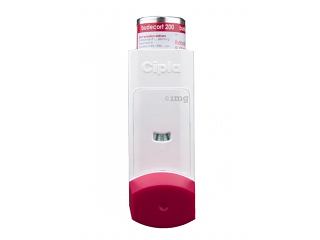
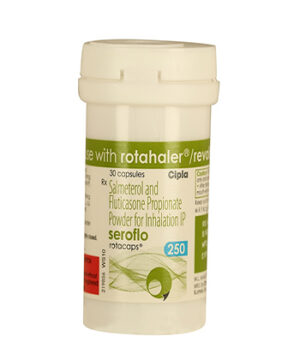
Rhinocort (Budesonide) – Patient Guide (UK)
Rhinocort contains budesonide, a corticosteroid medicine used to treat inflammation in the nose. It is commonly used for allergic rhinitis (hay fever) and other causes of nasal allergy or inflammation. This guide explains how Rhinocort works, how to use it effectively, what to expect, and important safety information.
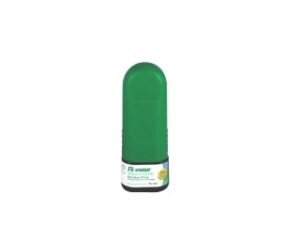
Note: Product appearance, bottle sizes and exact strengths may vary depending on the specific Rhinocort format available in the UK. Always check the pack label for the exact strength and instructions that apply to your product.
Quick facts
- Active ingredient: Budesonide
- Medicine type: Intranasal corticosteroid (steroid sprayed into the nose)
- Used for: Inflammation of the nasal lining (commonly hay fever/allergic rhinitis)
- Best for: Symptoms such as congestion, sneezing, runny or blocked nose due to allergy
- How it works: Reduces inflammation locally in the nose
- Typical effect: Some relief may start within 24–48 hours; full benefit can take several days
Basic product information
Rhinocort is an intranasal medicine: it is delivered as a fine mist through a metered nasal applicator. By acting directly on the inflamed nasal tissues, it helps to reduce swelling and other allergy-related changes.
What it’s available as (general)
- Nasal spray format(s) are typically used for daily symptoms.
- Some packs have adult and/or child dosing differences; follow your exact pack instructions.
How Rhinocort works (mechanism of action)
Budesonide is a corticosteroid with strong anti-inflammatory activity. When sprayed into the nose, it helps reduce inflammation of the nasal lining by:
- Reducing inflammatory signals released during allergy (such as those driving redness, swelling, and mucus).
- Decreasing recruitment of inflammatory cells into nasal tissues.
- Improving nasal airflow by lowering swelling in the nasal passages.
- Providing sustained symptom control when used regularly during the allergy season or in persistent symptoms.
Unlike some “fast-relief” allergy treatments, intranasal steroids are designed for anti-inflammatory control. They tend to work best when used consistently rather than only when symptoms flare.
Pharmacokinetics (how the body handles it)
Pharmacokinetics describes how a medicine is absorbed, distributed, metabolised and eliminated. For intranasal budesonide, most of the medicine acts locally in the nasal tissues, with only a small portion entering the bloodstream.
- Absorption: Intranasal dosing delivers budesonide mainly to the nose. A smaller amount may be absorbed systemically, including any portion swallowed and absorbed through the gut.
- Metabolism: Budesonide is extensively metabolised, primarily in the liver, by enzymatic processes.
- Elimination: Metabolites are excreted (mainly via urine). The systemic effects from intranasal use are generally low when used as directed.
In practical terms, this means that for most people using Rhinocort correctly, systemic steroid exposure is limited compared with oral steroids.
Typical use in the UK
Rhinocort is used to relieve symptoms of allergic rhinitis such as:
- Blocked or stuffy nose (nasal congestion)
- Sneezing
- Runny nose
- Itchy nose and sometimes itchy eyes (partly related to nasal allergy)
It is also used for other inflammatory nasal conditions where a steroid spray may help reduce nasal inflammation (for example, non-infectious rhinitis). Your pharmacist or clinician can help clarify what symptoms it is appropriate for.
Indications (what it’s for)
Rhinocort budesonide is indicated for conditions involving inflammation of the nasal mucosa, most commonly:
- Allergic rhinitis (seasonal or perennial)
- Nasal symptoms associated with allergy (e.g., congestion, sneezing, runny nose)
- Other inflammatory rhinitis as advised based on the underlying cause
When to start and timing (how quickly it works)
You may notice improvement within the first day or two, but the best effect often takes several days with regular use. This is because the medicine reduces inflammation gradually.
Timing tips
- Start before the season if you know you get symptoms each year (for seasonal allergy).
- Use at the same time each day to maintain steady control.
- For sudden flares: keep using regularly rather than stopping when symptoms ease.
Dosing and administration (general guidance)
Dosing can vary by age group, symptom severity and the specific Rhinocort product strength/format. Always follow the instructions on your pack and any specific advice from a healthcare professional.
Common dosing approach (typical use)
Many intranasal budesonide regimens begin with a daily dose and are adjusted based on symptom control. Some people may need more frequent early dosing; others use a once-daily schedule depending on their age and severity.
How to use Rhinocort nasal spray (step-by-step)
- Gently blow your nose to clear mucus if needed.
- Shake the bottle if your specific product requires it (check pack instructions).
- Prime the pump before first use (and after long gaps) according to the pack instructions. This ensures an accurate spray dose.
- Lean slightly forward and breathe in gently through the nose.
- Insert the nozzle into one nostril. Aim the spray slightly outward (towards the ear), not towards the nasal septum (the middle wall of the nose).
- Spray while breathing in gently. Repeat for the other nostril if your dose requires it.
- Wipe the nozzle and close the cap.
- Clean the applicator regularly as described in the pack to prevent blockage.
Missed dose
If you miss a dose, use it when you remember unless it is nearly time for the next dose. Do not use a double dose to make up for the missed one. Follow pack guidance.
Food interactions
Intranasal budesonide is not significantly affected by food in the same way that some oral medicines are. Because the medicine is delivered to the nose, food interactions are not a major concern.
If any portion is swallowed, it generally undergoes normal digestive processing and first-pass metabolism in the body. Still, for comfort, many people find it helps to spray when they are not immediately eating and to rinse the mouth afterwards if any medicine drips to the back of the throat.
Alcohol and medicine interactions
Alcohol
Alcohol is not known to have a direct interaction with Rhinocort in the way it may with some sedating medicines. However, if you have allergy symptoms, alcohol may sometimes worsen nasal irritation or swelling for certain individuals. Moderation and observing your personal response is sensible.
Medicine interactions (important)
Budesonide may interact with medicines that affect how it is metabolised in the liver. The most relevant interactions involve strong inhibitors of liver enzymes (for example, certain antifungal and antiviral medicines).
Tell a pharmacist if you are taking:
- CYP3A4 inhibitors (enzyme inhibitors can increase budesonide levels)
- Other steroid medicines (including inhaled, oral or topical steroids), to avoid excess steroid exposure
- Some antibiotics or medicines for HIV or fungal infections (exact examples depend on current therapy)
If you are also using other allergy medicines (such as antihistamine tablets, eye drops, or decongestants), Rhinocort may be used alongside many standard treatments. Your pharmacist can help check whether any specific combination is suitable.
Safety profile and side effects
Most people tolerate Rhinocort well when used correctly. Because it is a locally acting nasal steroid, side effects are usually related to the nose.
Common side effects
- Nasal irritation (burning or stinging)
- Sneezing after using the spray
- Dry nose
- Minor nosebleeds (epistaxis)
- Headache (sometimes reported)
Less common but important side effects
- Persistent nosebleeds or worsening nasal pain
- Signs of infection in the nose (unusual discharge, increasing pain, fever)
- Hoarseness or throat irritation (sometimes due to spray reaching the throat)
Seek urgent medical advice if
- You develop signs of a severe allergic reaction (swelling of face/lips, difficulty breathing, widespread rash).
- Bleeding is heavy, frequent, or does not settle.
- You notice severe or rapidly worsening symptoms.
Long-term safety considerations
When used at the lowest effective dose for nasal inflammation, intranasal budesonide is generally considered safe for long-term control. However, ongoing steroid exposure should be monitored in specific situations, especially if you use multiple steroid medicines.
If you use Rhinocort for an extended period, it is still important to follow recommended dosing and review symptoms regularly. If symptoms do not improve, you may need reassessment of the diagnosis or treatment plan.
Practical use tips for best results
- Technique matters: aim the nozzle away from the septum and spray gently while breathing in.
- Don’t stop too soon: steroids work gradually; give it a few days for full benefit.
- Manage dryness: if your nose feels dry, gentle nasal moisturising strategies may help (ask your pharmacist for suitable products).
- Clean the applicator: regular cleaning reduces blockages and ensures correct dosing.
- Use consistently during allergy season: stopping when symptoms start may reduce effectiveness.
- Rinse mouth if needed: if medicine reaches the throat and you notice irritation, rinsing can improve comfort.
When to be extra careful
Consult a healthcare professional before using if you have:
- Recent nose surgery or significant nasal injury
- Active nasal infection (you may need additional treatment)
- Ongoing nasal ulcers or bleeding issues
- Severe or frequent nosebleeds
- Other medical conditions where steroid use requires extra monitoring
If you are using other steroid medicines, your overall steroid exposure may increase; a pharmacist can help review your current treatments.
Alternative options for nasal allergy/inflammation (UK)
Depending on your symptoms, alternatives may include:
Other intranasal treatments
- Intranasal antihistamines (may help quickly with sneezing and runny nose).
- Intranasal saline rinses/sprays (help moisturise and reduce allergen irritation).
- Other intranasal corticosteroids (different steroid molecules, similar anti-inflammatory goals).
Oral and eye treatments
- Non-sedating oral antihistamines for whole-body allergy symptoms.
- Antihistamine eye drops for itchy, watery eyes.
Combination strategies
Many people achieve better control by combining an intranasal steroid (for inflammation) with an antihistamine if symptoms are not fully controlled. Your pharmacist can suggest options based on your symptom pattern and history.
Market and legal context in the UK
In the UK, allergy medicines and intranasal corticosteroids are widely available through pharmacies and other routes depending on the exact product and formulation. Availability may be influenced by regulatory decisions, pack size, age indications and classification.
Rhinocort budesonide nasal spray is used under UK medicines regulations and is supplied in line with product-specific instructions and guidance. Always follow the directions on the label and any pharmacy advice provided with your purchase.
Recent UK guidance (general background)
UK allergy management commonly emphasises:
- Identifying the cause (e.g., seasonal vs perennial triggers)
- Using anti-inflammatory treatment (intranasal steroids are often first-line for moderate-to-severe nasal symptoms)
- Correct technique and regular use for intranasal sprays
- Reviewing symptom control and adjusting treatment if symptoms persist
If you have persistent or severe symptoms, or symptoms not matching allergy patterns, consider speaking with a pharmacist or another healthcare professional for a review.
Delivery and availability (online pharmacy)
Rhinocort is commonly available in the UK through online pharmacies, subject to availability and product listings. Delivery times can vary depending on the courier, your location and stock status.
- Check stock status on the product page before ordering.
- Delivery area: some services may vary across UK regions.
- Packaging: medicines are generally dispatched in secure packaging to protect the product and label.
Storing Rhinocort
- Keep out of the sight and reach of children.
- Store as directed on the pack (commonly at room temperature, away from excessive heat and direct sunlight).
- Do not use after the expiry date printed on the carton and/or bottle.
FAQ
1) How long does Rhinocort take to work?
Some relief can begin within 24–48 hours, but full benefit often takes several days with regular use. Consistent daily use is important for best control.
2) Should I use Rhinocort every day?
Many people use it daily during periods when symptoms are expected (e.g., during the allergy season) or when symptoms are persistent. Follow the dose schedule on your pack and review with a pharmacist if your symptoms change.
3) What’s the correct technique?
Blow your nose gently first, aim the nozzle slightly outwards (away from the centre septum), and spray while breathing in gently. Prime and clean the device as instructed to ensure accurate dosing.
4) Can I use Rhinocort with other allergy medicines?
Often, yes. Intranasal steroids may be combined with antihistamines or other allergy treatments depending on your needs. If you are taking other steroid medicines or any medicines that affect liver enzyme metabolism, ask a pharmacist for advice.
5) Will Rhinocort cause nosebleeds?
Minor nosebleeds or nasal irritation can occur. Using correct technique, avoiding over-spraying, and keeping the nasal passages comfortable can reduce the risk. If nosebleeds are frequent or heavy, stop and seek advice.
6) Is Rhinocort safe for long-term use?
When used at the lowest effective dose and as directed, intranasal budesonide is commonly used for long-term control of nasal allergy symptoms. If you use it for extended periods or have concerns about side effects, ask a pharmacist to review your regimen.
7) Can children use Rhinocort?
Child dosing may differ. Use only the product strength and dose schedule intended for the child’s age, as stated on the pack or advised by a pharmacist.
8) Does it affect driving or work?
Rhinocort is a nasal medicine and is not typically associated with sedation. Most people can drive and operate machinery normally. However, if you feel unwell or have dizziness from other causes, take care.
9) What if I miss a dose?
Use it when you remember unless it is nearly time for your next dose. Do not take a double dose.
10) What should I do if my symptoms do not improve?
If symptoms remain poorly controlled after using Rhinocort correctly for several days, your diagnosis or technique may need review. Speak with a pharmacist for tailored advice and alternative options.
Summary
Rhinocort (budesonide) is an intranasal corticosteroid designed to reduce inflammation in the nasal lining, helping relieve symptoms of allergic rhinitis and nasal inflammation. For best results, use it consistently with correct spray technique and allow several days for maximum effect. If you experience persistent side effects, heavy nosebleeds or symptoms that do not improve, seek advice from a pharmacist or another healthcare professional.