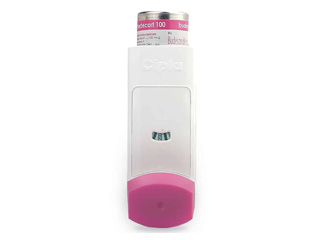
Budecort (Budesonide) — Patient-Friendly Guide (UK)
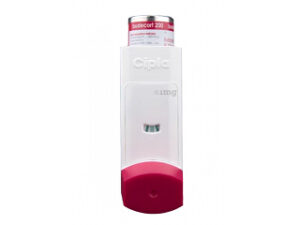
Budecort is a brand of budesonide, a medicine from the corticosteroid (steroid) family. It is designed to reduce inflammation in the airways and other areas, depending on the specific formulation. Budecort is commonly used in respiratory conditions and is available in different forms (such as inhalers or capsules for gut-related inflammation), depending on the product strength and your diagnosis.
This page explains how Budecort works, how it’s used, what to expect, and key safety information. It is written for people in the United Kingdom and aims to be patient-friendly. Always follow the instructions provided with your specific Budecort product.
Basic product information
| Item | Details |
|---|---|
| Active ingredient | Budesonide |
| Medicine type | Corticosteroid (anti-inflammatory) |
| Common uses | Inflammatory conditions of the airways (and, depending on formulation, bowel inflammation) |
| Formulations | May include inhaled or oral formulations (varies by product) |
| Brand | Budecort |
| UK availability | Availability depends on the specific strength and formulation |
How Budecort works (mechanism of action)
Budesonide works by reducing inflammation. Steroids act on immune pathways to:
- Lower the activity of inflammatory cells in the affected tissue
- Reduce the release of inflammatory substances
- Improve swelling and mucus-related symptoms in the airways
- Help prevent flare-ups by controlling chronic inflammation over time
Important: Budecort is designed for longer-term control of inflammatory disease. It is usually not the same as a “quick-relief” rescue medicine.
Pharmacokinetics (how the body handles budesonide)
Pharmacokinetics describes how the body absorbs, distributes, metabolises, and eliminates a medicine.
- Absorption: Depends on the formulation. Inhaled budesonide is deposited in the lungs; oral formulations are absorbed through the gut.
- First-pass metabolism: Budesonide undergoes extensive metabolism in the liver. This can reduce the level of steroid circulating in the body compared with some other corticosteroids.
- Metabolism: Mainly processed in the liver to inactive metabolites.
- Elimination: Metabolites are eliminated primarily via the kidneys and bile (depending on the specific metabolic pathway).
- Onset: For inhaled forms, symptom improvement may start within days, but full benefit often takes longer with consistent use.
Why this matters: Because budesonide is heavily metabolised, it may have a more local effect (especially for inhaled products). However, some systemic absorption can still occur, so safety guidance remains important.
Typical use in the UK
Budecort is used to treat inflammatory conditions where reducing inflammation improves symptoms and reduces flare-ups. The exact indication depends on the formulation you have.
Common respiratory uses may include:
- Asthma (especially as a controller medicine to reduce airway inflammation)
- COPD in appropriate patients, where steroid therapy is indicated alongside other treatments (this depends on current guidelines and your clinician’s assessment)
Some oral formulations may be used for:
- Inflammatory bowel conditions (for example, certain types of Crohn’s disease or ulcerative colitis), depending on product and dose
If you’re unsure which condition your specific Budecort product is for, check the label or leaflet provided with your medicine.
Timing and how to take Budecort
Timing varies with the form of Budecort. Below are general patient-friendly tips. Always follow the instruction sheet for your exact product.
For inhaled Budecort (e.g., inhalers)
- Use regularly as prescribed. Steroid inhalers work best when taken consistently, not only when symptoms flare.
- Rinse and spit after use (if your leaflet advises). This can reduce the chance of thrush (oral yeast infection) and hoarseness.
- If using more than one inhaler, follow the order recommended by your prescriber or pharmacist. Many regimens use a bronchodilator first, then the steroid.
- Keep a routine: Taking doses at similar times each day can help you remember.
For oral Budecort formulations (capsules/tablets, depending on product)
- Follow the dosing schedule carefully. Some formulations are designed to release medicine in the gut and must be taken as directed.
- Swallow as instructed—do not crush or open capsules unless the leaflet specifically allows it.
- Do not stop suddenly without medical advice, especially if you have taken it for a while, because steroid withdrawal can be harmful.
Missed dose: If you miss a dose, take it when you remember unless it is nearly time for the next dose. Do not take a double dose.
Food interactions
Food effects depend on the formulation:
- Inhaled budesonide: Food generally has no direct interaction with inhaled medicine.
- Oral budesonide: Some oral formulations may be affected by digestive factors. In many cases, the leaflet will specify whether to take with or without food.
Practical advice: If your leaflet advises taking a dose with food, follow that. If you’re unsure, ask a pharmacist. Consistency helps you avoid unwanted fluctuations in how much medicine you absorb.
Alcohol interactions
There is no single alcohol rule that fits every situation, but steroid medicines can be affected indirectly:
- Heavy alcohol intake can affect liver function, and budesonide is metabolised in the liver.
- Alcohol may worsen reflux or respiratory symptoms in some people, which can make conditions like asthma feel harder to control.
General guidance: Drink alcohol in moderation. If you have liver disease or frequent heavy alcohol use, seek advice before using budesonide long term.
Medicine interactions (important)
Budesonide may interact with other medicines, especially those affecting liver enzymes (notably CYP3A4). Tell your pharmacist or clinician about all medicines you take, including over-the-counter products, herbal remedies, and supplements.
Examples of medicines that can interact
- Strong inhibitors of CYP3A4 (can increase budesonide levels in the body), such as some antifungals (e.g., ketoconazole) and certain antibiotics/antivirals.
- Some medicines that induce liver enzymes may reduce budesonide effectiveness (this varies by medicine).
- Other corticosteroids (oral or high-dose inhaled) may increase risk of steroid-related effects.
What to do: Don’t start, stop, or change doses of interacting medicines without advice. Your healthcare professional can check likely interactions for your particular combination.
Indications (what Budecort is used for)
Indications depend on formulation. In the UK, budesonide is widely used as an anti-inflammatory medicine in respiratory disease and other inflammatory conditions.
Common indications include:
- Asthma: To reduce airway inflammation and help prevent symptoms and flare-ups.
- COPD: For selected patients as part of a broader treatment plan, depending on symptom pattern and exacerbation history.
- Inflammatory bowel disease: For certain cases of Crohn’s disease and ulcerative colitis with appropriate formulations.
Note: Budecort does not replace bronchodilators or other rescue treatments when those are required for acute symptoms.
Dosing (general guidance)
Dose varies by condition, severity, age, and formulation. Always use the dose on your label or as advised. Below is general educational information, not a substitute for your specific prescription instructions.
Inhaled budesonide
- Doses are often taken once or twice daily, depending on the strength and treatment plan.
- Your clinician may adjust dose based on symptom control (stepping up or stepping down therapy over time).
Oral budesonide formulations
- Typical dosing schedules vary widely by formulation and indication.
- Some regimens involve multiple daily doses; others are once daily.
Monitoring: Clinicians may monitor symptom control, lung function (for asthma/COPD), and possible steroid side effects, especially with long-term therapy.
If you feel you need “more” because symptoms persist: Don’t simply increase your dose without advice. Persistent symptoms can indicate incorrect inhaler technique, ongoing triggers, or the need to review your overall treatment plan.
Safety profile and side effects
Like all medicines, budesonide can cause side effects. Many people tolerate it well, especially when used at appropriate doses and using correct inhaler technique. The risk of side effects increases with higher doses and long-term use.
Common side effects (more likely with inhaled use)
- Hoarseness or voice changes
- Throat irritation
- Oral thrush (a fungal infection in the mouth), often prevented by rinsing and spitting after use
Other possible side effects
- Headache or dizziness (uncommon)
- Dry mouth
- Skin changes (more likely with longer-term or higher exposure)
Systemic steroid risks (typically related to higher doses/long duration)
Systemic effects are less common with budesonide than with some other steroids, but they can occur, particularly if doses are high or if multiple steroid products are used together.
- Suppression of adrenal function (important if stopping suddenly)
- Reduced bone density over time
- Raised blood sugar (especially in people with diabetes)
- Weight gain or fluid retention
- Increased susceptibility to infections
- Eye effects such as cataracts or glaucoma with long-term exposure
When to seek urgent medical advice
- Signs of a severe allergic reaction (e.g., swelling of the face/lips, difficulty breathing)
- Severe worsening breathing symptoms that don’t respond as expected
- High fever or serious infection symptoms
- Severe mouth pain, persistent white patches, or trouble swallowing (possible thrush or another complication)
Children: Growth and development may need monitoring in children receiving long-term inhaled steroids. Follow clinician advice for check-ups.
Practical use tips (to get the best results)
Get inhaler technique right (if using inhaled Budecort)
Correct technique is crucial. Common problems include poor timing between pressing and inhaling or not sealing the lips well.
- Ask for a technique check: A pharmacist or nurse can watch you use the inhaler.
- Use a spacer if advised: For some inhaler types, spacers improve delivery to the lungs and reduce thrush risk.
- After each dose: Rinse and spit (if your leaflet advises) and avoid swallowing the rinse water.
Don’t stop suddenly
If you’ve been using budesonide regularly for a long time, stopping abruptly may be unsafe. Steroid “tapering” may be needed depending on dose and duration.
Track your symptoms
- Keep note of nighttime symptoms, rescue inhaler use, and triggers (allergies, smoke, exercise, infections).
- If control is poor, you may need a review rather than dose changes on your own.
Look after your mouth
- Brush teeth regularly.
- Use good oral hygiene and seek advice if you notice thrush symptoms.
Alternative options
If Budecort isn’t suitable or if your symptoms aren’t adequately controlled, your clinician may consider alternatives. Options depend on the condition and severity.
For asthma and airway inflammation
- Other inhaled corticosteroids (ICS) such as fluticasone or beclometasone (choice depends on response and device preference)
- Combination inhalers that include an ICS plus a long-acting bronchodilator
- Other add-on treatments for specific cases (for example, certain biologic medicines in severe disease)
For inflammatory bowel conditions (oral budesonide products)
- Other anti-inflammatory bowel medicines
- Immunomodulators or biologics for more complex disease (specialist-led)
Choosing an alternative: The best option depends on your diagnosis, previous treatment response, other health conditions, and risk factors.
Market and legal context in the United Kingdom
Medicines like Budecort are regulated in the UK by the medicines framework and are marketed in line with product licensing, safety updates, and pharmacy supply rules. Availability can depend on whether the formulation is supplied through standard pharmacy channels and whether it is classified as a prescription-only medicine or provided under specific pharmacy arrangements for certain indications and strengths.
Always use the exact product you were advised, and ensure the strength and formulation match what you intend to take. Different budesonide products can have different dosing instructions.
Safety monitoring in the UK: Patients and healthcare professionals can report suspected side effects via the Yellow Card scheme. This helps improve medicine safety over time.
Recent guidance (UK clinical context)
Guidance for asthma and related conditions in the UK continues to emphasise:
- Regular controller therapy when indicated to reduce inflammation
- Correct inhaler technique and addressing triggers
- Stepping therapy up or down based on symptom control and risk of exacerbations
For inflammatory bowel disease, treatment is often tailored to disease location and severity, with specialist oversight for more complex cases. Budesonide products are commonly used as part of a planned course where appropriate.
If you are unsure whether your current Budecort regimen is still best for you, ask your GP, specialist nurse, or pharmacist for an up-to-date review.
Delivery and availability (online pharmacy)
Budecort availability depends on the specific product type, strength, and manufacturer stock. Online pharmacies in the UK typically offer:
- Product listing by strength/formulation (important to match your intended medicine)
- Careful dispensing checks before dispatch
- Delivery options that may vary by provider, location, and stock status
After you place an order, dispatch times can vary depending on availability. If the exact formulation or strength is temporarily out of stock, some pharmacies may contact you with alternatives—always confirm before changing dose or product.
Tip: Keep your medicine in the original packaging and store it as directed on the label (including temperature and light protection if stated).
FAQ — Frequently asked questions
1) Is Budecort a steroid?
Yes. Budecort contains budesonide, which is a corticosteroid. It reduces inflammation in the body and is used to control conditions where inflammation is a key driver of symptoms.
2) Will Budecort work immediately?
Some improvement may occur within days for many people, especially with inhaled use. However, full benefits can take longer and rely on consistent dosing. If you feel no improvement, speak to a pharmacist or clinician—there may be an issue with technique, triggers, or whether the treatment plan needs adjusting.
3) What should I do to prevent thrush?
If you’re using an inhaler, rinse your mouth and spit after each dose if your leaflet advises. Also check that you’re using the correct technique and consider a spacer if recommended.
4) Can I drink alcohol while taking Budecort?
Moderate alcohol is usually acceptable for many people, but heavy alcohol intake may increase risk by affecting the liver. If you have liver problems or take other interacting medicines, ask a pharmacist for personalised advice.
5) Can I take other medicines with Budecort?
Many medicines can be taken safely, but some may interact—particularly those that affect liver enzymes. Tell your pharmacist about all medicines you use, including over-the-counter products and herbal remedies, so they can check for interactions.
6) What if I miss a dose?
Take it when you remember unless it’s close to the time of the next dose. Do not take double doses. If you’re unsure, ask a pharmacist.
7) Is Budecort safe for long-term use?
In many conditions, budesonide is used long term as a controller medicine. The key is using the lowest effective dose and having regular review. Report side effects and attend follow-up checks, especially if you’re on higher doses or using multiple steroid medicines.
8) What side effects should make me contact my doctor?
Contact a clinician promptly if you develop signs of infection, severe worsening of breathing symptoms, mouth thrush that doesn’t improve, or any other troubling symptoms. Seek urgent help for signs of severe allergy or serious illness.
9) Can I stop Budecort suddenly?
Do not stop abruptly without medical advice, particularly after prolonged use. Steroid tapering may be needed. If you want to stop or switch, discuss it with a healthcare professional.
10) Are there alternatives to Budecort?
Yes. Alternatives may include other inhaled corticosteroids, combination inhalers, or other anti-inflammatory medicines depending on your condition. For bowel disease, specialist-led alternatives may be considered.
Summary
Budecort (budesonide) is a corticosteroid medicine used to reduce inflammation and improve long-term control of certain conditions—most commonly respiratory inflammatory disease, and in some formulations inflammatory bowel conditions. It works by calming immune-driven inflammation, with specific dosing schedules depending on your formulation. While generally well tolerated, it can cause side effects (such as thrush with inhaled use) and carries additional risks at higher doses or with long-term treatment.
If you have questions about the correct way to use your specific Budecort product, or you’re concerned about interactions, side effects, or symptom control, a pharmacist can help you make safe choices.