Singulair (Montelukast) – Patient Information (UK)
Singulair is a prescription medicine used to help control certain lung and allergy-related conditions. Its active ingredient is montelukast. This guide explains what Singulair does, how it works, how to take it, what to expect, and important safety information to support informed use in the United Kingdom.
Always follow the advice of your clinician and read the patient information leaflet (PIL) provided with your medicine. Information in this page is general and cannot replace personalised medical guidance.
Quick product overview
| Feature | Details |
|---|---|
| Medicine name | Singulair |
| Active ingredient | Montelukast (a leukotriene receptor antagonist) |
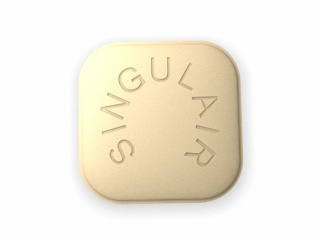
| Common forms | Tablets and oral granules (strength depends on age) |
| How it is used | Usually once daily, often in the evening |
| Typical purpose | Prevention of asthma symptoms and relief of allergic symptoms (where appropriate) |
| Key benefit | Helps reduce inflammation pathways linked with asthma and allergic reactions |
How Singulair works (mechanism of action)
In asthma and allergic conditions, substances called leukotrienes are released in the airways. Leukotrienes can:
- Increase inflammation
- Cause narrowing of the airways
- Increase mucus production
- Contribute to symptoms such as wheeze, breathlessness, and cough
Montelukast blocks the leukotriene receptor (a CysLT receptor), helping to reduce the effect of leukotrienes. As a result, it can improve breathing and help prevent symptoms, especially those related to allergic triggers and night-time symptoms.
Pharmacokinetics – how the body handles montelukast
“Pharmacokinetics” describes how a medicine is absorbed, distributed, metabolised, and eliminated. Key points for montelukast include:
- Absorption: Montelukast is absorbed after oral dosing.
- Food effects: Taking it with food may slightly change blood levels, but this is usually not considered a major issue for most people (see food interactions below).
- Metabolism: It is metabolised mainly in the liver.
- Elimination: Metabolites are eliminated primarily via bile and the digestive system.
- Duration of action: Because it blocks leukotriene receptors, benefits can last through the day and help especially with night-time symptoms when taken as directed.
Individual response varies. If you miss a dose, follow the guidance provided in the PIL or by your healthcare professional.
Typical uses in the UK
Singulair is used in specific circumstances for conditions linked to asthma and allergies. In the UK, the most common uses include:
- Asthma (as add-on therapy): Montelukast may be used to help control asthma in certain patients, particularly where symptoms are triggered by allergens or where there is a need to manage night-time symptoms.
- Exercise-induced bronchoconstriction (EIB): In some patients, it may help reduce symptoms related to exercise-triggered narrowing of the airways.
- Allergic rhinitis (hay fever): It may help relieve symptoms of allergic rhinitis in suitable patients where appropriate.
Use depends on age, symptom pattern, severity, and your overall treatment plan. In asthma, montelukast is generally used as part of a broader plan and does not replace a reliever inhaler.
When to take Singulair (timing and dosing routine)
Montelukast is usually taken . Many people are advised to take it in the evening because symptoms such as cough or wheeze may worsen at night.
Common timing tips
- Pick a consistent time: Taking it around the same time each day can improve adherence.
- Evening dosing is common: If you were told to take it in the evening, follow that schedule.
- Use set reminders: Phone alarms or medication apps can help you avoid missed doses.
Dosing – what is typical?
The correct dose depends on the condition being treated and the patient’s age. Strengths vary by product form (tablets vs oral granules).
Do not change your dose unless your clinician advises it. If you are unsure about your strength or how much to take, check the packaging or the PIL.
Example dosing ranges (for reference)
In practice, UK product strengths are commonly:
- Adults and adolescents: typically once daily dosing with a standard tablet strength.
- Children: oral granules or lower strength tablets depending on age.
Exact dosing should follow the official prescription label and PIL for your specific product and age group.
How to take
- Tablets: swallow whole with water.
- Oral granules: these may be mixed with soft food or taken as directed in the PIL.
Food interactions
Montelukast can generally be taken . Some formulations may show slight differences in blood levels when taken with meals, but this is not usually a reason to avoid food.
For practical convenience:
- If you take it with food, take it the same way each day.
- If you experience stomach discomfort, consider taking it with a light meal (unless your clinician says otherwise).
Alcohol and medicine interactions
Alcohol
There is no strong, well-established direct interaction between montelukast and alcohol. However, alcohol may worsen asthma control for some people by affecting breathing, sleep, dehydration, and immune responses.
If you drink alcohol, monitor your symptoms and avoid triggers that worsen breathlessness or wheeze. If you experience worsening asthma symptoms after alcohol, speak to your clinician.
Other medicines
Montelukast can interact with some medicines by affecting liver metabolism or overlapping side effects. Always keep your healthcare team informed about all medicines you take, including:
- Other asthma medicines (inhalers, tablets)
- Allergy treatments (antihistamines)
- Medications for infections, seizures, or long-term conditions
- Herbal remedies and supplements
A commonly discussed interaction is with medicines that influence liver enzyme activity. Your clinician or pharmacist can confirm whether any of your current medicines affect montelukast or vice versa.
Reliever medicines: Singulair is not a substitute for a fast-acting reliever inhaler. In an asthma flare, follow your asthma action plan and use your reliever as directed.
Indications – when Singulair may be appropriate
Indications describe the conditions for which montelukast is used. In the UK, montelukast may be considered for:
- Asthma: as add-on therapy for patients who need additional control beyond first-line treatment strategies.
- Prevention of exercise-related symptoms: in some patients to reduce exercise-induced bronchoconstriction.
- Allergic rhinitis: to help relieve symptoms in selected patients.
Whether montelukast is the best choice depends on symptom pattern, age, current inhaler regimen, and safety considerations. Your healthcare professional will balance benefits and risks.
Safety profile – what to know before taking Singulair
General side effects
Like all medicines, Singulair can cause side effects. Common or reported effects may include:
- Headache
- Abdominal discomfort, indigestion, or nausea
- Sore throat or viral symptoms
- Fatigue
Not everyone experiences side effects. If symptoms are persistent, bothersome, or worsening, consult your pharmacist or clinician.
Important neuropsychiatric warnings (UK/EU guidance)
Montelukast has been associated with serious mood and behavioural changes in some people. UK/EU safety communications have emphasised the importance of monitoring for mental health changes.
Seek urgent medical advice if you or a child taking montelukast develops any of the following:
- Agitation or aggressive behaviour
- Depression or worsening mood
- Sleep disturbances (including nightmares)
- Tremor, hallucinations, or feeling confused
- Suicidal thoughts or self-harm thoughts
If you notice changes such as irritability, altered sleep patterns, anxiety, or mood changes—even if mild—contact your clinician promptly for advice. Do not ignore early signs.
Allergic reactions
Stop taking the medicine and seek immediate medical attention if you develop signs of an allergic reaction such as:
- Swelling of the face, lips, tongue, or throat
- Difficulty breathing or swallowing
- Severe rash or widespread hives
When to contact a clinician
- Your asthma symptoms are not improving or are worsening.
- You need your reliever inhaler more often than usual.
- You experience persistent side effects.
- You are using other medicines and are unsure about compatibility.
Practical use tips for everyday life
1) Use it consistently (if prescribed)
Singulair is designed to help prevent symptoms. For many people, consistent daily use is important for best effect.
2) Keep your asthma action plan close
In asthma, Singulair does not act like a rescue inhaler. Follow your personalised asthma action plan for flare-ups and use your reliever medication as advised.
3) Monitor symptoms and triggers
- Track night-time symptoms and cough frequency.
- Note any triggers such as pollen, dust, pets, smoke, cold air, or infections.
- Share changes with your healthcare professional at review appointments.
4) Pay attention to mood and sleep (especially in children)
Ensure you or the child you care for reports or observes changes in behaviour, mood, or sleep. Early attention is key.
5) Don’t stop suddenly without advice
If you think you should stop montelukast—because symptoms are better or due to side effects—seek advice from your clinician first. They can help decide whether stopping is safe and whether an alternative plan is needed.
Alternative options
Alternatives depend on the condition being treated and severity. In asthma, first-line controller strategies often include inhaled corticosteroids and other inhaled medicines. For allergic rhinitis, antihistamines and nasal corticosteroids are commonly used.
Possible alternatives for asthma control
- Inhaled corticosteroids (ICS): cornerstone for many patients
- ICS/LABA combinations: for some levels of control
- Long-acting bronchodilators: as part of combination therapy (depending on guideline step)
- Other add-ons: clinician-dependent
Possible alternatives for allergic rhinitis
- Intranasal corticosteroids: effective for many patients
- Antihistamines: tablets or nasal sprays
- Allergen avoidance measures: where appropriate
Your clinician or pharmacist can explain which alternative is best for you based on your symptoms and history.
Guidance and safety communications (UK context)
Montelukast has been subject to safety communications in Europe regarding neuropsychiatric adverse reactions. UK clinical practice aligns with the need to:
- Use montelukast when benefits are expected to outweigh risks for the individual.
- Inform patients and caregivers about potential mental health and sleep effects.
- Monitor and escalate promptly if concerning symptoms occur.
If you are considering montelukast for allergic rhinitis in particular, your clinician may discuss whether an alternative treatment might be safer or more suitable, depending on your circumstances.
Delivery and availability in the United Kingdom
Singulair (montelukast) is widely available through UK pharmacies and is commonly stocked by online and high street retailers, subject to local supply and the specific strength/form you need.
- Availability: Tablets and oral granules may be offered depending on age and dosage requirements.
- Dispatch: Dispatch times vary by pharmacy and stock levels.
- Packaging: Medicines are delivered in manufacturer or pharmacy packaging with labels for identification.
- Delivery timeframe: Usually provided at checkout; couriers typically offer tracked delivery options.
If your required strength or formulation is temporarily out of stock, the pharmacy may contact you (or display an updated date) and may propose a suitable alternative form if clinically appropriate.
Frequently Asked Questions (FAQ)
1) Is Singulair the same as a steroid inhaler?
No. Singulair (montelukast) is not a steroid inhaler. It is a leukotriene receptor antagonist taken by mouth. Steroid inhalers (inhaled corticosteroids) act locally in the airways and are a different class of medicine.
2) Does Singulair work immediately?
Some people notice symptom improvement within days, but montelukast is primarily used for prevention. Consistent daily use is often needed to see full benefit. Your clinician can advise what timeframe to expect for your specific case.
3) Can I take Singulair with my asthma reliever inhaler?
Usually, yes—montelukast can be used alongside asthma reliever medicines and other asthma controllers as part of an overall plan. However, always follow your prescribed regimen and asthma action plan.
4) What should I do if I miss a dose?
Follow the instructions in the patient information leaflet for missed doses for your product strength/form. In general, do not take a double dose to make up for a missed tablet. If you are unsure, contact your pharmacist for guidance.
5) Can children take Singulair?
Singulair is available in formulations appropriate for children, including oral granules. The correct dose depends on age. Because of the neuropsychiatric safety warnings, carers should monitor mood and sleep closely and seek medical advice if concerns arise.
6) Are there any foods I should avoid?
Montelukast can generally be taken with or without food. If you notice that certain meals upset your stomach or affect how you feel, consider taking it consistently with the same meal. Speak to your pharmacist if side effects persist.
7) Is Singulair suitable if I drink alcohol?
There is typically no direct interaction, but alcohol may worsen asthma control for some people. If you notice that alcohol triggers symptoms, consider limiting intake and discuss this with your clinician.
8) What are the most important warning signs to seek help for?
Seek urgent advice if you or your child develop concerning mood or behavioural changes, including suicidal thoughts, hallucinations, agitation, or severe sleep disturbances. Also seek immediate care for signs of allergic reactions such as swelling or breathing difficulty.
9) What are the common side effects?
Possible side effects include headache, abdominal discomfort, nausea, tiredness, or sore throat. If side effects are severe or persistent, consult a healthcare professional.
10) What if Singulair doesn’t help my symptoms?
If symptoms continue or worsen, do not increase your dose on your own. Contact your clinician to review your diagnosis, triggers, inhaler technique (if relevant), and treatment plan. Asthma control can often be improved with appropriate step-up therapy.
Summary
Singulair (montelukast) helps control certain asthma and allergy symptoms by blocking leukotriene receptors, reducing airway inflammation and tightening effects. It is often taken once daily, frequently in the evening. Food usually does not significantly alter its use, and it can be taken with or without meals. As with all medicines, side effects can occur, and the most important safety aspect is the potential for serious mood and behavioural changes—so monitoring, especially in children, is essential.
If you want to discuss whether Singulair is suitable for your condition, speak to a pharmacist or clinician for personalised advice.