

Theo-24 Sr (Theophylline) – Patient Information
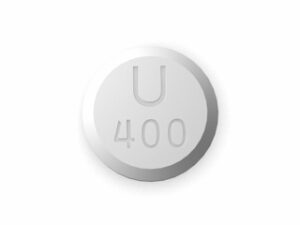
Theo-24 Sr contains theophylline, a medicine used mainly for the long-term control of breathing problems such as asthma and chronic obstructive pulmonary disease (COPD). “Sr” stands for sustained release, meaning the medicine is designed to release theophylline slowly over the day.
This page explains how Theo-24 Sr works, when and how it is usually taken, common interactions, and important safety information. Always follow the advice given to you by a healthcare professional.
Basic product information
- Medicine name: Theo-24 Sr
- Active ingredient: Theophylline (sustained release)
- Type: Oral sustained-release tablet/capsule (form may vary by pack)
- Used for: Long-term symptom control in asthma and COPD
- How it works: Helps open airways and reduce airway tightening
Note: Strengths can vary by presentation. Check your pack for the exact strength and instructions specific to your product.
How Theo-24 Sr works (mechanism of action)
Theophylline belongs to the group of medicines sometimes described as methylxanthines. In simple terms, it helps improve breathing by:
- Relaxing smooth muscle in the airways (bronchodilation), which can reduce wheezing and breathlessness.
- Reducing bronchoconstriction (tightening of the airways), helping air passages stay wider.
- Influencing inflammatory pathways in the airways, which may contribute to symptom control in some people.
- Increasing the body’s responsiveness to breathing signals, helping some patients feel less breathless.
Because Theo-24 Sr is sustained release, it is intended for steady control rather than quick rescue in an acute attack.
Pharmacokinetics (how the body handles theophylline)
Understanding pharmacokinetics can help explain why timing and interactions matter for theophylline.
- Absorption: Theophylline is absorbed from the gut, but the sustained-release form releases it gradually.
- Onset: Symptom improvement is not immediate like “reliever” inhalers. It is designed for ongoing control.
- Distribution: Theophylline distributes throughout body tissues.
- Metabolism: Theophylline is mainly metabolised by the liver (primarily via CYP enzymes).
- Elimination: It is removed from the body through metabolism and excretion.
- Half-life: The half-life can vary between people and may be prolonged in certain conditions (e.g., liver impairment, heart failure, infection, or in some age groups).
Why this matters: Theophylline has a narrow therapeutic range, meaning the difference between an effective dose and a dose that may cause side effects can be smaller than for many other medicines. That is why dose adjustments and interaction checks are important.
Typical use in the UK
In the UK, Theo-24 Sr (theophylline sustained release) may be used:
- Asthma: As an add-on treatment for some people when symptoms are not adequately controlled with inhaled therapy. It is usually not the first choice compared with inhaled corticosteroids and other modern options.
- COPD: Sometimes as part of a broader long-term management plan to help reduce symptoms and improve lung function.
It is intended for long-term management. If you experience sudden worsening, follow your personal action plan and use your reliever medicine as advised.
Timing and how to take Theo-24 Sr
Because Theo-24 Sr is sustained release, it is usually taken in a way that maintains steadier blood levels throughout the day.
- Frequency: Often once daily, but your exact schedule depends on the tablet strength and your prescribed regimen.
- Consistency: Take it at the same time each day to help maintain stable levels.
- With or without food: It can usually be taken with food if it upsets your stomach, but see food interaction notes below.
- Swallowing: Swallow whole with water. Do not crush, chew, or break sustained-release tablets unless your pack instructions specifically allow it.
- Missed dose: If you miss a dose, take it when you remember unless it is close to the next dose. Do not double up.
If you are starting Theo-24 Sr, you may need gradual dose adjustments. The first few weeks can involve monitoring for side effects and, in some cases, blood levels.
Food interactions (what to avoid or watch for)
Food can affect theophylline absorption and, therefore, blood levels. While the effect varies between individuals, it’s sensible to:
- Avoid sudden changes in your diet, especially significant changes in meal timing or composition.
- Keep consistent whether you take Theo-24 Sr with food or on an empty stomach.
- Be cautious with high caffeine intake (coffee, tea, energy drinks, some colas). These can add to stimulation and may increase side effects.
Grapefruit and related products: Theophylline metabolism may be affected by some foods and drinks. If you regularly use grapefruit products, speak to a pharmacist or clinician before continuing.
Alcohol as part of meals: Alcohol can also increase the risk of side effects (see below).
Alcohol and medicine interactions
Alcohol
Alcohol can increase the risk of side effects such as nausea, dizziness, headache, and palpitations. It may also affect the liver’s ability to metabolise theophylline.
- Practical advice: Limit alcohol and avoid binge drinking.
- Extra caution: If you have liver disease or heavy alcohol use, discuss with a healthcare professional before taking theophylline.
Common medicine interactions
Many medicines can raise theophylline levels (increasing toxicity risk) or lower them (making it less effective). Below are examples of medicines known to interact with theophylline. This is not exhaustive—always check with a pharmacist or prescriber if you start or stop any medicine.
- Antibiotics (may increase theophylline levels): such as macrolides (e.g., erythromycin, clarithromycin), and quinolones (e.g., ciprofloxacin).
- Antifungal medicines: some can increase theophylline levels.
- Anti-seizure medicines: some can reduce theophylline levels.
- Smoking: cigarettes can reduce theophylline levels. If you stop smoking, levels may rise.
- Certain heart rhythm medicines and other drugs affecting liver enzymes.
- Caffeine-containing products and stimulants can add to side effects (e.g., tremor, insomnia, palpitations).
Over-the-counter and herbal products
- Herbal remedies: some “natural” products may interact with liver enzymes. Ask your pharmacist before using herbal supplements.
- Cold and flu remedies: many contain caffeine or stimulants, and some can affect liver metabolism.
Urgent note: If you develop symptoms suggestive of high theophylline levels (e.g., severe nausea/vomiting, marked tremor, persistent fast heartbeat, seizures), seek urgent medical help.
Indications (what Theo-24 Sr is used for)
In the UK, theophylline sustained release is indicated for:
- Asthma for long-term control in selected patients.
- COPD to help manage chronic symptoms.
The exact suitability depends on your overall treatment plan, symptom pattern, and tolerance of the medicine.
Dosing (general guidance)
Dose is individual. It depends on factors such as age, body weight, smoking status, liver function, other medicines, and the risk of side effects. In many cases, clinicians aim for effective control while keeping theophylline blood levels in a safe range.
Adults
Typical starting doses and final doses vary by regimen and patient factors. Many clinicians use gradual dose adjustment and may consider checking blood theophylline levels in certain situations.
Older people
Theophylline can build up more easily in older adults, increasing side-effect risk. Lower doses are often needed.
Children and adolescents
Pediatric dosing depends on weight and clinical circumstances. Sustained-release formulations require careful selection and monitoring.
Monitoring
- Symptoms monitoring: report side effects promptly.
- Blood tests: blood theophylline level monitoring may be considered, especially when starting therapy, changing dose, changing interacting medicines, or if you have liver disease or signs of toxicity.
Do not change your dose without medical advice. Because theophylline levels can be affected by interactions and illness, dose changes should be guided by a clinician.
Safety profile and side effects
Theophylline can cause side effects, particularly at higher levels. The most common issues relate to the digestive system, the nervous system, and the heart rhythm.
Common side effects
- Nausea or stomach upset
- Headache
- Tremor (shakiness)
- Restlessness or difficulty sleeping
- Heart pounding (palpitations)
Less common but important side effects
- Arrhythmias (abnormal heart rhythms)
- Severe vomiting or persistent stomach pain
- Seizures (rare, but can occur with significant toxicity)
When to seek urgent help
Contact emergency services or seek urgent medical care if you experience:
- Severe or worsening tremor, confusion, or fainting
- Seizures
- Severe palpitations, chest pain, or feeling very unwell
- Persistent vomiting or signs of dehydration
Special populations needing extra care
- Liver impairment
- Heart failure or certain heart rhythm conditions
- Recent serious infection or high fever (can alter levels)
- Pregnancy and breastfeeding: risks and benefits must be discussed with a clinician
- Thyroid disease or uncontrolled metabolic conditions
Practical use tips (getting the best results safely)
- Keep a consistent routine: take it at the same time each day.
- Avoid sudden caffeine spikes: energy drinks and large coffee intakes may worsen side effects.
- Tell your healthcare team about all medicines: including inhalers, antibiotics, antifungals, antidepressants, and supplements.
- Be careful with smoking: starting or stopping smoking can change theophylline levels.
- Do not “double up” if you miss a dose.
- Watch for early signs of high levels: nausea, tremor, insomnia, or palpitations—report them promptly.
- Illness matters: if you get a fever or a significant chest infection, ask whether you should adjust monitoring or dose.
Alternative options
Theophylline is one option for long-term symptom control, but in modern respiratory care, other treatments are often preferred depending on the diagnosis and severity.
Asthma alternatives (typical long-term options)
- Inhaled corticosteroids (ICS) (often the foundation of asthma control)
- ICS/LABA combination inhalers
- Long-acting bronchodilators (as part of combination therapy where appropriate)
- Leukotriene receptor antagonists (for some people)
- Biologic therapies for specific asthma phenotypes (specialist care)
COPD alternatives (typical options)
- Long-acting bronchodilators such as LAMA and LABA
- Inhaled corticosteroids for selected patients
- Smoking cessation support and pulmonary rehabilitation
- Roflumilast in specific cases
Important: Whether an alternative is suitable depends on your diagnosis, current symptoms, lung function tests, and previous response to treatment.
Market and legal context in the UK
Medicines containing theophylline are regulated in the United Kingdom under the medicines regulatory framework. They are generally supplied through pharmacy channels, and usage guidance is based on official product information and clinical practice.
In UK respiratory care, treatment selection typically follows evidence-based guidance from professional bodies. Over time, theophylline use has decreased in some settings because newer inhaled therapies can offer better symptom control with a more favourable side-effect profile. However, it can still be useful for selected patients.
Product availability: Availability can vary by manufacturer, pack size, and local supply. If your usual brand or strength is unavailable, your pharmacist may discuss suitable substitutes.
Recent guidance and clinical considerations
UK respiratory guidance emphasises structured assessment, correct inhaler technique, adherence, and stepwise treatment for asthma and COPD. The role of theophylline tends to be:
- More selective for asthma, often considered when inhaled treatment is insufficient or not tolerated.
- Individualised for COPD, sometimes used when other long-acting inhaled options do not fully control symptoms.
Clinicians may consider theophylline less suitable where interaction risk is high or where more modern inhaled therapies can be optimised. If you are using Theo-24 Sr, you may be asked to attend reviews and report symptom changes and side effects. The need for blood level monitoring may be discussed, particularly if there are signs of toxicity or if your interacting medicines change.
Delivery and availability (UK)
Availability of Theo-24 Sr may vary depending on the supplier and pack size. When ordering online in the UK, you can typically expect:
- Dispatch times: Most orders are dispatched promptly when stock is available.
- Delivery: Options often include standard and express delivery, with tracking provided where offered.
- Substitutions: If a specific brand/strength is temporarily unavailable, your pharmacy may contact you to confirm suitable alternatives where permitted.
For the most accurate delivery estimates, check the delivery section at checkout or contact the pharmacy support team.
FAQ
1) Is Theo-24 Sr a reliever inhaler?
No. Theo-24 Sr is a long-acting sustained-release tablet used for ongoing control. It is not designed to relieve sudden breathlessness during an acute attack. Use your reliever medicine and follow your action plan.
2) How long does Theo-24 Sr take to work?
Some people may notice effects within days, but the medicine is intended for steady, long-term control. Your prescriber may reassess after an interval to decide whether the dose is appropriate.
3) Can I stop Theo-24 Sr if I feel better?
Do not stop suddenly without advice. Stopping can worsen symptoms in some people. If you want to discontinue, discuss a safe plan with a healthcare professional.
4) What should I do if I miss a dose?
Take it when you remember unless it is near the time of the next dose. Do not take two doses together. If you’re unsure, ask a pharmacist.
5) What are the warning signs of too much theophylline?
Potential signs include severe nausea/vomiting, persistent tremor, marked restlessness, insomnia, and fast or irregular heartbeat. Seek urgent help if symptoms are severe or you feel very unwell.
6) Can I drink coffee or energy drinks?
Moderate caffeine is not always prohibited, but high caffeine intake may worsen side effects. Keep your caffeine intake consistent and ask a pharmacist if you drink a lot of caffeine or energy drinks.
7) Does taking it with food make a difference?
Food can affect absorption. Taking it consistently with or without food is often advised. If you experience stomach upset, taking it with food may help.
8) Are there common medicines I should avoid?
Several medicines can interact with theophylline, especially some antibiotics, antifungals, anti-seizure medicines, and certain heart-related medicines. Always check with a pharmacist before starting new medicines.
9) Can Theo-24 Sr be taken with my inhalers?
Often yes—people may use Theo-24 Sr alongside inhaled treatments. However, ensure your healthcare professional knows all medicines you use, including inhalers, so interactions and side effects are properly managed.
10) Will I need blood tests?
Not everyone needs testing, but blood theophylline levels may be considered when starting treatment, changing dose, changing interacting medicines, or if there are signs of toxicity or risk factors such as liver impairment.
Summary
Theo-24 Sr (theophylline sustained release) helps support long-term control of symptoms in selected people with asthma or COPD. It works by improving airway relaxation and reducing bronchoconstriction. Because theophylline can interact with other medicines and has a narrow margin of safety, taking it at a consistent time, avoiding sudden changes in caffeine and smoking habits, and checking interactions are important. If you notice side effects—especially tremor, significant nausea, or palpitations—seek medical advice promptly.
| Topic | Key points for patients |
|---|---|
| What it’s for | Long-term symptom control in selected asthma and COPD patients. |
| How it works | Bronchodilation and airway effects via theophylline’s actions on muscle and inflammatory pathways. |
| When to take | Usually once daily; take at the same time each day and swallow whole. |
| Food & drink | Keep routine consistent; moderate caffeine and avoid spikes; watch for diet changes. |
| Alcohol | May increase side effects and affect liver metabolism—limit alcohol. |
| Interactions | Some antibiotics, antifungals, seizure medicines, and other drugs can raise or lower levels. |
| Safety | Report tremor, nausea/vomiting, insomnia, and palpitations; urgent care if severe. |