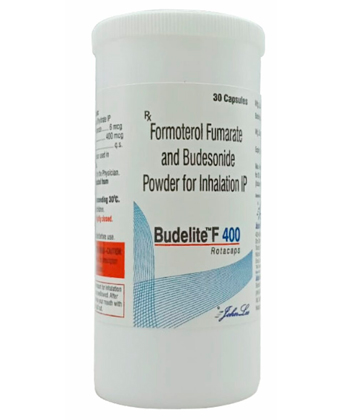
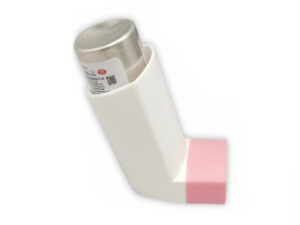
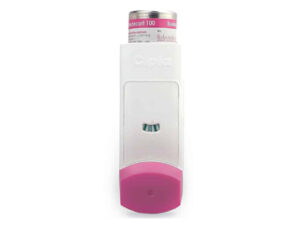
Budesonide/Formoterol Rotacaps (for Inhalation) – Patient Information (UK)
Budesonide/formoterol Rotacaps are inhaled medicines used to help control asthma and chronic obstructive pulmonary disease (COPD). They combine two medicines in one device:
- Budesonide – a corticosteroid (anti-inflammatory medicine)
- Formoterol – a long-acting beta2-agonist (bronchodilator)
This guide is designed to be patient-friendly and to help you understand what the medicine does, how to use it correctly, what to expect, and what safety points to consider in the United Kingdom.
Basic product information
| Feature | What to know |
|---|---|
| Medicine name | Budesonide/Formoterol Rotacaps (inhalation) |
| Active ingredients | Budesonide + Formoterol (usually as separate strengths depending on product) |
| How it works | Reduces airway inflammation (budesonide) and relaxes airway muscles (formoterol) |
| Form | Rotacaps (capsules containing inhalation powder) used with a compatible inhalation device |
| Common conditions | Asthma, COPD (as advised by your clinician) |
| Typical use | Regular maintenance to control symptoms; in some asthma regimens formoterol is used for symptom relief (see “Timing” and “Dosing” sections) |
Important: Brands and strengths can differ. Always follow the written instructions provided with your inhaler device and the regimen specified for your condition.
Mechanism of action (how it works)
Budesonide/formoterol works by targeting two key parts of breathing problems:
Budesonide (inhaled corticosteroid)
- Reduces inflammation in the airways.
- Helps lower swelling and mucus production.
- Over time, this can reduce symptoms and flare-ups.
Formoterol (long-acting bronchodilator)
- Stimulates beta2 receptors in airway smooth muscle.
- Causes relaxation of the airway muscles to improve airflow.
- Can act relatively quickly compared with some other long-acting bronchodilators.
Together, the combination helps both prevent symptoms (via budesonide) and relieve airway narrowing (via formoterol), though the exact role for “reliever” versus “maintenance” depends on the prescribed regimen.
Pharmacokinetics (what the body does to the medicine)
“Pharmacokinetics” describes absorption, distribution, metabolism, and elimination. For inhaled budesonide/formoterol:
- Absorption: Most medicine acts locally in the lungs after inhalation. A portion may be swallowed and absorbed through the gut.
-
Onset:
- Formoterol begins bronchodilation relatively quickly after inhalation.
- Budesonide’s anti-inflammatory effects develop over days, and full benefit typically takes longer.
- Distribution: Systemic uptake can occur, but inhaled therapy generally targets the airways with lower whole-body exposure than many oral steroids.
- Metabolism: Budesonide is metabolised mainly in the liver (by enzyme pathways such as CYP3A4). This matters if you take interacting medicines (see “Alcohol and medicine interactions”).
- Elimination: Metabolites are cleared from the body, predominantly via the kidneys.
If you have liver problems, you should seek clinical advice, as steroid metabolism may be reduced.
Typical use and indications in the UK
Budesonide/formoterol Rotacaps are used to treat:
- Asthma – to control long-term symptoms and reduce the risk of flare-ups. In certain treatment plans, formoterol-containing inhalers may also be used as part of symptom management.
- COPD – to relieve symptoms and reduce exacerbations in patients who meet clinical criteria.
Your clinician will tailor whether the medicine is used: only as maintenance or as maintenance plus symptom-directed use, depending on your diagnosis and severity.
When and how to take it (timing)
Timing is important for both effectiveness and safety. Your exact schedule may vary, but these are common principles:
- Maintenance dosing: usually taken regularly twice daily (morning and evening) unless instructed otherwise.
- Symptom relief (if your regimen includes it): when formoterol-containing inhalers are used for this purpose, take doses at the time symptoms occur as directed by your plan.
- Consistency: try to use your inhaler at the same times each day to maintain steady control.
- If you miss a dose: take it when you remember unless it is close to the time of your next dose. Do not take a double dose to make up for a missed one.
If you are unsure whether your inhaler is intended for maintenance only or also for symptom relief, check your written asthma/COPD plan or the instructions given to you by a healthcare professional.
Food interactions
Because this is an inhaled medicine, food interactions are usually unlikely. However:
- Some medicine may be swallowed after inhalation. In general, typical meals do not meaningfully affect inhaled dosing.
- If you notice stomach upset or reflux (which can affect comfort and inhalation technique), you may find it helpful to take your dose at a time you usually tolerate best.
Practical tip: If you use an inhaled steroid, consider rinsing your mouth and gargling with water after each dose (see “Practical use tips”) to reduce the risk of mouth/throat side effects.
Alcohol and medicine interactions
Alcohol
There is no specific “must avoid” alcohol instruction for all patients using budesonide/formoterol. However, alcohol can worsen breathing in some people by:
- triggering reflux or dehydration
- reducing sleep quality and symptom control
- interfering with adherence if it affects routines
If you drink alcohol, do so moderately and monitor your symptoms. Avoid heavy drinking if you notice it makes breathlessness or coughing worse.
Medicine interactions
Interactions depend on what you take alongside this inhaler. Key points include:
- Other beta2-agonists: using additional reliever inhalers or other bronchodilators may increase the risk of side effects such as tremor or palpitations if doses are high or too frequent.
- Beta-blockers (including some eye drops): non-selective beta-blockers can reduce the effect of formoterol. If you need a beta-blocker, clinicians often choose carefully and monitor you.
- Diuretics (“water tablets”) and some medicines affecting potassium: low potassium can increase the risk of rhythm-related side effects. This is especially relevant if you take high-dose diuretics or certain steroid tablets.
- Medicines that affect liver enzymes (e.g., CYP3A4 inhibitors): some drugs that inhibit metabolism may increase steroid exposure. Examples can include certain antifungals or some antibiotics. Your pharmacist or clinician can check your specific list.
- Other corticosteroids: additional steroid exposure (oral or injected) may increase overall risk of steroid-related effects.
- Medicines for rhythm problems: if you take treatments that affect heart rhythm, discuss your regimen, particularly if you ever experience palpitations or an irregular heartbeat.
Always tell your pharmacist or GP about all medicines and supplements you take, including over-the-counter products and herbal remedies.
Dosing (how much to take)
Dose depends on: your diagnosis (asthma vs COPD), the strength of your Rotacaps, and the treatment plan provided.
Follow your written directions exactly. The sections below describe common dosing approaches, but do not replace your personalised plan.
Asthma (common approach)
- Maintenance-only regimen: often taken twice daily at regular intervals.
- Regimens that include symptom-directed use: if your clinician has instructed you to use this inhaler for symptoms, you may take additional doses during flare-ups, within specified maximum limits.
COPD (common approach)
- Usually taken twice daily as maintenance to reduce breathlessness and exacerbations.
- You may also be prescribed a separate short-acting “rescue” inhaler for sudden symptoms, depending on your plan.
Maximum doses and “don’t exceed”
Formoterol belongs to a class of medicines where overuse can increase risk of side effects. Your package leaflet and personal instructions will specify maximum daily doses. Do not exceed these limits.
Safety profile (what to watch for)
As with all medicines, budesonide/formoterol may cause side effects. Many are mild and improve as your body adapts, but some require prompt medical attention.
Common or expected side effects
- Hoarseness or voice changes
- Throat irritation
- Oral thrush (candida) – usually reduced by rinsing your mouth after use
- Tremor or mild shaking (from formoterol)
- Headache
- Palpitations (feeling your heartbeat)
- Muscle cramps (less common)
Less common but important risks
- Reduced adrenal function (systemic steroid effects) with higher doses or long-term use – discuss risk if you are on additional steroid medicines.
- Worsening asthma/COPD if misused: if symptoms are uncontrolled, it may indicate the need to review treatment, not simply increase doses repeatedly.
- Heart rhythm problems: especially if you have underlying heart disease or take interacting medicines.
- Hypokalaemia (low potassium): can occur with beta2-agonists; risk increases in certain situations.
Seek urgent medical advice if
- you have sudden or severe worsening breathlessness
- you experience chest pain, fainting, severe palpitations, or an irregular heartbeat
- you develop symptoms of an allergic reaction (e.g., swelling of face/lips, rash, difficulty breathing)
- your inhaler doesn’t relieve symptoms as expected, or you’re needing unusually frequent doses of reliever
Do not stop your inhaler suddenly without medical advice, especially if it contains a steroid component. Stopping abruptly may worsen asthma control.
Practical use tips (getting the best from your Rotacaps)
Correct inhaler technique matters
Inhaled medicines work best when the powder reaches your lungs. Technique affects dose delivery and the likelihood of side effects.
- Use the correct device: Rotacaps are used with a compatible Rotacap inhaler. Do not put Rotacaps into other inhalers unless advised.
- Check your dose: make sure you are using the intended strength as prescribed.
- Load the capsule correctly: insert the capsule into the chamber as shown in the instructions for your device.
- Breathe out gently before inhaling (away from the device) to avoid moisture in the powder.
- Inhale strongly and steadily through the mouthpiece, then hold your breath briefly if you can.
- Seal the habit: close the device and store capsules properly (see below).
Rinsing after inhaled steroids
- After each dose, rinse your mouth and gargle with water.
- Spit the water out—do not swallow it.
- This reduces the risk of oral thrush and hoarseness.
How to store Rotacaps
- Keep capsules in their original packaging.
- Store in a dry place at the temperatures recommended on the packaging.
- Do not use capsules that are damaged or out of date.
When to review your treatment
If you find that you need your reliever more often, or symptoms are not well controlled, it may mean your plan needs adjustment. Contact your GP, asthma nurse, or COPD team rather than repeatedly increasing doses on your own.
Alternative options (if you need a different inhaler)
There are several inhaled treatment options for asthma and COPD in the UK. Which is suitable for you depends on your symptoms, past history, technique, and whether you need quick relief as part of the regimen.
Possible alternatives for asthma
- Different inhaled combination inhalers (ICS/LABA) with various devices (pressurised metered-dose, dry powder, spacer-based systems).
- ICS alone in milder asthma for some patients (not appropriate for everyone).
- Other controller regimens if symptoms remain uncontrolled (may include add-on therapies under specialist guidance).
Possible alternatives for COPD
- ICS/LABA combinations with different inhaler styles and strengths.
- Long-acting bronchodilator options (for example LAMA or LABA/LAMA combinations) depending on your GOLD stage and symptom profile.
- Escalation or review if exacerbations continue despite treatment.
If you experience side effects or struggle with technique, your healthcare team may switch you to a device that better fits your needs.
Market and legal context for the UK
In the UK, inhaled corticosteroids and bronchodilators are regulated medicines and are supplied through established pharmacy channels. Online pharmacies may provide delivery services, but availability, strength, and product choice are subject to UK medicines regulations, authorised supply chains, and prescriber directions where required by law.
Budesonide/formoterol is widely used and is commonly included in UK respiratory guidance and treatment pathways for asthma and COPD. The exact brand and strength can vary based on what is available and what your clinician has chosen for your regimen.
Recent guidance (what matters for patients)
UK respiratory guidance evolves as evidence changes. While individual regimens differ, several consistent themes are important:
- Use inhaled maintenance regularly to control inflammation and reduce exacerbations.
- Review inhaler technique at every opportunity; many “treatment failures” are due to incorrect use.
- Do not rely on the same inhaler only when symptoms flare if it is intended for maintenance—follow your asthma/COPD plan.
- Seek review if control worsens rather than increasing doses beyond recommended limits.
- Consider safety risks such as thrush with inhaled steroids; rinse after dosing.
If you have not had a recent asthma or COPD review, consider arranging one—especially if symptoms are changing.
Delivery and availability (UK)
Availability can vary depending on stock, strength, and device compatibility. Many online pharmacies in the UK can deliver medicines to UK addresses, typically within specified delivery windows.
- Stock levels: if your exact Rotacaps strength is temporarily unavailable, your pharmacy may suggest an alternative option.
- Packaging: products usually arrive in manufacturer packaging with patient information included.
- Cold chain: this inhalation powder medicine generally does not require refrigeration.
- Check expiry dates: always confirm the expiry date on the outer packaging upon receipt.
To avoid delays, ensure your delivery details are correct and that you are available to receive parcels. If you use a specific inhaler device, also keep it in good condition and ensure it remains compatible with your Rotacaps.
FAQ
1) What is Budesonide/Formoterol Rotacaps used for?
It is used to help control asthma and COPD by reducing airway inflammation (budesonide) and widening the airways (formoterol). Your treatment plan will specify how and when to use it.
2) How quickly will it work?
Formoterol can help relieve tightness relatively quickly. However, budesonide works gradually, and the full benefit for inflammation control may take days to weeks. Consistent daily use helps.
3) Should I rinse my mouth after using it?
Yes. Rinsing and gargling after each dose helps reduce the risk of thrush and hoarseness from the steroid component.
4) Can I drink alcohol while using it?
In general, moderate alcohol is not specifically banned, but alcohol can worsen symptoms in some people. If you notice breathlessness or reflux after drinking, reduce or avoid alcohol and discuss this with your clinician.
5) What if I miss a dose?
Take it when you remember unless it is almost time for your next dose. Do not take an extra dose to compensate. If you’re unsure, ask your pharmacist for advice based on your regimen.
6) What should I do if my symptoms get worse?
First follow your action plan. If symptoms worsen quickly, become severe, or you need reliever doses more often than advised, seek medical advice promptly. Worsening control can require a review of your treatment.
7) Are there common side effects?
Common side effects include hoarseness, throat irritation, and sometimes tremor or palpitations. Oral thrush can occur with inhaled steroids—rinsing after use helps reduce this risk.
8) Can other medicines interact with it?
Yes. Tell your pharmacist about all medicines you take, especially: beta-blockers, diuretics, some antibiotics/antifungals, and medicines that may affect liver metabolism or potassium levels.
9) How do I know I’m using the Rotacaps correctly?
Technique is crucial. Use the correct compatible device, inhale strongly and steadily, and rinse your mouth after each dose. If you’re unsure, ask your pharmacist or nurse to watch you use it.
10) What are the alternatives if I can’t tolerate this medicine?
There are other inhaled controller options for asthma and COPD, including different inhaled combination inhalers, inhaler devices, and add-on therapies depending on your needs. Discuss options with your clinician.
Disclaimer: This information is intended to help you understand budesonide/formoterol Rotacaps. Always follow the instructions provided with your specific product and device, and consult a healthcare professional if you have questions about your suitability, dosing, or safety.