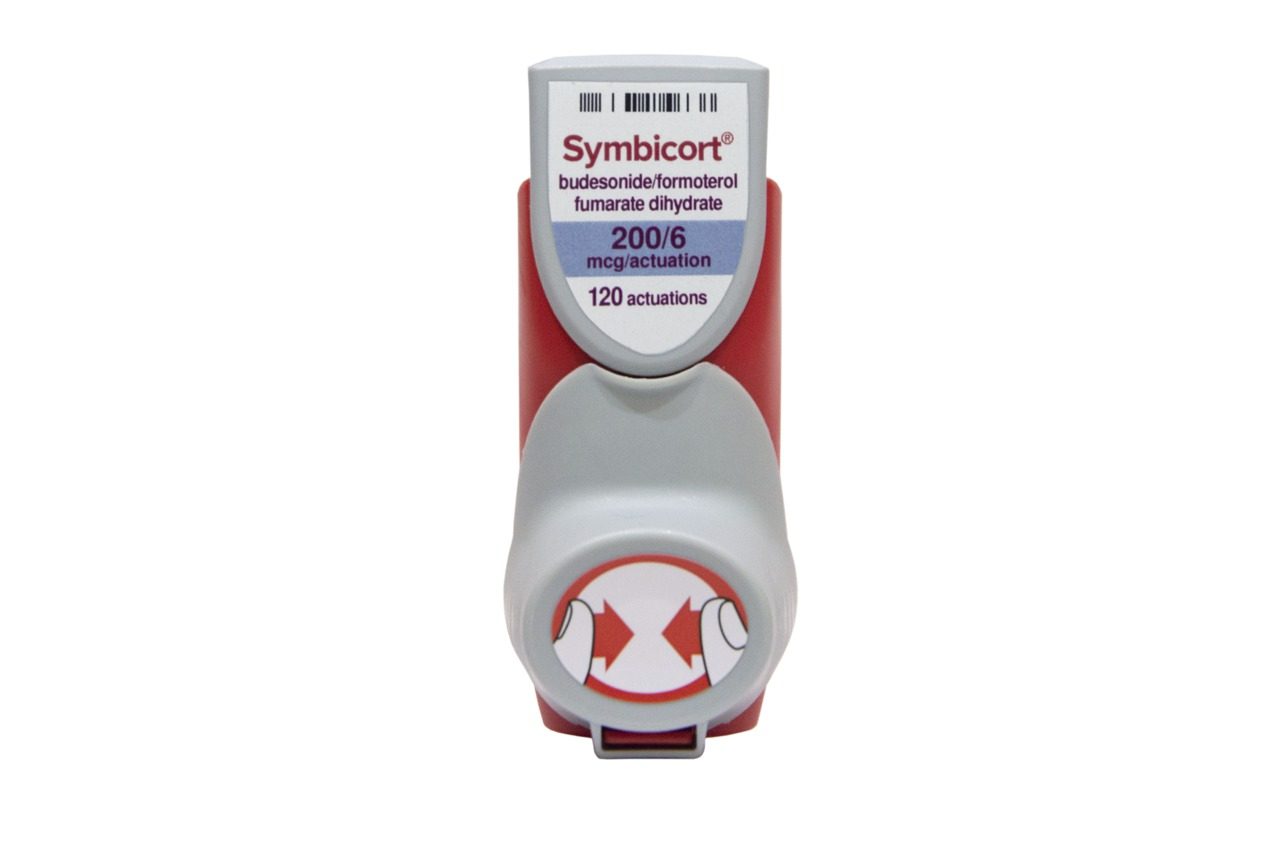

Symbicort (Powder Form) – Budesonide / Formoterol Fumarate Dihydrate (UK)
Symbicort is an inhaled medicine used to help manage long-term breathing conditions such as asthma and chronic obstructive pulmonary disease (COPD). It contains two active ingredients: budesonide (a corticosteroid) and formoterol fumarate dihydrate (a long-acting bronchodilator).
This page describes how Symbicort works, how it is used, and what to consider for safe, effective use in the United Kingdom. It is written to be patient-friendly and practical. Always follow the directions given by your healthcare professional and the information provided with your inhaler.
Quick product overview
| Feature | Details |
|---|---|
| Medicine name | Symbicort (powder form) – budesonide / formoterol fumarate dihydrate |
| Type | Inhaled combination medicine (corticosteroid + bronchodilator) |
| Main ingredients | Budesonide (anti-inflammatory) + Formoterol (bronchodilator) |
| Common uses | Asthma; COPD in appropriate patients |
| How it helps | Reduces airway inflammation and relaxes airway muscles to improve airflow |
| Administration | Inhalation using a Symbicort powder inhaler device |
| Onset | Formoterol can work quickly; budesonide benefits build with regular use |
What Symbicort is used for (indications)
Symbicort is used to treat conditions where airway inflammation and narrowing affect breathing. The exact choice of medicine and dose depends on your diagnosis, symptom control, and previous treatment history.
- Asthma: To control symptoms over the long term and to reduce exacerbations. Many patients benefit from inhaled corticosteroid/long-acting bronchodilator combination therapy.
- COPD (for eligible patients): To improve lung function and help reduce flare-ups in people with chronic obstructive pulmonary disease.
Your healthcare professional may tailor the plan based on how severe your symptoms are and how well your condition responds to treatment. Do not change your regimen without medical advice.
How Symbicort works (mechanism of action)
Symbicort combines two medicines that work in different ways to improve breathing:
1) Budesonide – anti-inflammatory corticosteroid
- Budesonide helps reduce inflammation in the airways.
- It decreases immune-driven swelling and irritation, which helps prevent symptoms and flare-ups.
- It is designed for long-term control when taken regularly.
2) Formoterol – bronchodilator (long-acting beta2-agonist)
- Formoterol relaxes the smooth muscles around the airways.
- This widens the airways, making it easier to breathe.
- Formoterol has a relatively rapid onset compared with some other long-acting bronchodilators.
Together, the medicines both treat the underlying airway inflammation (budesonide) and the symptoms caused by airway narrowing (formoterol).
Pharmacokinetics (how the body handles it)
Because Symbicort is inhaled, most of the medicine acts locally in the lungs. Some medicine may still be absorbed into the bloodstream and processed by the body. Key points include:
- Local lung action: Most of the therapeutic effect comes from budesonide and formoterol acting on the airways.
- Systemic absorption: A portion of the inhaled dose can be absorbed after inhalation.
- Metabolism: Budesonide is metabolised mainly by the liver enzyme CYP3A4.
- Excretion: Metabolites are eliminated primarily by the kidneys (urine).
Individual absorption and responses vary between patients and depend on correct inhaler technique. Using the device properly is essential to obtain the intended dose in the lungs.
Typical use and timing
Symbicort is intended for regular maintenance therapy. The exact schedule depends on the condition being treated and the strength prescribed for you.
Common approach in asthma
- Many asthma plans involve twice-daily maintenance dosing (morning and evening).
- Some patients may use a personalised plan for symptom relief as advised by their healthcare professional.
Common approach in COPD
- Maintenance treatment is typically twice daily.
- Additional rescue medicines may be used if you have breathlessness symptoms, as directed.
Do not take extra doses beyond the plan given to you. If you feel you need more relief, discuss it with a healthcare professional.
How to take Symbicort powder (practical use tips)
Good inhaler technique improves delivery of medicine to the lungs and reduces the chance of side effects. The exact steps can vary slightly depending on the specific Symbicort powder inhaler model. Follow the instructions in your device leaflet.
General technique checklist
- Prepare: If your device requires priming or loading the dose, do this exactly as instructed.
- Exhale away from the device: Avoid breathing out into the inhaler mouthpiece to reduce powder clumping.
- Seal lips around mouthpiece: Ensure a tight seal to prevent leaks.
- Inhale forcefully and deeply: Powder needs a strong inhalation to disperse into the airways.
- Hold your breath: Hold for as long as comfortable (often around 5–10 seconds) before breathing out.
- Close/prepare device for the next dose if required.
After inhalation
- Rinse your mouth with water and spit out (do not swallow) after use. This can help reduce the risk of oral thrush and hoarse voice.
- If you get a persistent sore throat, white patches in the mouth, or worsening hoarseness, speak to your healthcare professional.
Missing a dose
If you miss a dose, take it as soon as you remember unless it is close to the time for your next dose. If you are unsure, follow the instructions from your healthcare professional or your medicine leaflet. Do not double up to make up for missed doses.
Dose information (typical dosing patterns)
Symbicort comes in different strengths, and dosing differs by age group, diagnosis, and symptom control. Your exact dose should be confirmed on your medicine label and in the treatment plan.
Important: The examples below are general patterns. Do not use them to decide your own dose.
- Asthma: Maintenance dosing is often twice daily. Some treatment plans include a separate approach for symptom relief depending on your clinician’s strategy.
- COPD: Maintenance dosing is typically twice daily in appropriate patients.
If you have questions about what strength you have, or how many inhalations to take each day, check your product pack or ask a pharmacist.
When to expect benefit
- Formoterol may provide symptom relief fairly quickly after inhalation due to its bronchodilator action.
- Budesonide works over time. Regular use helps control underlying inflammation, and benefits may build over days to weeks.
If your symptoms are not improving or you are using symptom relief more often than expected, you may need a review of your treatment plan.
Food interactions
Food does not usually have a significant effect on inhaled Symbicort because it is delivered to the lungs rather than taken by mouth as a tablet. However, general wellbeing matters: maintain a balanced diet and avoid triggers that worsen symptoms.
If you are also taking other medicines for asthma or COPD, those medicines may have food-related considerations. Check with a pharmacist if you are unsure about interactions for your full medication list.
Alcohol and medicine interactions
Symbicort can interact with certain medicines, particularly those affecting liver enzymes and potassium levels. Alcohol is not typically known to directly interact with inhaled budesonide/formoterol in the way some tablets do, but alcohol can worsen breathing for some people and may affect judgement about symptom severity.
Medicines most likely to interact
- CYP3A4 inhibitors: Medicines that inhibit CYP3A4 can increase budesonide exposure. Examples may include some antifungals and certain antibiotics (your pharmacist can confirm).
- Other beta2-agonists: Using multiple bronchodilators may increase side effects such as tremor or palpitations.
- Non-selective beta-blockers: These may reduce the effect of formoterol or worsen bronchospasm. Cardioselective beta-blockers may be used in certain situations, but this should be discussed with a clinician.
- Diuretics (water tablets) and steroid tablets: These can affect potassium levels. Low potassium may increase the risk of heart rhythm problems in susceptible individuals.
- Medicines for the heart rhythm: Some heart medicines can interact with changes in potassium or other effects.
Alcohol considerations
- If alcohol makes your asthma or COPD symptoms worse (e.g., coughing, breathlessness), try to limit intake and seek advice.
- Alcohol may also increase dehydration and impair sleep, potentially affecting symptom control.
Always tell your pharmacist and healthcare professional about all medicines you take, including over-the-counter treatments and herbal products.
Safety profile and potential side effects
Like all medicines, Symbicort can cause side effects. Many side effects are mild and improve as your body adjusts. However, some effects may require medical attention.
Common side effects
- Throat irritation or hoarseness
- Oral thrush (white patches or soreness in the mouth)
- Headache
- Tremor (often linked to the bronchodilator component)
- Palpitations or feeling of a faster heartbeat (formoterol-related)
Less common but important side effects
- Muscle cramps or feeling weak (may be associated with low potassium in some contexts)
- Unusual chest pain or significant changes in heart rhythm
- Allergic reactions such as rash, itching, swelling of the face/lips, or difficulty breathing
- Worsening breathing immediately after inhalation (possible inhaler technique issue or rare sensitivity)
When to seek urgent medical help
Seek urgent medical attention if you experience signs of a severe allergic reaction, sudden severe breathlessness, or symptoms of a serious asthma/COPD flare that are not improving as expected.
Safety considerations for special groups
- Children: Symbicort use in children depends on age and diagnosis. Dosing and device technique are particularly important.
- Pregnancy and breastfeeding: Inhaled corticosteroids are often used in pregnancy when benefits outweigh risks. Discuss with a clinician to ensure the safest plan.
- Heart conditions: Formoterol can affect heart rate and rhythm. Tell your healthcare professional if you have heart disease, arrhythmias, or previous palpitations.
- Diabetes: Corticosteroids and beta2-agonists can sometimes influence blood sugar levels.
- Thyroid disease: Inform your clinician if you have hyperthyroidism.
Practical tips for better control
- Check your inhaler technique periodically with a pharmacist or nurse. Many people need a refresher even if they have used the device for a long time.
- Use consistently: If you stop or frequently miss doses, inflammation can return and symptoms may worsen.
- Know your action plan: Ask for an asthma/COPD plan so you understand what to do if symptoms flare.
- Rinse after inhaling to reduce thrush and hoarseness.
- Track symptoms: If you notice increased nighttime symptoms, reduced exercise tolerance, or frequent rescue use, request a review.
- Manage triggers: Common triggers include smoke, dust, cold air, and allergens.
Alternative options (therapeutic alternatives)
Different inhaler options may be suitable depending on your diagnosis and control. Alternatives to Symbicort may include:
- Single-agent inhalers (e.g., inhaled corticosteroid alone) for selected asthma cases.
- Other combination inhalers with different corticosteroids and/or different long-acting bronchodilators.
- Different bronchodilator classes (particularly in COPD) such as long-acting antimuscarinics (often used in specific combinations).
- For symptom relief: short-acting inhalers (commonly beta2-agonists) may be used as rescue options depending on your plan.
Your clinician will choose alternatives based on inhaler technique, symptom pattern, exacerbation history, side-effect profile, and any other medical conditions.
Market and legal context in the United Kingdom
Symbicort is a widely used inhaled combination medicine in the UK. Inhalers are regulated through the UK medicines framework, and supply is managed by standard pharmacy and medicine distribution rules. Availability can vary by strength and pack size.
Guidance for asthma and COPD management in the UK is commonly informed by national and professional bodies, and treatment choices often follow stepwise approaches based on symptom control and risk of flare-ups.
Recent guidance and clinical approach (UK)
UK asthma and COPD management has continued to emphasise:
- Correct inhaler technique and adherence to controller medicines.
- Reviewing symptom control and adjusting treatment step-by-step rather than switching abruptly.
- Reducing exacerbations by addressing inflammation early and consistently.
- Personalised plans for how to manage symptoms during flare-ups.
If you are not meeting your asthma or COPD control goals, ask for a structured review. Many issues are correctable—such as inhaler technique, trigger management, and appropriate dosing.
Delivery and availability (online pharmacy)
Symbicort (powder form) may be available from online pharmacies subject to stock levels and the specific strength/pack size. Delivery times can vary depending on the supplier, your location, and shipping service.
- Stock status: Products may show “in stock”, “limited stock”, or “out of stock” on the website.
- Strength and pack size: Ensure you select the correct version matching your prescribed dose plan.
- Packaging and storage: Store the inhaler as directed on the pack (typically at room temperature, protected from moisture).
If you are unsure which strength you need, do not guess—check your current inhaler label or ask a pharmacist.
Frequently Asked Questions (FAQ)
Is Symbicort suitable for asthma and COPD?
Symbicort is used for asthma and may also be used for COPD in appropriate patients. The exact dosing and strength depend on your diagnosis and treatment plan.
How quickly does Symbicort work?
Formoterol can begin to relax airways relatively quickly, which may improve breathing sooner. Budesonide works to reduce inflammation and benefits typically build over time with regular use.
Can I use Symbicort when I feel breathless?
It depends on your personal plan. Some asthma regimens use combination inhalers for both maintenance and relief strategies. Always follow the instructions provided by your healthcare professional and your inhaler leaflet.
Do I need to rinse my mouth after using Symbicort?
Yes. Rinse your mouth with water and spit out after inhalation (do not swallow). This helps reduce the risk of oral thrush and hoarseness caused by inhaled corticosteroids.
What if my inhaler tastes powdery or I can’t feel it working?
Feeling or tasting the medicine is not a reliable indicator that it has reached your lungs. Technique matters. If you struggle with inhalation steps, ask a pharmacist to observe your technique. If symptoms remain uncontrolled, your treatment may need review.
Can I stop Symbicort once my symptoms improve?
In most cases, Symbicort is used as ongoing maintenance. Stopping suddenly can lead to loss of control and worsening inflammation. Speak to a healthcare professional before changing or stopping treatment.
What should I do if I miss a dose?
Take it when you remember unless it’s almost time for your next dose. Do not take extra doses to make up for a missed one—follow your medicine leaflet or pharmacist advice.
What medicines should I avoid or be cautious with?
Tell your pharmacist about all medicines you take. Particular caution may apply with: CYP3A4 inhibitors, beta-blockers, certain diuretics, and other medicines that can affect heart rhythm or potassium levels.
Does food affect Symbicort?
Food interactions are not usually a major issue with inhaled Symbicort. However, general health, diet, and managing triggers can support symptom control.
Can I drink alcohol while using Symbicort?
Alcohol isn’t typically a direct interaction with inhaled budesonide/formoterol, but it can worsen breathing for some people. If you notice alcohol triggers your symptoms, consider reducing intake and discuss with a healthcare professional.
Are there long-term risks from inhaled corticosteroids?
Inhaled corticosteroids are generally safer than oral steroids for long-term use. Still, higher doses and prolonged use can increase the chance of side effects. Your clinician will prescribe the lowest effective dose to keep control and reduce risk.
What should I do if I get thrush or persistent hoarseness?
Continue using the inhaler only as directed unless advised otherwise. Rinse after each dose. If symptoms persist, contact a healthcare professional promptly—treatment may be needed.
Summary
Symbicort (budesonide / formoterol fumarate dihydrate) is an inhaled combination medicine designed to control airway inflammation and improve airflow. Regular use supports long-term symptom control, while formoterol can help relax airways. Correct inhaler technique, rinsing the mouth after use, and following your personalised treatment plan are key to safe and effective therapy.
If you have questions about which strength is right for you, how to use your inhaler, or how to manage a flare-up, a pharmacist or healthcare professional can help.