
Levofloxacin (Levofloxacin) – Patient Information Guide (UK)
Levofloxacin is an antibiotic used to treat certain bacterial infections. It belongs to the fluoroquinolone family of medicines and works by stopping bacteria from replicating. This page explains how levofloxacin works, how it behaves in the body, typical uses, practical tips for taking it safely, and what to expect in terms of side effects.
1. Basic product information
- Medicine name: Levofloxacin
- Medicine type: Antibiotic (fluoroquinolone)
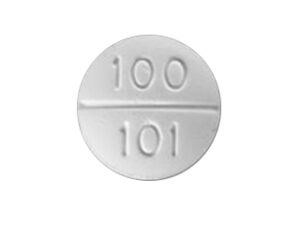
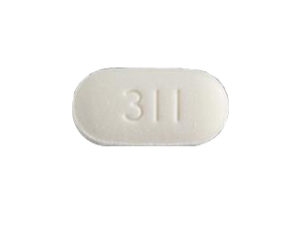
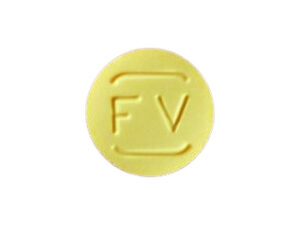
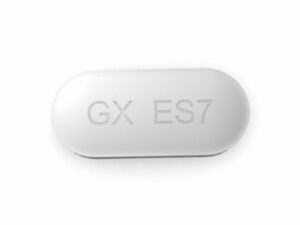
- Common strengths (examples): 250 mg, 500 mg (available as tablets and sometimes other formulations depending on supplier)
- How it is usually taken: By mouth (oral tablets) for many infections
- Common brands: May vary by manufacturer; your pack will show the exact brand and strength
- Who it is for: Adults for specific infections (use in children is generally restricted due to safety considerations)
This guide is written to be patient-friendly. Always read the patient information leaflet (PIL) that comes with your medicine for the most accurate details for your specific product.
2. How levofloxacin works (mechanism of action)
Levofloxacin is designed to target bacteria rather than viruses. It works by interfering with two key bacterial enzymes:
- DNA gyrase (a type II topoisomerase)
- Topoisomerase IV
These enzymes are essential for bacterial DNA replication and division. Levofloxacin binds to these enzymes, preventing bacteria from copying their genetic material and multiplying. In many infections, this results in bacterial death or stoppage of growth.
Like all antibiotics, levofloxacin is effective only when the infection is caused by susceptible bacteria. If a condition is viral (for example, many colds or flu), an antibiotic will not help.
3. Pharmacokinetics: what the body does to levofloxacin
Pharmacokinetics describes how the medicine is absorbed, distributed, metabolised, and eliminated. Understanding this can help you take it at the right times and know what may affect its levels.
Absorption
Levofloxacin is generally absorbed well after oral dosing. The presence of food does not usually prevent absorption, though specific dietary supplements and minerals can interfere (see “Food interactions” below).
Distribution
After absorption, levofloxacin distributes into various body tissues, including lung tissue and urinary tract tissues, which is one reason it is used for certain respiratory and urinary infections. Concentrations achieved depend on the dose, duration, and kidney function.
Metabolism
Levofloxacin is relatively stable in the body and does not undergo extensive metabolism. A large proportion is eliminated unchanged.
Elimination
Levofloxacin is cleared mainly by the kidneys. This is important because people with reduced kidney function may require dose adjustments to reduce the risk of side effects.
Half-life (general concept): The medicine remains active for long enough to allow once-daily dosing for many regimens. However, the exact schedule depends on the infection being treated and the specific prescription instructions on your pack or clinician guidance.
4. Typical use in the UK: what levofloxacin is used for
Levofloxacin is used for bacterial infections where it is considered appropriate based on local resistance patterns and the likely bacteria involved. In clinical practice, it may be considered for infections such as:
- Chest/lung (lower respiratory tract) infections (for example, community-acquired pneumonia in certain situations)
- Urinary tract infections including complicated cases, depending on local guidance and susceptibility
- Prostatitis (bacterial infection of the prostate) in selected cases
- Skin and soft tissue infections in certain circumstances
- Other bacterial infections when appropriate and guided by susceptibility/testing
Availability and recommended use may vary depending on local NHS guidance and the infection type. Antibiotic choices are influenced by:
- Likely bacteria and resistance patterns
- Severity of infection
- Your medical history, including kidney function
- Recent antibiotic exposure and allergies
5. Timing and how to take levofloxacin
The timing of doses can affect how steadily the medicine works. Many regimens are once daily, but some infections may require twice-daily dosing. Always follow the directions on your label and the PIL.
Practical dosing schedule tips
- Choose a consistent time: If once daily, take it at the same time each day.
- Even spacing (if multiple doses): If twice daily, aim for roughly 12 hours between doses.
- Complete the course: Even if you feel better, finish the prescribed course to help reduce relapse and resistance.
- What if you miss a dose? Take it as soon as you remember unless it is close to the next dose. Do not double up.
If you are unsure about timing, ask your pharmacist. They can help you build a schedule that fits your day.
6. Food interactions and what to avoid
Food generally does not prevent levofloxacin absorption, but certain substances can significantly reduce absorption when taken at the same time. This is particularly important for mineral-containing products.
Common interactions with food and supplements
- Iron supplements
- Zinc supplements
- Magnesium or aluminium antacids
- Sucralfate
- Multivitamins that contain these minerals
- Dairy products and calcium supplements (usually less of an issue with normal meals, but mineral supplements may still interfere)
Tip: If you need these products, separate them from levofloxacin by several hours. The exact gap can depend on the product and your regimen—your pharmacist can advise on a safe spacing plan.
Hydration
Staying well-hydrated can support kidney function and overall comfort while you are taking an antibiotic.
7. Alcohol and medicine interactions
There is no single rule that alcohol is always safe or always unsafe with levofloxacin, but alcohol can worsen certain side effects such as:
- Dizziness
- Sleep disturbance
- Nausea
- Headache
If you choose to drink alcohol, keep it modest and avoid if you feel unwell. Also note that some infections themselves may make you feel more fragile; alcohol can delay recovery.
Other important medicine interactions (examples)
Levofloxacin can interact with some medicines. It is particularly important to tell a healthcare professional if you use:
- Medicines that can affect heart rhythm (QT prolongation) (risk varies by medicine)
- Warfarin or other blood thinners (anticoagulant effect may change)
- Anti-diabetic medicines (risk of low or high blood sugar may occur)
- Non-steroidal anti-inflammatory drugs (NSAIDs) (used for pain/fever; may affect seizure threshold in certain situations)
- Probenecid or cimetidine (can affect kidney clearance)
- Theophylline (may affect side effect risk)
This list is not exhaustive. Always review your full medicine list—including over-the-counter products and herbal remedies—with a pharmacist.
8. Indications: when levofloxacin may be chosen
“Indications” means the conditions a medicine is used to treat. For antibiotics, the most important factor is whether the infection is likely bacterial and susceptible to levofloxacin.
Levofloxacin may be considered for:
- Susceptible bacterial infections where a fluoroquinolone is appropriate
- Situations involving specific bacteria or resistance patterns (based on clinician judgement and local policy)
- Cases requiring oral therapy where an oral antibiotic is suitable
In the UK, antibiotic prescribing is guided by antimicrobial stewardship principles to reduce unnecessary use and limit resistance. That means levofloxacin may not be the first choice for every infection.
9. Dosing: how much is usually taken
Dosing depends on the infection type, severity, suspected or confirmed bacteria, and kidney function. The correct regimen is therefore individual. Use the dosage instructions on your medicine label and the patient leaflet.
General dosing concepts (not a substitute for your label)
- Once daily dosing is common for many adult regimens due to the medicine’s long-lasting effect.
- Kidney function matters: if your kidneys do not work as well, doses may be reduced or adjusted.
- Course length varies: pneumonia, urinary infections, and other conditions may require different durations.
Table: example dosing patterns (illustrative)
The table below gives illustrative dosing patterns commonly seen in practice. Always rely on your own instructions.
| Infection type (general) | Typical adult dosing pattern (example) | Course length (example) |
|---|---|---|
| Lower respiratory tract infection | 500 mg once daily | Often 5–10 days depending on severity and response |
| Urinary tract infection | 250 mg or 500 mg once or twice daily | Often 3–10 days depending on complexity |
| Prostatitis (bacterial) | 500 mg once daily or divided dosing | Often 2–4 weeks depending on response |
Because dosing varies widely, please check your specific label for exact strength and frequency. If you are unsure, consult a pharmacist before starting.
10. Safety profile: important warnings and side effects
Like all medicines, levofloxacin can cause side effects. Most people experience mild or moderate effects, but some—rarely—can be serious. Be particularly alert to symptoms that require prompt medical advice.
Common side effects
- Nausea
- Diarrhoea (often mild)
- Headache
- Dizziness
- Difficulty sleeping or feeling restless
- Abdominal discomfort
Less common but potentially serious effects
Seek urgent medical help if you experience:
- Signs of an allergic reaction: swelling of face/lips, difficulty breathing, widespread rash
- Severe or persistent diarrhoea, especially if watery or bloody (possible severe bowel inflammation)
- Severe skin reactions (blistering, peeling, painful rash)
- Tendon pain or swelling (particularly Achilles tendon) or sudden difficulty walking
- Numbness, tingling, burning pain in hands/feet (nerve effects)
- Severe dizziness, fainting, or palpitations (heart rhythm concerns)
- Confusion, hallucinations, or marked mood changes
- Muscle weakness or breathing difficulties
- Low blood sugar symptoms (sweating, shaking, confusion) especially if you have diabetes
Who may be at higher risk of side effects?
- Older adults
- People with kidney impairment
- People taking medicines that increase QT risk
- People with a history of tendon disorders
- People with neurological conditions or seizure history
- People with myasthenia gravis (can be at higher risk of muscle weakness)
Driving and machinery
Levofloxacin can cause dizziness or changes in alertness in some people. If you feel unwell, dizzy, or unusually drowsy, avoid driving or operating machinery.
11. Practical use tips (how to take it safely)
- Start when ready: Take your first dose at the time you agreed with your healthcare professional, and continue consistently.
- Keep hydrated: Adequate fluid intake may help comfort and kidney function.
- Watch your symptoms: You should start to feel better within a few days for many infections. If you do not, contact a healthcare professional.
- Don’t share antibiotics: Only use levofloxacin for your own condition and as directed.
- Be cautious with supplements: Separate iron, zinc, magnesium/aluminium antacids, and sucralfate from levofloxacin.
- Protect your skin: Some antibiotics in this class can increase sensitivity to sunlight. Consider sun protection.
- Tendon safety: If you develop tendon pain, stop exercise, avoid strenuous activity, and seek medical advice promptly.
12. What to expect during treatment
How quickly you feel better depends on the infection, severity, and the bacteria involved. If your symptoms worsen after starting treatment or you do not improve within the expected timeframe, you should seek advice.
Important: If you develop severe diarrhoea, rash, breathlessness, tendon pain, or signs of allergy, contact urgent medical services or your local emergency service.
13. Alternative options
Alternatives depend on the infection, suspected bacteria, local resistance patterns, and your individual health profile. Common alternatives (varies by case) may include:
- Other antibiotic classes such as beta-lactams (for example amoxicillin-clavulanate in suitable infections)
- Macrolides (for some respiratory infections)
- Trimethoprim or nitrofurantoin for certain urinary infections
- Cephalosporins in some bacterial infections
Your clinician may choose an alternative if:
- There is resistance to levofloxacin in the region
- You cannot take fluoroquinolones due to allergy or safety concerns
- The infection is mild and can be managed with a different antibiotic
- The likely bacteria are not susceptible
Only a healthcare professional can decide what is most appropriate for your specific infection.
14. UK market and legal context (overview)
In the United Kingdom, antibiotics are medicines regulated to help ensure they are used safely and appropriately. Fluoroquinolones such as levofloxacin are subject to antimicrobial stewardship and prescribing controls to help reduce unnecessary use and the development of resistance.
Key principles in the UK include:
- Antibiotic stewardship: use the narrowest effective antibiotic for the shortest effective duration
- Evidence-based prescribing: align choices with local NHS guidance and susceptibility data where available
- Safety monitoring: heightened attention to known risks of fluoroquinolones
Guidance and recommendations can evolve. Always consult up-to-date local advice when determining treatment choices.
15. Recent guidance (UK-focused overview)
UK antimicrobial guidance continues to stress:
- Using antibiotics only when they are likely to help (bacterial infection suspected/confirmed)
- Choosing antibiotics based on local resistance patterns and infection severity
- Reviewing therapy if cultures or further clinical information becomes available
- Being mindful of safety signals associated with fluoroquinolones (such as tendon, nerve, CNS effects)
If you have received levofloxacin, it is usually because your healthcare team considered the balance of benefits and risks to be appropriate for your situation.
16. Delivery and availability
Availability and delivery options vary by online pharmacy. In the UK, your order may be delivered to a home address or collected where permitted by supplier policy.
- Dispatch times: Many pharmacies dispatch quickly after verification of order details.
- Cold chain: Levofloxacin tablets typically do not require special temperature storage during delivery, but follow the storage instructions on the pack.
- Packaging: Medicines are normally delivered in tamper-evident packaging.
- UK coverage: Delivery coverage is dependent on the supplier’s service area and courier options.
For the most accurate delivery window and cost, check the delivery section at checkout or contact customer support.
17. Storage information
- Keep out of sight and reach of children.
- Store below 25°C (unless the pack states otherwise).
- Keep in the original package to protect from light.
- Do not use after expiry date shown on the packaging.
18. FAQ (Frequently Asked Questions)
How long does it take for levofloxacin to start working?
Many people begin to notice improvement within 48 to 72 hours, depending on the infection and severity. If you are not improving, or symptoms are worsening, contact a healthcare professional for advice.
Can I take levofloxacin with food?
Levofloxacin can generally be taken with or without food. However, avoid taking mineral-containing supplements or antacids at the same time, as these can reduce absorption.
Should I avoid sunlight while taking it?
Fluoroquinolones may increase sensitivity to sunlight in some people. It’s sensible to use sun protection (cover up, use sunscreen) and avoid prolonged direct sun or tanning beds if possible.
What should I do if I get diarrhoea?
Mild diarrhoea can occur. But seek urgent advice if diarrhoea is severe, watery, persistent, or contains blood/mucus, or if you develop fever and abdominal pain. This can be a sign of a more serious bowel condition.
Is it safe to drink alcohol?
Small amounts of alcohol may not be strictly contraindicated for everyone, but alcohol can worsen common side effects like dizziness and nausea. For best safety and comfort, consider avoiding alcohol during treatment, especially if you feel unwell.
Can levofloxacin interact with my other medicines?
Yes. Important interactions can occur with blood thinners (such as warfarin), diabetes medicines, medicines affecting heart rhythm, and products containing minerals. Always check your full medicine list with a pharmacist.
What if I miss a dose?
If you miss a dose, take it when you remember unless it is close to your next dose. Do not take a double dose to make up for the missed tablet.
Who should be extra careful when using levofloxacin?
Extra caution is recommended for older people, people with kidney impairment, those with a history of tendon problems, and those taking interacting medicines. People who experience tendon pain, nerve symptoms, or severe side effects should seek prompt medical advice.
Are there alternatives to levofloxacin?
Yes. Alternatives depend on the infection and susceptibility, and may include other antibiotic classes. A clinician will choose the most suitable option based on your symptoms, medical history, and local guidance.
When should I stop the medicine and get help?
Do not stop suddenly without advice, unless you have symptoms that need urgent help—such as signs of allergy, severe rash, severe diarrhoea, tendon pain, or breathing difficulties. In these cases, seek urgent medical attention.
19. Important reminder
Antibiotics like levofloxacin should be used responsibly. Only use it when it is appropriate for a bacterial infection and follow your course as directed. If you have questions about interactions, side effects, or what to expect, speak to a pharmacist—especially if you are taking other medicines or have kidney problems.