

Zyvox (Linezolid) — Patient Information (UK)
Zyvox is the brand name for linezolid, an antibiotic used to treat certain serious bacterial infections. This guide explains what Zyvox is, how it works, how it behaves in the body, and what you should consider for safe use. It is written for people in the United Kingdom and uses UK-focused practical information where possible.
Important: Always follow the advice of a healthcare professional for your individual situation. Antibiotics should be taken exactly as directed and for the full course recommended.
1. Basic product information
| Category | Details |
|---|---|
| Medicine | Zyvox (linezolid) |
| Type | Antibiotic (an oxazolidinone) |
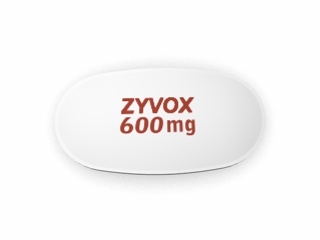
| Common presentations | Tablets and oral suspension (availability may vary) |
| How it is used | Oral use for many infections; other formulations may exist depending on clinical need |
| What it treats | Specific Gram-positive bacterial infections, including some resistant strains |
In the UK, Zyvox may be supplied in different strengths and formulations (for example tablets or oral suspension). Your local pharmacy label and product packaging will tell you the exact strength.
2. How Zyvox works (mechanism of action)
Linezolid works by stopping bacteria from making proteins—a process essential for growth and survival. Specifically, it binds to the bacterial 50S ribosomal subunit, preventing formation of a functional translation complex. This leads to inhibition of bacterial protein synthesis.
Because it targets a step that is crucial to protein production, linezolid is active against many Gram-positive organisms. It is commonly used when infections involve bacteria that may be resistant to other antibiotics.
3. Pharmacokinetics (how it behaves in the body)
Pharmacokinetics describes what the body does to a medicine—how it is absorbed, distributed, metabolised and eliminated. For linezolid, key points include:
- Absorption: Linezolid is generally well absorbed after oral dosing, with good availability of the active drug. This is one reason oral therapy is often possible for appropriate infections.
- Distribution: It reaches many body tissues, including lung tissue and skin-related compartments, supporting its use for certain infections in those areas.
- Metabolism: Linezolid is metabolised to inactive metabolites in the body. Some metabolites may accumulate with longer courses, especially if kidney or liver function is reduced.
- Elimination: The drug and its metabolites are removed mainly via the kidneys and also by other pathways. Elimination may be slower in some people with impaired kidney function.
- Steady state: With repeated dosing, concentrations become stable after a few days of regular use.
Your clinician may adjust the dosing interval or monitor you more closely if you have certain health conditions, require prolonged treatment, or take interacting medicines.
4. Typical use in the UK (what it’s used for)
Zyvox (linezolid) is used to treat specific serious infections caused by Gram-positive bacteria. Typical indications include:
- Pneumonia (including hospital-acquired or community-acquired pneumonia in selected cases) when caused by susceptible organisms.
- Skin and soft tissue infections such as complicated wound infections, cellulitis, or abscess-related infections in appropriate clinical contexts.
- Infections due to resistant bacteria, including certain cases involving methicillin-resistant Staphylococcus aureus (MRSA) or vancomycin-resistant enterococci (VRE), when the organism is susceptible and linezolid is an appropriate option.
Which infections are suitable depends on factors such as the suspected/confirmed organism, severity, previous treatments, local antimicrobial guidance, and patient-specific risks.
5. Timing and how to take Zyvox
For effective treatment, it’s important to keep blood levels in an appropriate range. Many dosing regimens are twice daily, meaning doses are typically taken about 12 hours apart. Follow the exact schedule provided with your medicine.
Practical timing tips
- Choose times that fit your day (for example, morning and evening) and take the doses at roughly the same times each day.
- If you miss a dose, take it when you remember unless it is nearly time for the next dose—then skip the missed dose. Do not take a double dose to make up for a missed one.
- Keep to the full course even if you feel better—stopping early can allow the infection to return or worsen.
- If you are taking an oral suspension, ensure you use the correct measuring device and shake well if instructed on your label.
6. Food interactions
Food generally does not significantly reduce linezolid absorption, so many people can take Zyvox with or without food. However, stomach upset can occur with any antibiotic. If you experience nausea, taking the dose with food may help.
Follow the instructions on your packaging and always confirm with your pharmacist if you are unsure about a specific formulation.
7. Alcohol and medicine interactions
Alcohol
There isn’t a universal “do not drink alcohol at all” rule for linezolid, but alcohol can worsen side effects such as dizziness, nausea, and diarrhoea. It may also affect your ability to complete treatment safely. For best results, it is generally recommended to avoid or limit alcohol while taking Zyvox.
If you have liver disease, drink alcohol regularly, or feel unwell after doses, speak to a clinician promptly.
Medicines that can interact (very important)
Linezolid has important interaction risks, especially with medicines that affect serotonin levels. The most notable risk is serotonin syndrome, a potentially serious condition. Zyvox may also affect blood cell counts and interact with certain medicines affecting blood pressure or drug metabolism.
Tell your healthcare professional about all medicines you take, including:
-
Antidepressants, particularly:
- SSRIs (e.g., citalopram, sertraline, fluoxetine, paroxetine)
- MAOIs (including some medicines used for depression)
- SNRIs (e.g., venlafaxine, duloxetine)
- Tricyclic antidepressants (e.g., amitriptyline)
-
Other serotonergic medicines, such as:
- Some medicines used for migraine (e.g., triptans)
- St John’s wort (a herbal product)
- Dextromethorphan-containing cough medicines in some products
- Sympathomimetics / decongestants (for example pseudoephedrine or phenylephrine in some cold remedies), where blood pressure may be affected.
- Medicines affecting blood clotting (e.g., warfarin), where close monitoring may be needed.
- Immunosuppressants or other agents where interactions may influence risk.
Do not start, stop, or change your medicines without speaking to a pharmacist or clinician.
Signs of serotonin syndrome (seek urgent help)
If you develop symptoms such as the following, seek urgent medical attention:
- Confusion or agitation
- Fever
- Shaking/tremor
- Fast heartbeat
- Sweating
- Severe diarrhoea
- Muscle stiffness or jerking
8. Indications and suitability
Zyvox is intended for infections where the benefits outweigh risks. Suitability depends on:
- Infection type and severity
- Suspected or confirmed bacteria (linezolid is particularly relevant for Gram-positive infections)
- Previous antibiotics and resistance patterns
- Patient factors such as kidney function, liver function, age, and other medications
- Treatment duration (longer courses can increase certain side-effect risks)
If your infection improves quickly, clinicians may still require the full recommended duration to reduce recurrence risk. If there is no improvement, reassessment may be needed.
9. Dosing (general guidance)
Dosing must be individualised. The exact regimen should be the one prescribed for you. For general patient understanding, linezolid dosing in adults is commonly:
- Usually 600 mg twice daily (about every 12 hours) for many adult infections.
- Duration varies depending on the infection type, severity, and response. Some courses may be 10–14 days for certain skin infections or pneumonias, but durations can be longer for others.
Children and adolescents may require weight-based dosing and may use different formulations. If you are using linezolid for a young person, rely on the exact age/weight dosing plan from the healthcare team.
When dosing may be adjusted
- Renal impairment: Monitoring may be necessary, and clinicians may consider specific factors for prolonged therapy.
- Hepatic impairment: Monitoring may be needed for longer courses.
- Prolonged therapy: Blood count and other monitoring can become more important over time.
- Drug interactions: If interacting medicines are taken, clinicians may adjust treatment or monitor more closely.
If you have missed tablets or are unsure how to take your particular strength, ask your pharmacist for instructions tailored to your product and schedule.
10. Safety profile: common and serious side effects
Like all medicines, Zyvox can cause side effects. Many people experience none or mild effects, but some require urgent attention. The risk can increase with longer treatment courses (often beyond two weeks).
Common side effects
- Diarrhoea
- Nausea
- Headache
- Vomiting
- Changes in taste (sometimes reported)
Possible important blood-related effects
Linezolid can, in some people, affect bone marrow function, leading to low blood cell counts. This is more likely with extended treatment durations.
- Anaemia (low red blood cells)
- Low platelets (thrombocytopenia)
- Low white blood cells (leukopenia)
Vision and nerve symptoms (seek prompt advice)
With longer courses, some people develop eye problems such as blurred vision, changes in colour vision, or visual disturbances. Nerve-related symptoms can also occur, such as tingling, numbness, or “pins and needles.” Contact your clinician promptly if you notice these symptoms.
Clostridioides difficile-associated diarrhoea
Antibiotics can change gut bacteria and occasionally cause severe diarrhoea due to C. difficile. Seek urgent medical advice if you have:
- Severe or persistent diarrhoea
- Blood or mucus in stool
- Severe abdominal pain
- Signs of dehydration or fever
Allergic reactions
Get urgent help if you develop signs of allergy, such as swelling of the face/lips, breathing difficulties, widespread rash, or severe dizziness.
11. Practical use tips (how to get the best outcome)
- Stick to the schedule: Keep doses evenly spaced to maintain effective drug levels.
- Hydration and gut comfort: If you get nausea or diarrhoea, stay hydrated and consider taking doses with food if advised/appropriate.
- Do not double up: If you miss a dose, resume normal timing—avoid doubling.
- Track side effects: Note any changes in vision, numbness/tingling, unusual bruising or bleeding, or persistent diarrhoea.
- Keep medication lists: Maintain an up-to-date list of all medicines and supplements (including herbal products). Show it to each healthcare professional involved in your care.
- Follow monitoring plans: For longer courses, blood tests and other checks may be recommended.
12. Food interactions: tyramine and dietary considerations
Some antibiotics that affect monoamine oxidase activity (MAO) can interact with foods high in tyramine, leading to increased blood pressure. Linezolid has MAOI-like effects, especially at higher doses and/or longer duration.
To reduce risk, clinicians may advise limiting tyramine-rich foods during treatment and for a short period afterwards. Guidance can vary by patient and duration, but examples of foods that may be relevant include:
- Some fermented or aged foods (for example certain cured meats and aged cheeses)
- Possibly some yeast extracts and products containing high levels of tyramine
- Overripe or improperly stored foods
If you want a specific list tailored to your diet, ask your pharmacist for advice based on your course length and any conditions such as hypertension.
13. Alternative options (what else may be considered)
The “best” alternative depends on the infection, the causative organism, resistance patterns, and your medical history. For Gram-positive infections, other options clinicians may consider include:
- Vancomycin (commonly used for certain serious Gram-positive infections in hospital settings)
- Daptomycin (for selected infections; administered differently and requires monitoring)
- Teicoplanin or other glycopeptides (usage depends on local guidance and infection type)
- Other oral antibiotics for suitable organisms when appropriate
Your clinician will select therapy based on test results (where available), susceptibility, and safety. Do not self-switch antibiotics.
14. UK market and legal context
In the United Kingdom, Zyvox (linezolid) is a prescription-only medicine. Medicines that require specialist oversight are regulated to support safe use and appropriate prescribing.
Antimicrobial stewardship is a key priority in the UK. Healthcare providers aim to use antibiotics responsibly, choosing the most suitable option at the correct dose and duration to reduce resistance and side effects.
15. Recent guidance and monitoring themes (UK-relevant)
While local protocols can differ, common UK-focused themes around linezolid use include:
- Careful assessment of interacting medicines, especially serotonergic antidepressants and related drugs.
- Monitoring blood counts for longer treatment durations.
- Awareness of vision and nerve symptoms, with prompt reporting if they occur.
- Appropriate antimicrobial stewardship, including susceptibility testing where feasible and using linezolid mainly when it is clinically appropriate.
If you are receiving Zyvox for a longer course, ask your clinician or pharmacist what monitoring is planned (for example blood tests or follow-up checks).
16. Delivery and availability (online pharmacy information)
Availability can vary by strength and formulation (tablets vs oral suspension). When ordering online in the UK, your pharmacy may provide:
- Clear product details including strength and form
- Estimated delivery times (often dependent on stock status and dispatch schedule)
- Packaging suitable for safe transport
- Customer support for queries about usage instructions
If you have urgent needs, contact the online pharmacy for the latest dispatch and delivery information. Cold/fragile packaging requirements are usually not an issue for Zyvox, but always check product handling instructions on the label.
17. FAQ
How long does Zyvox take to start working?
Many people begin to notice improvement within 48–72 hours, but this depends on the infection type and severity. If you do not feel better or you worsen, seek medical advice promptly.
Can I take Zyvox with food?
Generally, yes. Food typically does not significantly reduce absorption. Taking with food may help if you experience nausea. Follow the instructions provided with your specific product.
What should I do if I miss a dose?
Take it as soon as you remember unless it is near the time for the next dose. If it’s close, skip the missed dose and continue normally. Do not take two doses together.
Are there foods I should avoid?
Because linezolid can have MAOI-like effects, clinicians may advise limiting tyramine-rich foods during treatment and for a period afterwards. Ask your pharmacist for advice based on your dose and expected duration.
Can I drink alcohol while taking Zyvox?
It’s best to avoid or limit alcohol during treatment. Alcohol can worsen side effects and make it harder to recover. If you’re unsure, ask your pharmacist.
Why are interactions with antidepressants so important?
Linezolid can interact with serotonergic medicines, raising the risk of serotonin syndrome. This can be serious, so it’s essential that your healthcare team knows about all antidepressants and related medicines.
What side effects mean I should stop and get urgent help?
Seek urgent medical advice if you develop severe diarrhoea, signs of allergic reaction (swelling, breathing difficulty), symptoms suggestive of serotonin syndrome (such as high fever, confusion, shaking), or new vision/nerve symptoms—especially if progressive.
Do I need blood tests?
For shorter courses, monitoring may be minimal. For longer treatment, blood tests to check blood cell counts are often recommended. Your clinician will advise what is appropriate for your situation.
Can I drive while taking Zyvox?
Most people can drive, but if you feel dizzy, unwell, or experience visual disturbances, do not drive and seek advice. Follow the general guidance on “don’t drive if you feel impaired.”
Are there alternatives if Zyvox isn’t suitable?
Alternatives exist depending on the infection and the organism’s antibiotic susceptibility. Your clinician will decide which antibiotic is appropriate.
How should I store Zyvox?
Store according to the instructions on the packaging and label (for example, at room temperature if stated). Keep out of the reach of children.
Summary
Zyvox (linezolid) is a targeted antibiotic used for certain serious Gram-positive infections, including some resistant cases. It works by blocking bacterial protein synthesis and can be taken with or without food. Because it can interact with serotonergic medicines and may cause blood count changes and (with longer use) vision or nerve effects, careful attention to drug interactions and monitoring is important.
If you have questions about taking your doses, likely side effects, or interactions with your current medicines, speak to your pharmacist or clinician for guidance tailored to you.