
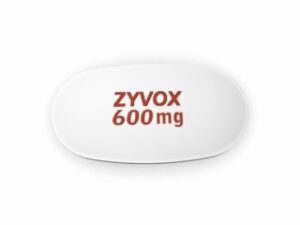
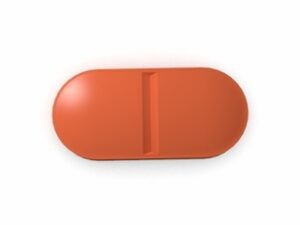
Keftab (Cephalexin) – Patient Guide (UK)
Keftab contains cephalexin, an antibiotic used to treat certain bacterial infections. This page explains what Keftab is, how it works, how it’s taken, what to expect, and important safety information for people in the United Kingdom.
Always read the patient information leaflet (PIL) supplied with your medicine. If you have questions about your specific situation, speak to a healthcare professional.
Basic product information
| Feature | What you should know |
|---|---|
| Medicinal name | Keftab (cephalexin) |
| Medicine type | Antibiotic (a cephalosporin) |
| Common strengths | Available in tablet form in different strengths (your pack will specify mg) |
| How it is usually taken | By mouth, swallowed with water |
| Typical course | Depends on infection and severity; complete the full course as advised |
| Availability in the UK | Often supplied via NHS/UK healthcare pathways; availability may vary by pharmacy and supplier |
What is cephalexin and how does it work?
Cephalexin is a beta-lactam antibiotic in the cephalosporin family. It works by targeting the bacterial cell wall.
- Mechanism of action: Cephalexin inhibits the formation of the bacterial cell wall, weakening bacteria and leading to their death.
- Targeted bacteria: It is mainly active against certain Gram-positive bacteria and some Gram-negative organisms, depending on local resistance patterns.
- Not for viruses: Like all antibiotics, cephalexin does not treat colds, flu, or other viral infections.
Pharmacokinetics (how your body handles Keftab)
While individual responses vary, the key pharmacokinetic points for cephalexin generally include:
- Absorption: Cephalexin is absorbed after taking it by mouth. Food may slow absorption slightly but usually does not significantly reduce overall exposure.
- Distribution: It distributes to many body tissues and fluids, including areas relevant to common skin and urinary infections.
- Metabolism: Cephalexin is minimally metabolised.
- Elimination: It is largely cleared by the kidneys. Reduced kidney function can increase levels in the body.
- Half-life (approximate): The dosing schedule is designed to maintain antibacterial activity; exact timing can vary between individuals.
Kidney function matters: If you have kidney disease or you’re older, your clinician may adjust the dose or dosing interval.
Typical uses (indications)
Keftab (cephalexin) is used to treat infections caused by bacteria that are sensitive to cephalexin. In UK practice, it may be considered for:
- Skin and soft tissue infections (for example, mild to moderate infections such as infected wounds, cellulitis—depending on local guidance and severity)
- Ear, nose, and throat infections caused by susceptible bacteria (your clinician will advise if appropriate)
- Urinary tract infections (UTIs) caused by susceptible organisms (especially where cephalexin is appropriate based on culture/resistance considerations)
- Bone infections in specific situations (usually under specialist guidance and potentially with longer courses)
- Dental infections when a clinician determines an antibiotic is needed and cephalexin is suitable
Important: The correct antibiotic depends on the likely bacteria, your allergy history, severity, and local resistance patterns. If symptoms don’t improve, your clinician may reassess the diagnosis or switch treatment.
When to take Keftab (timing and missed doses)
Always follow the instructions on your label or provided by your healthcare professional.
- Spacing doses evenly: If your course requires multiple doses per day, try to take them at consistent times.
- Finish the course: Even if you feel better, complete the full course to reduce the risk of the infection returning.
- Missed dose:
- Take it as soon as you remember.
- If it is close to the next dose, skip the missed dose.
- Do not take a double dose to make up for a missed one.
- If you forget repeatedly: Contact a healthcare professional or pharmacist for advice.
Food interactions and taking with meals
Cephalexin can generally be taken with or without food.
- With food: Taking Keftab after meals can help reduce the chance of stomach upset.
- Without food: Some people may experience nausea or indigestion if taken on an empty stomach.
Practical tip: If you have a sensitive stomach, consider taking your doses with food and water, and keep the timing consistent throughout your course.
Alcohol and medicine interactions
Alcohol
Moderate alcohol intake is not usually associated with a direct, predictable interaction with cephalexin. However, alcohol may:
- Increase the likelihood of dehydration
- Worsen side effects such as stomach upset or dizziness
- Make it harder to rest and recover effectively
Best approach: Avoid heavy drinking while you’re unwell. If you’re experiencing significant nausea, vomiting, or diarrhoea, it’s sensible to avoid alcohol and seek advice.
Other medicines
Tell your pharmacist or clinician about all medicines and supplements you use, including over-the-counter products. Key potential interaction areas include:
- Probenecid: Probenecid can reduce kidney clearance of some antibiotics and may affect cephalexin levels.
- Warfarin and other vitamin K antagonists: Some antibiotics may affect bleeding risk by influencing gut bacteria and clotting factors. Monitoring may be needed.
- Oral anticoagulants: If you take blood thinners, ask for personalised guidance.
- Other nephrotoxic medicines: If combined with medicines that can affect the kidneys, extra caution may be needed.
- Live bacterial vaccines (in general): Antibiotics may theoretically interfere with certain live bacterial products; discuss timing if relevant.
Note: This is not a complete list. If you’d like, share your current medicines with a clinician/pharmacist to check compatibility.
Dosing: how much to take
Important: Dose depends on the type of infection, severity, age, kidney function, and local prescribing guidance. Follow the directions on your pack label.
Typical adult dosing (general patterns)
For many susceptible bacterial infections, cephalexin is commonly prescribed in multiple divided doses across the day. Your healthcare professional will specify the exact strength and schedule for your condition.
Children and special populations
- Children: Doses are often calculated based on weight. Use only the dose prescribed for your child.
- Elderly: Dose may need adjustment if kidney function is reduced.
- Kidney impairment: Cephalexin is cleared by the kidneys; adjustment may be required.
- Pregnancy and breastfeeding: Discuss with a healthcare professional if you are pregnant or breastfeeding to ensure the benefits outweigh any risks.
How to take tablets: Swallow whole with water. Do not crush or chew unless your specific product instructions allow it.
Safety profile and possible side effects
Most people tolerate cephalexin well. However, like all medicines, it can cause side effects. If you experience severe symptoms, seek medical help urgently.
Common side effects
- Diarrhoea
- Nausea or mild stomach upset
- Vomiting
- Rash or skin irritation
- Headache
Less common but important reactions
- Allergic reactions: can range from mild skin rashes to severe reactions.
- Severe cutaneous reactions are rare but serious.
- Clostridioides difficile (C. difficile) diarrhoea: antibiotic-associated diarrhoea can occur, sometimes days or weeks after treatment.
Seek urgent medical advice if you notice
- Signs of anaphylaxis: swelling of face/lips, difficulty breathing, wheezing, severe dizziness, or collapse
- Severe or worsening rash, blistering, peeling skin, or mouth sores
- Severe watery diarrhoea, blood in stool, or severe abdominal cramps
- Yellowing of eyes/skin or dark urine (possible liver-related effects, uncommon)
Allergy and cross-reactivity
If you have had an immediate-type allergic reaction to penicillins or other beta-lactam antibiotics, cephalexin may not be suitable. A clinician should assess your allergy history. If you’ve had a previous reaction, inform your pharmacist before starting.
Practical tips for using Keftab effectively
- Start promptly: Begin as advised so you’re treating the infection early.
- Take at regular times: Consistent intervals help maintain effective antibiotic levels.
- Hydrate: Drink water, especially if you have diarrhoea or fever.
- Manage diarrhoea safely: Mild diarrhoea can occur. Avoid anti-diarrhoea medicines unless advised. Seek advice if diarrhoea is severe, watery, persistent, or contains blood.
- Don’t reuse antibiotics: Only use cephalexin for the current infection and as instructed.
- Watch for improvement: Many bacterial infections start to improve within 48–72 hours, but this varies by condition.
- If not improving: Contact a healthcare professional if symptoms worsen or don’t improve in the expected timeframe.
- Consider infection control: Good hand hygiene helps prevent spread to others.
What to expect during treatment
- Symptom relief: Fever and pain may begin to settle within a couple of days.
- Full recovery: Skin lesions, wound healing, or UTIs may take longer; complete the course even if symptoms are reduced.
- Return of symptoms: If symptoms return soon after stopping, medical review is needed.
Alternative options for bacterial infections
Depending on the infection type, susceptibility, severity, and allergy profile, clinicians may choose different antibiotics. Alternatives may include:
- Other cephalosporins (for certain infections)
- Penicillin-class antibiotics (when suitable and not contraindicated)
- Macrolides (e.g., if certain beta-lactams can’t be used)
- Doxycycline or other agents for specific infections and situations
Important: The “best” alternative depends strongly on the suspected bacteria and local antibiotic resistance. Only a clinician can choose the most appropriate option for you.
UK market and legal context (availability and responsible use)
In the United Kingdom, antibiotics are regulated medicines. Cephalexin products such as Keftab are used within NHS and private healthcare settings. Antibiotic use is guided by antimicrobial stewardship principles, which aim to:
- Prescribe antibiotics only when needed
- Use the most appropriate antibiotic for the likely bacteria
- Use the correct dose and duration
- Reduce the risk of antibiotic resistance
Antibiotics should not be used for viral illness (such as colds and influenza), and pressure to stop early should be avoided without clinical advice.
Recent guidance (high-level overview)
UK clinical practice commonly follows guidance from national bodies and professional groups on appropriate antibiotic selection and duration. The core themes of current stewardship include:
- Confirming need: Antibiotics should be used when bacterial infection is likely.
- Using local data: Resistance patterns influence antibiotic choice.
- Reassessing if no response: Lack of improvement can indicate incorrect diagnosis, resistance, complications, or a need for further tests.
- Safety first: Allergy history and kidney function are considered.
If your symptoms are atypical, severe, or worsening, seek medical assessment promptly.
Delivery and availability (UK online pharmacy)
Delivery availability and timing vary depending on stock status, your location within the UK, and the supplier’s dispatch schedule. When ordering online, you typically receive:
- Estimated dispatch times shown at checkout or in order confirmation
- Tracking updates once the parcel is despatched
- Packaging designed to protect tablets
Storage: Store tablets at room temperature as directed on the pack, keep out of sight and reach of children, and protect from moisture where applicable. Check your patient information leaflet for precise storage instructions.
Availability: Some strengths may have limited stock at times. If the exact pack strength isn’t available, your pharmacy may contact you about alternatives or options consistent with your treatment plan.
FAQ about Keftab (Cephalexin)
1) What is Keftab used for?
Keftab (cephalexin) is used for bacterial infections such as certain skin/soft tissue infections, urinary tract infections, and other infections where the bacteria are susceptible to cephalexin.
2) How quickly should I feel better?
Many people begin to feel improvement within 48–72 hours. If you don’t improve, your symptoms worsen, or you develop new severe symptoms, contact a healthcare professional.
3) Can I take Keftab with food?
Yes. Keftab can generally be taken with or without food. Taking it after meals may reduce stomach upset.
4) What should I do if I miss a dose?
Take it as soon as you remember. If it’s near the time for the next dose, skip the missed one. Do not take a double dose.
5) Should I avoid alcohol?
There is no universally expected direct interaction, but alcohol may worsen side effects and your overall recovery. It’s best to avoid heavy drinking while unwell.
6) Is Keftab safe for everyone?
Not necessarily. People with a history of severe allergy to beta-lactam antibiotics, significant kidney impairment, or other specific medical issues may need caution or dose adjustments. Always check with a clinician/pharmacist.
7) Can cephalexin cause diarrhoea?
Yes. Mild diarrhoea can occur. However, severe watery diarrhoea, blood in stool, or persistent diarrhoea should be assessed urgently due to the possibility of antibiotic-associated colitis.
8) What if I’m pregnant or breastfeeding?
Discuss with a healthcare professional. Cephalexin is sometimes used during pregnancy or breastfeeding when appropriate, but individual circumstances matter.
9) Will Keftab treat a viral infection like a cold?
No. Antibiotics don’t treat viruses. Keftab only treats bacterial infections.
10) Are there interactions with blood thinners?
Potential interactions may exist with warfarin and similar medicines. If you take anticoagulants, seek advice on monitoring and precautions.
When to seek urgent medical help
Contact urgent medical services or seek immediate care if you experience:
- Difficulty breathing, facial/lip swelling, or severe dizziness (possible allergy)
- Severe rash or blistering skin reactions
- Severe diarrhoea, blood in stool, or signs of dehydration
- Signs of a serious worsening infection (high fever, confusion, severe pain, rapidly spreading redness)
Remember: Use Keftab only for bacterial infections as advised, complete the recommended course, and contact a healthcare professional if you’re concerned about side effects or your symptoms are not improving.