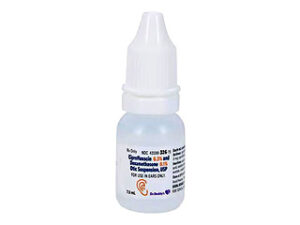
Ciloxan (Ciprofloxacin) — Patient Guide (UK)
Ciloxan contains ciprofloxacin, an antibiotic from the fluoroquinolone group. It is used to treat certain bacterial eye infections and, depending on the product strength and formulation available in the UK, may also be used for infections in and around the ear. This page explains what Ciloxan is, how it works, how to use it safely, and what to expect.
Important: This information is for general education. Always follow the instructions provided with your specific product and any advice from a healthcare professional.
1) Basic product information
- Active ingredient: Ciprofloxacin (commonly for ophthalmic use in Ciloxan eye preparations)
- Medicinal class: Antibiotic (fluoroquinolone)
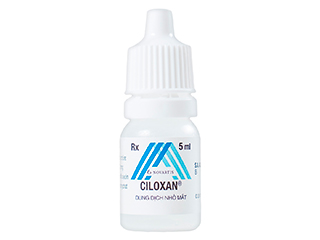
- Common formulations: Eye drops and/or eye ointment (product availability can vary by manufacturer and pharmacy stock)
- How it is used: Applied locally to the affected eye (and, in some Ciloxan products, the ear)
- Where it acts: Local tissues of the eye/ear, helping to clear bacterial infection
In the UK, Ciloxan is supplied through community pharmacies and may be available as a branded product and/or under product-specific packaging. Availability, pack sizes, and strengths can differ.
2) How Ciloxan works (mechanism of action)
Ciprofloxacin works by interfering with bacterial DNA replication. Specifically, it inhibits key bacterial enzymes (commonly referred to as DNA gyrase and topoisomerase IV). This prevents bacteria from duplicating their genetic material and reproducing, leading to bacterial cell death or halted growth.
Why this matters: Antibiotics like ciprofloxacin target bacteria, not viruses or allergies. For symptoms caused by viral infection (for example, certain types of conjunctivitis) or eye irritation from non-infectious causes, ciprofloxacin may not help.
3) Pharmacokinetics (how the body handles it)
Because Ciloxan is used locally, only small amounts typically reach the bloodstream compared with taking tablets. However, trace systemic absorption can occur.
- Local exposure: Ciprofloxacin concentrates in ocular/auricular tissues where it is applied.
- Absorption: After eye application, some drug may be absorbed through the eye tissues and drain via the nasolacrimal duct.
- Distribution: Most activity occurs locally; systemic distribution is limited.
- Metabolism and elimination: Any absorbed ciprofloxacin is processed by the body and removed mainly through the kidneys.
Clinical takeaway: For most people, side effects are primarily local (eye comfort, irritation) rather than whole-body effects.
4) Typical use in the UK (what it’s for)
Ciloxan is used for bacterial infections affecting the eye (and in some cases the ear), when ciprofloxacin is considered appropriate.
Common indications may include:
- Bacterial conjunctivitis (infective “pink eye” where bacterial causes are suspected or confirmed)
- Corneal infections (such as bacterial keratitis) where an antibiotic is required
- Other ocular bacterial infections as determined by a clinician
- Some ear infections when a ciprofloxacin otic product is being used (depending on the Ciloxan product available)
Note: The correct diagnosis and appropriate antibiotic choice matter. If symptoms are severe, vision is affected, or there is pain, medical assessment is essential.
5) Timing and how to use Ciloxan safely
Follow the dosing schedule supplied with your product. Typical instructions for antibiotic eye drops/ointment often involve several applications per day. The exact frequency depends on the condition being treated and the formulation.
General timing tips
- Use at evenly spaced times where possible (for example, morning, midday, afternoon, evening).
- Do not stop early even if your eye improves—finish the recommended course.
- If you miss a dose: apply it when you remember, unless it’s near the next scheduled dose. Do not use a double dose.
- Keep track: setting reminders can help maintain consistent coverage.
How to apply eye drops (practical step-by-step)
- Wash and dry your hands.
- If you wear contact lenses, remove them before using eye drops and avoid wearing them until advised it is safe.
- Gently pull down the lower eyelid to form a small “pocket.”
- Hold the bottle above the eye (avoid touching the eye with the tip).
- Instil the prescribed number of drops into the lower eyelid pocket.
- Close the eye gently for about 1–2 minutes.
- Optional (recommended): press lightly on the inner corner of the eye (near the nose) for about 1 minute to reduce drainage into the nose and improve local effect.
- Wipe away any excess with clean tissue.
- Wash hands again.
How to use eye ointment
- Wash hands.
- Pull down the lower eyelid.
- Squeeze a thin ribbon into the lower eyelid pocket.
- Close the eye gently.
- Because ointment can blur vision, consider using it at times when you do not need sharp vision (often evening/bedtime), unless your clinician advises otherwise.
6) Food interactions
Because Ciloxan is mainly applied to the eye (and is locally acting), food interactions are unlikely.
- If you are using ciprofloxacin eye/ear preparations only, you do not generally need to change your diet.
- However, if you take other ciprofloxacin-containing medicines by mouth (for example, tablets) alongside, that can change interaction considerations. In that case, speak to a healthcare professional or pharmacist.
General advice: Always check your complete medication list for interactions rather than focusing solely on food.
7) Alcohol and medicine interactions
Alcohol
For topical ciprofloxacin eye/ear use, alcohol-related interaction is not typically expected to the same degree as with oral antibiotics. Still, it’s reasonable to use alcohol cautiously, especially if you feel unwell or have other medicines that interact with alcohol.
Other medicines (key interaction considerations)
Local ciprofloxacin eye/ear use results in low systemic absorption, so clinically significant interactions are less common than with oral ciprofloxacin. Nevertheless, if you take other medications, consider these points:
- Other eye/ear medicines: Allow time between different topical products (see “Practical use tips”).
- Warfarin and blood thinners: With oral ciprofloxacin, there can be increased bleeding risk via enhanced anticoagulant effect. With eye/ear use this is less likely, but if you take warfarin or similar medicines and notice unusual bruising/bleeding, seek advice.
- Diabetes medicines: Some antibiotics (especially oral) can affect blood sugar in certain individuals. Local use makes this less likely, but monitoring is sensible if you notice symptoms of hypo/hyperglycaemia.
- Theophylline, caffeine-containing products: Not usually relevant for topical use, but important for oral ciprofloxacin interactions.
- Non-steroidal anti-inflammatory drugs (NSAIDs): Oral fluoroquinolones can rarely increase risk of seizures when combined with NSAIDs. This is not typical for eye/ear use, but report any concerns.
Best approach: Tell your pharmacist about all medicines and supplements you use. This helps ensure your overall plan is safe.
8) Indications and when Ciloxan is appropriate
Ciloxan is intended for specific bacterial infections. It should not be used for:
- Viral conjunctivitis (often linked with colds, watery discharge, and high contagiousness)
- Allergic eye symptoms (itching, watery eyes, both eyes often affected)
- General eye irritation from dust, smoke, or contact lenses (unless a clinician advises otherwise)
Seek urgent medical advice if you have any of the following:
- Severe eye pain
- Significant light sensitivity
- Blurred or reduced vision
- Contact lens–related infection with pain/redness
- Injury to the eye, chemical exposure, or suspected foreign body
- No improvement within a short period as advised by your clinician
- Worsening redness/swelling or increasing discharge
9) Dosing (typical regimens)
Always follow the dosing instructions provided for your specific Ciloxan product and condition. Below are general examples of dosing patterns used for bacterial eye infections, but the exact schedule varies.
Typical dosing patterns (examples)
- Eye drops: often several times daily for the initial period, then possibly reduced frequency as symptoms improve (exact schedule varies).
- Eye ointment: may be used less frequently but can be applied at night due to visual blurring.
For severe infections or infections like corneal ulcer/keratitis, dosing may be more frequent initially. In these situations, clinician guidance is particularly important.
Children and older adults
Dosing may differ for children and for older adults depending on the diagnosis and severity. People with kidney problems generally have fewer issues with topical dosing, but tell your pharmacist if you have kidney impairment or other complex medical conditions.
Duration of treatment
Most antibiotic eye courses require using the medicine for a defined length of time. Stopping too early can lead to incomplete clearance and recurrence.
10) Safety profile (side effects and what to do)
Ciloxan is generally well tolerated when used correctly. Most side effects are local and temporary.
Common side effects (usually mild)
- Temporary burning, stinging, or mild irritation
- Itching or redness
- Watery eyes
- Unpleasant taste (sometimes due to drainage into the throat)
- Eye discomfort after instillation
Less common but important adverse reactions
- Allergic reactions (swelling of eyelids, rash, worsening redness/itching)
- Persistent or worsening eye pain
- Blurred vision that does not clear after a short period
Stop and seek urgent advice if
- You develop severe eye pain or rapidly worsening symptoms
- You experience significant swelling, breathing difficulties, or signs of severe allergic reaction
- Your vision becomes affected
Contact a pharmacist or clinician promptly if side effects are troublesome or do not improve.
11) Practical use tips
- Don’t touch the bottle tip to your eye or fingers to prevent contamination.
- Remove contact lenses before use and avoid wearing them until symptoms have resolved and you have been advised it is safe. In bacterial eye infections, contact lenses should typically be avoided.
- Separate different eye medicines: If you also use artificial tears or other eye drops, separate products by at least 5–10 minutes (unless your pharmacist advises otherwise). Ointment should usually be applied last.
- Hand hygiene: Wash hands before and after application.
- Avoid contamination of the affected eye: Don’t share towels, and wash bedding/towels regularly.
- Management of contagiousness: Some eye infections can be contagious. Avoid touching the infected eye and practise careful hygiene.
- Storage: Follow the pack instructions. Keep the bottle tightly closed and store as directed (often at room temperature unless specified otherwise).
- Check expiry date: Discard the medicine after the expiry date. If your product requires special disposal after opening, follow the leaflet guidance.
12) Alternative options
Alternative treatments depend on the suspected organism, severity, allergy history, and location of infection (eye vs ear). Options that clinicians may consider include:
- Other antibiotic eye drops/ointments (for example, alternatives within different antibiotic classes)
- Supportive measures such as soothing lubricants (particularly for discomfort) in suitable cases
- Antiviral or anti-allergy treatments when the cause is viral or allergic rather than bacterial
- Referral to specialist care in complex cases (for example, contact lens–related keratitis, corneal ulcers, or recurrent infections)
Why alternatives matter: Using an antibiotic when the cause isn’t bacterial can delay recovery and increase antibiotic resistance.
13) Market and legal context in the UK (what to expect)
In the UK, medicines are regulated through the Medicines and Healthcare products Regulatory Agency (MHRA). Product-specific licensing, labelling, and patient information leaflets are required. How a medicine is supplied to patients (for example, via a pharmacy service or other routes) depends on its classification and the product’s regulatory status.
Labelling and safety information: The packaging and leaflet for Ciloxan will include details about who it is for, dosing instructions, and contraindications. Always consult the leaflet for the exact directions for your product.
From time to time, guidance on antimicrobial use may change to support antimicrobial stewardship and reduce resistance. Your pharmacist or clinician can confirm the most current local recommendations for managing eye infections.
14) Recent guidance and antimicrobial stewardship
Across the UK healthcare system, emphasis remains on:
- Using antibiotics only when appropriate (bacterial infection likely or confirmed)
- Avoiding unnecessary prescribing for viral or allergic causes
- Finishing recommended courses to reduce relapse
- Reviewing treatment if no improvement occurs after a short period
If symptoms do not improve as expected, it may indicate that the diagnosis is different, the causative bacteria is resistant, or additional care is required.
15) Delivery and availability (UK)
Online pharmacies in the UK typically offer delivery of medicines directly to your address, subject to legal and regulatory requirements. Availability may vary by:
- Pack size and formulation (drops vs ointment)
- Strength and manufacturer
- Current pharmacy stock levels and supplier deliveries
Delivery expectations: Dispatch times and delivery dates vary by retailer and location. Many pharmacies use tracked delivery. If you need the product urgently due to an eye condition, contact the pharmacy to confirm estimated delivery times.
Cold chain: Ciloxan eye products typically do not require refrigeration unless stated on the pack. Always check storage instructions.
16) FAQ
Can I use Ciloxan if I wear contact lenses?
In most cases, you should remove contact lenses before using eye drops and avoid wearing them until your eye is healed and it is safe to do so. Contact lens–related infections can be more serious; if you wear lenses, seek prompt advice if symptoms are severe.
How quickly should I feel better?
Some improvement may be seen within 1–2 days for bacterial infections. If symptoms are not improving or are worsening after the timeframe advised by your clinician or leaflet, seek medical advice.
What if I accidentally use too much?
For topical eye medicines, accidental over-application often causes temporary irritation. Rinse with sterile saline or clean water if advised and contact a pharmacist or clinician for guidance, especially if you experience significant discomfort or worsening vision.
Is Ciloxan safe for children?
Ciloxan may be used in children for appropriate bacterial infections, but dosing schedules can differ. Use only as directed on the product instructions or by a healthcare professional.
Can I drive after using Ciloxan?
Eye drops generally cause minimal blur, but some people experience temporary stinging or blurred vision. If using ointment, vision can blur more. Do not drive if your vision is affected.
Can I use Ciloxan with other eye drops?
Yes, but separate products by at least 5–10 minutes and use ointment last. This helps prevent dilution and ensures each medicine is delivered properly.
Does Ciloxan treat viral conjunctivitis?
No. Ciloxan targets bacteria. Viral conjunctivitis typically improves with supportive care and hygiene measures. If you’re unsure of the cause, get advice.
Are there any restrictions on alcohol?
With eye/ear ciprofloxacin products, significant alcohol interactions are not commonly expected. If you feel unwell or take other medicines, use alcohol cautiously and follow general health guidance.
How do I prevent spreading eye infections?
- Wash hands frequently
- Avoid touching your eyes
- Don’t share towels or pillows
- Change pillowcases regularly
- Follow your pharmacy or clinician advice on when you can return to work/school
What should I do if symptoms return?
Return of symptoms may indicate incomplete treatment, incorrect diagnosis, or resistant bacteria. Seek advice rather than repeating antibiotics without review.
Disclaimer: This is general information for patients in the UK. It cannot replace personalised medical advice. If you have concerns about an eye or ear infection—especially pain, light sensitivity, or vision changes—seek urgent advice.