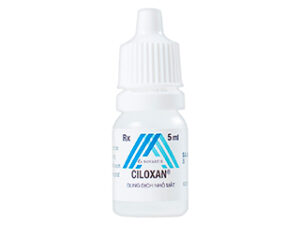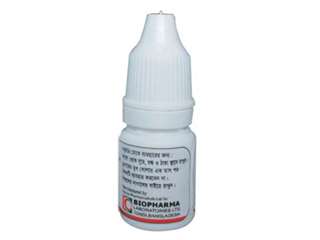
Ocuflox (Ofloxacin) Eye Drops — Patient Information (UK)
Ocuflox contains ofloxacin, an antibiotic medicine used to treat certain eye infections. This page explains what Ocuflox is, how it works, how to use it safely, and what to expect. It is written for patients in the United Kingdom and uses general guidance; always follow your healthcare professional’s advice.
1. Basic product information
- Medicine name: Ocuflox (ofloxacin)
- Type: Antibiotic eye drops
- Active ingredient: Ofloxacin
- Common presentation: Ophthalmic solution (eye drops)
- Uses: Treating bacterial infections of the eye and eyelids (depending on the diagnosis)
Important: Ocuflox is for eye use only. Do not swallow. Do not use for viral or fungal eye conditions unless specifically advised.
2. How Ocuflox works (mechanism of action)
Ofloxacin is a fluoroquinolone antibiotic. It works by interfering with bacterial DNA processes:
- DNA gyrase inhibition and topoisomerase IV inhibition reduce the ability of bacteria to replicate.
- This leads to bacterial cell death or prevents bacterial growth.
Ocuflox targets a range of susceptible bacteria. It is not intended for non-bacterial causes such as allergies, dry eye, or most viral infections.
3. Pharmacokinetics (what happens in the body)
When used as eye drops, ofloxacin is absorbed through the eye tissues and surrounding surfaces. Systemic absorption is generally low compared with tablets, but some amount can enter the bloodstream.
- Local distribution: The drug spreads over the cornea and conjunctival surfaces and may reach intraocular tissues to varying degrees.
- Elimination: Any absorbed drug is cleared by the body primarily through the kidneys.
- Influence of severity: Penetration can differ depending on inflammation, tear production, and how often drops are used.
In most people, the systemic exposure from eye drops is limited. However, if you have kidney problems or are taking multiple medicines, it’s still important to seek advice.
4. Indications (when Ocuflox is used)
Ocuflox is used for bacterial infections affecting the eye, as determined by a clinician. Typical conditions may include:
- Bacterial conjunctivitis (depending on cause and severity)
- Blepharitis with suspected bacterial involvement
- Infections of the cornea or ocular surface where an antibiotic is appropriate
Do not use Ocuflox for:
- Cold sores (herpes) in/around the eye or other suspected viral infections
- Fungal eye infections
- Allergic symptoms (itching with watery discharge)
If symptoms are severe, worsen quickly, or you wear contact lenses, seek urgent ophthalmic advice.
5. Typical timing and how long to use
The timing depends on the type and severity of the infection. Many regimens for bacterial eye infections involve using drops multiple times per day initially, then reducing the frequency as symptoms improve.
Follow the schedule provided by your healthcare professional. In general:
- Use at regular intervals to keep antibiotic levels stable on the eye surface.
- Try to avoid skipping doses.
- Continue for the full recommended course, even if you feel better, unless advised to stop.
If there is no improvement within 48 hours or symptoms worsen at any time, contact a clinician promptly.
6. Dosing (general guidance)
Eye dosing schedules vary by indication and age. The following is general information, not a personalised prescription schedule.
- Common adult regimens: frequently multiple drops per day in the early phase, then adjustment based on response.
- Children: dosing may differ; use only as advised by a clinician.
- One eye vs both eyes: treat only the eye(s) specified by your clinician.
If you miss a dose: apply it as soon as you remember. If it is near your next dose, skip the missed dose and continue your regular schedule. Do not use a double dose.
7. How to use Ocuflox correctly (practical tips)
Proper technique helps the drops reach the eye and reduces contamination risk.
- Wash your hands before touching your eye or the bottle.
- Shake gently if the product information indicates this is needed (some eye drops are not shaken).
- Check the bottle tip for cleanliness. Avoid touching the tip to the eye, lashes, or fingers.
- Open the bottle and pull down the lower eyelid gently to form a small pocket.
- Instil 1 drop into the pocket, without letting the dropper touch the eye.
- Close your eye gently and press lightly on the inner corner (near the nose) for about 1 minute if comfortable. This can reduce drainage into the tear duct and limit systemic absorption.
- Keep the eye closed for a short time, then blink normally.
- Replace the cap immediately after use.
Contact lenses: do not wear contact lenses unless your clinician says it is safe. If you do wear contacts, remove them before instilling drops. Wait at least 15 minutes after using the drops before putting contacts back in (or as advised).
8. Food interactions
There are typically no direct food–drug interactions expected with ofloxacin eye drops because the medicine is applied locally and systemic absorption is limited.
As with any medicine, if you notice unexpected side effects after using the drops alongside certain foods or drinks, seek advice from a pharmacist or clinician. Follow your usual diet unless told otherwise.
9. Alcohol and medicine interactions
Alcohol
There is no specific alcohol interaction established for ofloxacin eye drops. Because only small amounts may enter the bloodstream, alcohol is less likely to cause problems than with oral antibiotics.
That said, if you are taking other medicines (or if your infection is severe), it is sensible to avoid heavy alcohol intake while you are unwell and to follow medical advice.
Other medicines
Because systemic exposure from eye drops is generally low, important interactions are less common than with tablets. However, it is still important to tell your pharmacist or clinician about all medicines you use, including:
- Other eye drops or ointments
- Medicines affecting kidneys or drug metabolism
- Warfarin or other blood thinners
- Steroid eye drops (used for inflammation)
Spacing with other eye products: allow at least 5–10 minutes between different eye drops. Eye ointments are usually applied after drops, unless told otherwise.
10. Safety profile (side effects and when to seek help)
Like all medicines, Ocuflox can cause side effects. Many are mild and temporary, especially at the start of treatment. Stop using the drops and seek urgent advice if you develop symptoms that may indicate a serious reaction.
Common or mild side effects
- Stinging or burning in the eye shortly after instillation
- Redness or mild irritation
- Watery eyes or discomfort
- Blurred vision for a short time after using drops
- Dryness or gritty feeling
Less common but important reactions
- Allergic reactions such as swelling of eyelids, rash, or worsening itching
- Severe eye pain, worsening redness, or light sensitivity
- Persistent deterioration after starting treatment
- New or unusual symptoms (for example, suspected corneal involvement)
When to seek urgent medical help
Get urgent advice (e.g., same day) if you have any of the following:
- Eye pain that is moderate to severe
- Significant light sensitivity
- Vision changes or worsening blurred vision that doesn’t clear
- Swelling around the eye that rapidly worsens
- Symptoms in a contact lens wearer that are severe or rapidly increasing
11. Safety considerations (special populations and precautions)
- Children: use only under clinician guidance. Infections in children should be assessed properly.
- Pregnancy and breastfeeding: discuss with a healthcare professional. Local use generally limits systemic exposure, but individual risk assessment is important.
- Kidney problems: systemic exposure from drops is usually small, but inform your clinician/pharmacist.
- Contact lenses: do not use lenses while infected unless specifically advised. They increase risk of complications.
- Prolonged use: using antibiotics longer than recommended may increase risk of irritation, resistant organisms, or secondary infection.
12. Practical use tips to improve outcomes
- Complete the course: stop only on advice, even if you improve.
- Clean your hands and avoid contamination: keep the bottle tip clean; don’t touch it to the eye.
- Replace eye makeup: discard or replace mascara/eye products after infection (and after treatment is complete) to prevent re-contamination.
- Don’t share towels or eye products: reduces spread if the cause is infectious.
- Check for improvement: symptoms often start to ease within 1–2 days; no improvement may indicate misdiagnosis or resistant bacteria.
- Consider triggers: if symptoms recur, you may need evaluation for underlying causes such as blepharitis or dry eye.
13. Alternative options
Alternatives depend on the underlying cause (bacterial vs viral vs allergic) and the severity and location of infection. Options may include:
- Other antibiotic eye drops or ointments (selection depends on suspected bacteria and local guidance)
- Supportive care such as lubricating drops, warm compresses, and eyelid hygiene for blepharitis
- Antiviral or anti-allergy treatments if the diagnosis is viral or allergic (these may not be antibiotics)
- Referral to an eye specialist for corneal ulcers, severe keratitis, or complicated cases
A clinician may choose another antibiotic based on the likely organism and your medical history. If Ocuflox does not help, further assessment is important.
14. UK market and legal context (what to expect in the United Kingdom)
In the UK, eye antibiotic products are subject to pharmacy supply and regulation. Supply arrangements vary by product strength, formulation, and local policies. Some ophthalmic medicines may be supplied under clinical assessment pathways or general pharmacy arrangements.
Ocuflox (ofloxacin) is commonly used where bacterial eye infection is suspected, and its use may be guided by antimicrobial stewardship principles aimed at reducing unnecessary antibiotic exposure. This helps protect patients and slow the development of antibiotic resistance.
Always check the product packaging and the instructions provided by the pharmacist for the exact wording relating to your bottle and strength.
15. Recent guidance and antimicrobial stewardship (UK perspective)
UK clinical practice emphasises correct diagnosis and appropriate use of antibiotics. Key themes include:
- Avoiding antibiotics for non-bacterial causes (e.g., viral conjunctivitis or allergy).
- Reviewing treatment early if symptoms do not improve, to reduce inappropriate antibiotic use.
- Using effective but targeted therapy when bacterial infection is likely.
- Limiting duration to the recommended course.
If symptoms are severe (especially in contact lens wearers) or involve pain, reduced vision, or suspected corneal disease, clinicians may prioritise urgent eye assessment over home treatment.
16. Delivery and availability (online pharmacy)
Availability can vary by stock and supplier. When ordering online in the UK:
- Orders are typically dispatched within business hours where available.
- Delivery time depends on the courier and service selected at checkout.
- Some items may require additional checks if your order includes medicines with supply restrictions.
Storage: Keep Ocuflox in its original container. Store according to the label instructions (commonly at room temperature, away from heat and direct sunlight). Keep out of sight and reach of children.
Do not use after expiry date. Check the bottle for expiry information and any guidance about discard time after first opening (if provided on the label or leaflet).
17. FAQ — Frequently asked questions
1) Is Ocuflox suitable for all red eyes?
No. Red eyes can be caused by many conditions such as allergy, viral infection, dry eye, or inflammation. Ocuflox is an antibiotic and is intended for bacterial infections. If you have significant pain, reduced vision, or light sensitivity, seek urgent advice.
2) How quickly should I feel better?
Many bacterial eye infections begin to improve within 24–48 hours. If there is no improvement after 48 hours, or symptoms worsen, contact a clinician.
3) Can I wear contact lenses while using Ocuflox?
It’s usually best to avoid contact lenses during treatment. Remove lenses before applying drops. Ask a clinician when it is safe to restart contact lens use.
4) What if my eye is very sticky or matted shut?
This can happen with some bacterial conjunctivitis. You can gently clean discharge using clean water and sterile wipes. Use Ocuflox as directed and maintain good hygiene. If you wear contacts or symptoms are severe, arrange urgent assessment.
5) Can I drive after using the drops?
Some people experience temporary blurred vision after instilling eye drops. Wait until your vision is clear before driving or using machinery.
6) Should I stop if my symptoms improve?
Do not stop early unless advised. Completing the recommended course helps ensure the infection is fully treated. If your pharmacist or clinician gave a specific duration, follow that schedule.
7) Are there any age limits?
Ocuflox may be used in children in certain circumstances, but the correct dose and suitability depend on the diagnosis. Use only under clinician guidance.
8) What if I’m using other eye drops?
Use at least 5–10 minutes spacing between different eye drops. If you also use an eye ointment, apply it after drops unless told otherwise.
9) Can Ocuflox cause allergy?
Yes, although not everyone will experience allergy. Signs may include itching, swelling, rash, or worsening redness. Stop using the drops and seek medical advice if you suspect an allergic reaction.
10) Are there serious risks?
Serious reactions are uncommon, but urgent help is needed for severe pain, vision changes, or rapidly worsening symptoms. If you are unsure, contact a clinician or pharmacist.
Summary
Ocuflox (ofloxacin) eye drops is an antibiotic used to treat certain bacterial eye infections. It works by disrupting bacterial DNA replication. When used correctly, it can reduce infection and relieve symptoms within a couple of days in many cases. Follow the dosing schedule provided, practise good eye hygiene, and seek prompt advice if symptoms worsen or do not improve.
Always read the patient leaflet inside the pack for the most accurate instructions for your product.