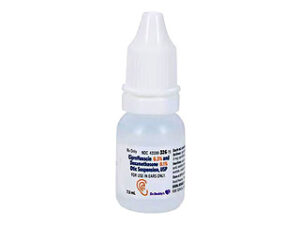
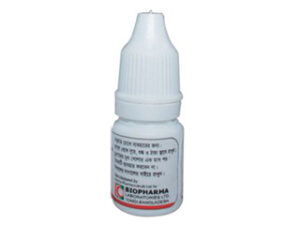
Norfloxacin: Patient-Friendly Guide (UK)
Norfloxacin is an antibiotic medicine belonging to the fluoroquinolone family. It is used to treat certain bacterial infections, most commonly of the urinary tract. This guide explains how norfloxacin works, how it moves through the body, what to expect, and key safety information to help you use it correctly and confidently.
Always follow the instructions provided with your specific supply of norfloxacin. If anything is unclear, speak to a pharmacist or another qualified healthcare professional.
Quick product information
| Category | Details |
|---|---|
| Medicine name | Norfloxacin |
| Medicinal type | Antibiotic (fluoroquinolone) |
| Main use | Selected bacterial infections, especially urinary tract infections |
| How it is taken | Usually by mouth (tablets/capsules depending on brand) |
| Key considerations | Food, minerals, and some medicines can affect absorption; watch for tendon and nerve symptoms |
| Availability (UK) | Availability may vary by manufacturer and supply; check product listing for current stock |
How norfloxacin works (mechanism of action)
Norfloxacin works by interfering with bacterial DNA replication. Specifically, it inhibits enzymes called DNA gyrase and topoisomerase IV. These enzymes are essential for bacteria to copy and repair their DNA. By blocking them, norfloxacin prevents bacterial growth and can help the body clear the infection.
Like all antibiotics, norfloxacin is effective only against infections caused by susceptible bacteria. It does not treat viral illnesses such as the common cold or flu.
Pharmacokinetics: what the body does with norfloxacin
Absorption
Norfloxacin is absorbed after taking by mouth. Absorption can be reduced by certain foods and substances containing minerals, such as iron, zinc, calcium, magnesium, and some dairy products. This can lower antibiotic levels in the body and may reduce effectiveness.
Distribution
After absorption, norfloxacin circulates throughout the body. A significant proportion is excreted through the kidneys, contributing to urinary concentrations used for urinary tract infection treatment.
Metabolism and elimination
Norfloxacin is eliminated primarily via the kidneys. Therefore, kidney function can influence how long the medicine stays in the body. If you have reduced kidney function, your clinician may adjust the dose or dosing frequency.
Half-life (general concept)
The “half-life” is the time it takes for the amount of medicine in your body to reduce by half. Individual half-life can vary depending on kidney function and other factors. Your prescribed schedule is designed to maintain effective levels.
Typical uses: what norfloxacin is indicated for
Norfloxacin is used for certain bacterial infections where the organism is likely to be susceptible and where a fluoroquinolone is considered appropriate. In the UK, it has commonly been used for specific urinary tract infections, including:
- Uncomplicated and complicated urinary tract infections (depending on local guidance and bacterial susceptibility)
- Infections involving the bladder (cystitis) when caused by susceptible bacteria
- Some forms of prostatitis (in selected cases, depending on clinical assessment)
It’s important to note that antibiotic choice should be based on the likely bacteria, local resistance patterns, your symptoms, and any relevant test results. In many settings, older and newer guidance emphasises using antibiotics carefully to reduce resistance.
Timing and how to take norfloxacin
Correct timing helps maintain appropriate medicine levels in the body. Many treatment regimens involve taking norfloxacin at regular intervals through the day.
General timing guidance
- Take at evenly spaced times as instructed (for example, morning and evening, or every 12 hours).
- Complete the full course even if you feel better quickly.
- Do not skip doses. If you miss one, take it when you remember unless it is close to the next dose—then skip the missed dose.
How to swallow
Swallow tablets/capsules with water. If you have difficulty swallowing solid medicines, ask a pharmacist for advice on options or tips suited to your product form.
Food interactions: what to avoid and what to expect
Food can affect absorption. The most common issue is reduced absorption caused by minerals found in some foods and supplements. To help ensure effectiveness:
Common food-related concerns
- Dairy products (milk, yoghurt, cheese) and products fortified with minerals may reduce absorption.
- High-mineral supplements (calcium, magnesium, iron, zinc) taken near a norfloxacin dose can interfere.
Practical tips for food timing
- Try to take norfloxacin with water and follow the instructions from your healthcare professional or the product leaflet.
- If your clinician/pharmacist has advised avoiding dairy or mineral supplements close to dosing, aim for a separation of at least a few hours. The exact timing can vary by regimen, so confirm what applies to your specific course.
Alcohol and medicine interactions
Alcohol is not known to have the same kind of direct “dangerous interaction” with norfloxacin as with some other medicines, but it can worsen side effects such as dizziness, nausea, stomach upset, or fatigue. During an infection, alcohol can also delay recovery by affecting sleep and hydration.
For the safest approach, consider avoiding alcohol while taking norfloxacin and for at least 24–48 hours after finishing, unless your healthcare professional advises otherwise.
Interactions with other medicines
Norfloxacin can interact with several medicine types. The most important interactions generally involve reduced absorption or effects on heart rhythm, bleeding risk, or nerve/tendon safety.
Medicines that may affect absorption
- Antacids containing aluminium or magnesium
- Sucralfate
- Mineral supplements (iron, zinc, calcium, magnesium)
- Multivitamins with minerals
These can bind to the antibiotic in the gut and lower norfloxacin levels. Your pharmacist may recommend separating doses by a few hours.
Medicines that can increase risk of side effects
- Corticosteroids (e.g., prednisolone): may increase the risk of tendon injury (see Safety section).
- Warfarin or other vitamin K antagonists: fluoroquinolones can increase bleeding risk in some patients; monitoring may be needed.
- Medicines that affect heart rhythm: certain treatments can influence the QT interval; combining them may increase risk.
- Some diabetes medicines: rare effects on blood sugar have been reported with fluoroquinolones.
- Non-steroidal anti-inflammatory drugs (NSAIDs) in some circumstances: may increase risk of nervous system stimulation in susceptible individuals.
Herbal and dietary supplements
Some supplements may contain minerals or have effects on the gut or metabolism. Tell your pharmacist about any supplements you take (including magnesium, zinc, iron, or calcium preparations).
Always check with a pharmacist if you are taking multiple medicines. This is especially important if you have kidney disease, heart rhythm concerns, or are using anticoagulants.
Dose information: common dosing patterns
Dosing varies depending on the infection type, severity, kidney function, and local prescribing guidance. Your exact dose and schedule are tailored to you.
The information below is a general outline of common regimens; it is not a substitute for the instructions provided with your medicine.
Typical adult dosing (general reference)
- For many urinary tract-related indications, dosing is often arranged as twice daily (e.g., every 12 hours), though frequency can differ by indication and patient factors.
- Duration can range from several days to longer courses for complicated infections, depending on clinical response.
Kidney impairment
Because norfloxacin is largely cleared by the kidneys, dosing may be reduced or frequency altered in people with reduced renal function. Ensure your clinician/pharmacist knows about any known kidney impairment.
Children and special populations
Use in children and certain special populations is generally restricted by safety considerations associated with the fluoroquinolone class. If you are asking for a child, confirm suitability with a clinician or pharmacist.
Safety profile: key warnings and side effects
Like all medicines, norfloxacin can cause side effects. Many are mild and temporary, but some are important and require prompt action. Below is a patient-friendly overview.
Common side effects
- Nausea
- Diarrhoea or looser stools
- Stomach upset or abdominal discomfort
- Headache
- Vaginal irritation or fungal overgrowth (in some cases)
Seek urgent medical advice if you experience:
- Tendon pain, swelling, or inflammation (especially the Achilles tendon) or difficulty walking—this can occur even after stopping the antibiotic.
- Signs of nerve problems such as burning, tingling, numbness, weakness, or pain.
- Severe allergic reactions including swelling of the face/lips, wheezing, or sudden shortness of breath.
- Severe or persistent diarrhoea, especially with blood or mucus, or diarrhoea that starts during treatment or after completion (possible antibiotic-associated colitis).
- New or worsening mood changes, agitation, hallucinations, confusion, or severe headache with visual symptoms.
- Symptoms of abnormal heart rhythm, such as fainting, palpitations with dizziness, or severe chest discomfort.
- Hypoglycaemia or hyperglycaemia symptoms (sweating, shakiness, confusion, unusual thirst, or frequent urination), particularly if you have diabetes and take relevant medicines.
Who may be at higher risk?
Risk may be higher in people taking certain medicines (e.g., corticosteroids) or those with existing heart rhythm issues, kidney impairment, or a history of tendon disorders. Fluoroquinolones may be avoided or used with extra caution in some individuals.
Driving and operating machinery
Norfloxacin can cause dizziness or headaches in some people. If you feel unwell, dizzy, or have visual disturbances, avoid driving and using machinery until you feel safe again.
Practical use tips (to get the best result)
- Hydrate well unless you have been told to restrict fluids.
- Take with consistent timing each day to maintain steady levels.
- Manage mineral timing: keep antacids/minerals away from your dose as advised.
- Track symptoms: note fever, pain with urination, frequency, or urgency—improvement should generally begin within a few days.
- Contact a clinician if not improving: if symptoms worsen or do not improve, you may need review or a different treatment.
- Protect your tendons: avoid intense exercise if you notice any tendon discomfort; report it promptly.
- Follow storage directions on the pack and keep away from children.
When to seek medical help promptly
Contact a healthcare professional as soon as possible if you experience:
- Worsening urinary symptoms, fever, or flank/back pain
- Vomiting that prevents taking your doses
- New severe diarrhoea or dehydration
- Any of the urgent warning signs listed in the Safety section
Alternative antibiotic options (UK overview)
The best alternative depends on the type of infection, local antibiotic resistance, previous treatments, allergies, pregnancy/breastfeeding status, and kidney function. Your clinician will consider these factors when choosing an alternative.
For urinary tract infections, commonly considered alternatives (depending on circumstances) may include:
- Nitrofurantoin (often used for uncomplicated cystitis when suitable)
- Trimethoprim (in selected patients and regions, if appropriate)
- Amoxicillin or co-amoxiclav (depending on susceptibility and clinical scenario)
- Cefalexin (sometimes used when appropriate)
If your infection is complicated or recurrent, doctors may request urine culture/sensitivity testing to target the best option. For some infections, non-antibiotic supportive care may also be recommended alongside or before antibiotics, depending on symptoms and diagnosis.
Market and legal context in the UK
In the UK, medicines are regulated to support safe and effective use. Norfloxacin belongs to a group of antibiotics where prescribing practices are influenced by antimicrobial stewardship (the aim to use antibiotics appropriately and reduce resistance).
Fluoroquinolones have been under increased scrutiny internationally due to safety concerns in certain patients, particularly related to tendon injury and effects on the nervous system and heart rhythm. UK clinical practice reflects careful selection of patients and infection types where the benefits outweigh the risks.
Availability through pharmacy channels may vary. Some packs may be supplied from multiple brands or through different manufacturers. Always check the product details for your specific listing.
Recent guidance and stewardship themes (general)
While individual recommendations can change over time, UK and international antimicrobial guidance commonly emphasises:
- Using antibiotics only when clearly indicated and avoiding treatment for viral infections.
- Choosing the narrowest effective antibiotic where possible.
- Considering local resistance patterns and (when relevant) urine culture results.
- Reassessing if symptoms don’t improve within an expected timeframe.
- Minimising exposure to higher-risk antibiotics when safer options are suitable.
If you are receiving norfloxacin, it means a clinician has considered that it is appropriate for your particular infection and circumstances.
Delivery and availability (UK)
Online pharmacies in the UK typically provide home delivery options and confirm availability before dispatch. Stock levels may vary depending on manufacturer supply and demand.
- Check availability on the product page to see whether it is in stock.
- Estimated delivery times depend on courier services and location.
- Packaging is usually designed to protect tablets/capsules during transit.
If you need the medicine urgently, contact customer support or check alternative delivery options shown at checkout. In case of fever, severe pain, or worsening symptoms, do not delay seeking medical advice.
FAQ: Frequently asked questions
1) What is norfloxacin used for?
Norfloxacin is an antibiotic used for specific bacterial infections, particularly certain urinary tract infections and related conditions, depending on the infection type and bacterial susceptibility.
2) How soon should I feel better?
Many people start to notice improvement within a few days. If symptoms are worsening or not improving after an appropriate period, contact a healthcare professional for review.
3) Can I take norfloxacin with food?
Food can affect absorption. Some foods and drinks (especially those containing minerals such as dairy/calcium) may reduce uptake. Follow the instructions provided with your pack. If unsure, ask a pharmacist about the safest way to take it with your usual meals.
4) Can I take antacids or mineral supplements?
Antacids and mineral supplements (iron, zinc, calcium, magnesium) can interfere with absorption. Your pharmacist may advise separating doses by several hours. Do not start new supplements without checking first.
5) Is it safe to drink alcohol while taking norfloxacin?
It’s generally safest to limit or avoid alcohol during treatment because it can worsen side effects and reduce recovery quality. If you choose to drink, do so cautiously and avoid excessive amounts.
6) What should I do if I miss a dose?
Take it as soon as you remember unless it is close to the next scheduled dose. Do not take a double dose to make up for the missed one. If you are unsure, ask a pharmacist.
7) What are the most important side effects to watch for?
Seek urgent help for tendon pain/swelling, nerve symptoms (tingling, numbness, weakness), severe allergic reactions, severe/persistent diarrhoea, or symptoms suggesting abnormal heart rhythm. Most mild side effects pass, but serious symptoms should not be ignored.
8) Can norfloxacin affect driving?
It can cause dizziness or headaches in some people. If you feel affected, avoid driving and operating machinery until you feel safe again.
9) Can I stop early if I feel well?
Finish the full course as directed. Stopping early can increase the chance the infection returns and can contribute to antibiotic resistance.
10) Are there alternatives to norfloxacin?
Yes. Depending on the infection and your individual factors, clinicians may consider other antibiotics such as nitrofurantoin, trimethoprim, amoxicillin/co-amoxiclav, or cephalexin—where appropriate and suitable.
Important reminders
- Use norfloxacin only for the infection it has been prescribed for.
- Report urgent symptoms promptly, especially tendon pain or nerve-related symptoms.
- Keep a list of your medicines and supplements and check interactions with a pharmacist.
- If you have kidney problems, tell your clinician/pharmacist before starting.
This webpage is intended to provide general patient information about norfloxacin. It does not replace advice from healthcare professionals. If you have questions about your treatment, side effects, or interactions, contact a pharmacist for tailored guidance.