Ciprofloxacin + Dexamethasone (Ciprofloxacin/Dexamethasone) — Patient Information (UK)
Ciprofloxacin/Dexamethasone is a combined medicine that contains: ciprofloxacin (an antibiotic) and dexamethasone (a corticosteroid). It is used to treat certain eye or ear infections where both infection control and reduction of inflammation are required.
This page explains what the medicine does, how it works, typical uses, how to take it safely, practical tips, and when to seek urgent help. Always follow the instructions provided with your product and ask a pharmacist or clinician if you have any questions.
Basic product information
| Field | Information |
|---|---|
| Active ingredients | Ciprofloxacin + Dexamethasone |
| Medicine type | Antibiotic + corticosteroid combination |
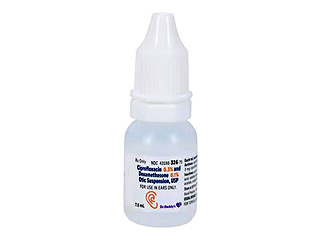
| Common formulations (varies by brand) | Eye drops, ear drops/solutions or suspensions |
| Who it’s for | Adults and children (depending on product and local guidance) |
| Typical goal | Treat infection and reduce inflammation-related symptoms |
| Important note | Not all ear/eye problems are bacterial; corticosteroids can worsen certain viral or fungal conditions. |
How it works (mechanism of action)
The two components work together:
- Ciprofloxacin: a fluoroquinolone antibiotic. It kills susceptible bacteria by interfering with bacterial DNA replication (via inhibition of key enzymes such as DNA gyrase and topoisomerase IV). This helps stop the growth of bacteria causing the infection.
- Dexamethasone: a corticosteroid that reduces inflammation. It helps relieve redness, swelling, pain, itching, and other inflammatory responses.
Because the medicine includes a steroid, it can improve symptoms even while infection is being treated—but it also means the underlying cause must be appropriate for antibiotic-steroid therapy.
Pharmacokinetics (how the body handles it)
Pharmacokinetics can vary by whether the product is used in the eye or the ear, and by the formulation. Because these medicines are usually used locally, systemic absorption is often limited, especially when used exactly as directed.
Typical general points
- Local distribution: After application, ciprofloxacin and dexamethasone act mainly at the target site (eye/ear tissues).
- Systemic absorption: Some absorption may occur, especially if used frequently, over a longer period, on irritated tissue, or if there is a tear/perforation (eye/ear circumstances vary). Systemic levels are generally low compared with oral medicines, but can be increased under certain conditions.
- Metabolism & elimination: In absorbed drug, ciprofloxacin is metabolised in the body and eliminated mainly via the kidneys. Dexamethasone is metabolised in the liver and eliminated through multiple pathways.
- Duration of effect: For symptom relief and infection control, benefit typically develops over 24–72 hours, but full response depends on the condition being treated and severity.
If you have kidney disease, liver disease, or are taking multiple medicines, discuss your situation with a clinician or pharmacist—especially if treatment is prolonged.
Typical uses (indications)
Ciprofloxacin/Dexamethasone is commonly used for selected eye and ear conditions where: bacterial infection is suspected/confirmed and significant inflammation is present.
Common clinical scenarios
- Eye infections with inflammation (depending on diagnosis, severity, and clinician assessment). Examples may include certain bacterial conjunctival or anterior segment infections where steroid use is considered appropriate.
- Ear infections with inflammation (e.g., otitis externa in selected cases).
- Post-procedure inflammation with risk of bacterial infection in some circumstances, as determined by local protocols.
Important: steroid-containing antibiotic drops are not suitable for all causes of red eye or ear pain. They may worsen conditions such as herpes simplex eye disease, some fungal infections, or other non-bacterial causes. If symptoms are severe, worsening, or not improving quickly, you should seek prompt medical advice.
When to start feeling better (timing)
Many people notice improvement within a couple of days, but timelines vary. As a general guide:
- First 24–48 hours: reduced redness, swelling, or discomfort may begin.
- Up to 3–5 days: clearer improvement in infection symptoms is expected for responsive conditions.
- If there is no improvement within the expected timeframe, or if symptoms worsen, contact a clinician promptly.
Do not extend treatment longer than advised. Prolonged steroid use can increase the risk of complications (including raised eye pressure).
Dosing and how to use it
Dosing depends on the exact product, the condition being treated, age, and local guidance. Follow the patient instructions on your specific pack. Below are common patterns used in practice—your product label may differ.
Typical timing patterns (general guidance)
- Eye drops: often used several times a day at first, with reduced frequency as symptoms improve (exact schedule varies by condition and formulation).
- Ear drops: often used in divided doses across the day, with attention to correct positioning of the ear to allow contact time.
Practical administration tips
For eye drops:
- Wash your hands before and after use.
- Use a mirror if it helps you see the eye clearly.
- Pull down the lower eyelid gently to form a small pocket.
- Hold the dropper above the eye without touching it.
- Instil the prescribed number of drops into the affected eye.
- Close your eye gently and press lightly at the inner corner (near the nose) for about 1 minute to reduce drainage into the tear duct.
- If you use more than one eye medicine, leave at least 5–10 minutes between products unless your clinician advises otherwise.
For ear drops:
- Wash your hands before and after use.
- Lie with the affected ear facing upward (or tilt your head) to help the drops reach the ear canal.
- Instil the prescribed number of drops.
- Keep the head tilted for the time stated on your pack (commonly a few minutes).
- If instructed, you may gently wipe away excess liquid at the outer ear.
Missed dose
If you miss a dose, take it as soon as you remember. If it is close to your next dose, skip the missed dose and continue as normal. Do not double the dose.
How long to use
Typical courses are time-limited and depend on severity and response. The steroid component makes it especially important not to continue beyond the advised duration. If your symptoms do not improve, do not just keep using it—seek further advice.
Food interactions
For most eye and ear formulations, there is usually no meaningful food interaction because absorption into the bloodstream is limited. However, if you use this medicine alongside other systemic treatments (e.g., oral antibiotics) or you have a complex medical history, confirm any concerns with your pharmacist.
Alcohol and medicine interactions
Alcohol
There is generally no direct interaction between local ciprofloxacin/dexamethasone drops and alcohol. However, if your clinician has prescribed oral medicines for another reason, alcohol may interact with those treatments or worsen side effects such as dizziness or stomach upset.
Interactions with other medicines
Local use typically results in low systemic exposure, so interaction risk is lower than with oral ciprofloxacin. Still, interactions can be relevant in these situations:
- Other steroid medicines: If you are also using systemic steroids or other corticosteroid preparations, combined effects may increase steroid-related side effects.
- Other antibiotics: Usually manageable, but confirm if you are receiving multiple antimicrobial treatments concurrently.
- Medicines that affect the immune system: Steroid effects may add to immunosuppression from other therapies (relevance depends on route and dose).
- Ocular pressure–related medicines (if using for eyes): Steroids can increase intraocular pressure; if you have glaucoma or are on pressure-lowering drops, your clinician may monitor you closely.
If you are unsure whether something you are taking could be an issue, ask a pharmacist for advice.
Safety profile and side effects
Common side effects
Side effects depend on whether the drops are used in the eye or ear, the condition treated, and how long you use them. Common reactions may include:
- Eye: mild stinging/burning on instillation, temporary blurred vision, redness, irritation, watery eyes.
- Ear: mild burning or discomfort, temporary change in sensation, irritation of the canal.
More serious or urgent concerns
Seek prompt medical advice if you experience:
- Worsening pain, marked redness, or rapidly increasing swelling
- Vision changes that do not settle quickly
- Severe headache or eye pain (especially if light sensitivity occurs)
- Signs of allergy (e.g., rash, swelling of face/lips, breathing difficulties)
- No improvement after a short time or symptoms returning quickly after stopping
Steroid-specific precautions
Dexamethasone can cause problems if used when the underlying infection is not suitable for steroid therapy. Steroids may also:
- Increase intraocular pressure in some people
- Delay healing
- Increase risk of secondary infections (e.g., fungal overgrowth)
- Make certain infections (such as herpetic eye disease) worse
If you have a history of glaucoma, significant eye disease, or recurrent infections, tell your clinician/pharmacist.
Who should be extra cautious
- People with a history of allergy to quinolone antibiotics or corticosteroids
- People with viral eye disease (especially suspected herpes simplex)
- People with fungal infections or ongoing unexplained eye/ear symptoms
- Children (use depends on product age guidance and clinician assessment)
Practical use tips for best results
- Don’t share the bottle/dropper with anyone else.
- Avoid contamination: don’t let the tip touch your eye/ear or fingers.
- Contact lenses (eye products): follow your product guidance. Many clinicians advise avoiding contact lenses during infection and treatment; replace with glasses until fully resolved.
- Complete the advised course: stopping early can lead to incomplete treatment.
- Check expiry: use before the marked expiry date; discard if contamination is suspected.
- Monitor response: if you’re not clearly improving within the expected timeframe, seek advice rather than extending treatment.
- Eye/ear hygiene: avoid rubbing the affected area; wash hands often.
Alternative options
Alternatives depend on the cause (bacterial vs viral vs allergic vs fungal), the exact site (eye vs ear), severity, and local protocols. Your clinician may choose:
- Antibiotic-only drops (for bacterial infections without the need for steroid)
- Steroid-only therapy (rare, and only in carefully selected inflammatory conditions)
- Antiviral or antifungal treatments if the underlying cause is not bacterial
- Supportive measures (e.g., lubricating drops, pain relief) depending on the diagnosis
Because steroid-containing medicines can be inappropriate for certain infections, the best “alternative” is often an accurate diagnosis and targeted therapy rather than simply switching products.
UK market and legal context (what to know)
In the United Kingdom, medicines containing antibiotics and corticosteroids are regulated through the UK medicines framework and must comply with UK product licences, packaging requirements, and pharmacy/healthcare access rules. Antibiotic use is also influenced by antimicrobial stewardship efforts to help reduce unnecessary antibiotic exposure and antibiotic resistance.
For this reason:
- These medicines are used only when clinically appropriate for suspected/confirmed bacterial infection.
- Infections that do not respond quickly may require review and possible change in treatment.
- Patients are encouraged to seek medical advice for persistent or severe symptoms.
Recent guidance and antimicrobial stewardship (overview)
UK clinical practice continues to emphasise appropriate use of antibiotics, including:
- Using antibiotics when bacterial infection is likely
- Reviewing symptoms promptly if there is no improvement
- Avoiding prolonged treatment without reassessment
For eye and ear conditions, steroid-containing combinations are generally reserved for situations where both infection and inflammation are thought to be present, rather than used for undifferentiated redness or pain.
Delivery and availability in the UK
Availability varies by brand and formulation (eye drops vs ear drops). Many UK online pharmacies can supply this medicine where permitted by law and where product requirements are met. Delivery options often include standard and express post depending on the provider, your location, and stock levels.
- Dispatch times: vary; some orders are dispatched the same day if placed early.
- Tracking: many services provide order tracking.
- Temperature and storage: follow your pack instructions; do not store in conditions outside the label guidance.
- Out of stock: substitutions may be offered only if the product is interchangeable and permitted; otherwise you may be notified.
FAQ
1) What is Ciprofloxacin/Dexamethasone used for?
It is used to treat certain eye or ear infections where an antibiotic is needed and inflammation is also present. The steroid helps reduce swelling and redness while ciprofloxacin treats susceptible bacteria.
2) Can I use it for any red or painful eye?
Not always. Red eye can have many causes (viral, allergic, fungal, dry eye, irritation, glaucoma-related conditions, etc.). Because dexamethasone is a steroid, it may worsen certain infections or mask symptoms. If you are unsure, seek advice promptly.
3) How often should I apply the drops?
The correct frequency depends on your specific product and the condition being treated. Check your pack instructions or clinician guidance and follow them exactly.
4) What if I forget a dose?
Apply it when you remember unless it is nearly time for the next dose. Do not double up.
5) What should I do if symptoms improve?
Continue using the medicine for the full duration stated on your instructions. Do not stop early unless advised, because stopping prematurely may lead to recurrence.
6) Are contact lenses allowed?
Many clinicians recommend avoiding contact lenses during an eye infection and while using treatment. Follow the instructions supplied with your specific product.
7) Can I drink alcohol while using it?
Usually there is no direct interaction with alcohol for local eye/ear use. If you are also taking other medicines (especially oral antibiotics or painkillers), check their interaction information.
8) What are the signs that I should get urgent help?
Seek urgent medical advice if you develop severe or worsening pain, significant light sensitivity, worsening redness, vision changes that don’t quickly settle, symptoms that rapidly deteriorate, or signs of allergy.
9) How long should it take to work?
Many people begin to see improvement within 24–72 hours. If you are not improving within the expected timeframe, you should contact a clinician for reassessment.
10) Can this medicine be used long-term?
Generally, steroid-containing eye/ear treatments are used for a limited course. Prolonged use increases the risk of side effects, including raised eye pressure and secondary infections. Follow the advised duration.
Disclaimer: This information is intended to support understanding of Ciprofloxacin + Dexamethasone. It does not replace personalised medical advice. If symptoms are severe, unusual, or not improving, contact a healthcare professional promptly.