Tobramycin and Dexamethasone (Eye/Ear Use): Patient Information (UK)
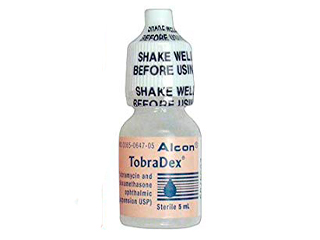
Tobramycin and dexamethasone is a combination medicine used to treat certain inflammatory eye conditions and ear conditions where bacterial infection is either present or strongly suspected. It combines an antibiotic (tobramycin) with a corticosteroid (dexamethasone) to help reduce infection and inflammation.
This page explains what the medicine is, how it works, how it is used, what to watch for, and practical tips to help you get the best results. Always follow the instructions provided with your specific product and ask a healthcare professional if you are unsure.
Basic product information
- Active ingredients: Tobramycin + Dexamethasone
- Therapeutic class: Antibiotic + corticosteroid combination (local use)
- Common forms: Eye drops or eye ointment; ear drops (depending on the specific product)
- Typical purpose: Reducing inflammation and treating susceptible bacterial infection
- Who it’s for: Adults and children when specifically indicated by a clinician (age and product suitability can vary)
Important: This leaflet-style information is general. Your exact dose, frequency, and duration depend on the condition and the specific formulation you are using.
How it works (mechanism of action)
1) Tobramycin (antibiotic)
Tobramycin is an aminoglycoside antibiotic. It works by interfering with bacterial protein synthesis. This leads to impaired growth and, at appropriate concentrations, bacterial killing. Tobramycin is particularly active against a number of gram-negative organisms and some gram-positive organisms, depending on susceptibility.
2) Dexamethasone (corticosteroid)
Dexamethasone is a corticosteroid that reduces inflammation by suppressing multiple steps in the inflammatory process. It helps relieve symptoms such as redness, swelling, pain or irritation, and itching caused by inflammatory reactions.
Why the combination matters: In some eye/ear conditions, inflammation can be significant and bacterial infection may coexist. Using a steroid alongside an antibiotic can improve symptoms more rapidly while targeting the likely infection. However, steroids can also mask or worsen certain infections if used inappropriately, so correct diagnosis and follow-up are important.
Typical uses and indications (what it treats)
Indications depend on whether you are using an eye or ear product and on local product licences. In general, medicines containing tobramycin and dexamethasone are used for conditions that involve:
- Bacterial infection (or suspected bacterial infection)
- Inflammation of the eye or ear
- Where a steroid is considered appropriate to control inflammatory symptoms
Examples of situations clinicians may consider (generalised):
- Eye inflammation with bacterial involvement such as certain types of conjunctivitis or blepharitis with suspected bacterial component (product-specific)
- Post-procedure or post-surgical inflammatory and infectious conditions where the prescriber deems combination therapy suitable (product-specific)
- Ear inflammatory conditions with bacterial infection (e.g., certain cases of otitis where bacterial involvement is suspected, and product suitability is confirmed)
Do not use this medicine for undiagnosed eye/ear pain or discharge without appropriate guidance. Steroid-containing products are not suitable for all causes of eye/ear inflammation.
When to seek urgent advice
Seek urgent medical advice (or emergency help) if you have:
- Severe eye pain, rapidly worsening redness, or sudden vision changes
- Significant swelling around the eye, fever, or feeling very unwell
- Severe ear pain, swelling, discharge with foul smell, or symptoms that worsen quickly
- Suspected chemical injury or a foreign body in the eye/ear
How to use: timing, dosing and duration
Dosing varies by condition, product strength, age, and clinical response. Below is patient-friendly guidance on typical use patterns. For your exact regimen, follow the instructions provided with your medication.
General timing principles
- Use at evenly spaced times during the day to maintain consistent coverage.
- Do not stop early just because symptoms improve, unless your clinician advises.
- Use for the duration prescribed (or per the product’s licensed course). Steroids should not be used longer than needed.
- If you miss a dose, use it when you remember unless it is close to the next dose; then continue as normal. Do not double dose.
Typical dosing patterns (illustrative)
Many combination products are used several times daily initially, then reduced as symptoms improve. Your product leaflet may specify a particular schedule.
- Eye drops (common practice): Often 1–2 drops in the affected eye(s) several times daily.
- Eye ointment (common practice): Often applied as a small strip in the affected eye(s) one to several times daily (frequency depends on product guidance).
- Ear drops (common practice): Often several drops into the affected ear(s) 2–4 times daily, depending on severity and product instructions.
Duration matters: Combination steroid/antibiotic therapy is usually for a limited time. Prolonged or repeated courses may increase the risk of side effects, including raised eye pressure.
Practical step-by-step tips (eye)
- Wash your hands before and after use.
- If using eye drops, gently pull down the lower eyelid to create a small pocket.
- Apply the recommended number of drops without touching your eye or eyelid with the dropper tip.
- Close the eye gently for about 1–2 minutes. Avoid rubbing.
- If using other eye medications, space them apart by at least 5–10 minutes.
- Replace the cap promptly to keep the product sterile.
Practical step-by-step tips (ear)
- Wash your hands before use.
- Warm the bottle in your hands for a minute if it feels cold.
- Gently tilt your head so the affected ear is facing upward.
- Apply the recommended number of drops. Avoid touching the ear with the dropper.
- Keep your head tilted for about 5 minutes to help the drops reach the ear canal.
- If you have ear packing or additional devices, follow specific clinician instructions.
Contact lenses (eyes): Many eye drops may not be compatible with contact lenses. Consider removing lenses before application and wait before reinserting. Check your product leaflet and ask a pharmacist if unsure.
Mechanism and pharmacokinetics: what happens in the body
Because tobramycin and dexamethasone are usually used locally (in the eye or ear), only small amounts may be absorbed into the bloodstream compared with oral medicines. Absorption can increase if there is significant tissue inflammation, damage, or specific conditions.
Local absorption and distribution
- Tobramycin: Absorption from the eye or ear is typically limited, but can increase with inflammation or compromised barriers.
- Dexamethasone: Steroids can be absorbed locally and, to a lesser extent, systemically depending on exposure and tissue condition.
Metabolism and elimination
Systemically absorbed medicine will generally be metabolised and eliminated by the body (the exact pathway depends on the drug). With local use, systemic levels are usually low, but effects are still possible—especially with prolonged use or in sensitive individuals.
If you are using the medicine for longer than intended, or have extensive inflammation, your clinician may advise monitoring for side effects.
Food interactions
With local eye/ear use, food interactions are unlikely because the medicine is not typically taken by mouth and systemic exposure is low. You can generally eat and drink as normal.
If this combination is used in a different form (less common), or if you are taking other medicines that interact, follow the specific advice for those medicines. When in doubt, ask a pharmacist.
Alcohol and medicine interactions
Alcohol
There is no well-established direct interaction between alcohol and this locally used medicine. However, alcohol may worsen healing in some infections or contribute to dehydration and delayed recovery. If you feel unwell or are taking additional medicines, follow their advice regarding alcohol.
Interactions with other medicines
Systemic interactions are generally less likely due to local administration, but practical interactions can still occur:
- Other eye/ear drops: Use spacing if multiple products are needed (often 5–10 minutes between different drops).
- Glaucoma or high eye pressure history: Steroid eye drops can raise intraocular pressure in susceptible individuals; discuss your history with a clinician.
- Other steroids: Avoid stacking steroid therapy unless specifically advised.
- Other antibiotics: Avoid unnecessary overlap or prolonged courses that may promote resistance.
Tell your pharmacist about all medicines you use, including non-prescription products and herbal remedies.
Safety profile: common and serious side effects
Like all medicines, tobramycin and dexamethasone can cause side effects. Most people experience none or mild effects. Stop using the medicine and seek advice if you develop severe symptoms or an allergic reaction.
Common side effects
- Stinging, burning or mild irritation after application (especially initially)
- Redness or discomfort in the treated area
- Dryness or temporary blurred vision (for eye drops)
- Unpleasant taste (sometimes reported with eye drops due to drainage)
Less common but important risks (steroid-related)
- Raised intraocular pressure (IOP): Can occur with steroid eye medicines, particularly with prolonged use.
- Eye infection complications: Steroids may worsen or mask certain infections, including some viral infections.
- Cataract risk: Long-term steroid use may contribute to cataract formation.
- Delayed wound healing in certain conditions.
Antibiotic-related considerations
- Allergic reactions (e.g., itching, rash, swelling, worsening redness)
- Resistance and recurrence: Overuse can lead to reduced effectiveness and recurrence of infection.
- Superinfection: Rarely, non-susceptible organisms may multiply during therapy.
Seek urgent medical help if
- You experience severe pain, marked swelling, or sudden vision changes
- You develop signs of allergy (e.g., facial swelling, breathing difficulty, widespread rash)
- Your symptoms worsen rather than improve within a few days
Who should take extra care (precautions)
Certain situations may require careful evaluation by a clinician before using steroid-containing combination drops.
- History of glaucoma or ocular hypertension
- Previous eye surgery or known lens problems
- Current or suspected viral eye infection (e.g., herpes-related conditions) or fungal infection
- Thinning of the cornea or corneal surface problems
- Ear conditions involving possible perforation of the eardrum (product suitability must be confirmed)
- Use in children: Only when appropriate for age and indication
If you are unsure whether your symptoms might be viral or fungal, seek advice rather than self-treating with steroid combinations.
Practical use tips for best results
- Complete the course as advised, even if you feel better.
- Don’t share drops with others.
- Avoid touching the tip of the bottle to the eye/ear to reduce contamination.
- Maintain hygiene: Wash hands; use clean tissues; avoid makeup near the treated area.
- Remove contact lenses if you are using eye drops and your product advice says so.
- Track improvement: Symptoms should start to improve within a few days for many bacterial inflammatory conditions. If not, review promptly.
- Keep your follow-up: With steroid-containing eye medicines, monitoring may be recommended for longer courses.
Storage
- Store according to the label instructions (often at room temperature; some products require refrigeration).
- Keep out of the sight and reach of children.
- Do not use beyond the expiry date.
- After opening, discard when the leaflet instructs (often a set number of weeks after first opening).
Alternative options
Alternatives depend on the cause of your symptoms and the site (eye or ear). Common alternatives may include:
Antibiotic-only options
- Antibiotic eye drops/ointments without steroid, used where inflammation is mild or not steroid-appropriate.
- Ear antibiotic drops without corticosteroid where infection is the primary issue.
Anti-inflammatory options without antibiotic
- Non-steroidal anti-inflammatory approaches may be used in some inflammatory conditions when infection is ruled out.
- Artificial tears and supportive care can help relieve irritation in selected cases.
Supportive and hygiene measures
- Warm compresses for eyelid inflammation (where appropriate)
- Good lid hygiene
- Keeping the ear dry, depending on the diagnosis
A clinician or pharmacist can help you choose the most suitable option if the diagnosis changes or if you don’t respond as expected.
Pharmacovigilance and recent guidance: what to know in the UK
In the UK, steroid-containing eye medicines require careful use due to the potential for increased intraocular pressure and masking of certain infections. Healthcare systems emphasise appropriate selection based on diagnosis (bacterial vs viral vs fungal), correct duration, and patient monitoring where needed.
While specific local protocols can vary, general themes in UK practice include:
- Confirming suitability before using corticosteroid combinations.
- Reassessing if symptoms do not improve quickly or worsen.
- Using the shortest effective duration to reduce steroid-related risks.
- Not using steroid drops for suspected herpes simplex or other viral causes unless directed by an ophthalmologist/clinician.
If you are using the medicine and experience unexpected deterioration, prompt clinical review is important.
Market and legal context in the UK
In the UK, access to medicines depends on their classification and safety profile. Tobramycin and dexamethasone combination products may be supplied under different conditions depending on formulation and licensing.
- Medicines are supplied in line with UK medicines regulations and product licensing terms.
- Pharmacies may require patient information to ensure suitability and safe use.
- For topical steroid-containing products, clinicians and pharmacists often use screening questions to identify contraindications and risk factors (such as glaucoma, viral eye disease suspicion, or suitability for ear drum status).
Always ensure you receive the correct strength and formulation for your eye or ear, and follow the directions on the label.
Delivery and availability (UK)
Online pharmacies in the UK typically offer delivery to eligible addresses, with options such as standard and express shipping depending on the supplier and product availability. Availability can vary by brand, strength, and whether the product is currently in stock.
- Dispatch times: Often within 1–2 working days when in stock.
- Delivery times: Vary by carrier and service level.
- Cold chain: Usually not required for this type of local medicine, but always check the storage instructions.
- Packaging: Kept secure to prevent damage to bottles/tubes.
If you need delivery urgently, contact customer services to confirm estimated dispatch and delivery windows.
Frequently Asked Questions (FAQ)
1) Can I use tobramycin and dexamethasone if my symptoms are viral?
You should be cautious. Steroid-containing products can worsen certain viral eye conditions and may mask symptoms. If you suspect viral infection (e.g., a cold sore history or characteristic symptoms), seek advice before using this combination.
2) How quickly should I feel better?
Many bacterial inflammatory eye/ear conditions begin to improve within a few days. If you notice no improvement or symptoms worsen, contact a healthcare professional promptly.
3) What if I wear contact lenses?
Follow the guidance in your product leaflet. Many eye drops are not suitable with contact lenses. As a general approach, remove lenses before application and wait before reinserting (often at least 15 minutes, but check your leaflet).
4) Can I drive after using eye drops?
Some people experience temporary blurred vision after instillation. Wait until your vision is clear before driving or operating machinery.
5) Is it safe to use with other eye drops?
Yes, often. Use a gap of 5–10 minutes between different eye products to prevent dilution and washout. Use ointments last if both drops and ointment are prescribed.
6) Can I drink alcohol while using it?
There is unlikely to be a direct interaction with locally applied drops or ointment. However, alcohol may delay recovery if you feel unwell. Drink in moderation and follow the guidance for any other medicines you may be taking.
7) What should I do if I miss a dose?
Apply the missed dose when you remember unless it’s almost time for the next one. Do not use extra amounts to compensate.
8) How long can I use it?
Use for the duration specified for your condition and product. Steroid-containing combinations should generally not be used longer than necessary due to risks like raised eye pressure.
9) What are the signs of an allergic reaction?
Allergic reactions may include worsening redness, itching, swelling, rash, or breathing difficulty. Stop using and seek urgent advice if allergy is suspected.
10) Can I use it for pain and redness without diagnosis?
It’s best to avoid self-treating without knowing the cause. Eye/ear redness can result from many conditions (viral, allergic, bacterial, injury, glaucoma-related issues). Steroids are not appropriate for every cause.
Summary at a glance
| Topic | Key points |
|---|---|
| What it is | Combination of tobramycin (antibiotic) and dexamethasone (corticosteroid) for local eye/ear inflammation with bacterial involvement. |
| How it works | Tobramycin helps control susceptible bacteria; dexamethasone reduces inflammation and symptoms. |
| How it’s used | Applied as drops or ointment locally, usually multiple times daily initially; reduce/stop as directed. |
| Timing | Space doses evenly; don’t stop early; don’t use longer than recommended. |
| Food effects | Food interactions are unlikely with local eye/ear use. |
| Alcohol | No established direct interaction; moderation is sensible, especially if unwell or taking other medicines. |
| Important safety notes | Steroid-related risks include raised eye pressure and masking/worsening of certain infections. Seek advice if symptoms worsen. |
Need more help? If you have ongoing symptoms, a history of eye conditions (such as glaucoma), or you are unsure whether the medicine is suitable for your situation, speak to a pharmacist or clinician. For urgent eye/ear symptoms, seek medical help promptly.