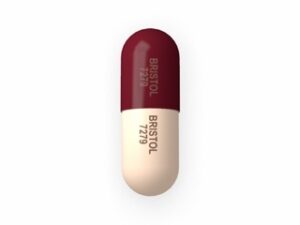



Advent DT (Amoxicillin/Clavulanic Acid) — Patient Information (UK)
Advent DT contains amoxicillin and clavulanic acid. It is a type of antibiotic used to treat certain bacterial infections. This guide explains how it works, what it’s used for, how to take it, key safety information, and practical tips for UK patients.
Always follow the instructions provided with your medicine. If you are unsure about your treatment, speak to a pharmacist or other healthcare professional.
1) Basic product information
- Medicine name: Advent DT
- Active ingredients: Amoxicillin + Clavulanic Acid
- Type: Antibiotic combination (penicillin-class antibiotic)
- Form: “DT” commonly refers to dispersible tablets (follow the instructions on the specific pack)
- Common brand wording in the UK market: Various generics/brands may contain the same ingredients and strengths.
Different strengths are available. Your pack will state the exact amount of amoxicillin and clavulanic acid per tablet.
2) How Advent DT works (mechanism of action)
Amoxicillin is a beta-lactam antibiotic. It works by interfering with the way bacteria build their cell walls. This leads to bacterial cell death.
Some bacteria resist amoxicillin by producing enzymes called beta-lactamases that break down the antibiotic. Clavulanic acid is a “beta-lactamase inhibitor.” It helps protect amoxicillin from these enzymes, allowing it to work more effectively against a wider range of bacteria.
Together, this combination improves coverage for infections where bacteria are susceptible to the amoxicillin/clavulanic acid combination.
3) Pharmacokinetics (how the body processes it)
Pharmacokinetics can vary slightly between individuals, but the key points are:
- Absorption: Amoxicillin/clavulanic acid is absorbed from the gut.
- Distribution: It distributes into many body tissues and fluids, including sites relevant to respiratory and soft tissue infections.
- Metabolism: Clavulanic acid is partially metabolised.
- Excretion: Both components are mainly eliminated via the kidneys.
- Half-life: Elimination half-life is typically shorter in people with normal kidney function; in renal impairment, clearance may be reduced and dose adjustments may be required.
Taking Advent DT with food can improve gastrointestinal tolerance and may reduce stomach upset.
4) What Advent DT is typically used for (indications)
Amoxicillin/clavulanic acid is used for bacterial infections likely to be caused by susceptible organisms. In the UK, it may be considered for:
- Respiratory tract infections (for example, certain sinus, ear, throat, or chest infections where bacterial infection is suspected)
- Skin and soft tissue infections (e.g., infected wounds, bites, cellulitis)
- Dental infections (such as some forms of tooth or gum infection)
- Urinary tract infections in certain circumstances, depending on local guidance and culture results
- Other infections based on clinical judgement and the likely bacteria involved
Antibiotics do not work against viral infections (like most colds and flu). Using antibiotics when they’re not needed can contribute to resistance.
5) Timing and how to take Advent DT
The exact dose and frequency depend on the infection, severity, age, kidney function, and local prescribing guidance. Use only the schedule given for your specific medicine.
Typical timing principles
- Take at evenly spaced times if your schedule is multiple doses per day.
- Finish the full course unless advised otherwise. Stopping early may allow infection to return.
- If you miss a dose: take it as soon as you remember unless it’s close to the next dose. Do not take a double dose to make up for a missed one.
- If vomiting occurs shortly after taking a dose: ask a pharmacist for advice, as absorption may not be complete.
How to take dispersible tablets (DT)
“DT” products are often designed to disperse in water. Follow the instructions on your pack exactly. A common approach is to:
- Place the tablet in a measured amount of water.
- Stir until dispersed.
- Take immediately (or as directed) and drink any remaining liquid.
If your pack instructions differ, follow the pack instructions.
6) Food interactions and practical eating guidance
Food can affect how well some antibiotics are tolerated.
- With food: Taking amoxicillin/clavulanic acid with food may reduce the likelihood of nausea, stomach upset, and diarrhoea.
- Without food: If you struggle with side effects, taking it with a meal or snack is often easier for the stomach.
You do not generally need special dietary restrictions, but staying hydrated is helpful—especially if you experience mild diarrhoea.
7) Alcohol and medicine interactions
Alcohol
For many patients, moderate alcohol is not explicitly contraindicated with amoxicillin/clavulanic acid. However, alcohol may worsen side effects such as nausea, stomach discomfort, dizziness, and dehydration—particularly if you are ill.
For best comfort and recovery, it’s commonly recommended to avoid or limit alcohol while you’re unwell and during the course of treatment.
Important medicine interactions
Interactions depend on your personal medication list. Common considerations include:
- Warfarin and other anticoagulants: Some antibiotics can affect gut bacteria and increase the risk of bleeding. If you take a blood thinner, you may need closer monitoring (e.g., INR checks).
- Allopurinol: Using allopurinol with amoxicillin may increase the risk of rash in some people.
- Probenecid: May affect kidney excretion and antibiotic levels.
- Oral contraceptives: The evidence for reduced effectiveness with antibiotics is mixed. If you have severe diarrhoea or vomiting, consider additional contraception and follow relevant guidance.
- Other medicines affecting kidneys: Dose adjustments may be needed if you have impaired renal function.
Tell your pharmacist or clinician about all medicines you use, including over-the-counter products, herbal remedies, and supplements.
8) Dosing (how much to take)
Dosing is individual. The number of tablets and how often you take them depends on the strength you have and the reason for treatment.
Your pack will specify the exact dose schedule. Do not change it without advice.
General dosing considerations
- Age: Doses may differ for adults and children.
- Renal function: If you have kidney problems, dosing may need adjustment to avoid side effects.
- Severity: More severe infections may require different dosing regimens and treatment length.
- Local guidance: UK prescribing may take local resistance patterns into account.
If you want, share the strength written on your pack (e.g., “625 mg” or “400/57 mg” style information) and your age group, and you can be guided on how to interpret the dosing schedule—without replacing the instructions on your medicine.
9) Safety profile (who should be careful and what to watch for)
Common side effects
Many people tolerate amoxicillin/clavulanic acid well. Common or expected side effects include:
- Diarrhoea
- Nausea
- Indigestion or abdominal discomfort
- Skin rash (often mild, but any rash should be noted)
- Vaginal yeast infection in some people
Serious side effects — seek urgent help
Stop taking Advent DT and seek urgent medical advice if you develop:
- Signs of allergy (anaphylaxis): swelling of face/lips, breathing difficulty, wheeze, severe dizziness, or collapse
- Severe skin reactions: blistering, peeling skin, painful rash, or rash with mouth sores
- Severe or persistent diarrhoea: especially if watery or bloody, with fever or severe abdominal pain (could indicate antibiotic-associated colitis)
- Yellowing of the skin/eyes (jaundice) or dark urine, which may indicate liver issues (more likely in some people, particularly with prior exposure)
- Unexplained bruising or bleeding, or extreme tiredness (rare blood disorders)
Who should be cautious
- History of penicillin or beta-lactam allergy (or severe reaction to antibiotics). If you’ve previously had a serious allergic reaction, you may need an alternative.
- Previous antibiotic-associated diarrhoea.
- Kidney impairment may require dose adjustment.
- Liver disease or a history of liver problems with amoxicillin/clavulanic acid should be discussed with a clinician.
- Infectious mononucleosis (glandular fever): amoxicillin can cause a rash and is generally avoided unless specifically advised.
Pregnancy and breastfeeding (UK patient context)
Many antibiotics can be used when needed during pregnancy or breastfeeding, but individual suitability varies. Discuss your situation with a healthcare professional—especially if you are pregnant, trying to conceive, or breastfeeding.
10) Practical use tips (to improve effectiveness and comfort)
- Set reminders: Use a phone alarm to take doses at the right times.
- Take with food: This often reduces stomach upset.
- Complete the course: Don’t stop just because you feel better.
- Hydrate: If you have mild diarrhoea, take fluids regularly.
- Track symptoms: If symptoms are not improving after a few days, seek advice. Some infections need re-evaluation or a different antibiotic.
- Avoid doubling up: If you miss a dose, follow the missing-dose guidance provided with your medicine.
If you are taking other medicines, keep a list and show it to your pharmacist if side effects occur.
11) Antibiotic resistance and “when to expect improvement”
For many uncomplicated bacterial infections, you may begin to feel better within 48 to 72 hours. However, this varies by infection type, severity, and organism.
- If there is no improvement or symptoms worsen, get medical advice.
- Do not switch antibiotics by yourself.
- Completing the course as directed helps reduce the chance of relapse and resistance.
12) Alternative options (what might be used instead)
The “best” alternative depends on the infection, your allergy history, local resistance patterns, and whether bacteria have been identified.
Possible antibiotic alternatives
- Penicillin-class alternatives (when appropriate and safe)
- Cephalosporins for some infections (depends on allergy status)
- Macrolides in some cases (e.g., certain respiratory infections or penicillin allergy scenarios)
- Doxycycline or other options depending on diagnosis and susceptibility
Non-antibiotic supportive treatments (such as pain relief, hydration, and specific local measures) may also be appropriate for some symptoms, but they do not replace antibiotics when bacterial infection requires them.
If you have a penicillin allergy or have experienced severe side effects, ask your pharmacist or clinician about safe alternatives.
13) Market and legal context in the UK
In the United Kingdom, antibiotic medicines are regulated through the Medicines and Healthcare products Regulatory Agency (MHRA). Antibiotics are categorised according to supply rules, and systems exist to support safe use and antimicrobial stewardship.
UK healthcare policy encourages careful prescribing and appropriate selection of antibiotics to limit resistance. Community and hospital teams follow local antimicrobial guidance and national recommendations. If you are purchasing or using antibiotics, ensure they are:
- From a reputable UK-licensed supply route
- Within expiry date
- Used exactly as directed for your condition
This information is intended for patient education and should not be used to make changes to your treatment without professional advice.
14) Recent guidance (antibiotic stewardship in the UK)
UK guidance emphasises:
- Targeted antibiotic use only when bacterial infection is likely.
- Local susceptibility awareness (resistance varies by region and infection type).
- Reviewing treatment response and considering alternatives if not improving.
- Minimising unnecessary broad-spectrum antibiotics to preserve effectiveness.
The exact “right” antibiotic and duration depend on diagnosis and clinical assessment.
15) Delivery and availability (UK online pharmacy context)
Advent DT is generally available through licensed pharmacies and dispensaries. Availability can vary by strength and formulation (DT/dispersible).
- Stock levels: may change based on demand and manufacturer supply.
- Delivery times: vary by provider, service level, and location in the UK.
- Packaging: should be sealed and clearly labelled with the product name, strength, and expiry date.
When ordering online, check:
- The strength matches the prescribed or advised plan
- The form (DT/dispersible) is what you expect
- Expiry date and storage instructions
If you experience problems receiving your medicine, contact the pharmacy’s customer support promptly.
16) Storage information
- Store according to the instructions on the pack.
- Keep out of the sight and reach of children.
- Do not use after the expiry date.
- Keep in the original packaging if instructed, to protect from moisture and light where required.
17) FAQ — Frequently asked questions
How quickly will Advent DT start working?
Many people notice improvement within 48–72 hours. If symptoms are not improving or are getting worse after this time, contact a pharmacist or clinician for advice.
Can I take Advent DT with food?
Yes. Taking it with food is often recommended to reduce stomach upset. Follow your specific pack directions.
What if I miss a dose?
Take it as soon as you remember unless it’s almost time for the next dose. Do not take a double dose to make up for a missed tablet.
Can I drive while taking Advent DT?
Advent DT is not typically associated with driving impairment. However, if you feel unwell, dizzy, or very tired, avoid driving and seek advice.
Will it work for infections like a cold or flu?
Usually no. Colds and flu are commonly caused by viruses, and antibiotics like amoxicillin/clavulanic acid do not treat viruses.
Is it safe with paracetamol or ibuprofen?
In many cases, paracetamol and ibuprofen can be used alongside antibiotics for fever or pain. If you have stomach ulcers, kidney disease, or other conditions, ask a pharmacist for the best option.
Can I drink alcohol during my course?
It’s often best to avoid or limit alcohol while you’re ill, because it can worsen side effects and slow recovery. If you choose to drink, keep it moderate and stay hydrated.
What should I do if I get diarrhoea?
Mild diarrhoea can occur. Drink fluids. Seek urgent medical advice if you have severe diarrhoea, diarrhoea with blood, fever, or severe cramps, as this may require prompt treatment.
What if I develop a rash?
A mild rash can occur. However, if you have signs of allergy (swelling, breathing difficulty) or a severe skin reaction (blistering, peeling), seek urgent medical care.
Are probiotics helpful?
Some people find probiotics reduce antibiotic-associated diarrhoea. Evidence varies. If you choose to use them, take them at a different time from your antibiotic and discuss with a pharmacist if you have immune problems or severe illness.
Can I use Advent DT if I’m allergic to penicillin?
Do not take it if you’ve had a serious penicillin allergy or severe beta-lactam reaction unless a clinician advises otherwise. Contact a healthcare professional for a suitable alternative.
How should the dispersible tablet be prepared?
Use the method described on your pack (commonly dispersing in water). If you’re unsure, ask a pharmacist before taking it.
Summary
Advent DT (amoxicillin/clavulanic acid) is a penicillin-based antibiotic combination that works by stopping bacterial cell wall formation and blocking beta-lactamase enzymes. It is used for certain bacterial infections and may be taken with food to reduce side effects. Like all antibiotics, it should be used carefully and for the full course as advised. If you experience severe side effects—especially allergy symptoms, severe diarrhoea, or signs of liver problems—seek urgent medical advice.