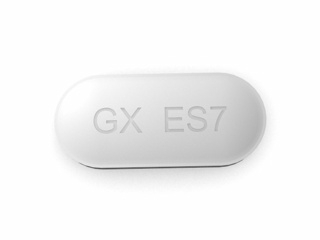


Ceftin (Cefuroxime) – Patient-Friendly Guide (UK)
Ceftin is a brand of cefuroxime, an antibiotic medicine used to treat a range of bacterial infections. This guide explains what Ceftin is, how it works, how it is used, common side effects, and practical advice to help you get the most benefit while using it safely.
Always follow the instructions provided by your healthcare professional and the information in the leaflet supplied with your medicine.
Quick Summary
- Medicine: Ceftin (cefuroxime)
- Type: Antibiotic (cephalosporin)
- How it works: Stops bacteria building a protective cell wall
- Common uses: Infections in the chest, ear, throat, skin, urinary tract (depending on local prescribing advice)
- Important: Take the full course and do not use for viral illnesses (e.g., most colds/flu)
Basic Product Information
| Feature | Details |
|---|---|
| Brand name | Ceftin |
| Generic name | Cefuroxime |
| Medicine type | Antibiotic (cephalosporin; second generation) |
| Common forms | Tablets (and in some markets, other strengths/forms; availability can vary) |
| Typical dosing frequency | Often taken twice daily (varies by infection and formulation) |
| Storage | Keep at room temperature, protect from moisture, and follow pack instructions |
How Ceftin Works (Mechanism of Action)
Ceftin contains cefuroxime, a beta-lactam antibiotic. It works by targeting the way bacteria build and maintain their cell wall.
Bacterial cell walls help the organism stay intact and survive. Cefuroxime interferes with the bacterial enzymes needed to build the cell wall. As a result, bacteria can’t properly form or repair their protective outer structure, and they die or stop multiplying.
Key point: Ceftin is designed for bacterial infections and won’t treat viral illnesses such as colds, flu, or most sore throats caused by viruses.
Pharmacokinetics (How the Body Handles Cefuroxime)
“Pharmacokinetics” describes how a medicine is absorbed, distributed, metabolised, and eliminated by the body.
- Absorption: Cefuroxime is absorbed after oral dosing. Food can influence the amount absorbed for some formulations.
- Distribution: It can reach relevant tissues and body fluids to help treat certain infections.
- Metabolism: Cefuroxime is not extensively metabolised in the body.
- Elimination: The medicine is mainly eliminated by the kidneys. This is why kidney function can affect dosing needs.
If you have kidney problems, your clinician may adjust the dose or dosing interval to ensure safe and effective levels.
Typical Use in the UK
Ceftin is used to treat infections caused by bacteria that are sensitive to cefuroxime. The exact indication depends on the type and severity of infection, local resistance patterns, and your medical history.
Common infection areas where cefuroxime may be considered include:
- Ear, nose, and throat infections: such as bacterial middle ear or certain throat infections
- Chest infections: for bacterial exacerbations of bronchitis or other appropriate respiratory infections
- Urinary tract infections (UTIs): depending on local guidance and bacterial sensitivity
- Skin and soft tissue infections: mild to moderate bacterial infections
- Other susceptible bacterial infections: where cefuroxime is judged appropriate
In the UK, prescribers follow national and local antimicrobial stewardship guidance to reduce unnecessary antibiotic use and slow the development of resistance.
When to Take Ceftin (Timing and Missed Doses)
Typical timing
Many Ceftin regimens are taken twice daily (for example, morning and evening). Try to take your doses at evenly spaced times.
How long to take it
The duration depends on the infection and how well you respond. It’s important to complete the full course even if you feel better.
If you miss a dose
- Take it as soon as you remember, unless it’s close to the next dose.
- If it’s nearly time for the next dose, skip
- Do not take a double dose to make up for the one you missed.
Food Interactions (Can You Take Ceftin With Meals?)
Food can affect absorption for some antibiotics. For cefuroxime:
- General advice: Many people find it easier on the stomach when taken with food.
- For best absorption: Follow the instructions specific to your Ceftin product and strength as printed on your pack or in your leaflet.
If you’re unsure whether to take it with or without food, check your medicine label or ask your pharmacist for advice.
Alcohol and Medicine Interactions
Alcohol
Most people can drink alcohol in moderation while taking antibiotics, but it’s best to be cautious:
- Alcohol can worsen side effects like stomach upset or dizziness in some people.
- When you are unwell, your body may be under stress—alcohol may slow recovery.
If you have liver problems, take other medicines, or have experienced significant reactions to alcohol in the past, ask a pharmacist for personalised advice.
Interactions with other medicines
Some medicine interactions can affect safety or effectiveness. Important examples to discuss with your healthcare professional include:
- Other antibiotics or medicines that may affect gut flora
- Oral anticoagulants (blood thinners) such as warfarin (antibiotics can alter bleeding risk in some cases—monitoring may be needed)
- Probenecid (may influence how long cefuroxime stays in the body)
- Medicines affecting kidney function (because cefuroxime is cleared via the kidneys)
- Live bacterial vaccines (some antibiotic use may reduce vaccine effectiveness temporarily; advice may be needed)
Tell your pharmacist or prescriber about all medicines you take, including: over-the-counter products, herbal remedies, and supplements.
Indications (What Ceftin Is Used For)
“Indications” are the medical reasons Ceftin may be used. Cefuroxime can be prescribed for infections where it is expected to be effective against the likely bacteria.
In practice, doctors may choose Ceftin based on symptoms, exam findings, and sometimes test results. If you are told to take Ceftin, it is typically because your clinician believes your illness is likely bacterial or at risk of becoming bacterial.
Examples of conditions that may be treated (or considered) include:
- Infections of the ear, throat, and sinuses when bacterial
- Certain respiratory tract infections
- Urinary tract infections (especially when bacterial sensitivity is expected)
- Skin and soft tissue infections
If you are concerned that your symptoms may not be bacterial, ask for advice—using antibiotics when they aren’t needed can increase the risk of side effects and antibiotic resistance.
Dosing Information (General Guidance)
Dosage depends on the infection type, severity, age, kidney function, and the specific product strength. The information below is a general overview and does not replace individual instructions on your medicine label.
Adults
- Ceftin is commonly taken twice daily.
- Dose amounts vary by indication. For some infections, higher doses may be used in more severe cases.
Children
- Dosing in children is usually based on body weight and the specific infection.
- Formulation choice (tablet vs suspension/other forms) can affect dosing.
Kidney impairment
Because cefuroxime is largely eliminated through the kidneys, people with impaired kidney function may require:
- a lower dose,
- or a longer interval between doses.
Duration
Treatment courses can range from several days to longer depending on the infection. Finishing the course helps ensure the bacteria are fully treated and reduces relapse risk.
If you have questions about the dose you’ve been given, speak to a pharmacist. Never adjust the dose yourself without advice.
Safety Profile (Side Effects and When to Seek Help)
Like all medicines, Ceftin can cause side effects. Not everyone gets them. Many side effects are mild and improve as your body adjusts to the medication.
Common side effects
- Nausea
- Diarrhoea (mild)
- Stomach pain or indigestion
- Headache
- Rash (may occur)
- Vaginal itching/discomfort or thrush symptoms (in some people)
Serious side effects – seek urgent medical advice
- Allergic reaction such as swelling of the face/lips, wheezing, severe rash, or difficulty breathing
- Severe or persistent diarrhoea, especially if watery or bloody, or associated with fever or significant abdominal pain (this can indicate a serious bowel condition requiring prompt assessment)
- Yellowing of the skin/eyes, dark urine, or severe fatigue (possible liver-related effects—seek advice)
- Unusual bruising or bleeding (rare; seek advice)
What to do if side effects occur
- For mild stomach upset, taking Ceftin with food may help.
- For diarrhoea, stay hydrated and consult a pharmacist/clinician if it is severe, persists, or worsens.
- Stop and seek help if you develop signs of a severe allergic reaction.
Allergy history matters
If you’ve ever had a reaction to cephalosporins or other beta-lactam antibiotics (such as penicillins), inform your healthcare professional before starting. Some allergies can be cross-reactive.
Practical Use Tips (Getting the Best Results)
- Take it on schedule: Keeping regular dosing intervals can help maintain effective antibiotic levels.
- Complete the full course: Even if symptoms improve, bacteria may remain.
- Don’t share antibiotics: Ceftin should only be used for your diagnosed condition.
- Store safely: Keep medicines in the original packaging and out of reach of children.
- Hydrate: If you have fever or infection-related symptoms, drink fluids as advised.
- Manage nausea: Taking doses with food can reduce stomach upset for many people.
- Monitor your symptoms: If you’re not improving after a couple of days (or you worsen), seek advice.
If you miss a dose or accidentally take extra, contact a pharmacist for guidance.
Alternative Options
Alternative antibiotics may be considered depending on the infection type, bacterial sensitivity, local resistance patterns, your allergy history, and other medical factors.
Possible alternatives (examples)
- Penicillins or other beta-lactam antibiotics
- Macrolides for certain respiratory infections
- Tetracyclines in selected infections
- Other cephalosporins (depending on bacterial sensitivity)
The “best” option is individual. If cefuroxime isn’t suitable (for example, due to allergy, intolerance, or resistance), your clinician can choose another treatment plan.
UK Market and Legal/Regulatory Context
In the United Kingdom, antibiotics are regulated medicines and are used within a framework designed to support patient safety and responsible antimicrobial use. Prescribing and supply are governed by UK regulations, pharmacy standards, and guidance from bodies such as the National Institute for Health and Care Excellence (NICE) and UKHSA (UK Health Security Agency) on antimicrobial stewardship.
Antibiotic stewardship aims to:
- reduce unnecessary antibiotic use,
- avoid inappropriate prescribing,
- improve outcomes for patients, and
- slow the spread of antibiotic-resistant bacteria.
Availability of specific strengths and formulations can vary between suppliers, but cefuroxime products are generally established in the UK market.
Recent Guidance (Antibiotic Stewardship in the UK)
UK clinical practice emphasises careful antibiotic selection and short, effective courses when appropriate. Healthcare teams are encouraged to:
- confirm or strongly consider a bacterial cause before starting antibiotics,
- use local resistance information where possible,
- review treatment if symptoms don’t improve,
- avoid “just in case” antibiotics for viral illnesses.
If you have concerns about why an antibiotic was chosen—or whether you still need it—ask a pharmacist or your healthcare professional.
Delivery, Availability, and What to Expect (Online Pharmacy)
Availability of Ceftin may vary by strength and formulation. When you order online, you can typically expect:
- Stock checks prior to dispatch
- Secure packaging to protect tablets from moisture
- Tracking information for deliveries (depending on the provider)
- Customer support if you have questions about dosing instructions or compatibility with other medicines
Delivery times can vary across the UK. If you need your medicine urgently, check delivery options at checkout or contact the pharmacy provider for guidance.
FAQ – Ceftin (Cefuroxime)
1) What is Ceftin used for?
Ceftin (cefuroxime) is an antibiotic used to treat certain bacterial infections. It is chosen when the likely bacteria are expected to be sensitive to cefuroxime.
2) Will Ceftin treat a cold or flu?
No. Colds and flu are usually caused by viruses, and antibiotics like cefuroxime won’t work against viruses.
3) How quickly should I start to feel better?
Many people notice improvement within 48–72 hours after starting treatment, depending on the infection. If you feel worse or there is no improvement, seek advice.
4) Should I take Ceftin with food?
Often, taking Ceftin with food can help reduce stomach upset. The exact advice may depend on your specific product—follow the instructions on your pack or leaflet.
5) Can I drink alcohol while taking Ceftin?
Moderate alcohol is usually not strictly forbidden, but alcohol may worsen side effects and may slow recovery. If you’re unsure, ask a pharmacist.
6) What if I get diarrhoea while taking Ceftin?
Mild diarrhoea can occur. However, severe diarrhoea, diarrhoea with blood, or diarrhoea with fever and significant abdominal pain needs prompt medical assessment.
7) Can I stop early if I feel better?
It’s best to complete the full course as instructed. Stopping early can allow some bacteria to survive and may increase the chance of relapse.
8) Who should take extra care with Ceftin?
Extra caution may be needed if you have:
- a history of allergy to cephalosporins or penicillins,
- kidney problems,
- a history of antibiotic-associated diarrhoea/colitis.
9) Are there medicine interactions with Ceftin?
Interactions can occur with certain medicines, including anticoagulants and medicines that affect kidney handling. Always provide your full medicine list to your pharmacist.
10) What should I do in case of an overdose?
If you think you’ve taken too much, seek urgent advice from a pharmacist or healthcare service. If severe symptoms occur (such as confusion, significant dizziness, or persistent vomiting), seek emergency help.
Need Help or Have a Question?
If you’re not sure how to take your Ceftin, whether it’s suitable alongside other medicines, or what to do if side effects occur, speak to a pharmacist. They can help you understand your options and keep your treatment safe.