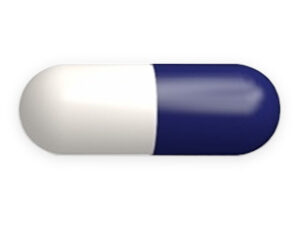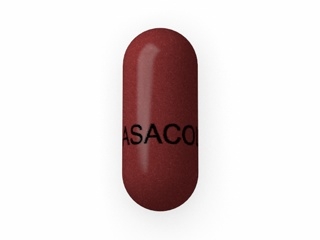

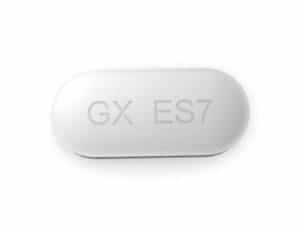
Asacol (Mesalazine/Mesalamine) – Patient Information (UK)
Asacol is a medicine containing mesalazine (also called mesalamine in some countries). It is used to help control inflammation in the gut, mainly in conditions such as ulcerative colitis. This page explains what Asacol is, how it works, how it is taken, key safety information, and practical tips to get the best benefit.
If you have questions about your specific situation—such as dose choice, whether your symptoms are improving, or how to manage side effects—speak with a healthcare professional.
At a glance
- Active ingredient: Mesalazine (mesalamine)
- Common use: Inflammatory bowel disease, especially ulcerative colitis
- Formulation: Enteric-coated tablets designed to release the medicine in the bowel
- Goal: Reduce inflammation and help maintain remission
- How it’s taken: Usually several times daily depending on the prescribed strength and regimen
Basic product information
| Feature | What it means for you |
|---|---|
| Medicine name | Asacol (mesalazine/mesalamine) |
| Therapeutic area | Gastroenterology / inflammatory bowel disease (IBD) |
| How it’s designed to work | Enteric-coated so the drug is released in the intestines where it’s needed |
| Typical dosing schedule | Often multiple times a day; follow the exact instructions on your product label |
| Onset | Some people notice improvement within days, but full benefits may take weeks |
| Monitoring | Some patients need blood and urine tests to check kidney function and inflammation markers |
How Asacol works (mechanism of action)
Mesalazine works directly in the bowel to reduce inflammation. While the exact processes can vary from person to person, mesalazine is thought to:
- Reduce inflammatory chemicals produced in the intestinal lining (local anti-inflammatory action)
- Modulate immune responses that contribute to ongoing gut inflammation
- Support healing of the bowel lining by dampening the inflammatory cascade
Unlike some medicines that suppress inflammation throughout the entire body, mesalazine is designed to act mainly where the disease occurs.
Pharmacokinetics: what happens in the body
Understanding how a medicine is processed can help you take it correctly.
Absorption and release
- Enteric-coated release: Asacol tablets are designed so the medicine passes through the stomach and releases in the small intestine and/or colon.
- Local action: The drug aims to reach inflamed bowel tissue effectively.
Distribution and metabolism
- Metabolism: A portion of mesalazine is metabolised (commonly to an inactive metabolite, often referred to as N-acetyl-5-aminosalicylic acid).
- Concentration in tissues: Therapeutic effects primarily relate to the medication acting within the bowel wall and lumen.
Elimination
- Excretion: Metabolites are largely eliminated via the kidneys into urine (which is why kidney checks may be recommended for some people).
- Half-life: Specific values may vary by patient and formulation; your clinician will interpret monitoring results in context.
Typical use in the UK
In the UK, mesalazine medicines such as Asacol are commonly used for ulcerative colitis to treat:
- Active inflammation (induction of remission)
- Maintenance of remission (helping keep symptoms under control)
Your treatment plan depends on the severity, location, and pattern of your ulcerative colitis, as well as your past response to medicines.
When to take Asacol (timing)
Timing matters because Asacol is designed for release in the bowel. Practical rules:
- Follow your label: Take doses at the times instructed by your healthcare professional.
- Consistency helps: Try to take each dose at similar times each day.
- Swallow whole: Keep tablets intact unless your product instructions specifically allow otherwise. Do not crush or break enteric-coated tablets.
- Use with water: Swallow with a full glass of water.
- If you miss a dose: Take it when you remember unless it is close to the next dose. Do not double up.
If you are unsure about how your specific Asacol strength should be taken, check the patient information leaflet inside the pack or ask a pharmacist.
Food interactions: can you take it with meals?
Mesalazine formulations can be affected by the way they release in the gastrointestinal tract. For many people, taking Asacol with food may be more comfortable, but it is important to follow the guidance provided for your exact product.
In general:
- Avoid skipping meals if you notice stomach discomfort when taking tablets.
- Try to keep routine consistent: taking doses at the same relationship to meals can improve predictability.
- Follow pack instructions for whether food timing is recommended.
If you have been told to take it “on an empty stomach” or “with food” for your specific regimen, follow that advice.
Alcohol interactions
There is no universal rule that patients must completely avoid alcohol with mesalazine. However, ulcerative colitis symptoms can flare with certain lifestyle factors, and alcohol may:
- Increase the risk of GI irritation in some people
- Worsen diarrhoea or abdominal discomfort
- Contribute to dehydration if you experience bowel upset
As a practical approach:
- Start with small amounts and see how your gut responds.
- Stay well hydrated.
- Avoid alcohol if you are currently having a flare and your symptoms worsen with it.
Medicine interactions
Most people do not experience major interactions with mesalazine, but some combinations require extra care—particularly those affecting kidneys or blood counts.
Medicines that may require extra monitoring
- Medicines that can affect the kidneys (for example, certain anti-inflammatory drugs and some other medicines with renal effects)
- Azathioprine or mercaptopurine (used in IBD) – your clinician may monitor blood counts closely
- Warfarin – some patients may need closer clotting monitoring if their dose changes or if inflammation status changes
Practical advice
- Tell your pharmacist/clinician about all medicines you use, including over-the-counter products and herbal supplements.
- Do not start or stop medicines without advice, especially if you have had previous kidney issues or blood count abnormalities.
Interaction information can vary depending on your exact prescription and medical history. If you want, you can ask your pharmacist whether any of your current medicines have specific concerns.
Indications: what Asacol is used for
Mesalazine is used in inflammatory bowel disease, with the most common indication being ulcerative colitis.
- Treatment of active ulcerative colitis (helping reduce inflammation and symptoms)
- Maintenance of remission (helping prevent relapse)
Your prescriber may choose specific formulations or dose strengths depending on:
- Where the inflammation is in the colon
- Disease severity
- How you respond to previous treatments
- Your individual safety considerations (e.g., kidney function)
Dosing: how much and how often?
Dosing varies by the product strength, your age, disease severity, and whether it’s for inducing remission or maintaining it. Always follow the dose written on your label.
General dosing principles
- Use the prescribed schedule (daily total and number of doses per day).
- Do not change the dose without medical advice.
- Finish the course even if you feel better—maintenance therapy often needs ongoing treatment to prevent relapse.
If you are unsure about your regimen, check:
- The instructions printed on the pharmacy label
- The patient leaflet in the pack
- Ask a pharmacist to confirm your dose pattern
Children and adolescents
Mesalazine products may be used in paediatric patients in certain circumstances, but dosing must be individualised by a specialist. If you’re giving this to a child or teenager, ensure their plan is specifically tailored and monitored.
Safety profile: common and serious side effects
Most people tolerate mesalazine well. However, like all medicines, it can cause side effects. The list below is not exhaustive. Seek medical advice promptly if you develop concerning symptoms.
Common side effects
- Headache
- Nausea, mild abdominal discomfort
- Diarrhoea or changes in bowel habits
- Flatulence
Less common but important effects
- Allergic reactions (for example rash, itching, swelling)
- Blood count changes in some patients
- Kidney inflammation (rare, but important to detect early)
Seek urgent medical advice if you notice
- Signs of an allergic reaction: face/lip swelling, difficulty breathing, widespread rash
- Severe or worsening abdominal pain with fever
- Unexplained fever, feeling very unwell, or persistent sore throat
- Reduced urine output, swelling of legs/face, or dark urine
Kidney monitoring
Mesalazine can rarely affect the kidneys. Some people require regular monitoring (commonly including kidney function blood tests and urine tests). Your clinician will decide the schedule based on your risk factors.
Practical use tips for better results
- Take tablets whole and do not crush/break enteric-coated forms.
- Keep a routine: choose times that fit your day to reduce missed doses.
- Track your symptoms: note stool frequency, urgency, blood in stool, and any pain. This helps your healthcare team adjust treatment.
- Don’t stop suddenly if symptoms improve—stopping maintenance therapy can increase relapse risk.
- Plan for refills: keep an eye on your supply to avoid running out.
- Attend monitoring appointments if you’ve been asked to do blood/urine tests.
- Inform clinicians before procedures: tell them you take mesalazine, especially if you have kidney-related concerns.
Alternative options (UK)
Treatment for ulcerative colitis often follows a stepwise approach depending on severity and response. If Asacol is not suitable or not effective, your clinician may consider other medicines or formulations.
Alternative mesalazine preparations
- Other mesalazine brands (different strengths and release patterns)
- Rectal formulations (suppositories/enemas) for distal disease—often used in combination with oral therapy
- Different release technologies designed to target specific segments of the colon
Other medicines used in ulcerative colitis
- Corticosteroids for short-term flare control (not usually for long-term maintenance)
- Immunomodulators (selected cases, under specialist care)
- Biologic therapies for moderate to severe disease not responding to other treatments
The best alternative depends on where the inflammation is, how active your disease is, your medical history, and previous treatment responses.
Market and legal context in the United Kingdom
In the UK, medicines containing mesalazine are widely used for ulcerative colitis and are included within standard care pathways. Availability can vary by brand, strength, and formulation.
Online pharmacies in the UK typically follow regulatory requirements for selling medicines, including checks to ensure products are supplied appropriately and safely. Always ensure you purchase from a reputable source that supplies genuine products and provides clear patient information.
Where relevant, your pharmacist and healthcare team can help confirm that the specific strength and formulation are appropriate for your intended treatment plan.
Recent guidance and clinical practice (overview)
Treatment approaches in ulcerative colitis continue to evolve, but mesalazine remains an important first-line option for many people with mild-to-moderate disease and for maintaining remission.
In current clinical practice, key themes often include:
- Stratified care based on disease severity and extent
- Treat-to-target strategies (aiming for symptom control and mucosal healing where feasible)
- Ongoing maintenance to reduce relapse risk
- Regular monitoring, particularly when risk factors are present (e.g., kidney concerns)
Guidance documents may be updated over time; your clinician can provide the most relevant, up-to-date recommendations for your individual condition and local service.
Delivery and availability in the UK
Availability of Asacol may depend on the exact strength and pack size. Online ordering can provide convenient delivery to your home within the UK, subject to:
- Stock levels at the time of order
- Delivery service coverage by postcode
- Order cut-off times for dispatch
When ordering, check that the product you select matches your intended regimen (e.g., strength, formulation, and pack size). If you’re unsure, contact the pharmacy’s customer service or ask a pharmacist.
FAQ
1) Is Asacol the same as mesalazine?
Yes. Asacol is a brand name that contains mesalazine (also known as mesalamine). The same active drug concept is used, though brands may differ in release characteristics.
2) How long does Asacol take to work?
Some people notice improvement within days, but it can take weeks for full benefits—especially for maintaining remission. Your healthcare professional can advise what timeline to expect for your situation.
3) Can I stop Asacol once I feel better?
It’s important not to stop without advice. For many people with ulcerative colitis, maintenance therapy reduces relapse risk. Stopping can lead to symptom return.
4) What should I do if I miss a dose?
If you remember later, take it as soon as you can. If it’s close to the next dose, skip the missed dose and continue as normal. Do not double the dose.
5) Can I take Asacol with food?
Many patients find it easier with food, but it’s best to follow the patient leaflet instructions for your specific product. Keeping a consistent routine can help.
6) Is it safe to drink alcohol while taking mesalazine?
Small amounts may be tolerated, but alcohol can aggravate bowel symptoms in some people. If you notice worsening diarrhoea, pain, or urgency after drinking, it’s best to avoid alcohol or discuss options with your healthcare team.
7) Do I need blood or urine tests?
Some patients require monitoring, particularly to check kidney function and overall safety. Your clinician will set the schedule based on your risk factors and history.
8) Who should be extra cautious when using Asacol?
Extra attention may be needed if you have a history of kidney problems, previous medicine-related allergic reactions, or other ongoing medical issues. Always discuss your medical history with a pharmacist or clinician.
9) Are there alternatives if Asacol doesn’t help?
Yes. Depending on disease severity and response, your clinician may adjust the mesalazine dose or switch to different mesalazine formulations, add other therapies, or consider non-mesalazine treatment options.
10) What if I get a rash or feel unwell after starting?
Stop and seek prompt medical advice if you develop signs of a possible allergic reaction (such as swelling of the face/lips or difficulty breathing) or if symptoms are severe. Mild, non-urgent effects should still be discussed with a healthcare professional.
Important: This information is intended for general patient guidance. It does not replace advice from a healthcare professional. If you have symptoms that worsen quickly, signs of allergy, or concerns about kidney function, seek medical help promptly.