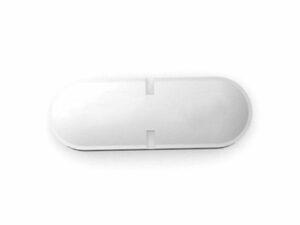


Rulide (Roxithromycin) — Patient Information Guide (UK)
Rulide is a brand of roxithromycin, a macrolide antibiotic used to treat certain bacterial infections. This guide explains what Rulide is, how it works, how it is taken, and important safety information—written in clear, patient-friendly language for the United Kingdom.
Important: Antibiotics are for bacterial infections only. They do not treat viruses such as colds or flu.
1) Basic product information
- Medicine name: Rulide
- Active ingredient: Roxithromycin
- Drug class: Macrolide antibiotic
- How it is commonly supplied in the UK: Oral tablets (strength and pack size may vary by supplier)
- Typical course: Depends on the infection being treated and your clinical assessment
2) How Rulide works (mechanism of action)
Roxithromycin works by stopping bacteria from making the proteins they need to grow and multiply.
- It binds to the 50S ribosomal subunit in susceptible bacteria.
- This interferes with protein synthesis.
- As a result, bacterial growth is inhibited and the infection can resolve.
Roxithromycin is generally effective against a range of bacteria responsible for common community infections, including certain strains of respiratory tract bacteria.
3) Pharmacokinetics (how the body processes it)
Pharmacokinetics describes how the medicine is absorbed, distributed, metabolised, and eliminated.
- Absorption: Roxithromycin is taken by mouth and absorbed through the gut. Food may affect the speed of absorption in some cases, but it is usually well tolerated with meals.
- Distribution: After absorption, it spreads into tissues to reach sites of infection, including parts of the respiratory tract.
- Metabolism: It is metabolised in the body, with multiple metabolic pathways involved.
- Elimination: The drug and its metabolites are eliminated primarily through the liver and kidneys. The exact balance can vary between individuals.
Practical takeaway: Roxithromycin is designed to be taken at regular intervals (often twice daily in many common regimens), which helps maintain effective levels in the body.
4) Typical uses and indications in the UK
Rulide (roxithromycin) is used to treat specific bacterial infections where it is considered appropriate. Indications may vary depending on local guidelines, bacterial susceptibility, and patient factors.
Common indications may include
- Upper respiratory tract infections such as certain forms of tonsillitis and pharyngitis caused by susceptible bacteria
- Lower respiratory tract infections such as acute exacerbations of chronic bronchitis (as advised by a clinician)
- Community-acquired respiratory infections where macrolide antibiotics are suitable
- Skin and soft tissue infections caused by susceptible organisms (depending on severity and local advice)
Note on resistance: Antibiotic choice should consider local resistance patterns and the likelihood of the bacteria being susceptible to macrolides.
5) Dosing and timing
Dosing varies by the specific infection, age, kidney/liver function, and other health factors. Your pharmacy or healthcare professional can confirm the exact regimen for your situation.
General dosing principles
- Follow the dosing schedule on your medicine label.
- Space doses evenly to maintain steady drug levels.
- Complete the course even if you start to feel better (unless you are advised to stop).
Typical adult schedule (often used in practice)
Many common adult regimens for roxithromycin involve twice-daily dosing. However, specific dosing may differ by product formulation and the clinical indication.
Children: Dosing is usually adjusted by weight and age and should be confirmed by a clinician or according to appropriate guidance.
6) How to take Rulide (practical tips)
- Take with water: Swallow the tablet(s) with a full glass of water.
- Keep to the times: Choose times that fit your routine to avoid missed doses.
- If you miss a dose: Take it when you remember unless it is close to the next dose. Do not double up.
- If you vomit shortly after taking a dose: Follow advice from the package information or contact a pharmacist for guidance.
- Duration: Use the full prescribed/labelled course unless told otherwise.
General storage: Keep tablets in their original packaging, at room temperature, away from excessive heat and moisture. Store out of sight and reach of children.
7) Food interactions (can you take it with meals?)
Roxithromycin can generally be taken with food. Food may influence the speed of absorption, but it usually does not prevent the medicine from working.
- If taking it with food helps you tolerate it, this is often a practical option.
- If you have been advised to take it on an empty stomach, follow that instruction.
Tip: If you notice stomach upset, try taking each dose with a light meal (unless told otherwise by your clinician or medicine leaflet).
8) Alcohol and medicine interactions
Alcohol
There is no universally required “no alcohol” rule for roxithromycin in every patient, but alcohol may:
- worsen side effects such as nausea, dizziness, or indigestion,
- reduce your ability to rest during illness, and
- potentially increase strain on the liver in people with underlying liver problems.
Patient-friendly guidance: It is generally best to avoid alcohol while you are unwell and taking an antibiotic, and to ask a pharmacist if you are planning to drink.
Other medicine interactions (important)
Before starting Rulide, consider discussing your medication list with a pharmacist—especially if you take any of the medicines below.
- Medicines that affect heart rhythm (QT prolongation): Some medicines can increase the risk of abnormal heart rhythms. Combining such drugs may increase risk.
- Antacids or medicines affecting gastric pH: These can sometimes alter absorption for some antibiotics (the effect with roxithromycin may be limited, but guidance may differ by product and your circumstances).
- Drugs metabolised by the liver: Roxithromycin can interact with certain hepatic pathways. This may affect drug levels.
- Warfarin: Antibiotics can sometimes affect bleeding risk in patients taking warfarin. Close monitoring (e.g., INR) may be needed.
- Digoxin: Macrolide antibiotics may raise digoxin levels in some cases, increasing risk of side effects.
- Ergot derivatives: There are known interaction concerns with macrolides and ergot-containing medicines.
Always check: Keep your pharmacist informed about prescription medicines, over-the-counter products, and supplements (including herbal products).
9) Safety profile: who should be cautious?
Like all medicines, Rulide can cause side effects. Most people tolerate it well, but some adverse reactions can be serious.
Common side effects
- Nausea
- Vomiting
- Diarrhoea or loose stools
- Stomach pain or indigestion
- Headache
- Skin reactions such as mild rash (less common)
Seek urgent medical advice if you experience
- Signs of an allergic reaction such as swelling of the face/lips, difficulty breathing, or widespread hives
- Severe or persistent diarrhoea, especially with fever or blood/mucus in the stool (possible antibiotic-associated colitis)
- Symptoms of liver problems such as yellowing of the skin/eyes (jaundice), dark urine, severe fatigue, or persistent nausea
- Palpitations, fainting, or severe dizziness (possible heart rhythm issues)
Who should be cautious (talk to a pharmacist/clinician before use)
- People with a history of allergy to macrolides (or related antibiotics)
- People with heart rhythm issues, significant heart disease, or known QT prolongation
- People with liver impairment
- People taking medicines that interact with heart rhythm, digoxin, warfarin, or other relevant drug classes
- People with conditions that increase risk of diarrhoea or gastrointestinal complications
10) Antibiotic stewardship: using Rulide responsibly
Antibiotic resistance is a growing public health challenge. To help protect the effectiveness of antibiotics for the future:
- Use antibiotics only for confirmed or strongly suspected bacterial infections.
- Take the medicine at the correct dose and intervals.
- Do not stop early just because you feel better (unless advised).
- Do not share antibiotics with others.
11) Alternative options
For bacterial infections, different antibiotic families may be considered depending on the likely bacteria, local resistance patterns, and patient-specific factors (e.g., allergies, pregnancy, liver function). Options may include:
- Other macrolides (depending on suitability)
- Penicillins (where appropriate)
- Cephalosporins
- Doxycycline or other alternatives for selected indications
Best choice depends on: the infection type, severity, antibiotic history, and whether the bacteria are likely to be susceptible. A pharmacist or clinician can help choose the most appropriate option.
12) United Kingdom market and legal context (overview)
In the UK, antibiotics are regulated medicines. Availability and supply arrangements may differ depending on product status, packaging, and local pharmacy processes.
- Antibiotics are typically supplied under regulated healthcare pathways.
- Pharmacies follow UK medicines legislation, including appropriate patient counselling and safety checks.
- Prescribing and supply decisions should follow up-to-date clinical guidance and local antimicrobial stewardship programmes.
Recent guidance environment: UK antibiotic guidance emphasises appropriate use, reducing unnecessary prescribing, and choosing targeted therapy based on infection site, severity, and likelihood of bacterial resistance.
13) Recent guidance themes (what matters for patients)
Across UK antimicrobial stewardship efforts, common themes include:
- Right antibiotic, right dose, right duration
- Reviewing therapy if symptoms do not improve within an expected timeframe
- Considering local resistance and individual risk factors
- Encouraging symptom control alongside antibiotics when appropriate
If you’re not improving, worsen, or develop new symptoms during treatment, seek medical advice promptly.
14) Delivery and availability in the UK (online pharmacy considerations)
Availability of Rulide and delivery options can vary by online pharmacy and stock levels. Many UK pharmacies offer:
- Home delivery with tracking where available
- Standard and express delivery depending on location
- Secure packaging to protect tablets from moisture and damage
- Customer support for ordering and medicine-safety queries
Check before ordering: Confirm tablet strength, quantity, and delivery times shown at checkout. If you have missed a dose or need a course extension, contact the pharmacy for advice.
15) Side effects management (what you can do)
If you experience mild side effects:
- For nausea/indigestion: taking doses with food may help.
- For diarrhoea: drink fluids to prevent dehydration. Do not take anti-diarrhoeal medicines unless advised, especially if diarrhoea is severe or contains blood.
- For headaches: consider simple measures like rest and fluids; ask a pharmacist about suitable pain relief if needed.
Do not ignore severe symptoms—seek urgent advice as outlined in the safety section.
16) FAQ — Frequently asked questions
How soon will Rulide start working?
Many people begin to notice improvement within 24–48 hours, depending on the infection and its severity. If you feel no better after a few days, or your symptoms worsen, contact a clinician for review.
Should I take Rulide with food?
It is often taken with food if that helps reduce stomach upset. If your medicine leaflet or local advice specifies an empty stomach, follow that instruction.
Can I drink alcohol while taking Rulide?
It’s generally best to avoid alcohol while you’re unwell and on antibiotics. Alcohol may worsen side effects and may be risky for people with certain health conditions. If you’re unsure, ask a pharmacist.
What if I miss a dose?
Take it as soon as you remember unless it is close to the next dose. Do not take a double dose to make up for a missed one.
Can I stop Rulide early if I feel better?
It’s usually important to complete the full course unless advised otherwise. Stopping early can contribute to treatment failure and resistance.
Are there people who should not use roxithromycin?
People with a history of allergy to macrolides, or those at higher risk of heart rhythm problems, or with significant liver issues may need extra caution. Always check with a pharmacist if you have any relevant conditions or medicines.
What interactions should I watch for?
Important interaction risks can include medicines that affect heart rhythm, digoxin, warfarin, and some other drugs metabolised by the liver. Always review your medication list with a pharmacist.
Can Rulide cause diarrhoea?
Yes. Mild diarrhoea can occur. Seek prompt advice if diarrhoea is severe, persistent, or contains blood/mucus, or if you develop fever or significant abdominal pain.
Is Rulide suitable for everyone in pregnancy or breastfeeding?
Suitability depends on your personal situation and the infection being treated. If you are pregnant, trying to conceive, or breastfeeding, ask a pharmacist or clinician for tailored advice.
Product summary
Rulide (roxithromycin) is an oral macrolide antibiotic used for certain bacterial infections. It works by interfering with bacterial protein production, helping your body clear the infection. For best results, take it at the recommended times, follow the course duration, and be alert for side effects—especially allergic reactions, severe diarrhoea, and signs of liver problems.
If you have questions about interactions, dosing timing, or whether Rulide is appropriate for your condition, speak to a pharmacist for guidance.