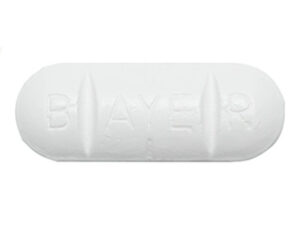


Albendazole Tablets (UK) — Patient Information
Albendazole is an anti-parasitic medicine used to treat a range of worm infections. It works by stopping the parasite’s ability to use glucose, which leads to energy depletion and eventual elimination of the worm from the body. This page explains how albendazole works, how it is taken, common uses, safety considerations, and practical tips—tailored for customers in the United Kingdom.
Basic product information
| Item | Details |
|---|---|
| Generic name | Albendazole |
| What it is | Anti-parasitic (anthelmintic) medicine |
| Common strengths | Varies by brand (commonly 200 mg tablets) |
| How it is taken | By mouth, usually as a single dose or for several days depending on the infection |
| Who it is for | People with confirmed or strongly suspected parasitic infections, including children in some circumstances |
| UK availability | Availability may vary by brand and regulatory route; check your local product page for exact details |
How albendazole works (mechanism of action)
Albendazole belongs to the benzimidazole group of anti-parasitic medicines. It acts mainly on the parasite’s metabolism:
- Blocks energy production: Albendazole inhibits the parasite’s microtubule formation.
- Stops glucose uptake: This reduces the parasite’s ability to utilise glucose effectively.
- Leads to loss of function: With depleted energy, the parasite can’t maintain normal structure and movement.
- Parasite clearance: The infection is gradually cleared as the worms die and are expelled or broken down by the body.
The exact timing of improvement depends on the specific worm species and the site of infection.
Pharmacokinetics (how the body handles albendazole)
Pharmacokinetics describes how the medicine is absorbed, distributed, metabolised, and eliminated.
- Absorption: Albendazole absorption after oral dosing can be variable. Taking it with food (especially a fatty meal) can improve absorption.
- Metabolism: Albendazole is metabolised in the liver to an active metabolite (albendazole sulfoxide).
- Distribution: The active metabolite distributes throughout the body, including many tissues where parasites may live.
- Elimination: Metabolites are cleared mainly through the liver and then eliminated via the kidneys. Small amounts may also be excreted in bile.
- Duration of effect: The medicine works over time while the parasite is affected; symptoms may not disappear immediately after the dose.
If you are using albendazole for longer courses (e.g., certain tissue infections), your prescriber/clinician may consider monitoring liver function and blood counts, depending on the indication and duration.
Typical uses in the UK
Albendazole is used for a variety of intestinal and tissue worm infections. Common indications include:
- Pinworm (threadworm) — Enterobius vermicularis
- Roundworm (ascariasis) — Ascaris lumbricoides
- Whipworm (trichuriasis) — Trichuris trichiura
- Hookworm infections
- Other selected parasitic infections depending on local guidance, product licence, and clinical assessment
Tissue forms of parasitic infection (for example, hydatid disease caused by Echinococcus) require special consideration, specialist assessment, and often longer treatment courses. These situations are not managed the same way as simple gut worm infections.
Indications and when it may be considered
Albendazole may be considered when symptoms and/or testing suggest a parasitic infection. In the UK, many patients seek treatment for common intestinal worms, particularly pinworm.
Common symptoms that may be associated with worm infections include:
- Itching around the anus (often worse at night), particularly with pinworm
- Abdominal discomfort
- Nausea or loss of appetite
- Diarrhoea or irregular stools
- Visible worms in stool or bedding (not always present)
- Unexplained tiredness in some cases (especially with hookworm)
If you suspect a worm infection, it can help to:
- Confirm the most likely type of infection (where possible).
- Consider whether other household members may also need treatment (particularly for pinworm).
- Follow hygiene measures to reduce re-infection.
Dosing: typical regimens and timing
Dosing depends on the type of infection, age, body weight, and the product licence. Always check the specific instructions provided with your brand or by your healthcare professional.
Common dosing examples (gut worm infections)
- Pinworm (threadworm): Often treated with a single dose, with a repeat dose about 2 weeks later to help break the life cycle.
- Ascariasis / trichuriasis / hookworm: Dosing may be single or several days depending on infection type and severity.
Timing of doses
- Single-dose treatment: Take it at a convenient time on the day you start.
- Multi-day courses: Try to take each dose at similar times each day.
- Repeat-dose schedules: For certain infections (like pinworm), a second dose is crucial to prevent re-infection.
If you miss a dose, check the product instructions. In many cases, taking it as soon as you remember may be advised, but follow the guidance relevant to your regimen.
Food interactions and what to eat with albendazole
Food can affect absorption. A general practical approach is:
- Take with food if possible: Taking albendazole with a meal (especially one with fat) may improve how much medicine is absorbed.
- Avoid taking on a completely empty stomach: If you do so, absorption may be less reliable for some people.
If your stomach is sensitive, choose a meal that is easy to digest. If you have ongoing gastrointestinal symptoms, ensure you stay hydrated.
Alcohol and medicine interactions
Alcohol
There is no widely established direct “dangerous” interaction between albendazole and occasional alcohol for most people. However, alcohol can:
- Increase the risk of stomach upset (nausea, dizziness) when you’re already unwell.
- Potentially affect the liver indirectly, which is relevant because albendazole is metabolised in the liver and certain longer courses may carry liver-related risk.
If you are taking albendazole for a prolonged course or have liver conditions, it is sensible to avoid alcohol and discuss your situation with a clinician.
Medicines interactions
Albendazole can interact with certain medicines, most notably those that alter liver enzymes. The most important interactions to check include:
- Enzyme-inducing medicines (may lower albendazole levels), such as some anti-epileptics (e.g., carbamazepine, phenytoin, phenobarbital) — this depends on your specific regimen.
- Other liver-metabolised medicines — if multiple medicines affect the liver, risk may increase.
- Medicines that affect gut absorption — can indirectly influence effectiveness.
Tell your pharmacist about all medicines you take, including:
- Prescription medicines
- Over-the-counter treatments
- Herbal supplements and remedies
- Vitamin preparations
Safety profile: what to expect and when to seek advice
Like all medicines, albendazole can cause side effects. Most people tolerate it well, particularly with short courses. Side effects are usually mild and temporary.
Common side effects
- Headache
- Nausea or stomach discomfort
- Abdominal pain
- Dizziness
- Diarrhoea or changes in bowel habits
Less common but important risks
- Liver enzyme changes: Risk is higher with longer courses. Symptoms to watch for include yellowing of the eyes/skin (jaundice), dark urine, or unusual fatigue.
- Blood count changes: Rare, more relevant during extended treatment.
- Allergic reactions: Seek urgent help if you develop swelling of the face/lips, wheezing, severe rash, or trouble breathing.
Who should use extra caution
- Pregnancy: Albendazole may not be suitable in early pregnancy. If you are pregnant or trying to conceive, discuss before use.
- Breastfeeding: Advice depends on the specific situation and duration. Speak to a clinician or pharmacist for guidance.
- Liver problems: Extra caution and potential monitoring may be recommended, especially for longer courses.
- Children: Dosing and suitability depend on age and weight. Use only as directed for the specific product.
Practical use tips for the best outcome
Worm treatments can be very effective, but re-infection is common—particularly for pinworm—if hygiene measures are not followed. The tips below are designed to improve outcomes and reduce recurrence.
- Follow the repeat-dose schedule: For pinworm, the second dose after about 2 weeks is often essential.
- Treat household members if advised: If pinworm is suspected, treating close contacts at the same time may prevent “ping-pong” re-infection.
- Hygiene is key:
- Wash hands thoroughly, especially before eating and after using the toilet.
- Keep nails short to reduce egg transfer from scratching.
- Change underwear daily during treatment, and consider washing bedding regularly.
- Manage itching: Skin irritation can worsen with scratching. Gentle cleaning and barrier creams may help comfort (avoid scratching where possible).
- Complete the course if longer therapy is required: Even if symptoms improve, stopping early can reduce effectiveness.
If symptoms persist after correct treatment and hygiene measures, reassessment may be needed—either because the infection is different from what was assumed, or because re-exposure occurred.
Alternative options
Several treatments may be available depending on the worm type, local guidance, age, and health status. Alternatives to albendazole may include:
- Mebendazole — another commonly used anti-parasitic for intestinal worm infections
- Levamisole — used in some settings for specific infections (availability may vary)
- Pyrantel pamoate — sometimes used for pinworm; availability and recommendations vary
- Specialist therapies — for tissue infections, treatment plans may differ and may involve longer regimens or additional medicines
The best option depends on the infection type and individual circumstances. A pharmacist can help you choose the most appropriate product for the suspected parasite.
Market and legal context in the United Kingdom
In the UK, access to medicines is regulated under the UK medicines framework. Worm treatments are categorised according to their safety profile and risk of misuse. Product availability can differ between:
- Licensed pharmacy supply
- Other routes of sale depending on classification
- Brand-specific licences and authorised indications
For online pharmacies, responsible supply includes screening for suitability (for example, pregnancy status, age/weight considerations, and interactions), and clear patient instructions so that customers use the medicine correctly.
Always check the product page for specific indications, dosing instructions, and suitability for children or special populations—these may vary by brand and formulation.
Recent guidance and clinical considerations (UK context)
Guidance for worm infections in the UK commonly emphasises:
- Correct identification of the likely worm type (especially distinguishing pinworm from other causes of itching or abdominal symptoms).
- Repeat dosing where the life cycle requires it (notably for pinworm).
- Household measures to prevent re-infection (washing, hygiene, and treating contacts when appropriate).
- Monitoring for side effects, particularly with longer treatment courses and in people with liver issues.
Local clinical pathways may also differ between settings such as general practice, paediatrics, travel medicine, and specialist services for tissue infections.
Delivery and availability
Availability depends on the specific brand, dosage form, and regulatory status. When ordering online from the UK, delivery options typically include:
- Standard delivery (usually within a few working days)
- Express delivery (where offered)
- Tracking for many orders
Before you order, check:
- Strength and pack size to ensure you can complete the intended regimen (including any repeat dose).
- Expiry dates listed for the batch you will receive (often visible in the product listing).
- Storage instructions (typically store at room temperature away from moisture and heat).
If you need treatment for a household, consider ordering enough for everyone who may be advised to take the medicine at the same time.
FAQ — Albendazole tablets
1) What is albendazole used for?
Albendazole is an anti-parasitic medicine used for a range of worm infections. In the UK, it is commonly used for intestinal worms such as pinworm (threadworm) and other gut worm infections, depending on the product’s licensed indications and the situation.
2) How long does it take to work?
Many people notice symptom improvement within a short time, but the parasites may require time to clear. For pinworm, a repeat dose is often needed around 2 weeks later to break the life cycle.
3) Can I take albendazole with food?
Yes. In many cases, taking albendazole with food can improve absorption. It’s often best to take it with a meal rather than on an empty stomach.
4) Do I need to take a second dose?
It depends on the infection. For pinworm, many regimens include a repeat dose about 2 weeks after the first. Always follow the dosing plan for your specific infection.
5) Is albendazole safe for children?
It can be used in children for certain infections, but dosing is weight- and age-dependent. Use only as directed for the specific product and ensure the dose is appropriate.
6) What should I do if I forget a dose?
This depends on the regimen. Check the instructions for your particular course. If you are unsure, contact a pharmacist for advice on how to proceed.
7) What side effects are common?
Common side effects may include headache, nausea, abdominal discomfort, dizziness, or diarrhoea. These are usually mild and pass.
8) When should I seek medical advice?
Seek urgent help if you have signs of an allergic reaction (e.g., swelling, difficulty breathing, severe rash). Contact a clinician promptly if you develop symptoms suggesting liver problems (such as jaundice or dark urine), or if symptoms worsen or do not improve after treatment.
9) Can I drink alcohol while taking albendazole?
Occasional alcohol is not generally described as a direct interaction, but alcohol can worsen nausea and may increase strain on the liver. If you are on a longer course or have liver issues, it’s safest to avoid alcohol and ask a pharmacist for personalised advice.
10) What if symptoms return after treatment?
Re-infection can occur, particularly for pinworm. Make sure household hygiene measures are followed and that any repeat dosing is completed. If symptoms persist despite correct treatment and hygiene, the infection type may differ and reassessment may be needed.
Important: This information is intended to help you understand albendazole. Always read the leaflet supplied with your product and follow the exact dosing instructions provided for your specific treatment plan.