
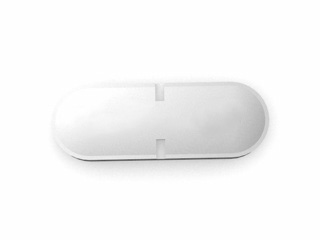


Praziquantel (Praziquantel Tablets) — Patient Information (UK)
Praziquantel is an antiparasitic medicine used to treat infections caused by certain worms (helminths). It is widely used in the United Kingdom for specific parasitic conditions, particularly those affecting the intestines and urinary or genital tracts. This page explains how praziquantel works, how it is used, what to expect, and key safety information.
Basic product information
- Medicine name: Praziquantel
- What it’s used for: Treatment of selected parasitic worm infections
- Common formulation: Tablets (strength may vary by brand/manufacturer)
- How it works: Kills susceptible parasites by disrupting their movement and protective outer surface
- Typical course: Often a single day treatment or divided doses over one or two days, depending on the infection
Availability of specific brand names and tablet strengths can vary. Your pharmacist or clinician can confirm the exact product you are using.
How praziquantel works (mechanism of action)
Praziquantel targets adult forms of certain parasitic worms, mainly flukes and tapeworms. It works in a few key ways:
- Causes paralysis: It triggers uncontrolled muscle contractions, leading to paralysis.
- Disrupts the body surface: It affects the parasite’s outer covering, making it more vulnerable to the body’s immune response.
- Facilitates clearance: Once the parasite is damaged, the body can eliminate it.
Praziquantel is especially effective against parasites at stages where the medicine can reach and act on them. For some infections, multiple treatments may be required depending on the life cycle of the parasite.
Pharmacokinetics (what the body does to the medicine)
While exact values can vary between individuals, praziquantel is generally characterised by:
- Absorption: It is absorbed from the gut and reaches peak blood levels within a few hours.
- Distribution: It distributes into tissues and can reach sites affected by parasites.
- Metabolism: It is extensively metabolised by the liver.
- Elimination: The metabolites are mainly excreted in urine (and to some extent in faeces).
Because metabolism occurs in the liver, severe liver impairment may affect how praziquantel behaves in the body. If you have liver disease, discuss this with a healthcare professional before use.
Typical uses and indications (what praziquantel treats)
Praziquantel is used for several parasitic infections. Commonly discussed indications include:
1) Intestinal or tissue fluke infections
- Schistosomiasis (bilharzia): Infection with Schistosoma species.
- Some fluke infections depending on the species and location in the body.
2) Tapeworm infections
- Some tapeworm species causing intestinal symptoms.
- In certain cases, treatment may depend on the specific tapeworm and where it is located.
The exact indication should be confirmed based on your diagnosis and test results. If your infection is suspected but not confirmed, it’s important to obtain appropriate medical advice, because different parasites require different treatments.
How to take praziquantel (timing and dosing)
Dosing depends on the specific infection, the parasite species, your weight, age, and other individual factors. Use the dose schedule provided by your healthcare professional or follow the instructions supplied with your product.
General timing tips
- Consistency matters: Try to take doses at the times you are instructed.
- Finish the course: Even if you feel better, completing the regimen is important.
- If you vomit soon after a dose: Seek advice—timing of re-dosing can be affected by how soon vomiting occurs.
Typical adult dosing patterns (illustrative)
Many praziquantel regimens are weight-based. Example schedules used in clinical practice may include:
| Condition (general) | Common approach | Typical timing |
|---|---|---|
| Schistosomiasis | Weight-based total dose given in divided tablets | Often one day (sometimes split across the day) |
| Some tapeworm infections | Weight-based single or short course | Often one day; repeat may be considered for certain species |
| Some fluke infections | Weight-based regimen | May be one day or spread over a couple of days |
Important: The table provides an overview of common patterns and does not replace personalised dosing instructions. Always use the dosing schedule that matches your diagnosis and tablet strength.
How to take the tablets
- With food: Praziquantel is often taken with meals to improve tolerability and may improve absorption for some people.
- Swallow whole: Swallow tablets with water unless the product instructions say otherwise.
- Spacing doses (if split): Follow the time intervals provided for your regimen.
Food interactions and absorption
Praziquantel absorption can be influenced by food intake. Many regimens advise taking it with a meal to improve how well the medicine is absorbed and to reduce stomach upset.
- Take with food when possible: Helps with tolerability and may support consistent absorption.
- Avoid skipping meals: If you become nauseated easily, eating with the dose can be helpful.
- Fasting may reduce exposure: If you’re instructed to take with food, follow that advice.
If you have dietary restrictions or swallowing difficulties, speak to a pharmacist. They can advise on practical ways to take your tablets safely.
Alcohol and medicine interactions
You may be advised to avoid alcohol while taking praziquantel, particularly if you experience dizziness, drowsiness, or stomach upset. While not every interaction is identical for every person, alcohol can worsen side effects and can strain your body during illness.
- Recommended: Limit or avoid alcohol during treatment and for at least 24 hours after your last dose.
- Be cautious: If you feel unwell, dizzy, or drowsy, do not drive or operate machinery.
Also consider alcohol-related interactions with other medicines you may be taking. If you take other drugs (including antibiotics, anticonvulsants, or medicines for infections), ask a pharmacist to review potential interactions.
Safety profile and side effects
Like all medicines, praziquantel can cause side effects. Many are mild and temporary, but some require urgent medical attention.
Common side effects
- Headache
- Nausea
- Stomach discomfort
- Diarrhoea
- Dizziness
- Fatigue
- Fever or flushing
Less common but important effects
- Allergic reactions (itching, rash, swelling)
- More significant dizziness or unsteadiness
- Worsening symptoms shortly after starting can occur in some parasite infections due to parasite death and inflammation
Seek urgent medical help if you develop
- Signs of severe allergy: trouble breathing, swelling of face/lips/throat, severe rash
- Severe or persistent vomiting or inability to keep tablets down
- Severe headache, confusion, or neurological symptoms (especially if you have known exposure to parasites that may affect the nervous system)
- Chest pain or fainting
If you’re treating a parasite infection that can cause inflammation in sensitive organs, your healthcare professional may want close follow-up.
Practical use tips (to help your treatment go smoothly)
- Plan your day: Many people feel nausea or dizziness—consider avoiding strenuous activities.
- Hydration helps: Drink water regularly, especially if you have diarrhoea.
- Take with food: This can improve comfort and may support absorption.
- Do not stop early: Completing the course improves outcomes.
- Know your diagnosis: Different parasites require different regimens, so confirm what you’re treating.
- Follow hygiene advice: Prevent re-infection where relevant (hand hygiene, safe water, and food safety).
Medicine interactions (what to consider)
Praziquantel may interact with other medicines due to how it is metabolised in the liver. Some drugs can change praziquantel levels, potentially affecting effectiveness or side effect risk.
Tell your pharmacist or clinician about all medicines you take, including:
- Prescription medicines
- Over-the-counter medicines
- Herbal products and supplements
- Medicines for seizures, fungal infections, or certain antibiotics
Important: Because interaction patterns can vary, the safest approach is to have a pharmacist check your specific regimen before starting praziquantel.
Special situations and precautions
Children
Praziquantel dosing for children is typically weight-based. Correct dosing is essential; discuss dosing with a healthcare professional.
Pregnancy and breastfeeding
If you are pregnant or breastfeeding, talk to a healthcare professional before using praziquantel. They can help balance the benefits of treating the infection against any potential risks.
Liver impairment
Because praziquantel is metabolised in the liver, liver impairment may require caution or adjustment. Seek medical advice if you have a history of liver disease.
Eye involvement (important)
Some parasitic infections can involve the eyes or other sensitive tissues. This can affect treatment decisions and the need for additional therapy or specialist care. If you have visual symptoms or a history of such exposure, obtain prompt medical guidance.
Monitoring and follow-up
Follow-up may include:
- Symptom review: improving symptoms over days to weeks
- Stool/urine testing: depending on the parasite type
- Further treatment: if tests remain positive or if reinfection is suspected
In some infections, parasites die and inflammatory reactions can continue for a short period after treatment. If symptoms worsen significantly or new symptoms appear, seek medical advice.
Alternative options for parasite infections
There is no single “best” alternative to praziquantel for all parasitic diseases. Treatment depends on the parasite species and where it is located in the body. Possible alternatives (depending on the diagnosis) can include:
- Other antiparasitic medicines such as artemether-lumefantrine (for malaria, not worms), albendazole or mebendazole (for some intestinal worms), depending on what infection you have.
- Different regimens for flukes vs tapeworms vs schistosomiasis (praziquantel is often preferred for certain species).
- Supportive care (anti-nausea medicine, hydration, symptom relief) to improve comfort during treatment.
A pharmacist or clinician can help confirm which medicine is appropriate based on tests, symptoms, travel history, and exposure risks.
UK market and legal context (what it means for you)
In the United Kingdom, availability of medicines depends on classification and licensing. Praziquantel products may be subject to prescribing requirements and/or professional supervision depending on the specific product, strength, and licensed indications. Your local regulations and the medicine’s supply arrangements determine how it is obtained and dispensed.
For the safest use, always rely on official product instructions and follow the advice of a qualified healthcare professional. If you are unsure whether praziquantel is appropriate for your condition, get proper diagnostic confirmation.
Recent guidance (general awareness): Public health advice in the UK continues to emphasise accurate diagnosis, species-specific treatment, and attention to follow-up testing for certain parasites. For travel-related and water-borne infections, guidance commonly stresses prevention of reinfection through safe water and hygiene measures.
Delivery and availability (online pharmacy information)
Online availability can vary by pharmacy and stock levels. When praziquantel tablets are listed, you can typically expect:
- Pharmacy review: your details and product suitability may be checked before dispatch.
- Secure packaging: discreet packaging for privacy.
- Estimated delivery: provided at checkout; times vary by courier and location across the UK.
- Temperature considerations: most tablets do not require special cold-chain delivery, but always store at room temperature as stated on the pack.
If your needed strength or pack size is not in stock, some pharmacies can offer alternatives or advise when restocking is expected.
After taking praziquantel: what to expect
- Symptoms may improve: nausea, discomfort, or fever may settle over a few days.
- Temporary inflammation can occur: If your infection causes ongoing inflammation, symptoms may briefly fluctuate as parasites die.
- Stool/urine tests: may remain positive for some time, depending on the parasite.
- Follow-up: may be scheduled to confirm clearance.
FAQ
How quickly does praziquantel work?
Some effects may be noticed within a day, but the time to symptom improvement depends on the type of parasite, the severity of infection, and inflammation in affected tissues. Follow-up testing may be needed to confirm treatment success.
Can praziquantel be taken with food?
Yes—often it is recommended to take praziquantel with a meal to improve tolerability and support absorption. Follow the instructions for your specific product and regimen.
What if I miss a dose?
Because dosing schedules vary by infection, the advice for missed doses can differ. If you miss a dose, contact a pharmacist for specific guidance on whether to take it later or adjust the schedule.
Will I feel side effects?
Not everyone experiences side effects, but common ones include headache, nausea, dizziness, and stomach upset. If side effects are severe or worsening, seek medical advice.
Is it safe to drive after taking praziquantel?
Praziquantel can cause dizziness or tiredness in some people. If you feel dizzy, avoid driving and operating machinery until you feel fully alert.
Can I drink alcohol while taking praziquantel?
It’s best to limit or avoid alcohol during treatment and for a short time after your last dose, because alcohol may worsen nausea, dizziness, and overall wellbeing. If you have a medical condition affecting the liver or take other medicines, ask a pharmacist for personalised guidance.
Do I need a repeat dose?
Sometimes yes, depending on the parasite species and location, and based on follow-up tests or ongoing symptoms. Only a clinician can confirm the need for repeat treatment for your specific diagnosis.
What should I tell my pharmacist before taking praziquantel?
Inform them about:
- Any allergies you have
- All medicines and supplements you take
- Any liver problems
- Pregnancy or breastfeeding
- Previous parasite treatments and outcomes
- Any eye symptoms or neurological symptoms
How do I prevent getting infected again?
Prevention depends on the parasite. Common advice includes:
- Wash hands thoroughly
- Use safe drinking water and avoid contaminated sources
- Follow food safety practices
- Use appropriate precautions during travel and around freshwater
Disclaimer: This information is designed to help you understand praziquantel and prepare for treatment. It does not replace advice from a healthcare professional. If you have questions about your specific infection, dosage, or interactions with other medicines, contact a pharmacist or clinician.