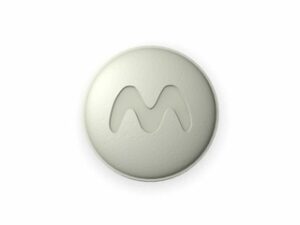

Arcoxia (Etoricoxib) – Patient Guide (UK)
Arcoxia is a medicine containing etoricoxib, a type of anti-inflammatory medicine often referred to as a COX-2 inhibitor (a “coxib”). It is used to help reduce pain and inflammation in certain conditions.
This guide explains how Arcoxia works, what it’s used for, how it is taken, key safety considerations, and practical tips for everyday use in the UK. If you have questions about your personal situation, speak to your healthcare professional.
1. Basic product information
- Active ingredient: Etoricoxib
- Brand name: Arcoxia
- Medicine type: NSAID (anti-inflammatory drug), selective COX-2 inhibitor
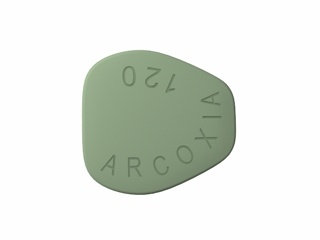
- Available strengths: Common tablet strengths include 30 mg, 60 mg, 90 mg and 120 mg (availability may vary by pharmacy)
- How it’s taken: Usually once daily (exact regimen depends on the condition and the prescribed plan)
In the UK, Arcoxia is regulated as a prescription medicine. Your local pharmacy can advise on availability and how to obtain it.
2. Mechanism of action (how Arcoxia works)
Inflammation and pain signals in the body involve the production of “prostaglandins”—chemicals that contribute to:
- pain (sensitising nerves)
- inflammation (swelling and irritation)
- fever and other inflammatory responses
Prostaglandins are produced by enzymes called cyclo-oxygenases (COX). There are two main forms: COX-1 and COX-2.
Etoricoxib selectively inhibits COX-2, which helps reduce the prostaglandins associated with inflammation and pain. Because COX-2 selective medicines can affect the balance of protective prostaglandins differently than non-selective NSAIDs, they may have a different side-effect profile (notably around the heart and stomach/bowel risk).
3. Pharmacokinetics (how the body handles etoricoxib)
Pharmacokinetics describes what happens after you take the medicine.
- Absorption: Etoricoxib is absorbed after oral dosing.
- Time to peak concentration: Peak blood levels typically occur within a few hours after taking a tablet.
- Food effects: Food may not significantly reduce overall exposure, but can affect the speed of absorption. The practical consequence is usually minor—follow your dosing plan.
- Distribution: It circulates in the bloodstream and distributes through the body.
- Metabolism: Mainly processed by the liver (metabolised to inactive products).
- Elimination: The inactive metabolites are cleared primarily via the kidneys.
Because liver metabolism plays an important role, dose selection and safety monitoring are important for people with liver problems. Kidney function also matters, especially if you are older, dehydrated, or taking certain medicines.
4. Typical use in the UK (indications)
Arcoxia is used to treat pain and inflammation associated with the following conditions:
- Osteoarthritis (OA): Painful inflammation of joints, commonly in hips, knees, and hands.
- Rheumatoid arthritis (RA): Inflammatory joint disease (often in combination with other treatments).
- Ankylosing spondylitis (AS): A condition causing inflammation in the spine and large joints.
- Acute gouty arthritis: Short-term treatment to reduce gout flare pain and inflammation.
- Dental pain: Short-term management of acute dental pain (for example after dental procedures).
The exact strength and duration depend on the condition and individual risk factors.
5. Timing and how to take Arcoxia
General timing: Arcoxia is typically taken . Try to take it at the same time each day. If you have been given a different schedule, follow that plan.
- Take with water: Swallow the tablet with a full glass of water.
- Consistency: Taking at the same time helps maintain stable levels.
- Missed dose: If you miss a dose, take it when you remember unless it is close to the next dose. Do not take a double dose.
- Stop if you develop serious symptoms: See the “Safety profile” section for warning signs.
Duration matters: Use the lowest effective dose for the shortest possible time, especially for short-term pain conditions.
6. Food interactions (what to know about meals)
Arcoxia can be taken with or without food in most cases. Food may slightly affect the speed at which it is absorbed, but it generally does not meaningfully change overall effectiveness for many people.
Practical advice:
- If you experience stomach discomfort, taking it with food may help.
- Avoid very heavy alcohol intake around dosing (see alcohol section).
- If you have reflux, gastritis, or a history of ulcers, discuss risk-reduction strategies with a healthcare professional.
7. Alcohol and medicine interactions
Alcohol
Alcohol can irritate the stomach lining and may increase the risk of stomach bleeding, especially when combined with NSAIDs. Alcohol can also affect the liver, which is relevant because etoricoxib is metabolised in the liver.
- General approach: Keep alcohol intake modest and avoid binge drinking.
- If you have liver disease: Avoid alcohol and seek personalised advice.
- If you develop symptoms: Seek help for black stools, vomiting blood, severe abdominal pain, or jaundice.
Important medicine interactions
Arcoxia may interact with several commonly used medicines. Always inform your healthcare professional or pharmacist about everything you take, including over-the-counter medicines and herbal products.
Examples of medicines that may require caution or monitoring:
- Other NSAIDs (e.g., ibuprofen, naproxen, diclofenac): using multiple NSAIDs together increases side-effect risk.
- Blood thinners (e.g., warfarin): may increase bleeding risk; clotting tests may need close monitoring.
- Antiplatelet medicines (e.g., aspirin in certain doses): may change bleeding risk.
- Diuretics (water tablets) and ACE inhibitors/ARBs (blood pressure medicines): the combination with NSAIDs can affect kidney function.
- Lithium: NSAIDs can raise lithium levels (risk of toxicity).
- Methotrexate: interaction potential may require monitoring, especially at higher doses.
- Cyclosporin/tacrolimus: may increase kidney-related risk.
- Selective serotonin reuptake inhibitors (SSRIs) and serotonin-noradrenaline reuptake inhibitors (SNRIs): combining can raise gastrointestinal bleeding risk.
- Digoxin: may require monitoring if co-administered.
- CYP450-metabolised medicines: etoricoxib can affect drug metabolism pathways. Your pharmacist can check key interactions.
Key takeaway: Avoid starting or stopping other medicines (including painkillers) without advice, because interaction risk can be significant.
8. Dosing (what typical dosing looks like)
Dosing depends on the condition being treated and your risk factors (for example cardiovascular, kidney, liver, and stomach health). Use the lowest effective dose and shortest possible duration.
The table below gives commonly used dosing ranges in practice. Your local prescription/plan will define the exact dose for you.
| Condition | Typical once-daily use | Notes on duration |
|---|---|---|
| Osteoarthritis | Often 30 mg once daily (may be adjusted) | Use the lowest effective dose for symptom control. |
| Rheumatoid arthritis | Often 60 mg once daily (may be adjusted) | Consider ongoing risk-benefit for long-term use. |
| Ankylosing spondylitis | Often 60 mg once daily (may be adjusted) | Review regularly for continued need. |
| Acute gout flare | Often 120 mg once daily | Short-term only. Follow the recommended course for acute flares. |
| Dental pain | Often 90 mg once daily | Short-term only. Use for the shortest time needed. |
Maximum duration and strength: COX-2 inhibitors have dose-related risks. Your healthcare plan typically sets an upper limit for dose and/or days of use. Do not exceed these.
If you are older, have kidney impairment, or have cardiovascular risk factors, your clinician may recommend a lower dose.
9. Safety profile (important warnings and side effects)
Serious risks to be aware of
Like other NSAID medicines, Arcoxia may carry risks—especially when used at higher doses or for longer periods. The following are key safety considerations:
- Cardiovascular (heart and circulation): Increased risk of heart attack or stroke may occur, particularly with higher doses and prolonged use.
- Blood pressure: COX-2 inhibitors can raise blood pressure; monitoring may be needed.
- Kidney effects: NSAIDs can reduce kidney blood flow, potentially worsening kidney function—especially if you are dehydrated or have existing kidney disease.
- Gastrointestinal (stomach/bowel): Although COX-2 selectivity may reduce some stomach ulcer risk compared with non-selective NSAIDs, GI bleeding and ulcers can still occur.
- Liver problems: Rarely, liver injury can occur. Seek help if you develop yellowing of eyes/skin (jaundice) or dark urine.
- Allergic reactions: Severe allergic reactions are rare but can occur.
Seek urgent medical advice if you experience
- chest pain, shortness of breath, weakness on one side of the body, or sudden trouble speaking
- black/tarry stools, vomiting blood, or severe stomach pain
- swelling of the face, lips, tongue, or difficulty breathing
- signs of serious skin reactions (widespread rash, blistering)
- unexplained reduced urine output or sudden fluid retention
Common side effects
Not everyone experiences side effects. Possible effects include:
- headache
- dizziness
- indigestion, nausea
- swelling (fluid retention), particularly in susceptible individuals
- raised blood pressure
Less common but important effects
- stomach ulceration or bleeding
- kidney function changes
- liver enzyme changes
Report side effects to a healthcare professional. If you feel unwell in any concerning way, get advice promptly.
10. Practical use tips (getting the best and safest results)
- Use the lowest effective dose: Higher doses increase risk. Aim for symptom relief, not maximum intensity.
- Don’t combine with other NSAIDs: Avoid taking ibuprofen, naproxen, or diclofenac at the same time unless specifically advised.
- Check your “background” medicines: If you take blood pressure drugs, diuretics, anticoagulants, or antidepressants, interactions may matter.
- Stay hydrated: Especially if you are older or unwell (vomiting/diarrhoea) to reduce kidney strain.
- Monitor blood pressure: If you have hypertension, your clinician may recommend home or clinic monitoring.
- Review ongoing need: For long-term joint conditions, periodic reassessment helps balance benefits and risks.
- Use non-medicine strategies too: For arthritis and joint pain, gentle exercise, physiotherapy advice, weight management (if relevant), and heat/cold may reduce flare-ups.
11. Alternative options (other ways to manage pain and inflammation)
“Alternative options” can include both different medicines and non-medicine approaches. The best choice depends on the condition, your medical history, and interaction risk.
Other medicine approaches
- Non-selective NSAIDs (e.g., ibuprofen, naproxen): can be effective but may have higher stomach risk for some people.
- Paracetamol: may help mild-to-moderate pain, though it is not an anti-inflammatory in the same way.
- Topical NSAIDs (e.g., diclofenac gel): helpful for some localised joint pain with lower systemic exposure.
- For rheumatoid arthritis: Disease-modifying therapies (DMARDs) may be used as part of standard management.
- For gout: Acute flare treatments may include NSAIDs, colchicine, or corticosteroids—depending on individual suitability.
Non-medicine options
- Physiotherapy and strengthening exercises
- Heat or cold therapy for flare-ups
- Ergonomic changes and joint protection techniques
- Weight management and lifestyle measures (when relevant)
Discuss alternatives with a healthcare professional, especially if you have a history of heart disease, stroke, ulcers, kidney problems, or liver issues.
12. UK market and legal context (how Arcoxia fits in the UK)
In the United Kingdom, medicines are classified according to regulatory rules for safe use. Arcoxia (etoricoxib) is considered a medicine that requires appropriate clinical assessment due to potential cardiovascular, gastrointestinal, and kidney risks.
Key points for UK practice include:
- Dispensing is handled through regulated supply channels.
- Healthcare professionals consider individual risk factors before recommending COX-2 inhibitors or NSAIDs.
- Ongoing medication reviews are recommended for long-term conditions.
Local guidance may also reflect UK prescribing patterns, cost-effectiveness, and safety monitoring approaches used by clinicians.
13. Recent guidance and safety updates (high-level)
In the UK and internationally, safety guidance for NSAIDs and COX-2 inhibitors emphasises:
- lowest effective dose
- shortest duration necessary
- careful assessment in people at increased cardiovascular risk
- consideration of gastrointestinal and kidney risk, particularly in older adults and those with comorbidities
- avoidance of multiple NSAIDs together
Because guidance and recommendations can evolve, your clinician or pharmacist may update your plan if new information becomes available.
14. Delivery and availability (UK online pharmacy)
Availability can vary by strength and local supply. When ordering online, your pharmacy may:
- offer options for different tablet strengths where stocked
- provide estimated dispatch and delivery times
- confirm item availability before processing
Typical delivery expectations (varies by provider and location in the UK):
- Dispatch time: often within 24–48 hours after processing
- Delivery: commonly 1–3 working days (check at checkout)
- Packaging: discreet, protective packaging to help prevent damage
If you need Arcoxia urgently, contact the pharmacy to confirm stock and courier timelines.
15. FAQ – Frequently asked questions
How long does Arcoxia take to work?
Many people notice pain relief within hours after taking a tablet. The exact timing varies by dose, condition, and individual factors. For acute pain (such as gout flares or dental pain), clinicians often choose dosing schedules designed for short-term symptom control.
Can I take Arcoxia with food?
Yes, Arcoxia can usually be taken with or without food. If food upsets your stomach, taking it with a meal may feel more comfortable.
Is Arcoxia safe to take with other painkillers?
Avoid taking other NSAIDs at the same time (for example ibuprofen, naproxen, or diclofenac) unless a healthcare professional specifically tells you to. If you are unsure what you can combine with Arcoxia, speak to a pharmacist.
What should I do if I miss a dose?
Take it when you remember if it’s still some time before the next dose. If the next dose is close, skip the missed dose. Do not take a double dose.
Can I drink alcohol while using Arcoxia?
Moderate alcohol may be tolerated by some people, but alcohol can increase stomach irritation and liver strain. It’s best to keep intake low and avoid binge drinking. Seek advice if you have liver disease, ulcers, or a history of bleeding.
Does Arcoxia affect blood pressure?
It can. If you have hypertension or cardiovascular risk factors, your clinician may monitor blood pressure and adjust the treatment plan if needed.
Who should be extra cautious when using etoricoxib?
Extra caution is advised if you have:
- a history of heart disease or stroke
- uncontrolled high blood pressure
- previous stomach ulcers or gastrointestinal bleeding
- kidney impairment or dehydration
- liver disease
- a history of allergic reactions to NSAIDs
Are there any signs that mean I should stop and get help?
Seek urgent medical attention for chest pain, sudden weakness or speech problems, black stools, vomiting blood, severe abdominal pain, or signs of severe allergic reactions (like facial swelling or breathing difficulties).
What if I’m taking warfarin or other blood thinners?
NSAIDs can increase bleeding risk and may affect how you respond to blood-thinning medicines. Your healthcare professional may require closer monitoring and may adjust your plan.
Can I switch to another NSAID on my own?
Avoid switching without advice. Different NSAIDs have different risk profiles and dosing patterns. If you want to change treatment due to side effects or lack of benefit, discuss alternatives with a healthcare professional.
Summary
Arcoxia (etoricoxib) is a COX-2 selective anti-inflammatory medicine used for conditions such as osteoarthritis, rheumatoid arthritis, ankylosing spondylitis, acute gout flares, and some short-term pain scenarios like dental pain. It helps reduce pain and inflammation by inhibiting COX-2 and lowering prostaglandin-related inflammatory effects. Because it can increase risks affecting the heart, stomach/bowel, kidneys, and sometimes the liver— especially at higher doses or longer durations—safe use focuses on the lowest effective dose and shortest necessary duration.
If you’d like, tell me which condition you’re considering (e.g., osteoarthritis or gout) and any key medical history (heart, stomach, kidney, liver, or blood thinning medicines), and I can help you understand what questions to ask your pharmacist before starting.