Allopurinol (Tablets) — Patient Information (UK)
Allopurinol is a medicine used to lower levels of uric acid in the body. It helps prevent painful attacks of gout and reduces uric acid-related problems such as kidney stones. This page explains how allopurinol works, how to take it safely, common side effects, and important precautions.
This information is written for people in the United Kingdom and is intended to help you understand your medicine more clearly. Always follow the advice given by your healthcare professional and the instructions on your medicine label.
Basic product information
- Active ingredient: allopurinol
- Medicinal form: tablets
- Common uses: reducing uric acid levels in gout and certain other conditions
- How it is supplied in the UK: generally available through the NHS and pharmacies; availability may vary by strength and brand
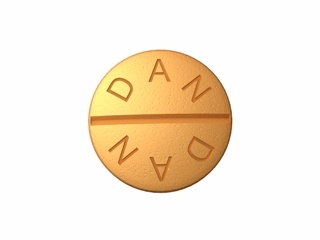
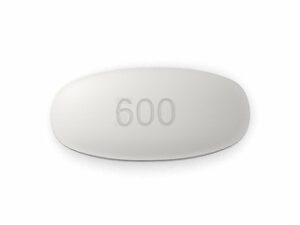
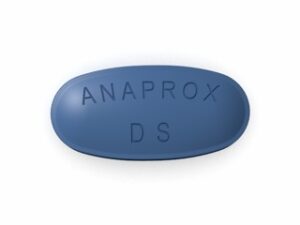
Allopurinol comes in different tablet strengths (for example 100 mg, 200 mg or higher depending on the product). Your dose is chosen to match your uric acid levels, kidney function, and your medical history.
How allopurinol works (mechanism of action)
Uric acid is produced when the body breaks down purines found in some foods and also produced naturally in your body. In people with gout, uric acid can build up and form crystals in joints and tissues.
Allopurinol reduces uric acid formation by blocking an enzyme called xanthine oxidase. This enzyme normally helps convert substances toward uric acid. When it is inhibited:
- the production of uric acid decreases
- existing urate crystals can gradually dissolve over time
- the risk of future gout flares and uric acid kidney stones is reduced
Important: allopurinol lowers uric acid, but it may not stop a sudden acute gout attack immediately. Preventing and reducing flares happens over time as uric acid levels become controlled.
Pharmacokinetics (how your body handles it)
Understanding the basic behaviour of the medicine can help you appreciate why timing and consistency matter.
- Absorption: allopurinol is absorbed after taking it by mouth.
- Metabolism: much of it is rapidly converted in the body to its active metabolite, oxypurinol.
- Active effect: oxypurinol contributes significantly to uric acid lowering.
- Half-life: oxypurinol has a longer duration of action, supporting once-daily or divided dosing regimens.
- Elimination: uric acid-related breakdown products and metabolites are mainly removed by the kidneys.
Because elimination depends on kidney function, your dose may be adjusted if you have reduced kidney function.
Typical uses and indications
Allopurinol is used to treat conditions where uric acid levels are high or where preventing uric acid-related complications is important. In practice, this commonly includes:
- Gout (hyperuricaemia associated with gout): to prevent recurrent gout attacks and reduce chronic urate deposition
- Uric acid kidney stones (nephrolithiasis): to prevent recurrence
- Other causes of high uric acid: for certain situations where uric acid production is increased
Your clinician may also consider allopurinol in specific conditions of elevated urate under specialist care.
When to start and what to expect (timing)
Many people assume allopurinol should work straight away for pain. In reality, the key goal is to achieve sustained lower uric acid levels. As uric acid crystals shift and dissolve, some individuals may experience flare-ups early in treatment.
- Uric acid control builds gradually: you may need days to weeks to see meaningful improvement in uric acid levels.
- Early flares can happen: this does not necessarily mean the medicine is failing.
- Regular testing: clinicians often check uric acid levels and kidney function to adjust the dose.
If you develop a gout flare during the first part of treatment, seek advice promptly. Your healthcare team may adjust how symptoms are managed while uric acid levels stabilise.
Dosing — how it is usually taken
Dosing depends on factors such as your baseline uric acid level and kidney function. Allopurinol dosing is often started low and increased gradually to reduce the risk of adverse effects and to improve tolerability.
Typical approach
- Starting dose: commonly low (exact mg depends on the tablet strength available and your individual factors).
- Titration (dose increase): the dose may be increased stepwise at intervals based on uric acid test results and side effects.
- Maintenance dose: once target uric acid levels are reached, the effective dose is continued.
How to take it
- Take allopurinol once daily unless your doctor tells you otherwise.
- Try to take it at the same time each day.
- You can take it with or without food (see food interactions section below).
- Swallow tablets whole with water unless your pharmacist advises otherwise.
Missed dose
- If you forget a dose, take it when you remember unless it is close to the next dose.
- Do not take a double dose to make up for a missed tablet.
Overdose
Contact NHS 111 or your local urgent care service for advice if you think you have taken too much. In severe cases, seek emergency help.
Food interactions and dietary advice
Allopurinol itself can be taken with food, but food and drink can influence uric acid levels and gout risk. Managing diet alongside medication can be helpful, especially during the period when uric acid is being brought under control.
Food considerations
- Hydration: aim for adequate fluid intake unless you have been told to restrict fluids (for example in heart failure or kidney disease).
- High-purine foods: reduce intake of foods that can increase uric acid, such as:
- organ meats (e.g., liver)
- some types of red meat and certain game
- shellfish
- anchovies and sardines
- Alcohol and sugary drinks: can worsen gout risk (see below).
- Vitamin C: some people find it helpful; check with your clinician if you have kidney problems.
Interactions with food
There are no commonly reported “food-only” interactions that make allopurinol unsafe with typical meals. However, maintaining a consistent routine with hydration and avoiding extremes of alcohol or purine-rich meals can support treatment goals.
Alcohol and medicine interactions
Alcohol is a common trigger for gout flares and can raise uric acid levels indirectly. Because of this, many people are advised to limit or avoid alcohol while managing gout.
Alcohol
- Beer and spirits may increase risk of gout attacks.
- Wine may also increase risk in some people.
- If you drink, keep it moderate and discuss your personal risk with your clinician.
Other medicines that can interact
Interactions depend on your overall medication list. Some medicines can increase the risk of side effects or affect uric acid control. Tell your pharmacist or clinician about all medicines you take, including herbal products.
- Azathioprine and mercaptopurine: allopurinol can increase levels of these medicines; co-administration usually requires dose adjustment and careful monitoring.
- Some anticoagulants (warfarin): monitoring may be needed.
- Theophylline: allopurinol may affect its levels.
- Some antibiotics (e.g., ampicillin/amoxicillin): rashes have been reported in some patients when combined.
- Diuretics: certain “water tablets” can influence uric acid handling.
- Other urate-lowering medicines: combining therapies should be guided by specialist advice.
If you are unsure whether a product is safe with allopurinol, ask your pharmacist before starting it.
Safety profile — side effects and precautions
Like all medicines, allopurinol can cause side effects. Most people tolerate it well when started appropriately and increased gradually. If you develop concerning symptoms, seek medical advice promptly.
Common side effects
- Nausea or stomach discomfort
- Headache
- Skin rash (mild rashes can occur, but any rash should be taken seriously)
Serious side effects (seek urgent advice)
Stop and seek urgent medical help if you develop signs of a severe allergic reaction or serious skin reaction, such as:
- spreading or severe rash
- blistering, peeling skin, or sores in the mouth
- swelling of the face, lips, or throat
- breathing difficulties
- fever with rash, feeling very unwell
Rarely, allopurinol can cause severe hypersensitivity reactions. Early recognition is important.
Risk factors for hypersensitivity
The risk can be higher in some situations, particularly:
- if you have kidney impairment
- if doses are started too high or increased too quickly
- in certain people with specific genetic risk factors (your clinician may consider testing in some cases)
- if you take certain interacting medicines
Kidney and liver considerations
- Your clinician may monitor kidney function (creatinine/eGFR) and liver tests.
- Dose adjustment is often needed for reduced kidney function.
Long-term safety
When used at appropriate doses with monitoring, many people take allopurinol long term with good control of urate levels. Never stop it suddenly without medical advice.
Practical use tips for everyday life
- Stick to a consistent schedule: taking your dose at the same time daily helps maintain stable levels.
- Don’t change dose yourself: your dose is adjusted based on uric acid targets and safety.
- Stay hydrated: aim for light-coloured urine unless you have been advised to restrict fluids.
- Watch for early warning signs: new rashes, fever, or severe illness should be assessed urgently.
- Keep follow-up appointments: regular blood tests may be required to adjust dosing.
- Know your triggers: identify foods, alcohol, dehydration, or illness that can provoke gout flares.
If you are managing gout, it can help to keep a simple diary of flare symptoms and any possible triggers. This can make follow-up appointments more productive.
Alternative options (if allopurinol isn’t suitable)
There are other medicines used to reduce uric acid, and the best option depends on the cause of high urate, kidney function, and tolerability. Your clinician may consider alternatives such as:
- Febuxostat: an alternative urate-lowering medicine, sometimes used when allopurinol is not suitable.
- Uricosuric agents (e.g., probenecid): in selected cases where appropriate.
- Other supportive strategies: diet and lifestyle measures, hydration, and prevention of triggers.
Choice depends on your risk profile and existing medical conditions. If you experience side effects or your uric acid does not reach target levels, discuss options with your healthcare team.
Recent guidance and monitoring in the UK (general overview)
In the UK, gout and urate-lowering therapy are generally managed with a “treat-to-target” approach. This means clinicians aim for a specific urate level and adjust therapy over time. While exact practices vary, common themes include:
- Start low and titrate: to reduce the risk of adverse reactions.
- Regular blood tests: to monitor urate levels and safety (especially kidney function).
- Early flare awareness: flare-ups may occur early after starting or changing urate-lowering therapy; preventive strategies may be considered by clinicians.
- Medication review: ensure interacting medicines are managed safely.
Guidance may be updated over time. If you’re unsure what targets apply to you, ask your pharmacist or clinician.
Market and legal context for the United Kingdom
In the UK, medicines like allopurinol are regulated under medicines legislation and are supplied via appropriate healthcare channels. Availability can differ by strength and brand, and repeat supply arrangements may depend on local NHS or private prescription pathways.
Allopurinol should be obtained from reputable sources and used according to the directions on the package and label. Counterfeit or incorrect medicines can be dangerous.
Delivery and availability (online pharmacy)
Availability may vary by tablet strength and brand. Most online pharmacies aim to dispatch orders quickly where stock is available. Delivery times can depend on your location and the chosen delivery method.
- Stock availability: may change, especially for less common strengths.
- Packaging: medicines are supplied in original manufacturer packaging where possible.
- Storage: store tablets as indicated on the label (typically at room temperature, away from heat and moisture).
If you need a specific strength, consider ordering in advance or asking customer support about expected restock dates.
Storage and handling
- Keep tablets in their original container.
- Store away from direct sunlight and moisture.
- Keep out of the sight and reach of children.
- Do not use after the expiry date printed on the box.
FAQ (Frequently asked questions)
1) Is allopurinol for treating a current gout flare?
Allopurinol is intended to lower uric acid long-term to prevent future attacks. It is not an immediate pain-relief medicine for a flare. If you have a painful flare, ask your clinician or pharmacist for appropriate flare management while uric acid levels are being controlled.
2) How long does it take for allopurinol to work?
Uric acid levels can improve within weeks, but it often takes longer to fully stabilise crystal deposits and reduce flare frequency. Consistency and follow-up blood tests are key.
3) Can I stop taking allopurinol once my symptoms improve?
It is usually not recommended to stop without medical advice. Stopping can allow uric acid levels to rise again, increasing the risk of future attacks.
4) What if I get a rash after starting allopurinol?
Any rash should be taken seriously. Contact a healthcare professional promptly. Severe reactions can be rare but important to recognise early.
5) Does allopurinol interact with other medicines?
Yes. Interactions depend on your medicines. Examples include azathioprine, mercaptopurine, warfarin and some antibiotics. Always tell your pharmacist about all medicines and supplements you take.
6) Are there specific foods I should avoid?
It’s often recommended to reduce foods high in purines (such as organ meats and certain seafood) and to avoid dehydration. Alcohol and sugary drinks can increase gout risk.
7) Can I drink alcohol while taking allopurinol?
Alcohol can trigger gout and may worsen control in some people. Many patients are advised to limit alcohol or avoid it, especially during periods of flare risk.
8) What blood tests will I need?
Your clinician may check serum uric acid and monitor kidney function (and sometimes liver tests), particularly during dose changes.
9) Is dose adjustment needed in kidney disease?
Often, yes. Kidney function affects clearance of the medicine and its metabolites. Your prescriber may use a lower starting dose and increase more cautiously.
10) What should I do if I miss a dose?
Take it when you remember unless it’s almost time for the next dose. Do not take a double dose.
Quick reference table (summary)
| Topic | Key points |
|---|---|
| What it does | Lowers uric acid by blocking xanthine oxidase |
| Main uses | Prevention of gout flares; prevention of uric acid kidney stones |
| When it works | Uric acid reduction improves over weeks; symptom prevention improves with time |
| How to take | Usually once daily; take at a consistent time; follow your dose schedule |
| Food interactions | No major food interaction; dietary purine reduction and hydration may help |
| Alcohol | May trigger gout; limit or avoid if you can |
| Important safety | Seek help for severe rash, blistering, facial swelling or breathing difficulties |
| Monitoring | Uric acid and kidney function may be monitored for dose adjustments |
Talk to your pharmacist or clinician if you have any questions about allopurinol for your situation, including other medicines you take, kidney or liver conditions, or concerns about side effects.