
Feldene (Piroxicam) – Patient Guide (UK)
Feldene is a brand of piroxicam, an anti-inflammatory medicine from the NSAID (non-steroidal anti-inflammatory drug) family. It is used to help relieve pain, stiffness, and inflammation in a number of conditions, particularly where long-lasting relief is needed.
This guide explains how Feldene works, how it’s typically used in the UK, what to watch for, and practical tips to use it safely. If you are unsure whether Feldene is suitable for you, speak to a healthcare professional or pharmacist.
Quick Facts
- Active ingredient: Piroxicam
- Medicine type: NSAID (anti-inflammatory)
- Common benefits: Reduces pain and inflammation; helps improve stiffness and mobility
- How it’s taken: Usually once daily (depending on strength and condition)
- Common cautions: Stomach irritation/ulcers, bleeding risk, kidney effects, and cardiovascular risk
Basic Product Information (UK)
| Feature | Details |
|---|---|
| Brand name | Feldene |
| Generic name | Piroxicam |
| Drug class | NSAID (COX inhibitor) |
| Typical dosing frequency | Once daily in many regimens due to long action |
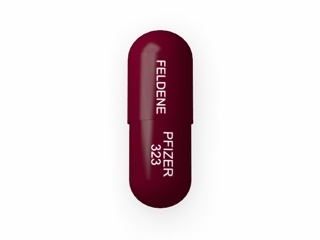
| What it comes in | Commonly tablets; strengths vary by product |
Note: Strengths, formulations, and exact dosing schedules can vary. Always check the specific product packaging and accompanying information.
How Feldene Works (Mechanism of Action)
Piroxicam works by reducing the production of prostaglandins—chemicals that contribute to pain, inflammation, and fever. Like other NSAIDs, it does this by inhibiting enzymes known as COX (cyclo-oxygenase), particularly COX-1 and COX-2.
- Anti-inflammatory effect: Helps reduce swelling and inflammation in affected tissues.
- Analgesic effect: Helps relieve pain from inflammatory conditions.
- Antipyretic effect (minor for many people): May help reduce fever, though this is not usually the main reason Feldene is used.
Because piroxicam has a long duration of action, many people experience relief over an extended period after a once-daily dose.
Pharmacokinetics (How the Body Handles Piroxicam)
Understanding pharmacokinetics helps explain timing, onset, and why certain interactions matter. Key points include:
- Absorption: Piroxicam is absorbed from the gut after oral dosing.
- Onset of effect: Pain and inflammation relief may begin within hours, but the full benefit can take several days depending on the condition and individual response.
- Time to peak levels: Blood levels typically peak several hours after taking a dose.
- Half-life: Piroxicam is known for a relatively long half-life, which supports once-daily dosing in many regimens.
- Protein binding: It binds substantially to plasma proteins, which can be relevant when other highly protein-bound medicines are taken.
- Metabolism: It is metabolised mainly in the liver and eliminated through the kidneys and bile.
These properties are part of why careful attention to dosing and monitoring is important—especially if you have kidney, liver, or heart conditions, or if you take other medicines regularly.
Typical Uses of Feldene (Indications)
Feldene may be used for conditions where inflammation and pain contribute to symptoms. Common indications (as supported by clinical use and product information) may include:
- Osteoarthritis: To relieve pain and stiffness in degenerative joint disease.
- Rheumatoid arthritis: To help reduce pain and inflammation in chronic inflammatory joint disease.
- Other inflammatory arthritic conditions: Depending on clinical assessment.
- Musculoskeletal pain with inflammatory features: In selected cases.
Not every NSAID is appropriate for every condition or person. Your healthcare professional or pharmacist can help match the best option to your symptoms and risk profile.
Dosing and Timing
In the UK, dosing is determined by the condition being treated, your age, medical history, and whether other risk factors apply.
Common dosing approach
- Often once daily: Due to piroxicam’s long action.
- Lowest effective dose: It is generally recommended to use the lowest dose that controls symptoms for the shortest time needed.
- Adjustment may be required: People with higher risk of side effects may need lower doses and closer monitoring.
How to take it
- Follow the package instructions or advice given by a healthcare professional.
- Take with water.
- Take at the same time each day to keep levels steady.
- Do not exceed the recommended dose.
If you miss a dose
- Take it as soon as you remember unless it is close to the time of your next dose.
- If it’s almost time for the next dose, skip the missed dose and resume your usual schedule.
- Do not take a double dose to make up for a missed tablet.
Taking Feldene With Food (Food Interactions)
Food can influence how NSAIDs feel in the stomach rather than whether they work. Piroxicam may irritate the gastrointestinal tract in some people.
- It may be helpful to take Feldene with food or after meals if you get indigestion, heartburn, or stomach discomfort.
- Stay consistent with your routine (for example, always with food) to avoid changes in tolerance.
Important: Food does not eliminate the risk of ulcers or bleeding. If you experience stomach pain, black stools, or vomiting blood, seek urgent medical advice.
Alcohol and Medicine Interactions
Combining NSAIDs with alcohol can increase the risk of gastrointestinal irritation and bleeding.
- Best practice: Avoid or minimise alcohol while taking Feldene.
- Increased caution: If you drink regularly, have a history of stomach ulcers, or take other medicines that affect bleeding, extra caution is essential.
Alcohol may also worsen dizziness and stomach upset in some people.
Medicine Interactions (Commonly Relevant Combinations)
NSAIDs can interact with other medicines in ways that affect bleeding risk, kidney function, and cardiovascular risk. Always provide your pharmacist with a list of all medicines you use, including over-the-counter products.
Examples of medicines that may interact
- Other NSAIDs (e.g., ibuprofen, naproxen, aspirin used for pain): increases ulcer and bleeding risk.
- Anticoagulants (e.g., warfarin) and antiplatelets (e.g., clopidogrel): increased bleeding risk.
- SSRIs/SNRIs (e.g., sertraline, citalopram, venlafaxine): increased risk of GI bleeding when combined with NSAIDs.
- Corticosteroids (e.g., prednisolone): higher ulcer/bleeding risk.
- Diuretics and medicines that affect kidney function (e.g., ACE inhibitors/ARBs): NSAIDs may reduce kidney protection in some situations.
- Lithium: NSAIDs may raise lithium levels (risk of toxicity).
- Methotrexate: risk of increased toxicity (particularly at higher doses).
- Digoxin: NSAIDs can increase digoxin levels in some cases.
- Oral diabetes medicines (e.g., sulfonylureas): may alter blood glucose control.
Safety tip: Avoid starting any new medicine, including herbal supplements, without checking interactions. Herbal products such as St John’s wort and certain supplements may alter medicine levels or increase bleeding risk.
Safety Profile and Warnings
Like all NSAIDs, Feldene can cause side effects. Many are manageable, but some are serious—especially for people with certain risk factors.
Common side effects
- Indigestion, heartburn, nausea, abdominal discomfort
- Headache or dizziness
- Fluid retention (swelling of ankles/feet)
Serious side effects – seek urgent help
- Signs of stomach/intestinal bleeding: black tarry stools, vomiting blood, severe or persistent stomach pain.
- Allergic reaction: swelling of face/lips, breathing difficulties, widespread rash.
- Kidney problems: reduced urination, sudden weight gain from fluid retention, severe fatigue.
- Severe skin reactions: blistering rash, peeling skin, mouth ulcers.
- Chest pain, shortness of breath, weakness on one side, or sudden speech trouble (possible cardiovascular or stroke symptoms).
Who needs extra caution
- People with a past history of stomach ulcers or GI bleeding
- People aged 65 and over (higher risk of side effects)
- Those with heart disease, prior stroke, or uncontrolled high blood pressure
- People with kidney disease or dehydration
- People taking medicines that increase bleeding or affect kidney function
- Those with asthma triggered by NSAIDs
Practical Use Tips (How to Get the Best from Feldene Safely)
- Use the lowest effective dose: If symptoms improve, discuss whether a lower dose or shorter course is appropriate.
- Don’t combine with another NSAID: Avoid taking ibuprofen/naproxen alongside Feldene unless specifically advised.
- Take with food if your stomach is sensitive: This may reduce indigestion.
- Stay hydrated: Especially if you’re older, have diarrhoea/vomiting, or you’re at risk of dehydration.
- Monitor your symptoms: If pain or swelling worsens, or you get new side effects, stop and seek advice promptly.
- Check blood pressure if relevant: NSAIDs can affect fluid balance and blood pressure in some people.
- Be careful during illness: If you develop fever, vomiting, or reduced fluid intake, NSAIDs may increase kidney risk—ask a clinician for advice.
Alternative Options (Other Ways to Relieve Pain and Inflammation)
“Best alternative” depends on your diagnosis, severity, and risk factors. Options include:
Other medicines
- Paracetamol (acetaminophen): Can help with pain, though it doesn’t provide the same anti-inflammatory effect as NSAIDs.
- Topical NSAIDs: Such as gels/creams for localised joint pain (may reduce systemic side effects for some people).
- Different oral NSAIDs: Some people tolerate alternatives better (choice should consider ulcer/heart/kidney risk).
- Gastro-protective medicines: In some cases, medicines that reduce stomach acid may be used alongside NSAIDs to lower ulcer risk—this should be discussed with a healthcare professional.
Non-medicine approaches
- Physiotherapy and exercise: Strengthening and mobility programs can reduce stiffness.
- Heat/cold therapy: Heat for stiffness and cold for flare-ups may help symptoms.
- Weight management and activity modification: Especially for osteoarthritis.
- Supportive devices: Braces, footwear changes, or walking aids.
If you’re using Feldene for long-term conditions like arthritis, it may be appropriate to review your overall plan periodically to ensure symptoms are controlled with the safest option.
Market & Legal Context in the United Kingdom
In the UK, medicines are regulated to ensure quality, safety, and effectiveness. The availability of Feldene depends on the specific product presentation and the regulatory status of the medicine at the time of supply.
When purchasing through UK online pharmacies, products must be sourced and supplied in line with legal requirements. Reliable online pharmacies follow appropriate procedures to confirm suitability and handle supply lawfully.
Important: Use only medicines supplied by reputable UK-registered pharmacies. If a website offers medicines with unclear sourcing, pricing that seems unusually low, or no clear pharmacy oversight, it may carry risks.
Recent Guidance and Considerations (What to Keep in Mind)
Over recent years, healthcare guidance and safety communications in the UK have repeatedly emphasised:
- Lower cardiovascular and GI risk strategies: Use the lowest effective NSAID dose for the shortest necessary time, especially in people with higher risk.
- Individual risk assessment: People with a history of ulcers/bleeding, heart disease, or kidney impairment need careful evaluation.
- Avoiding risky combinations: Many safety updates focus on preventing the simultaneous use of multiple NSAIDs and limiting dangerous interactions.
- Monitoring: Clinicians may recommend review of symptoms and, in some cases, blood tests if NSAIDs are used long-term.
If you’re currently on NSAIDs or considering starting Feldene, a healthcare professional can help confirm it’s appropriate for your personal risk profile.
Delivery and Availability (Online Pharmacy UK)
Availability of Feldene can vary depending on stock levels and supply routes. In the UK, online pharmacies typically offer:
- Prescription-fulfilment services where applicable (some online pharmacies may require clinical checks).
- Reliable dispatch with tracked delivery options.
- Packaging designed to protect tablets during transit.
Delivery times: Dispatch may be immediate for in-stock items, but it can vary during weekends and public holidays. Check the website for estimated delivery windows and cut-off times.
Cold-chain not required: Piroxicam tablets are generally stored at room temperature; keep them in their original packaging as directed.
Frequently Asked Questions (FAQ)
1) What is Feldene (piroxicam) used for?
Feldene is an NSAID used to relieve pain and inflammation, commonly in conditions such as osteoarthritis and rheumatoid arthritis, where reducing stiffness and swelling is important.
2) How quickly does Feldene start working?
Some pain relief may begin within hours. However, for inflammatory conditions, the full benefit can take several days. If you don’t notice any improvement, speak to a healthcare professional.
3) Should I take Feldene with food?
It may help to take Feldene with food or after meals to reduce stomach upset. Consistency is helpful, especially if you have a sensitive stomach.
4) Can I drink alcohol while taking Feldene?
It’s best to avoid or minimise alcohol because it may increase the risk of stomach irritation and bleeding when combined with NSAIDs.
5) Can I take ibuprofen or aspirin with Feldene?
Avoid combining Feldene with other NSAIDs (like ibuprofen or naproxen) unless specifically advised. Combining increases the risk of ulcers and bleeding. Aspirin use depends on why you take it—seek advice if unsure.
6) What side effects should I watch for?
Common effects include indigestion and headache. Seek urgent help for signs of GI bleeding (black stools, vomiting blood), allergic reactions, severe rash, or symptoms of kidney problems.
7) Who should avoid Feldene or use it with extra caution?
Extra caution is needed if you have a history of stomach ulcers/bleeding, kidney problems, heart disease, previous stroke, or if you’re taking blood thinners or other medicines that increase bleeding risk.
8) What should I do if I miss a dose?
Take it when you remember unless it’s close to the next dose. Do not take a double dose.
9) How should I store Feldene?
Store tablets in their original packaging at room temperature, away from moisture and heat, and keep out of sight and reach of children.
10) Are there alternatives to Feldene?
Yes. Depending on your condition, options may include other NSAIDs, topical treatments, paracetamol for pain, and non-medicine approaches like physiotherapy and exercise. A pharmacist can help compare suitable alternatives based on your health history.
When to Seek Medical Advice
Contact a healthcare professional promptly if you experience persistent stomach pain, signs of bleeding, worsening breathing problems, swelling, reduced urination, or symptoms suggesting a serious allergic or cardiovascular event.
If symptoms do not improve or you need NSAID treatment for a long period, a review may be needed to ensure the benefits continue to outweigh the risks.