
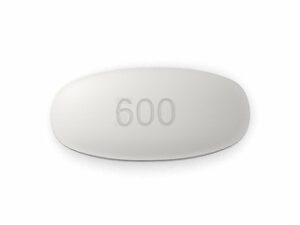
Zyloprim (Allopurinol) — Patient Information (UK)
Zyloprim is the brand name of allopurinol, a medicine used to lower uric acid levels in the body. By reducing uric acid, Zyloprim helps prevent and treat problems caused by excess uric acid, such as gout and kidney stones.
This guide is written to help you understand how Zyloprim works, how it’s usually taken, what to watch for, and how to get the most benefit safely. Always follow the dosing instructions given to you and the advice of your healthcare professional.
Basic product information
| Product name | Active ingredient | Common strengths (examples) | What it’s used for |
|---|---|---|---|
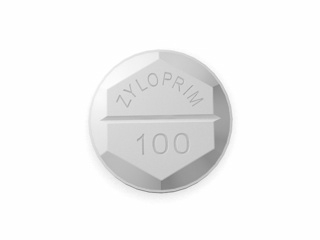
| Zyloprim | Allopurinol | 100 mg, 300 mg (availability may vary) | Lowering uric acid to prevent gout flares and uric acid-related kidney problems |
Form: Tablets (strength may vary by country and supply).
How it works best: Used regularly over time to reduce uric acid levels, rather than only during an acute attack.
How Zyloprim works (mechanism of action)
Allopurinol is a medicine that reduces production of uric acid.
- In the body, a substance called hypoxanthine and then xanthine are converted into uric acid by an enzyme called xanthine oxidase.
- Allopurinol inhibits xanthine oxidase.
- This results in lower uric acid formation and can also increase levels of hypoxanthine/xanthine, which are more soluble than uric acid.
By lowering uric acid, Zyloprim helps stop ongoing crystal formation and allows existing urate deposits (seen in long-term gout) to shrink over time.
Pharmacokinetics (how the body processes it)
Understanding pharmacokinetics can help explain why dosing may change and why effects can take time.
- Absorption: Allopurinol is absorbed after oral dosing. Food can influence the speed of absorption for some people, though overall effect is usually not dramatic.
- Conversion: Allopurinol is rapidly metabolised to its main active metabolite, oxypurinol.
- Half-life: Allopurinol has a relatively short half-life, but oxypurinol lasts longer, supporting once-daily dosing in many cases.
- Elimination: Both allopurinol and oxypurinol are eliminated mainly by the kidneys. This is why dose adjustments may be needed in kidney impairment.
- Uric acid response time: The reduction in uric acid is not necessarily immediate. It often takes days to weeks to stabilise levels, depending on your baseline urate and dose.
Typical use in the UK
Zyloprim is commonly used for long-term management of conditions related to high uric acid. The aim is to keep uric acid below a target level to reduce future flares and complications.
Important note: Starting uric-acid-lowering therapy can sometimes temporarily increase the risk of gout flares in the short term. Clinicians often use strategies (for example, anti-inflammatory prophylaxis) to reduce this risk.
Indications (when Zyloprim may be used)
Zyloprim is indicated for conditions associated with raised uric acid, including:
- Gout (including prevention of gout attacks and treatment of hyperuricaemia)
- Uric acid kidney stones or recurrent stones related to high uric acid
- Hyperuricaemia in situations where uric acid lowering is considered beneficial
- Certain medical conditions with high uric acid production (for example, some situations involving increased cell turnover as advised by a specialist)
Whether Zyloprim is suitable depends on your history, kidney function, and other medicines.
How to take Zyloprim (timing and dosing)
Only take Zyloprim as directed for you. Doses are individualised based on uric acid levels, the condition being treated, and kidney function.
Timing
- Once daily dosing is common for many people.
- Take the tablet(s) at a time that fits your routine.
- Try to take it at the same time each day to maintain consistent levels.
Typical dose approach (general guidance)
Dosing often follows a “start low, go slow” approach to reduce the chance of early side effects and gout flares:
- Initial dose: often a lower starting dose (especially if kidney function is reduced).
- Adjustment: dose may be increased gradually based on blood urate results and tolerability.
- Targets: your clinician may set a target urate level (commonly below 0.36 mmol/L in many modern treat-to-target approaches, though exact targets can vary).
With or without food
Allopurinol can generally be taken with water, with or without food. If your stomach feels sensitive, taking it with food may improve comfort for some people.
Missed dose
- If you miss a dose, take it when you remember unless it is close to the next dose.
- Do not take a double dose to make up for a missed tablet.
Duration
Zyloprim is usually taken as a long-term treatment. Stopping can lead to uric acid levels rising again and symptoms returning.
Food interactions (what to consider)
There are no major “food/drink” interactions that make Zyloprim dangerous with specific foods for most people. However, diet plays a meaningful role in gout and uric acid control.
- Hydration: Drink enough fluids to help reduce the risk of kidney stone formation.
- Limit high-purine foods: Foods that can raise uric acid include certain organ meats, some types of game, and some seafood. (Impact varies by person.)
- Reduce sugary drinks: Sugary soft drinks, particularly those containing fructose, can raise uric acid.
- Alcohol and sweet drinks can worsen gout even if Zyloprim lowers uric acid—so moderation matters.
Keeping a consistent diet and hydration pattern makes it easier to judge how well treatment is working.
Alcohol interactions
Although allopurinol does not typically create a “dangerous reaction” with alcohol, alcohol can:
- Increase uric acid production and reduce its breakdown
- Trigger gout flares, especially if you already have a flare-prone history
- Contribute to dehydration, which may be harmful for kidney health
Practical advice: If you drink alcohol, keep it to low levels and avoid binge drinking. If you have gout flares, consider minimising alcohol further.
Medicine interactions (important)
Zyloprim can interact with other medicines. Tell your healthcare professional about all medicines you take, including over-the-counter products and herbal supplements.
Key interactions to be aware of
- Azathioprine / 6-mercaptopurine: Allopurinol can increase the effects and toxicity of these medicines. Dose adjustments or alternative approaches are often required.
- Cyclophosphamide / cytotoxic chemotherapy: Dose and monitoring may be needed due to changes in metabolism and side effect risk.
- Warfarin: Some people may need closer monitoring of clotting results (INR), as changes in effect can occur.
- Medicines for uric acid: Combining treatments may be considered but should be supervised to avoid complications.
- Diuretics (e.g., thiazides, loop diuretics): These can raise uric acid; clinicians may need to factor this into your plan.
- Antidiabetes medicines (e.g., chlorpropamide): Increased risk of prolonged hypoglycaemia has been reported with certain combinations—monitoring may be needed.
- Vidarabine (used less commonly now): Allopurinol may increase the effect of vidarabine.
- Antacids and other products affecting absorption: Most issues are not major, but it’s still best to seek advice if you use multiple medicines.
Allopurinol may also affect your risk profile for certain reactions depending on other medicines and conditions. If you are unsure, ask a pharmacist.
Safety profile: side effects and when to get help
Most people taking Zyloprim tolerate it well. However, like all medicines, it can cause side effects. Some reactions require urgent medical attention.
Common or mild side effects
- Nausea or stomach discomfort
- Headache
- Rash (can vary from mild to serious)
- Changes in liver function test results (as seen on blood tests)
If side effects are persistent or troubling, speak to your healthcare professional for advice.
Serious and urgent warning signs
Stop the medicine and seek urgent medical help if you develop signs of a severe allergic or skin reaction, such as:
- Widespread rash, blistering, peeling skin
- Rash with fever, sore throat, mouth ulcers, or eye irritation
- Swelling of the face, lips, or throat; difficulty breathing
- Severe weakness, feeling very unwell
Severe reactions are uncommon but important to recognise early. Do not “wait and see” if symptoms look serious.
Gout flares early in treatment
When urate levels begin to fall, some people get a temporary increase in gout flares during the first weeks or months. This does not mean Zyloprim has failed; it often improves as urate stabilises. Your prescriber may recommend short-term preventative treatment.
Kidney-related considerations
- Because oxypurinol is cleared by the kidneys, kidney impairment may increase drug levels and side-effect risk.
- Dose adjustments and monitoring may be needed.
Monitoring
Clinicians usually monitor:
- Blood uric acid (to ensure the target is reached)
- Kidney function (e.g., creatinine/eGFR)
- Liver function (as appropriate)
- Full blood count if needed, especially in higher-risk situations
Practical use tips (to get the best results)
- Be consistent: take Zyloprim every day as directed, even if you feel well.
- Expect a “settling-in” period: it may take time for uric acid levels to fall and for gout prevention to become fully effective.
- Keep well hydrated: hydration supports kidney health and reduces stone risk.
- Know your triggers: alcohol, dehydration, and high-purine meals can contribute to flares.
- Track your symptoms: record flare frequency and any side effects to help optimise dosing.
- Don’t stop suddenly: stopping may raise uric acid again.
- Check interactions: if you start a new medicine (including supplements), ask a pharmacist whether it’s safe with allopurinol.
Alternative options
If Zyloprim isn’t suitable (for example, due to side effects or interactions), there are other approaches available. Your clinician can advise which is best for you.
Other urate-lowering medicines
- Febuxostat (for some patients; suitability depends on your medical history)
- Probenecid (in selected cases; generally depends on kidney function and local practice)
- Uricosuric or combination strategies where appropriate
Non-medicine strategies that help
- Weight management (if appropriate)
- Regular hydration
- Reducing sugary drinks and high-purine foods
- Managing metabolic conditions such as high blood pressure and diabetes
Important: during acute gout flares, different treatments are often used to reduce inflammation. Prevention and flare treatment are separate strategies.
Market and legal context in the United Kingdom
In the UK, allopurinol products such as Zyloprim are regulated medicines and are supplied under the national medicines framework. Availability may vary by pharmacy supplier and tablet strength.
Guidance for gout management and urate-lowering therapy is informed by UK and international evidence, including treat-to-target principles and safety considerations. Clinicians regularly review dosing based on patient response and ongoing monitoring.
Brand vs generic: Zyloprim is a brand; allopurinol is also available as generic medicines in the UK. Your pharmacist may substitute a generic equivalent where permitted by supply rules and prescribing arrangements.
Recent guidance and key clinical themes (UK practice)
Recent approaches to gout management emphasise:
- Treat-to-target: adjusting urate-lowering therapy to reach a defined urate goal rather than fixed dosing alone.
- Managing flare risk: recognising that starting urate-lowering therapy can trigger early flares and using prophylaxis strategies where appropriate.
- Individualised dosing: starting low and titrating carefully, especially in people with kidney impairment.
- Patient education: encouraging adherence and explaining the time needed for benefits.
Local prescribing policies may vary, so your healthcare professional’s advice remains the best reference for your personal situation.
Delivery and availability (online pharmacy UK)
As an online pharmacy service in the UK, we aim to make Zyloprim easy to access. Availability can differ by tablet strength and current supply levels.
- Stock updates: product listings may change if a strength is temporarily unavailable.
- Dispatch times: delivery schedules depend on order timing and courier network.
- Packaging: tablets are supplied in appropriate pharmaceutical packaging for safe handling.
Cold storage: Zyloprim tablets do not typically require refrigeration. Store as directed on the pack.
If you have specific delivery needs, contact customer service for guidance.
How to store Zyloprim
- Keep tablets in the original packaging.
- Store at room temperature, away from excessive heat and moisture.
- Keep out of sight and reach of children.
- Check the expiry date on the pack and do not use after expiry.
FAQ — Zyloprim (Allopurinol)
1) How long does it take for Zyloprim to work?
You may notice changes in blood urate over days to weeks. However, prevention of gout flares and reduction of long-term urate deposits typically takes longer—often weeks to months. Your clinician may recheck blood levels and adjust the dose over time.
2) Can I stop Zyloprim once my gout improves?
Stopping can cause uric acid levels to rise again, which may lead to flares returning. Zyloprim is generally used as a long-term treatment. Discuss any changes with your healthcare professional.
3) Will Zyloprim help during an acute gout flare?
Zyloprim is mainly used to control uric acid levels and prevent future attacks. During an acute flare, other anti-inflammatory treatments are typically used. Starting or continuing Zyloprim should be discussed with your clinician based on your situation.
4) What should I do if I develop a rash?
A mild rash may have many causes, but a rash can also be a sign of a serious reaction. Get medical advice promptly. Seek urgent care if the rash is severe, blistering, associated with fever, or involves mouth/eye symptoms.
5) Do I need blood tests while taking Zyloprim?
Regular monitoring is commonly recommended. This may include checking blood uric acid, kidney function, and other blood tests depending on your health and dose. Follow the monitoring schedule agreed with your healthcare professional.
6) Is it safe with kidney problems?
Allopurinol is cleared by the kidneys, so people with reduced kidney function may need lower starting doses and careful titration. Monitoring is important.
7) Can I drink alcohol while taking Zyloprim?
Moderation is recommended. Alcohol can increase gout flare risk and may worsen uric acid control indirectly through dehydration and metabolic effects. If you experience flares, consider minimising alcohol further.
8) Are there any dietary restrictions?
There are no strict mandatory exclusions for most people, but a gout-friendly diet can improve outcomes. Consider reducing high-purine foods and sugary drinks and maintaining good hydration.
9) What medicines commonly interact with allopurinol?
Some medicines can interact significantly, including azathioprine and 6-mercaptopurine. Other interactions may involve warfarin or certain diabetes medicines. Always check with your pharmacist if you’re starting or stopping a medicine.
10) What if I miss a dose?
Take it when you remember unless it’s near the next dose. Do not take a double dose. If you’re unsure, ask your pharmacist for advice.
Final reassurance
Zyloprim (allopurinol) is widely used in the UK to lower uric acid and help prevent gout-related complications. When taken consistently and monitored appropriately, it can significantly reduce the frequency and severity of flares over time. If you have questions about dosing, side effects, or interactions, speak to a healthcare professional or pharmacist.