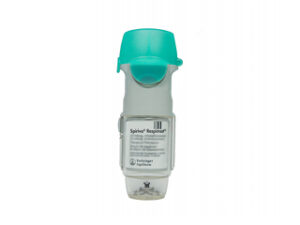
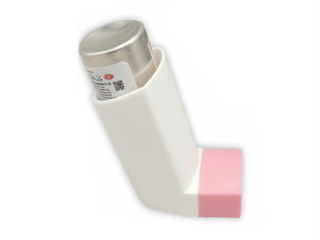

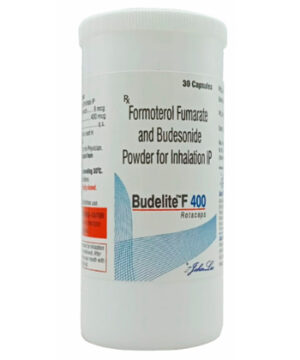
Budesonide Formoterol Inhaler (Maintenance Therapy)
Budesonide formoterol inhaler is a combination inhaler used to help control long-term breathing problems such as asthma and chronic obstructive pulmonary disease (COPD). It contains:
- Budesonide – an inhaled corticosteroid (anti-inflammatory medicine)
- Formoterol – a long-acting bronchodilator (a “reliever” that also provides maintenance relief), belonging to the class of long-acting beta2-agonists (LABAs)
This guide is designed to be patient-friendly and to support safe use. Always follow the instructions given by your healthcare professional and the information in the patient information leaflet that comes with your medicine.
Quick overview
| Feature | What it means for you |
|---|---|
| Medicines | Budesonide + formoterol |
| How it works | Reduces airway inflammation (budesonide) and helps open airways (formoterol) |
| Typical conditions | Asthma and COPD (depending on the product strength and local guidance) |
| When to use | Regular daily maintenance; some schedules also use it for symptom relief depending on your plan |
| Key practical tip | Rinse and spit after use to help prevent mouth/throat thrush |
Basic product information
Budesonide formoterol inhalers are inhaled medicines delivered directly to the lungs. They come in different strengths and inhaler devices, depending on the exact product (for example, different dose strengths and device types). Your pack label will show the dose and the number of inhalations available.
Common examples in the UK: There are several budesonide/formoterol combination inhalers available in the UK market. The exact name, dose strength, and device type can vary.
Important: Do not assume dosing is identical across all brands or strengths. Always use the specific product you have been prescribed (or supplied) and check the dose stated on your medicine label.
How it works (mechanism of action)
1) Budesonide: reduces airway inflammation
Budesonide is an inhaled corticosteroid. In asthma and some cases of COPD, the airways become inflamed and over-reactive. Budesonide helps to:
- Reduce inflammation in the airways
- Lower production of inflammatory substances
- Help improve airway responsiveness over time
2) Formoterol: relaxes airway muscles
Formoterol is a long-acting beta2-agonist (LABA). It works by stimulating beta2-receptors in the bronchial smooth muscle, leading to:
- Relaxation of bronchial muscles
- Widening of the airways
- Improved airflow and reduced breathlessness
Why the combination matters
The key benefit of the combination is that it targets two different aspects of airway disease:
- Budesonide works mainly by controlling inflammation (prevention and maintenance)
- Formoterol provides ongoing bronchodilation and can provide symptom relief within the same medicine (depending on your personalised action plan)
Pharmacokinetics (how the body handles the medicine)
When you inhale budesonide and formoterol, most of the delivered dose acts locally in the lungs. Some medicine may still be swallowed (especially with certain inhaler techniques), and some is absorbed into the bloodstream.
Absorption
- Inhaled drug is absorbed through lung tissue and enters the systemic circulation in small-to-moderate amounts.
- Swallowed portion contributes to overall absorption from the gastrointestinal tract.
Distribution
The active substances distribute through the bloodstream to tissues. Plasma protein binding is relevant for corticosteroids and can influence how much drug is available in circulation.
Metabolism
- Budesonide is metabolised primarily in the liver (notably by CYP enzymes), producing metabolites with less activity than the parent compound.
- Formoterol is also metabolised largely in the liver and excreted via urine and other routes.
Elimination
Metabolites are cleared mainly through the kidneys. The overall systemic exposure is generally lower with inhaled therapy compared with oral steroid medicines, but systemic effects can still occur—particularly at high doses and with long-term use.
What is budesonide formoterol used for? (indications)
The exact approved uses depend on the specific product strength and formulation, but in the UK budesonide formoterol inhalers are commonly used for:
- Asthma – as maintenance therapy to control symptoms and reduce flare-ups
- COPD – in patients who have symptoms despite regular treatment, to improve lung function and reduce exacerbations
Important: Budesonide formoterol is not the same as a “pure” reliever inhaler (such as salbutamol). Your asthma or COPD plan will explain when and how to use each inhaler, including what to do if symptoms worsen suddenly.
Typical timing and how to use it
Your personal dosing schedule depends on your condition, your symptom pattern, and the exact product strength. Below are general principles commonly used in UK asthma/COPD management. Always follow your written action plan or pharmacy/clinician instructions.
General timing for maintenance
- For many people with asthma, the inhaler is taken regularly every day (commonly twice daily, but this may vary).
- For COPD, dosing is also typically regular maintenance (often twice daily, depending on the product).
Reliever-style dosing (only if your plan says so)
Some budesonide/formoterol regimens allow the same inhaler to be used for symptom relief as well as maintenance. This approach is sometimes referred to as SMART/ MART-type strategies (exact naming varies by guidance and region).
If your action plan allows you to take extra doses: it will specify how many extra inhalations you can take when symptoms occur and when to seek urgent help. If your action plan does not allow this, use your designated reliever inhaler instead.
When to take it during the day
- Try to take doses at roughly the same times each day (for example, morning and evening).
- If you miss a dose, take it when you remember unless it’s close to the next dose. Do not take double doses to make up for a missed dose.
Dosing: what you should expect
Because budesonide/formoterol products come in different strengths, dosing must be checked on your own medicine label. A typical starting regimen for asthma or COPD might include:
- Asthma maintenance: often 1–2 inhalations twice daily, depending on dose strength and how well symptoms are controlled
- COPD maintenance: often 1–2 inhalations twice daily, depending on dose strength
Your clinician may adjust your dose upward or downward based on symptom control and side effects. Do not change your dose without medical advice.
Maximum limits: Some regimens have dose caps per day. If your plan includes use for symptom relief, there may be a maximum number of inhalations (often over a 24-hour period). Your patient leaflet or action plan should clarify this for your particular product.
Food interactions
Because budesonide and formoterol are inhaled and primarily act in the lungs, food interactions are generally not a major concern.
- No specific “avoid food” rules are usually required for inhaled budesonide/formoterol.
- If a significant portion is swallowed, dietary timing is still not typically clinically critical, but maintaining good inhaler technique can reduce unwanted swallowing.
Thrush prevention tip
To reduce risk of oral thrush or hoarseness, it’s recommended to:
- Rinse your mouth with water after each use
- Spit out the water (do not swallow it)
Alcohol and medicine interactions
Alcohol
For most people, moderate alcohol does not have a direct interaction with inhaled budesonide/formoterol. However:
- Alcohol may worsen asthma symptoms or sleep quality for some individuals.
- If you experience dizziness or palpitations after formoterol, alcohol may increase the feeling of breathlessness or discomfort.
- If you have COPD and alcohol affects breathing or balance, use caution.
Other medicines that may interact
Always inform your healthcare professional about all medicines you take, including over-the-counter products and herbal supplements.
Potential interaction themes include:
- Beta-blockers (including some eye drops): Certain beta-blockers may reduce the effect of formoterol. Some are non-selective and may be particularly relevant. If you are prescribed beta-blockers, your clinician will weigh benefits and risks.
- Other bronchodilators: Using multiple inhaled beta-agonists may increase side effects such as tremor or fast heartbeat.
- Diuretics (“water tablets”) and some other medicines: These can lower potassium. Low potassium may increase the risk of heart rhythm problems, particularly if combined with beta-agonists.
- Corticosteroids: Systemic steroid effects are usually lower with inhaled therapy, but taking other steroid medicines (tablets or high-dose inhaled steroids) may increase overall steroid exposure.
- Strong inhibitors/inducers of liver enzymes: These can potentially affect metabolism of budesonide or formoterol. Examples include some antifungals and certain antibiotics, though the degree of clinical significance depends on the specific medicine.
Do not stop any regular medicine (such as heart or blood pressure medication) without speaking to a clinician.
Safety profile: common and important side effects
Inhaled budesonide/formoterol is widely used, but like all medicines it can cause side effects. Many people tolerate it well, especially at appropriate doses.
Common side effects
- Hoarseness or voice changes
- Throat irritation
- Oral thrush (oral candidiasis) – more likely if you don’t rinse and spit after use
- Headache
- Tremor or feeling shaky (more related to formoterol)
- Palpitations or fast heartbeat
- Muscle cramps (uncommon, but can occur)
Serious side effects: seek urgent advice if you notice
- Breathing rapidly worsening after using the inhaler, or severe difficulty breathing that does not improve
- Chest pain, fainting, or severe irregular heartbeat
- Signs of severe allergic reaction (swelling of face/lips, rash, severe itching, difficulty breathing)
- Adrenal suppression symptoms in people taking high-dose inhaled steroids for long periods (this is uncommon at usual doses, but risk increases with higher exposure)
Long-term safety considerations
Because budesonide is a corticosteroid, long-term high-dose inhaled use may be associated with systemic effects such as:
- Reduced bone density (osteoporosis risk)
- Cataracts or glaucoma risk
- Higher susceptibility to infections (including thrush)
- Growth effects in children (clinicians monitor growth carefully)
These risks are generally lower with inhaled therapy than oral steroids, but they are one reason why your dose should be the lowest effective dose for good control.
Practical use tips (to get the best from your inhaler)
Correct inhaler technique is essential to ensure medicine reaches the lungs. Technique can vary between device types. Always follow the steps described for your specific inhaler.
Before you start
- Check the dose counter/indicator (if your device has one) and ensure it’s not empty.
- If you use a spacer (for certain device types), ask your pharmacist whether it’s appropriate for your inhaler.
During use
- Breathe out gently away from the device.
- Seal your lips around the mouthpiece (if applicable).
- Start a slow, deep breath in and trigger the dose at the right moment (for press-and-breathe devices) or inhale as instructed (for breath-actuated dry powder devices).
- Hold your breath for several seconds if you can, to allow deposition in the lungs.
- If more than one inhalation is prescribed, repeat the steps after waiting about 30–60 seconds (or as instructed by your leaflet/device guide).
After use
- Rinse your mouth and spit after each dose to help prevent thrush and hoarseness.
- Wipe the mouthpiece if recommended by the manufacturer.
When you are unsure
If your symptoms aren’t controlled or you’re not confident in your technique, ask your pharmacist or GP practice for an inhaler check. Many people benefit from technique coaching.
What to do if symptoms worsen
Worsening symptoms can happen even with maintenance therapy. What you should do depends on your asthma/COPD plan and which inhaler you are meant to use for relief.
- If you have asthma and symptoms worsen, follow your written action plan and use your designated reliever as instructed.
- If you have COPD, follow your COPD plan and consider contacting a clinician if symptoms escalate or you need additional rescue medication more than planned.
Seek urgent medical help if you have severe breathlessness, can’t speak full sentences, or your inhaler does not help as expected.
Alternative options
Budesonide formoterol is one type of controller therapy. Depending on your diagnosis and history, alternatives may include:
- Other inhaled corticosteroid/LABA combinations (different steroid or LABA components)
- Inhaled corticosteroid alone (for selected asthma cases)
- LABA/long-acting muscarinic antagonist (LAMA) combinations for COPD (with or without inhaled steroid depending on risk and exacerbations)
- Triple therapy (ICS/LABA/LAMA) for some COPD patients with frequent exacerbations
- Leukotriene receptor antagonists as add-on therapy in some asthma patients (not a direct inhaler substitute)
Your prescriber can help choose the most suitable option based on your symptoms, exacerbation history, side effect profile, and device preference.
Market and legal context in the United Kingdom
Medicines such as budesonide/formoterol combination inhalers are regulated in the UK under the Medicines and Healthcare products Regulatory Agency (MHRA) and are supplied through NHS services and pharmacies. Inhaled therapies are a standard part of asthma and COPD management across the UK.
In the UK, clinical recommendations are updated through bodies such as:
- NICE (National Institute for Health and Care Excellence)
- GINA (Global Initiative for Asthma) for asthma strategy themes, which often influences practice
- Local NHS pathways and respiratory clinical guidance
Because products and dosing approaches can differ, it’s important to use the exact inhaler you have been given and follow current advice from your healthcare team.
Recent guidance and management themes (UK-relevant)
While individual treatment plans vary, recent UK respiratory management has emphasized:
- Personalised asthma control using stepwise adjustments based on symptoms and risk of flare-ups
- Checking inhaler technique and adherence before stepping up therapy
- Using anti-inflammatory controller therapy consistently for asthma
- Optimising COPD maintenance based on breathlessness, exacerbation risk, and current inhaler regimen
- Minimising steroid exposure to the lowest effective dose while maintaining control
In some asthma regimens, combined budesonide/formoterol approaches may be used both for maintenance and relief (depending on the product and plan). If you’re unsure whether your inhaler is intended for symptom relief, check your action plan or ask your pharmacist.
Delivery and availability (UK online pharmacy)
Budesonide formoterol inhalers are generally widely available through UK pharmacy supply chains. Availability can vary by:
- Specific brand and strength
- Device type (metered-dose inhaler vs dry powder inhaler, etc.)
- Local stock levels and manufacturer schedules
Online pharmacies in the UK typically offer home delivery options. Delivery times may vary based on location and stock status. If an item is temporarily out of stock, reputable pharmacies may offer:
- Estimated delivery dates
- Alternative equivalent products (where appropriate and permitted)
- Supply updates if your order is pending
Always check the order confirmation for dispatch and delivery estimates.
FAQs
1) Is budesonide formoterol a reliever inhaler?
It is primarily a maintenance controller inhaler because it contains an inhaled steroid (budesonide). Formoterol provides bronchodilation and may be used for symptom relief only if your asthma/COPD plan specifically allows that approach for your product and condition. If unsure, use your prescribed reliever inhaler as directed.
2) How long does it take to work?
Formoterol can help symptoms relatively quickly after inhalation (within minutes). Budesonide works more gradually to reduce inflammation; improvements in asthma control can develop over days, with maximal benefit often taking longer. Regular use is important.
3) What if I forget a dose?
If you miss a dose, take it when you remember unless it is close to the next dose. Do not take double doses to compensate. If you frequently miss doses, speak to a pharmacist—there may be strategies to make use easier.
4) Can I use it with a spacer?
Some inhaler devices work with spacers; others may not. The best answer depends on your specific inhaler device type. Check the leaflet or ask your pharmacist for advice.
5) Why do I get a hoarse voice or thrush?
These are common local steroid effects. They are often reduced by rinsing and spitting after each use, ensuring correct technique, and using the prescribed dose.
6) Can I drive or operate machinery after using it?
Most people can drive after using inhaled budesonide/formoterol. However, if you experience dizziness, tremor, or palpitations, avoid driving or tasks that require full alertness until you feel normal again.
7) Is it safe to use during pregnancy or breastfeeding?
Many patients use inhaled asthma medicines during pregnancy and breastfeeding when the benefits outweigh risks. If you are pregnant, trying to conceive, or breastfeeding, discuss your treatment with your healthcare professional rather than stopping the inhaler.
8) Are there any foods or drinks I should avoid?
There are usually no specific food restrictions with inhaled budesonide/formoterol. If you notice symptoms worsen with alcohol, consider reducing intake and seek advice if needed.
9) What medicine interactions are most important to mention?
Tell your clinician/pharmacist about all medicines, especially:
- Beta-blockers (including certain eye drops)
- Other inhaled bronchodilators
- Diuretics and medicines affecting potassium
- Strong liver enzyme inhibitors or inducers
- Any course of antibiotics/antifungals if you start them
10) When should I seek help urgently?
Seek urgent medical help if you have severe or rapidly worsening breathlessness, chest pain, fainting, or signs of serious allergic reaction. If your inhaler is not helping as expected, don’t wait—follow emergency guidance and your action plan.
Important reminders
- Use your inhaler exactly as instructed for your condition.
- Check inhaler technique regularly—your pharmacist can help.
- Rinse and spit after use to reduce thrush risk.
- Keep your asthma/COPD action plan somewhere easy to find.
- Contact a healthcare professional if symptoms are not controlled or you need frequent extra relief.
This information is intended to support understanding and safe use. It does not replace the patient information leaflet supplied with your medicine or advice from your healthcare team.